


 Gibraltar Federation of Small Businesses


 Gibraltar Federation of Small Businesses

The Treaty between the EU and the UK over Gibraltar is finally giving us some clarity, and yet, it also reminds us just how much sits outside our control. The finer details will take months to surface. Political tides may shift. Promises will be tested by practicalities. The uncertainty isn’t gone, it has simply changed form.
As business owners, it’s tempting to fixate on these big developments. They feel important; and they are. But they’re also largely outside our control. And spending too much time ruminating on them can quietly drain us and become all consuming.
Because it’s not just border politics. Every day, we face issues beyond our reach: new legislation, competitor actions, market trends, customer behaviour, staff turnover, illness, family responsibilities, global events. All of it lives in what Stephen Covey calls the Circle of Concern – things we care about, but cannot directly change.
The more we fixate on them, the more frustration can grow. Not because we’re weak or negative, but because our minds are wired to search for control. The problem is when we look for it in the wrong places.
Understanding the Three Circles
Stephen Covey’s Circles of Concern and Influence offer a helpful frame. A third circle – Control – is often added to make the distinction even clearer:
The Circle of Concern includes everything we care about but can’t directly affect: economic conditions, government policy, the past, how others behave and react, even the weather. Trying to control this circle leads to frustration, worry, and often, paralysis.
The Circle of Influence includes the things we can affect indirectly: our business relationships, reputation, team culture, supplier networks, client loyalty. These take time to build but can be shaped through our actions.
The Circle of Control is the smallest circle, but most powerful: how we lead, how we respond, the standards we hold, the decisions we make, the effort we bring, how we spend our time, where we place our attention.
When we focus on what we control and influence, we build momentum. When we dwell in what we can’t control, we lose energy. Over time, our sense of agency shrinks – and so does our resilience.
“Proactive people focus their efforts in the Circle of Influence. The nature of their energy is positive, enlarging, and magnifying.” Reactive people, Covey warned, “focus their efforts in the Circle of Concern… Their focus results in blaming and accusing attitudes and increased feelings of victimisation.”
Before reading on, take a moment to reflect:
Do you naturally lean towards a particular circle in the model above? How does that serve you?
What is in your Circle of Control right now?
What is occupying you in your Circle of Concern that you can let go of?
What Starts Small Can Grow
A powerful insight for business leaders is this: action within your Circle of Control can ripple outward. The choices you make – how you communicate, how you treat people, how you invest your time – affect not only you, but your team, your clients, and the wider business environment you operate in.
Consistently showing up well in your Circle of Control builds credibility, trust, and influence. And that influence, over time, allows you to shape more than you could before. It expands your Circle of Influence – and with it, sometimes, even your Circle of Control.
In practice, this might mean that by handling uncertainty with calm and clarity, your team begins to engage more proactively. Or that by resolving a customer issue with integrity, you rebuild trust that leads to new opportunities. Small acts compound, and quiet consistency earns influence.
So while it can feel narrow to focus only on what you control, that focus is anything but passive. It’s what creates the conditions for your leadership to grow.
Letting Go Isn’t Weakness, It’s Strength
Letting go of the Circle of Concern is not the same as ignoring it. It’s not about sticking your head in the sand or pretending everything is fine. It’s about consciously choosing not to spend your best energy and headspace where it won’t make a difference.
Many business owners are natural problem-solvers; analytical, focused, driven. These strengths can become liabilities if we keep trying to solve problems that aren’t solvable – at least, not by us, and not right now.
That’s when rumination creeps in: What if the deal changes? What if my competitor undercuts me? What if my best staff member leaves? These are real concerns. But they only help us when they lead to productive action. Beyond that, they just deplete us.
Letting go takes discipline. But it frees you to reinvest that energy into something useful – your people, your priorities, your next move.
What This Looks Like in Practice
Start small. If something is keeping you awake at night, ask yourself:
Is this in my control?
Can I influence it?
Or do I simply care about it?
Then act accordingly. If it’s in your control, take action. If you can influence it, engage, explore, plan. If it’s only in your concern, acknowledge it, then let it be.
You don’t need to solve everything, But where you choose to place your attention? That’s leadership.


Love is big business. According to official statistics, 1,745 weddings took place in Gibraltar in 2021 followed by another 1,761 weddings in 2022 and a further 1640 in 2023. That’s around 33 weddings each week or 6 every single day. With an estimated population of around 33,000, it’s safe to say that, no, we aren’t all marrying each other, but that Gibraltar is a very popular place for many people to come and say ‘I do’. In fact, in all three years, non-residents outnumbered residents by an average of 90% to 10%. The stats point to a healthy wedding sector, one that our Minister for Tourism, Christian Santos is keen to develop. In an interview with the Gibraltar Chronicle he recently said he wanted; “Gibraltar to be the Las Vegas of Europe” when it comes to weddings. Unlike Vegas, we don’t have Elvis. But we do have John. Music legend John Lennon famously married Yoko Ono here in 1969 and put the Rock on the map for ‘Fast Track’ weddings. If music’s not your thing, acting legend Sean Connery (AKA James Bond) also tied the knot here (twice)!

Who doesn’t love a good office gossip? Hushed conversations by the coffee machine, knowing glances across the office, colleagues who "just thought you should know" – it’s all just harmless banter, right? Not quite. While gossip might seem like an inevitable part of office life, the reality is much less entertaining. Workplace backbiting can destroy trust, drain morale, and impact team productivity. Few people understand this better than Norwegian psychotherapist Glenn Rolfsen. With over two decades of experience in psychotherapy, Glenn has dedicated his career to helping businesses tackle workplace negativity head-on. His innovative "Gozzip" method has been transforming office cultures worldwide, earning him recognition at TEDx talks and WHO conferences.

Artificial Intelligence promises unprecedented opportunities for small business owners in Gibraltar. As the digital landscape faces constant evolution, understanding AI becomes not just beneficial but essential for businesses aiming to thrive in 2024. In this article, we aim to demystify the complexities surrounding AI, offering an approachable guide to its fundamentals, history, and practical applications for businesses, providing you with the knowledge to embrace this technology confidently.

Starting and running a small business is rewarding but comes with its fair share of challenges. The path of entrepreneurship is often characterised by immense dedication, long hours, and tough decisions. As a small business owner, you're not just responsible for the operations and growth of your company and team, but also for your own wellbeing.

In an age where small businesses must adapt to stay in business, outsourcing has long been a way to enhance efficiency and streamline operations. Derived from the simple philosophy of delegating certain non-core tasks to external experts, outsourcing allows businesses to concentrate on their primary objectives and strengths. For the uninitiated, it's about seeking external expertise for tasks outside your comfort zone, skills base or business's main expertise.

Gibraltar’s size means that shoppers don’t have too far to go to shop. Schools, supermarkets, entertainment, eateries and healthcare are all within easy reach. That hasn’t stopped Gibraltar's business community from wanting to meet its customers' needs online. I met three local businesses that have embraced eCommerce.


In an increasingly digital work environment where we have more emails, WhatsApp messages & interruptions than ever before, many business leaders started looking at ways of alleviating the stress that comes with this increased workload. Relaxing the dress code and letting your team dress down and wear in more casual clothing is one way of doing this….Or is it?
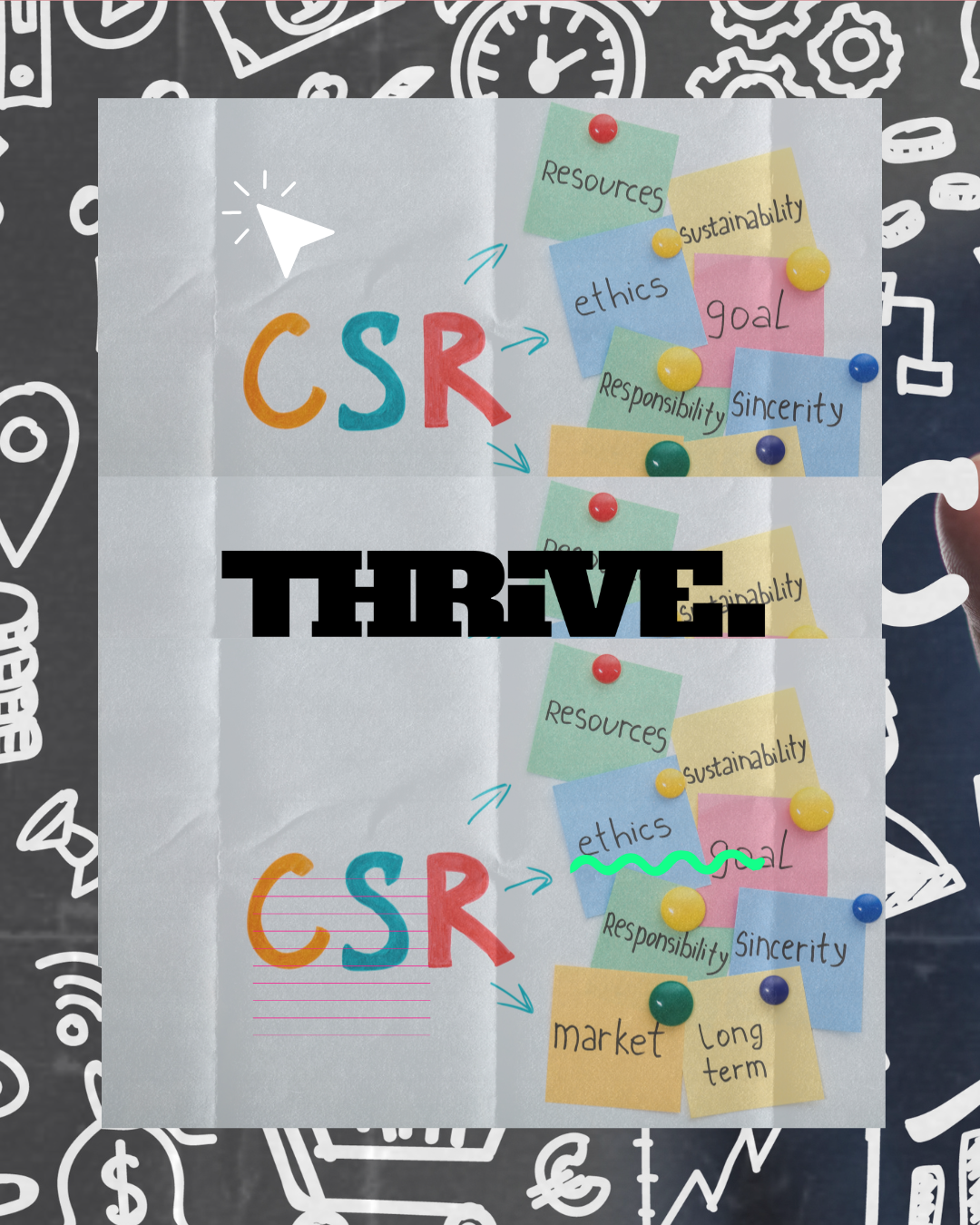
Corporate Social Responsibility is no longer just for big companies. Small and medium-sized businesses are making a real impact through practical, authentic actions that reflect who they are. From supporting sport, culture and charities to rolling up sleeves for environmental projects, consistent CSR builds trust, loyalty and pride. When businesses show up for their community in meaningful ways, those efforts are noticed and often returned.

We all have bad days, right? In business, that can mean we don’t bring our A-game to work and perhaps our service slips. Maybe a dish takes too long to reach a table or a staff member sounds distracted at the till. This could lead to negative Google Reviews or on ‘that’ Facebook group that […]

One of the most dangerous things anyone can say in business is, "We've always done it this way." This phrase doesn't age well and puts businesses at risk. "We've always done it this way" can quickly look like "flogging a dead horse." This doesn't always mean that businesses need to change everything. Some things, like great service, never go out of fashion. But when sales start to slow down, it's always a good idea to consider taking a new approach. Rebranding a product, service, or entire enterprise can be part of this process. But rebranding should never be taken lightly.

“People want to know the stories behind the products they buy. It’s not just about what’s on the shelf, but the journey it took to get there.” – Stella, Spirit of The Rock As consumer habits shift towards mindfulness and sustainability, the concept of slow shopping has emerged, offering both challenges and opportunities for small businesses. Slow shopping encourages consumers to take their time, make more thoughtful purchases, and focus on quality over quantity.

AI is poised to reshape the legal profession, with 31% of law firm leaders predicting major disruption by 2025. Scott Simmons explores how AI could improve client outcomes, streamline workflows, and drive value. Whether you’re cautious or curious, it’s time to explore AI’s potential.

Raju Purswani examines Ted Baker’s fall, sharing sharp lessons for entrepreneurs: stay true to your brand, beware of overhauls that alienate customers, and balance growth with identity. A cautionary tale with insights every business can learn from.

We’ve said it before and it’s only getting louder: AI is reshaping how businesses work. From chatbots and smart analytics to automated content and decision-making tools, AI is helping smaller firms punch well above their weight. But with that power comes responsibility. As AI use grows, so do the risks around data privacy, and under GDPR, getting it wrong can mean serious fines and lasting reputational damage.

My name is John Hayes, and I'm a really busy guy. Busy procrastinating most of the time. You wouldn't believe how many unessential tasks I had to complete before sitting down and writing this article. Those sales reports and emails don't check themselves. Yep, I've been busy. Busy doing nothing. We've all had one of those days where we feel like we've been incredibly "busy" - but can't quite put our finger on what we actually accomplished. Maybe we spent three hours answering emails, another two fiddling with a spreadsheet no one asked for, and another hour in a meeting that could have been an email or WhatsApp message. At the end of it all, the to-do list somehow got longer, not shorter.

From the increasing influence of AI to the rise of social commerce and sustainability-driven consumer demand, the key to success lies in adapting strategically rather than chasing every new trend. This guide breaks down the most impactful trends for the year ahead—offering insights on how to integrate them into your business without losing sight of what already works. Smart adaptation, not blind reinvention, is the name of the game. Here's what to expect and how to make it work for you.


Eran Shay's journey is emblematic of the modern entrepreneur. A self-confessed ‘out-of-the-box’ thinker, he swapped a successful corporate career and a senior role at Deloitte to pursue his own projects and business opportunities.

Finding someone who listens, understands, and guides you can make all the difference. For women in Gibraltar, the Women’s Mentorship Programme offers just that – honest conversations and valuable support from people with lived experience who understand. Now in its sixth cycle, the programme pairs women with mentors to help them navigate work, life, and everything in between. Ok, full disclosure: as a recently appointed mentor, that last sentence somewhat triggers the old imposter syndrome and self-doubt, but I am honoured to be part of this scheme and look forward to doing my very best in the months ahead.

For many businesses, standing out from the crowd in an already crowded marketplace is a mammoth task. But for Fresquita one of the ways they tackled this issue was with highly creative packaging.

Gibraltar has long been home to many international businesses. Gaming giants, UK-based insurance companies and far-flung fintech firms are all drawn here thanks to our strategic location and business-friendly environment. Carl Clavering moved his insurance business to Gibraltar, and it’s safe to say, it’s transformed his life. When I caught up with Carl, it was clear that his decision to relocate wasn't just about tax advantages or access to the UK market —it was about finding a place that felt like home, both for his business and his family.
