


 Gibraltar Federation of Small Businesses


 Gibraltar Federation of Small Businesses

Over the past 18 years, I’ve had the privilege of working with a diverse range of businesses and industries, gaining insights into the challenges they face in implementing effective diversity and inclusion strategies. Often, Diversity, equity, inclusion, and belonging (DEI&B) is viewed as a ‘nice to have’ rather than an essential component of business success. With this in mind, I’m excited to share valuable insights and practical steps to help you create environments where everyone can thrive.
You’ve probably heard of DEI&B, but what do these letters really mean, and why do they matter for you and your organisation? Diversity includes differences like race, gender, age, neurodiversity, disability, LGBTQ+, culture, and more; Equity ensures equal opportunities for all; Inclusion values everyone’s contributions; and Belonging means individuals feel accepted and integral to the organisation.
Don’t Forget Psychological Safety
Creating psychological safety is key to inclusion, it unlocks team intelligence, enhances decision-making, and boosts performance by fostering trust and open dialogue. It allows individuals to be themselves without fear, encouraging them to speak up, take risks, and drive innovation.
It doesn’t have to be difficult; there are steps you can take to make your organisation a better place to work, plus create a wonderful community in which to live and connect wholeheartedly.
Why Does it Matter?
People Come First. It’s Not Just Fluff & Rainbows!
Leadership and management practices must evolve as humans do. DEI&B are not just buzzwords; they create stronger, happier, and more collaborative workplaces, guiding organisations towards integrity, fairness, empathy, and positive impact.
It’s Not Just an HR Thing
Infusing DEI&B principles into the core of organisations unlocks the potential of people, enhances products and services, and drives innovation, growth, and sustained profitability.
Go Beyond Diversity
Create an inclusive environment where employees feel valued, respected, and empowered to bring their authentic selves to work. Recognise that people have intersecting identities (intersectionality) and tailoring your approach is crucial.
“Diversity, Equality and Inclusion are fundamental for a fair and just society, and these principles guide the work of the Ministry of Equality. Embedding these in the workplace, in businesses and organisations, is not just an ethical or moral imperative and is not solely about social justice. Ensuring that everyone can participate, contribute, and maximise their talents, makes perfect business sense. It has repeatedly been proven that more diverse teams fare better than their less diverse counterparts. Ultimately, the question that businesses should ask themselves is, ‘How can we better engage with all our clients?’ And surely what better way to do that than to ensure that the business is representative of the clients served.”
~Hon Minister Santos GMD MP, Minister for Equality, Employment, Culture and Tourism.
As we move forward, let’s remember that our ethical decisions shape our collective future. As leaders, it’s our mission to champion and fuel diversity and inclusion by being true allies, addressing biases, and promoting a culture of empathy, compassion, and accountability.
Now is the time to create a lasting impact on communities, industries, and society. Let’s build a world where everyone belongs and thrives!
Author Bio: Christina is an authentic and adaptable strategic leader, passionate about DEI&B, with over 18 years’ experience in coaching and consulting in marketing, communications, product and leadership. www.mach.global


Finding someone who listens, understands, and guides you can make all the difference. For women in Gibraltar, the Women’s Mentorship Programme offers just that – honest conversations and valuable support from people with lived experience who understand. Now in its sixth cycle, the programme pairs women with mentors to help them navigate work, life, and everything in between. Ok, full disclosure: as a recently appointed mentor, that last sentence somewhat triggers the old imposter syndrome and self-doubt, but I am honoured to be part of this scheme and look forward to doing my very best in the months ahead.

With its largely service-based economy, you'd be forgiven for thinking that Gibraltar didn't have to deal with the problem of toxic waste, perhaps more commonly seen in countries reliant on manufacturing, mining and even agriculture. However, every gaming company, insurance firm, fintech organisation, retailer, restaurant, and literally every other business on the Rock is potentially responsible for producing a particularly nasty waste byproduct - e-waste.

Gibraltar’s size means that shoppers don’t have too far to go to shop. Schools, supermarkets, entertainment, eateries and healthcare are all within easy reach. That hasn’t stopped Gibraltar's business community from wanting to meet its customers' needs online. I met three local businesses that have embraced eCommerce.

Love is big business. According to official statistics, 1,745 weddings took place in Gibraltar in 2021 followed by another 1,761 weddings in 2022 and a further 1640 in 2023. That’s around 33 weddings each week or 6 every single day. With an estimated population of around 33,000, it’s safe to say that, no, we aren’t all marrying each other, but that Gibraltar is a very popular place for many people to come and say ‘I do’. In fact, in all three years, non-residents outnumbered residents by an average of 90% to 10%. The stats point to a healthy wedding sector, one that our Minister for Tourism, Christian Santos is keen to develop. In an interview with the Gibraltar Chronicle he recently said he wanted; “Gibraltar to be the Las Vegas of Europe” when it comes to weddings. Unlike Vegas, we don’t have Elvis. But we do have John. Music legend John Lennon famously married Yoko Ono here in 1969 and put the Rock on the map for ‘Fast Track’ weddings. If music’s not your thing, acting legend Sean Connery (AKA James Bond) also tied the knot here (twice)!
If you’re looking to grow your business, expand your reach post Treaty or simply try something new, collaboration can be one of the most effective ways to do it. The key is approaching it with a bit of structure. And resisting the urge to say yes to everything just because someone seemed nice over a […]

AI is poised to reshape the legal profession, with 31% of law firm leaders predicting major disruption by 2025. Scott Simmons explores how AI could improve client outcomes, streamline workflows, and drive value. Whether you’re cautious or curious, it’s time to explore AI’s potential.

We all have bad days, right? In business, that can mean we don’t bring our A-game to work and perhaps our service slips. Maybe a dish takes too long to reach a table or a staff member sounds distracted at the till. This could lead to negative Google Reviews or on ‘that’ Facebook group that […]
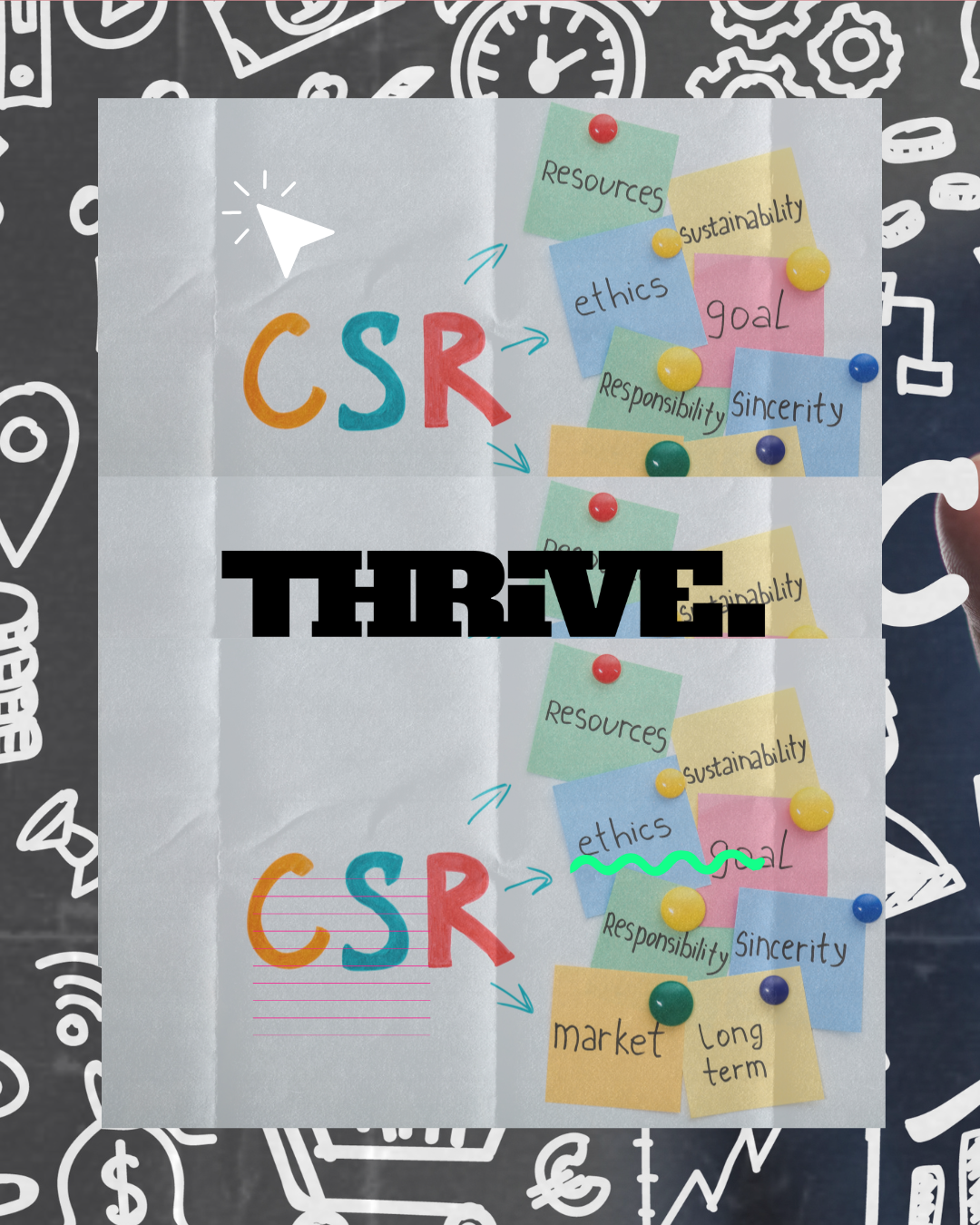
Corporate Social Responsibility is no longer just for big companies. Small and medium-sized businesses are making a real impact through practical, authentic actions that reflect who they are. From supporting sport, culture and charities to rolling up sleeves for environmental projects, consistent CSR builds trust, loyalty and pride. When businesses show up for their community in meaningful ways, those efforts are noticed and often returned.

We recently provided a large local organisation with their uniforms. Once the order was delivered, I felt compelled to send them guidelines on how to take care of their uniform. Spending money on clothes and footwear is not a guarantee on making the right impression, either to yourself, nor anyone else- it’s attention to detail that seals the deal.


If you’ve been dreaming of starting your own business, you’re not alone. Data from the UK’s Office for National Statistics (ONS) revealed that the annual number of companies registered is edging closer to the one million mark, that’s up by 75,000 in 2022 which itself was 30,000 higher than in 2021. Whether it's following a passion, aiming for financial independence, or breaking free from the 9-5 grind, every entrepreneurial journey begins with one crucial thing: a solid idea. But coming up with that perfect idea can be tough. This is where brainstorming comes in—it’s the creative springboard that can help you turn your business dreams into reality.


In business, we often concentrate on the what and how of an enterprise.

There’s something slightly uncomfortable about sending a contract to a client when you run a small business. Especially in Gibraltar, where relationships matter and business often begins with a conversation over un cafelito rather than a legal document. When you know someone personally, or you’ve been introduced by a mutual contact, it can feel unnecessary to formalise everything. You tell yourself that an email thread is enough. Or that you’ll sort the paperwork later. I used to think like that. Over time, and through a few situations that were more stressful than they needed to be, I’ve realised that putting things in writing isn’t about distrust. It’s about creating guardrails for growth. The clearer the boundaries, the freer you are to focus on doing good work.

Mental health issues affect us all. How we manage our daily stresses and anxieties have an impact on our relationships, how we perform in our job and the workplace environment, and our outlook on life. Becoming self-aware of what affects us, managing how we respond to triggers and using tools to help us work through them, are all part of our journey towards MENTAL FITNESS, which is how we should be positively defining it.

Gibraltar has long been home to many international businesses. Gaming giants, UK-based insurance companies and far-flung fintech firms are all drawn here thanks to our strategic location and business-friendly environment. Carl Clavering moved his insurance business to Gibraltar, and it’s safe to say, it’s transformed his life. When I caught up with Carl, it was clear that his decision to relocate wasn't just about tax advantages or access to the UK market —it was about finding a place that felt like home, both for his business and his family.

Raju Purswani examines Ted Baker’s fall, sharing sharp lessons for entrepreneurs: stay true to your brand, beware of overhauls that alienate customers, and balance growth with identity. A cautionary tale with insights every business can learn from.

Starting and running a small business is rewarding but comes with its fair share of challenges. The path of entrepreneurship is often characterised by immense dedication, long hours, and tough decisions. As a small business owner, you're not just responsible for the operations and growth of your company and team, but also for your own wellbeing.

Technology is having a major effect on every aspect of our lives, and the retail environment is not immune to these changes. Not only has online shopping revolutionised the way we think about buying and consuming, but it has also dramatically changed how we shop in physical stores.

Whilst Brexit hasn’t exactly been a positive event, we can’t deny that it’s also been the catalyst for diversification and change. It was a true ‘before and after’ moment that made businesses rethink their strategies and, in many cases, change their direction of travel. Gibraltar’s newest bank, justbank, is born from this process. As well as heralding the arrival of a new bank, this fresh start gave the team at IDT Finance the opportunity to create innovative and tailored banking solutions from the ground up. I met with Managing Director, Damian Asquez, and Head of Corporate Banking, Nikolai Gafan, to find out more.

My name is John Hayes, and I'm a really busy guy. Busy procrastinating most of the time. You wouldn't believe how many unessential tasks I had to complete before sitting down and writing this article. Those sales reports and emails don't check themselves. Yep, I've been busy. Busy doing nothing. We've all had one of those days where we feel like we've been incredibly "busy" - but can't quite put our finger on what we actually accomplished. Maybe we spent three hours answering emails, another two fiddling with a spreadsheet no one asked for, and another hour in a meeting that could have been an email or WhatsApp message. At the end of it all, the to-do list somehow got longer, not shorter.

After teaching in schools for 18 years I decided to take the plunge and embark on a self-employed life. Driven by my passion for teaching children with special educational needs I set out to discover alternative ways to make education accessible to all. My vision was to have the individual in mind, with their own strengths and challenges, and with that came the birth of ‘edYOUcation Clare Francis’; bringing the YOU into learning.