


 Gibraltar Federation of Small Businesses


 Gibraltar Federation of Small Businesses

Who doesn’t love a good office gossip? Hushed conversations by the coffee machine, knowing glances across the office, colleagues who “just thought you should know” – it’s all just harmless banter, right? Not quite. While gossip might seem like an inevitable part of office life, the reality is much less entertaining. Workplace backbiting can destroy trust, drain morale, and impact team productivity.
Few people understand this better than Norwegian psychotherapist Glenn Rolfsen. With over two decades of experience in psychotherapy, Glenn has dedicated his career to helping businesses tackle workplace negativity head-on. His innovative “Gozzip” method has been transforming office cultures worldwide, earning him recognition at TEDx talks and WHO conferences.
Glenn brought his expertise to Gibraltar, speaking at the 2023 GibSams Wellbeing at Work event. In this interview, he shares the inspiration behind his approach, why backbiting is more damaging than we realise, and how small businesses in Gibraltar can build healthier, more positive office cultures.
Could you start by telling me what led you to focus on workplace gossip and backbiting?
My journey into workplace dynamics started in my practice as a psychotherapist, where I repeatedly encountered the deep emotional impact of work environments on mental health. I’ve always been fascinated by human behaviour – why we do what we do, especially in social settings. Over the years, I worked closely with leaders and teams and noticed a recurring theme: gossip and backbiting were silently eroding trust, lowering morale, and even contributing to burnout and mental health struggles. This realisation sparked a passion in me to create practical solutions that don’t just address conflicts but actually prevent them.
What inspired you to develop your Gozzip Concept, and how does it differ from traditional conflict resolution?
Gozzip was born out of necessity. Time and time again, I saw how small, seemingly harmless conversations could escalate into major workplace conflicts. Traditional methods of conflict resolution focus on fixing problems after they’ve already caused damage. Gozzip flips that approach – it’s about prevention. It helps people recognise early on how their words shape workplace culture and gives teams a framework to shift their conversations toward openness and respect. What makes it unique is that it empowers everyone, not just leaders, to take responsibility for the tone of their workplace.
From your experience, why does gossip thrive in workplaces?
Gossip often thrives in environments where uncertainty, competition, and insecurity exist. When employees don’t have clear information or feel unheard, they naturally seek validation or clarity through informal channels. It’s also a survival mechanism – people try to navigate workplace politics by aligning themselves with groups or power structures. Another key factor is the lack of psychological safety. If people don’t feel safe to express concerns directly, they’ll resort to talking behind closed doors.
Some people might argue that gossip is a natural part of social interactions. When does it become harmful, and what impact does that have?
Gossip is a part of human nature – it’s how we bond and share stories. But the line between healthy social interaction and harmful gossip lies in intention and impact. If the conversation builds trust and connection, it’s positive. If it isolates, misleads, or damages someone’s reputation, it becomes destructive. In workplaces, toxic gossip creates an undercurrent of fear and mistrust, draining energy that should be focused on collaboration and innovation. It also increases stress and absenteeism – people don’t thrive in environments where they feel they have to watch their backs.
How can business owners identify when workplace gossip is becoming a problem? Are there any early warning signs?
Yes, and the earlier you spot them, the better. If you notice rising tensions, an increase in misunderstandings, or employees hesitating to speak openly in meetings, those are warning signs. High turnover and frequent complaints about colleagues can also indicate a culture where indirect communication is causing damage. One of the most telling signs is when people avoid certain coworkers or become guarded in their interactions.
How can small business owners manage gossip in tight-knit teams?
Small teams are like families – there’s less anonymity, so personal dynamics are amplified. The key is to set clear expectations early on. Leaders should model direct and respectful communication and encourage employees to address concerns head-on rather than through third parties. A simple but powerful rule I suggest is the ‘no triangle’ rule – if you have an issue with someone, speak to them directly, not to a third person. Creating an environment where people feel safe to be honest prevents a lot of unnecessary negativity.
Can you share some steps for small business owners to create a gossip-free work culture?
At the 2023 GibSams event, what key insights did you share? Are there any Gibraltar-specific challenges?
My keynote at GibSams focused on the deep connection between workplace communication and mental health. I spoke about how a culture of trust and transparency can prevent stress-related issues and even play a role in suicide prevention. One challenge I noticed in Gibraltar’s small business community is the overlap between personal and professional relationships – it’s a tight-knit place where colleagues often know each other outside of work. This can be a strength but also a challenge when professional boundaries get blurred. Defining clear communication norms is even more critical in such environments.
What’s one immediate step Gibraltar’s business owners can take to improve communication?
Start with self-awareness. A leader’s communication style sets the tone for the entire team. My advice? Take an honest look at how you communicate. Are you encouraging direct and constructive dialogue? Are you unintentionally reinforcing a culture where indirect talk is the norm? By being mindful of their own behaviour, leaders can create a ripple effect that changes the workplace dynamic.
Finally, what do you hope people take away from your work, and what’s next for you in this field?
I want people to realise that workplace culture isn’t just about efficiency – it’s about well-being. When people feel psychologically safe, they perform better, collaborate more effectively, and experience less stress. My next step is to continue expanding my work on workplace mental health, particularly in suicide prevention. I’m developing the next evolution of the Gozzip model – ‘Gozzip 2025’ – to help organisations create workplaces where people don’t just survive but truly thrive.


Raju Purswani examines Ted Baker’s fall, sharing sharp lessons for entrepreneurs: stay true to your brand, beware of overhauls that alienate customers, and balance growth with identity. A cautionary tale with insights every business can learn from.

Whilst Brexit hasn’t exactly been a positive event, we can’t deny that it’s also been the catalyst for diversification and change. It was a true ‘before and after’ moment that made businesses rethink their strategies and, in many cases, change their direction of travel. Gibraltar’s newest bank, justbank, is born from this process. As well as heralding the arrival of a new bank, this fresh start gave the team at IDT Finance the opportunity to create innovative and tailored banking solutions from the ground up. I met with Managing Director, Damian Asquez, and Head of Corporate Banking, Nikolai Gafan, to find out more.

We’ve said it before and it’s only getting louder: AI is reshaping how businesses work. From chatbots and smart analytics to automated content and decision-making tools, AI is helping smaller firms punch well above their weight. But with that power comes responsibility. As AI use grows, so do the risks around data privacy, and under GDPR, getting it wrong can mean serious fines and lasting reputational damage.
When stakeholder conversations become difficult, most organisations focus on communication. Kerstin Andlaw argues the real issue runs deeper. It is not what we say, but how we stay in the relationship when pressure rises. In complex environments, the ability to work with tension, not avoid it, is what separates transactional engagement from true collaboration.
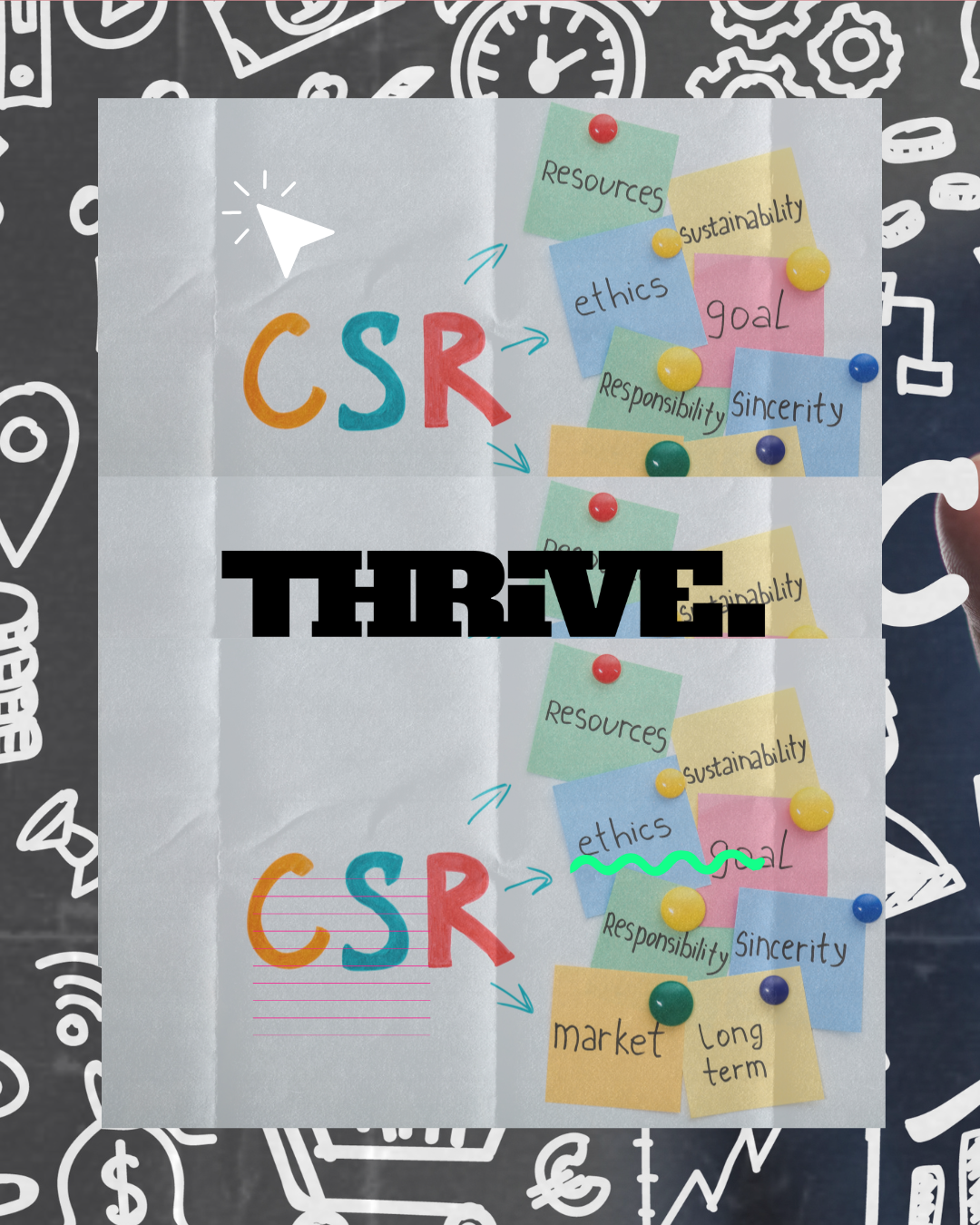
Corporate Social Responsibility is no longer just for big companies. Small and medium-sized businesses are making a real impact through practical, authentic actions that reflect who they are. From supporting sport, culture and charities to rolling up sleeves for environmental projects, consistent CSR builds trust, loyalty and pride. When businesses show up for their community in meaningful ways, those efforts are noticed and often returned.

Stepping into a leadership role can be exciting. It’s a chance to shape the future and lead a team to success. But with a leadership role comes a new level of responsibility. You’re suddenly the person others look to for direction and answers, and it’s your role to create a workplace where they can thrive - while also being accountable for their work. And that isn’t always an easy balancing act. Leadership is a learning curve - an eternal one at that. By focusing on a few key behaviours and techniques, you can set yourself on the right path to lead well, build a great high performing team and help your business grow.


Eran Shay's journey is emblematic of the modern entrepreneur. A self-confessed ‘out-of-the-box’ thinker, he swapped a successful corporate career and a senior role at Deloitte to pursue his own projects and business opportunities.
If you’re looking to grow your business, expand your reach post Treaty or simply try something new, collaboration can be one of the most effective ways to do it. The key is approaching it with a bit of structure. And resisting the urge to say yes to everything just because someone seemed nice over a […]

Whether you’re an ebook tapper or traditional page turner, there are thousands of books that can make you better at business. Áine Panter, Head of the School of Business at the University of Gibraltar has curated a list of must-reads that will inspire, inform, and equip you for success.

Introducing the Thrive Catalog - A curated collection of goodies selected by our editorial team each quarter. Everything featured is available right here, right now at prices that are better than or compete with the internet.

One of the most dangerous things anyone can say in business is, "We've always done it this way." This phrase doesn't age well and puts businesses at risk. "We've always done it this way" can quickly look like "flogging a dead horse." This doesn't always mean that businesses need to change everything. Some things, like great service, never go out of fashion. But when sales start to slow down, it's always a good idea to consider taking a new approach. Rebranding a product, service, or entire enterprise can be part of this process. But rebranding should never be taken lightly.

When you’re a small business, staying one step ahead of the competition is essential. Yet, many small business owners grapple with the decision to invest in employee training and development. With limited resources and immediate financial pressures, it can unintentionally get pushed to the bottom of the priority list. However, investing in your team’s learning and development is a strategic move that can yield significant returns.

In an age where small businesses must adapt to stay in business, outsourcing has long been a way to enhance efficiency and streamline operations. Derived from the simple philosophy of delegating certain non-core tasks to external experts, outsourcing allows businesses to concentrate on their primary objectives and strengths. For the uninitiated, it's about seeking external expertise for tasks outside your comfort zone, skills base or business's main expertise.

During a recent and very long overdue catch up with my friend Trina, I had one of those ‘Aha moments’. To be fair, as someone who spends a lot of time interviewing experts, these moments happen to me a lot, but this one was different. In the 20 years Trina and I have been friends, she’s developed marketing strategies for global brands including Coca Cola, Virgin Atlantic, Nestlé and IKEA . Impressive stuff, but it’s what she’s working on now that really got me thinking…Taking inspiration from the military and politics, Trina and her business partners set up The Competitive Wargaming Team and now deliver secret, scenario-based ‘corporate war rooms’ for senior leaders designed to predict and outmaneuver competitor moves.

If, like me, you spend more time than you should doom scrolling LinkedIn, you could be tempted into thinking no-one fails. LinkedIn has become a hyperbolic haven and a place to scream and shout about success. But what about failures - why aren’t we talking about them? In business, failure is inevitable. I mean it. Whether it's a product flop, a marketing misstep, or a company on the brink of collapse, every entrepreneur will face moments that test them. Yet, history has shown that these failures can often be the starting point for something extraordinary.

When it comes to ideation in business, there’s no one-size-fits-all approach. Every business, team, and leader has their own way of generating and refining ideas. Whether it’s through structured brainstorming sessions, casual conversations, or solo reflection, the goal is to unlock creativity and find solutions. We’ve asked four GFSB members to share how they approach ideation in their fields. As you read, think about how you generate ideas and remember that sometimes, the best results come from trying something new.

Thrive catches up with Nick Pitaluga TEP, Managing Director of Gibraltar Trust & Corporate Services Limited - “GTCS”. From starting out as a messenger to leading his firm through a major merger, Nick talks about the importance of stepping outside your comfort zone and offers inspiration for anyone carving their own niche.

When you’ve been running your own business for a while, you know what works, and it’s easy to rely on the skills that got you to where you are. Chances are, you’re comfortable doing things in a certain way, and your team knows what to expect from your leadership style.

In the latest edition of Thrive, regular contributor John Hayes reflects on the uncertainty facing small and medium-sized businesses in Gibraltar. From Brexit fallout to ever-changing frontier delays, he unpacks why the border remains a top concern—and how local firms are adapting. While resolving post-Brexit cross-border issues is beyond the scope of this correspondent, there are practical steps business owners can take to mitigate and manage the challenges of this uncertainty.

Fair recruitment is based on the principle that candidates are judged on their ability to do the job rather than influenced by factors such as an applicant’s gender, religion, ethnicity, or any other quality unrelated to their skills and expertise. As the Founder of Rock Learning and the Co-Founder of the ‘Count me In’ DEIB Conference, I have developed a deep understanding of the topic and how small businesses can implement inclusive hiring practices.
