


 Gibraltar Federation of Small Businesses


 Gibraltar Federation of Small Businesses

When it comes to ideation in business, there’s no one-size-fits-all approach.
We’ve asked four GFSB members to share how they approach ideation in their fields. As you read, think about how you generate ideas and remember that sometimes, the best results come from trying something new.
Vicky Bishop, Vicky’s Natural Kitchen:
I find I need to be in a quiet place and relaxed for ideas or creativity to flow. Disconnect from the day to day, get out to nature or just looking out a window. Just let my thoughts wonder to random things. Daydreaming .. I love daydreaming up recipes or a menu or just a class or project. I need to be creating to be fulfilled.
James Barton, Barton Solutions:
At Barton Solutions, our approach to ideation is centered around meaningful discussions. We strive to avoid pointless conversations, as an idea holds little value without execution. However, once we identify an opportunity, such as a new premise or product launch, the four of us sit down and discuss it in detail. With our diverse experiences and varying viewpoints, we bounce ideas off each other to find the optimal middle ground that is both balanced and achievable. If there is a difference of opinion, we weigh the pros and cons of each perspective and typically reach a consensus based on logic and realism when evaluating ideas.
Chris Gomez, Techniq
At Techniq, our early ideation phase whether for marketing or web design is all about unleashing creativity. We invite every idea, no matter how wild, without any judgment. This open-minded approach sparks innovation. We then sift through these concepts, focusing on those that align with our goals. Sometimes, the most out-there ideas turn into our strongest solutions, showing that bold thinking can lead to real impact.
Graham Munday, On Purpose
My creative process applies to creating learning experiences or facilitating sessions with senior leaders on strategy and problem solving. It starts with Steven Covey’s ‘Begin with the end in mind’ and having really well defined outcomes. This is all too often brushed past too quickly. The ideation phase I find best done on the move, whether out walking the dogs on my own or pacing around and drawing on flipcharts as part of a creative team. Physical animation helps mental creativity. Once I have a sense of what could work this needs to be captured into a loose flow for development and co-creation with the end user. Once this to and fro is completed to everyone’s satisfaction a final more detailed flow for the event can be created, always focused on outcome not activity. That way there always remains scope for responding to what is happening in the room without losing sight of the goal.
How do you generate your best ideas? Do you thrive in a team setting, or are you at your most creative when working solo?


Success doesn’t just happen; it’s built on a strong foundation of preparation, clarity, and taking consistent action. Whether you’re launching a new business, taking your current side-hustle full-time, or looking to scale in a competitive market, having the right plan in place is essential.

Artificial Intelligence promises unprecedented opportunities for small business owners in Gibraltar. As the digital landscape faces constant evolution, understanding AI becomes not just beneficial but essential for businesses aiming to thrive in 2024. In this article, we aim to demystify the complexities surrounding AI, offering an approachable guide to its fundamentals, history, and practical applications for businesses, providing you with the knowledge to embrace this technology confidently.

Introducing the Thrive Catalog - A curated collection of goodies selected by our editorial team each quarter. Everything featured is available right here, right now at prices that are better than or compete with the internet.

We all have bad days, right? In business, that can mean we don’t bring our A-game to work and perhaps our service slips. Maybe a dish takes too long to reach a table or a staff member sounds distracted at the till. This could lead to negative Google Reviews or on ‘that’ Facebook group that […]

Building a personal brand isn't just about showcasing your professional accomplishments; it's about weaving your unique narrative, passions, and values into a cohesive identity that resonates with others. Here's how you can bring your personal brand to life, with practical examples to guide you at every step.

Starting and running a small business is rewarding but comes with its fair share of challenges. The path of entrepreneurship is often characterised by immense dedication, long hours, and tough decisions. As a small business owner, you're not just responsible for the operations and growth of your company and team, but also for your own wellbeing.
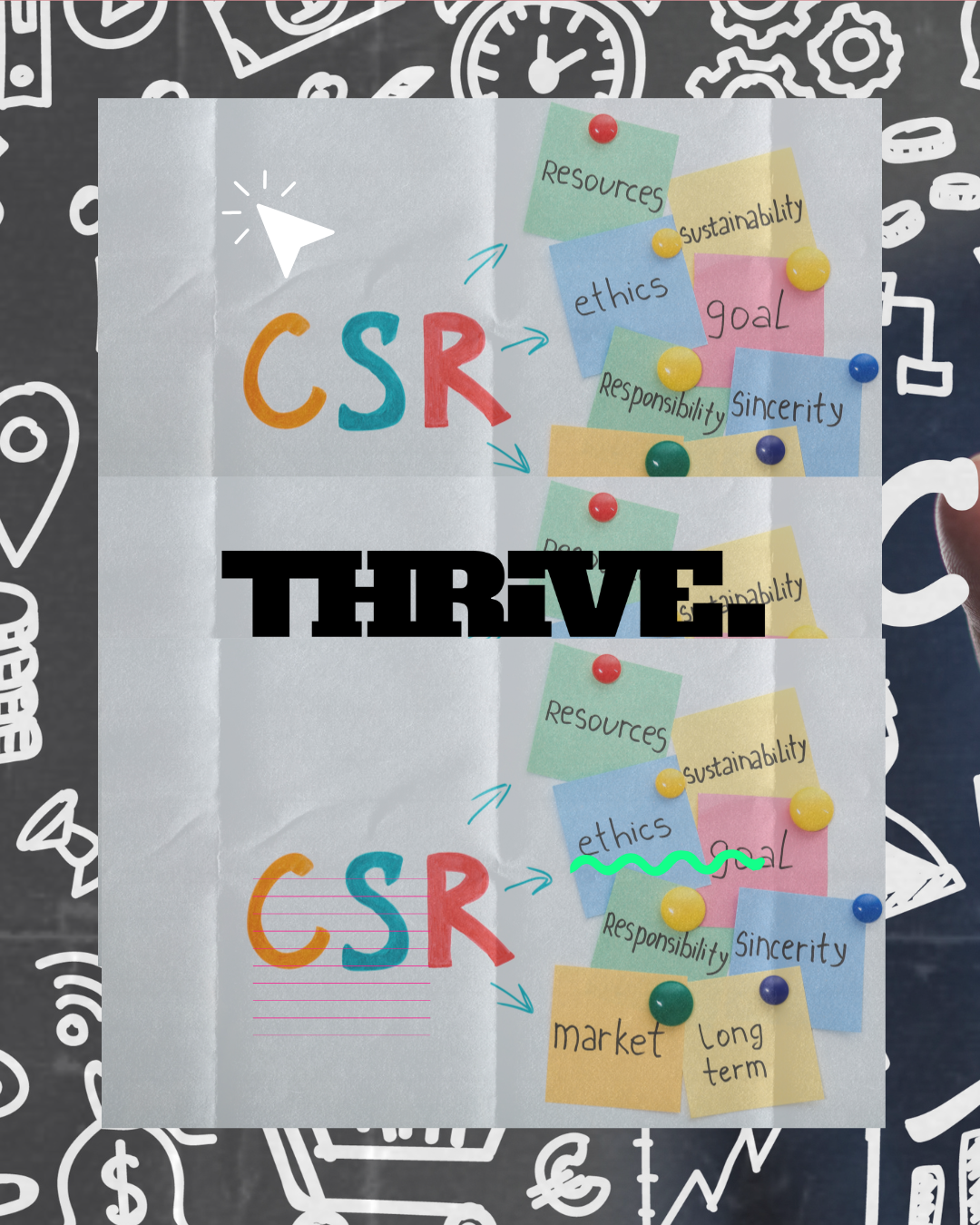
Corporate Social Responsibility is no longer just for big companies. Small and medium-sized businesses are making a real impact through practical, authentic actions that reflect who they are. From supporting sport, culture and charities to rolling up sleeves for environmental projects, consistent CSR builds trust, loyalty and pride. When businesses show up for their community in meaningful ways, those efforts are noticed and often returned.

Love is big business. According to official statistics, 1,745 weddings took place in Gibraltar in 2021 followed by another 1,761 weddings in 2022 and a further 1640 in 2023. That’s around 33 weddings each week or 6 every single day. With an estimated population of around 33,000, it’s safe to say that, no, we aren’t all marrying each other, but that Gibraltar is a very popular place for many people to come and say ‘I do’. In fact, in all three years, non-residents outnumbered residents by an average of 90% to 10%. The stats point to a healthy wedding sector, one that our Minister for Tourism, Christian Santos is keen to develop. In an interview with the Gibraltar Chronicle he recently said he wanted; “Gibraltar to be the Las Vegas of Europe” when it comes to weddings. Unlike Vegas, we don’t have Elvis. But we do have John. Music legend John Lennon famously married Yoko Ono here in 1969 and put the Rock on the map for ‘Fast Track’ weddings. If music’s not your thing, acting legend Sean Connery (AKA James Bond) also tied the knot here (twice)!

Who doesn’t love a good office gossip? Hushed conversations by the coffee machine, knowing glances across the office, colleagues who "just thought you should know" – it’s all just harmless banter, right? Not quite. While gossip might seem like an inevitable part of office life, the reality is much less entertaining. Workplace backbiting can destroy trust, drain morale, and impact team productivity. Few people understand this better than Norwegian psychotherapist Glenn Rolfsen. With over two decades of experience in psychotherapy, Glenn has dedicated his career to helping businesses tackle workplace negativity head-on. His innovative "Gozzip" method has been transforming office cultures worldwide, earning him recognition at TEDx talks and WHO conferences.

The Treaty between the EU and the UK over Gibraltar is finally giving us some clarity, and yet, it also reminds us just how much sits outside our control. The finer details will take months to surface. Political tides may shift. Promises will be tested by practicalities. Every day, we face issues beyond our reach: new legislation, competitor actions, market trends, customer behaviour, staff turnover, illness, family responsibilities, global events. All of it lives in what Stephen Covey calls the Circle of Concern - things we care about, but cannot directly change. The more we fixate on them, the more frustration can grow.

Mental health issues affect us all. How we manage our daily stresses and anxieties have an impact on our relationships, how we perform in our job and the workplace environment, and our outlook on life. Becoming self-aware of what affects us, managing how we respond to triggers and using tools to help us work through them, are all part of our journey towards MENTAL FITNESS, which is how we should be positively defining it.

Technology is having a major effect on every aspect of our lives, and the retail environment is not immune to these changes. Not only has online shopping revolutionised the way we think about buying and consuming, but it has also dramatically changed how we shop in physical stores.

During a recent and very long overdue catch up with my friend Trina, I had one of those ‘Aha moments’. To be fair, as someone who spends a lot of time interviewing experts, these moments happen to me a lot, but this one was different. In the 20 years Trina and I have been friends, she’s developed marketing strategies for global brands including Coca Cola, Virgin Atlantic, Nestlé and IKEA . Impressive stuff, but it’s what she’s working on now that really got me thinking…Taking inspiration from the military and politics, Trina and her business partners set up The Competitive Wargaming Team and now deliver secret, scenario-based ‘corporate war rooms’ for senior leaders designed to predict and outmaneuver competitor moves.

AI is poised to reshape the legal profession, with 31% of law firm leaders predicting major disruption by 2025. Scott Simmons explores how AI could improve client outcomes, streamline workflows, and drive value. Whether you’re cautious or curious, it’s time to explore AI’s potential.

Thrive catches up with Nick Pitaluga TEP, Managing Director of Gibraltar Trust & Corporate Services Limited - “GTCS”. From starting out as a messenger to leading his firm through a major merger, Nick talks about the importance of stepping outside your comfort zone and offers inspiration for anyone carving their own niche.

Stepping into a leadership role can be exciting. It’s a chance to shape the future and lead a team to success. But with a leadership role comes a new level of responsibility. You’re suddenly the person others look to for direction and answers, and it’s your role to create a workplace where they can thrive - while also being accountable for their work. And that isn’t always an easy balancing act. Leadership is a learning curve - an eternal one at that. By focusing on a few key behaviours and techniques, you can set yourself on the right path to lead well, build a great high performing team and help your business grow.


If you’ve been dreaming of starting your own business, you’re not alone. Data from the UK’s Office for National Statistics (ONS) revealed that the annual number of companies registered is edging closer to the one million mark, that’s up by 75,000 in 2022 which itself was 30,000 higher than in 2021. Whether it's following a passion, aiming for financial independence, or breaking free from the 9-5 grind, every entrepreneurial journey begins with one crucial thing: a solid idea. But coming up with that perfect idea can be tough. This is where brainstorming comes in—it’s the creative springboard that can help you turn your business dreams into reality.

Did you know that what you eat directly affects your energy levels, brain function, and stress resilience? Poor dietary habits—such as skipping meals, consuming too much caffeine, or relying on processed foods—can lead to energy crashes, brain fog, and reduced efficiency. On the other hand, a well-balanced diet stabilises blood sugar, enhances cognitive function, and keeps stress levels in check.

Running a small business is an exciting journey, but without proper bookkeeping, it can quickly become overwhelming. Imagine trying to make critical business decisions without knowing how much money is in your account or being caught off guard by a hefty tax bill because records weren’t kept up to date. Good bookkeeping isn’t just about staying compliant; it’s about gaining control over your business, planning for growth, and avoiding costly mistakes.
When stakeholder conversations become difficult, most organisations focus on communication. Kerstin Andlaw argues the real issue runs deeper. It is not what we say, but how we stay in the relationship when pressure rises. In complex environments, the ability to work with tension, not avoid it, is what separates transactional engagement from true collaboration.