


 Gibraltar Federation of Small Businesses


 Gibraltar Federation of Small Businesses

My name is John Hayes, and I’m a really busy guy. Busy procrastinating most of the time. You wouldn’t believe how many unessential tasks I had to complete before sitting down and writing this article. Those sales reports and emails don’t check themselves. Yep, I’ve been busy. Busy doing nothing.
We’ve all had one of those days where we feel like we’ve been incredibly “busy” – but can’t quite put our finger on what we actually accomplished. Maybe we spent three hours answering emails, another two fiddling with a spreadsheet no one asked for, and another hour in a meeting that could have been an email or WhatsApp message. At the end of it all, the to-do list somehow got longer, not shorter.
Welcome to the wonderful, time-sapping world of busywork. This is the professional equivalent of treading water and the real reason why you’re drowning in work.
Busywork is the art of appearing productive without actually making any significant progress. It’s the constant checking of your inbox, the unnecessary tweaking of PowerPoint slides, and the pointless reformatting of documents. It’s the time-consuming tasks that seem important but don’t contribute to your actual work.
It masquerades as productivity, but it delivers little value. And in the high-stakes world of small business, especially here in Gibraltar, it can be the silent killer of growth, creativity, and sanity.
Let’s break it down. Here are a few prime suspects:
Running a small business is no easy feat. With tight-knit markets, limited resources, and the need to wear multiple hats (sometimes all at once), your time is your most valuable asset.
Busywork, however, robs you of that time. And the costs add up:
Now that we’ve diagnosed the problem, let’s talk about the cure. The good news? It’s easier than you think. Here are a few practical tips that can help you ditch the busy and focus on the work that really matters.


As the CEO of a specialist security business called Paladin Defence and close protection operative/ private security contractor, I have experienced security threats of all types since 1990. From opportunistic personal attacks to targeted organised commercial crime, I feel there is a lot more we should be doing to defend and protect ourselves. Understandably, Gibraltar is considered to have a relatively low crime rate; but what are the realistic threats and risks to small businesses in our corner of the Mediterranean?

Imposter syndrome is a psychological behaviour where individuals, including many high achievers, struggle with persistent feelings of self-doubt, inadequacy, or the fear of being exposed as a fraud. Despite their achievements, those experiencing imposter syndrome believe they are undeserving of their success or worry that they've misled others into overestimating their abilities.

Did you know that what you eat directly affects your energy levels, brain function, and stress resilience? Poor dietary habits—such as skipping meals, consuming too much caffeine, or relying on processed foods—can lead to energy crashes, brain fog, and reduced efficiency. On the other hand, a well-balanced diet stabilises blood sugar, enhances cognitive function, and keeps stress levels in check.

The Treaty between the EU and the UK over Gibraltar is finally giving us some clarity, and yet, it also reminds us just how much sits outside our control. The finer details will take months to surface. Political tides may shift. Promises will be tested by practicalities. Every day, we face issues beyond our reach: new legislation, competitor actions, market trends, customer behaviour, staff turnover, illness, family responsibilities, global events. All of it lives in what Stephen Covey calls the Circle of Concern - things we care about, but cannot directly change. The more we fixate on them, the more frustration can grow.

From the increasing influence of AI to the rise of social commerce and sustainability-driven consumer demand, the key to success lies in adapting strategically rather than chasing every new trend. This guide breaks down the most impactful trends for the year ahead—offering insights on how to integrate them into your business without losing sight of what already works. Smart adaptation, not blind reinvention, is the name of the game. Here's what to expect and how to make it work for you.

One of the most dangerous things anyone can say in business is, "We've always done it this way." This phrase doesn't age well and puts businesses at risk. "We've always done it this way" can quickly look like "flogging a dead horse." This doesn't always mean that businesses need to change everything. Some things, like great service, never go out of fashion. But when sales start to slow down, it's always a good idea to consider taking a new approach. Rebranding a product, service, or entire enterprise can be part of this process. But rebranding should never be taken lightly.

AI is poised to reshape the legal profession, with 31% of law firm leaders predicting major disruption by 2025. Scott Simmons explores how AI could improve client outcomes, streamline workflows, and drive value. Whether you’re cautious or curious, it’s time to explore AI’s potential.

Introducing the Thrive Catalog - A curated collection of goodies selected by our editorial team each quarter. Everything featured is available right here, right now at prices that are better than or compete with the internet.

In the latest edition of Thrive, regular contributor John Hayes reflects on the uncertainty facing small and medium-sized businesses in Gibraltar. From Brexit fallout to ever-changing frontier delays, he unpacks why the border remains a top concern—and how local firms are adapting. While resolving post-Brexit cross-border issues is beyond the scope of this correspondent, there are practical steps business owners can take to mitigate and manage the challenges of this uncertainty.


Eran Shay's journey is emblematic of the modern entrepreneur. A self-confessed ‘out-of-the-box’ thinker, he swapped a successful corporate career and a senior role at Deloitte to pursue his own projects and business opportunities.

The world of work is undergoing a significant transformation, driven by the accelerating capabilities of Generative AI. While robots taking over our jobs might be a sci-fi trope, AI’s ability to learn, create, and automate tasks is undeniably impacting various industries. Generative AI is the umbrella term used to describe the type of AI that can create new content and ideas. This can include text, images, music, code and other types of content. We are now seeing how powerful this tool can be. But is this a threat or a powerful tool waiting to be harnessed? We set out to find out, what does the use of Generative AI look like in Gibraltar?

Who doesn’t love a good office gossip? Hushed conversations by the coffee machine, knowing glances across the office, colleagues who "just thought you should know" – it’s all just harmless banter, right? Not quite. While gossip might seem like an inevitable part of office life, the reality is much less entertaining. Workplace backbiting can destroy trust, drain morale, and impact team productivity. Few people understand this better than Norwegian psychotherapist Glenn Rolfsen. With over two decades of experience in psychotherapy, Glenn has dedicated his career to helping businesses tackle workplace negativity head-on. His innovative "Gozzip" method has been transforming office cultures worldwide, earning him recognition at TEDx talks and WHO conferences.
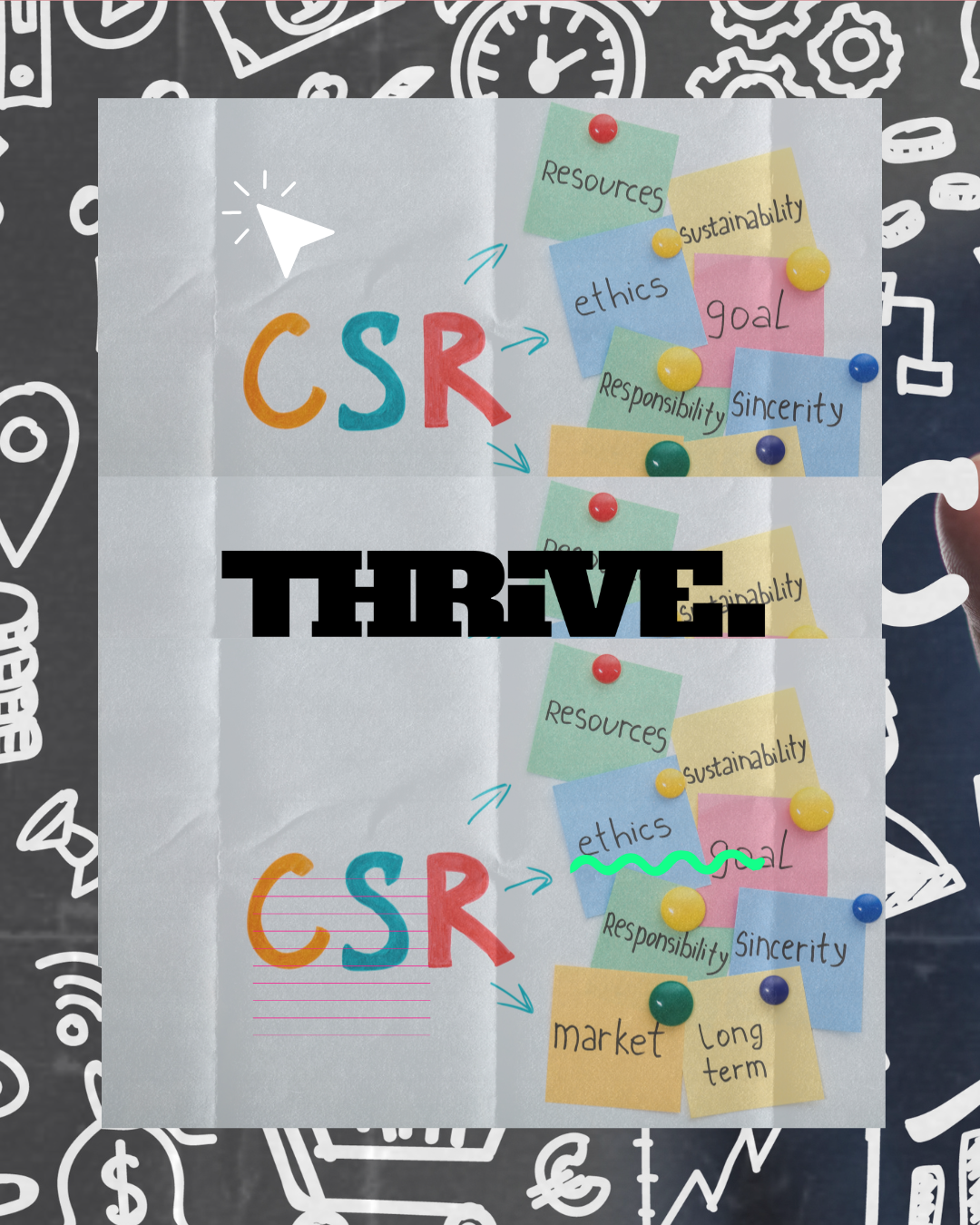
Corporate Social Responsibility is no longer just for big companies. Small and medium-sized businesses are making a real impact through practical, authentic actions that reflect who they are. From supporting sport, culture and charities to rolling up sleeves for environmental projects, consistent CSR builds trust, loyalty and pride. When businesses show up for their community in meaningful ways, those efforts are noticed and often returned.

When you’ve been running your own business for a while, you know what works, and it’s easy to rely on the skills that got you to where you are. Chances are, you’re comfortable doing things in a certain way, and your team knows what to expect from your leadership style.


If you’ve been dreaming of starting your own business, you’re not alone. Data from the UK’s Office for National Statistics (ONS) revealed that the annual number of companies registered is edging closer to the one million mark, that’s up by 75,000 in 2022 which itself was 30,000 higher than in 2021. Whether it's following a passion, aiming for financial independence, or breaking free from the 9-5 grind, every entrepreneurial journey begins with one crucial thing: a solid idea. But coming up with that perfect idea can be tough. This is where brainstorming comes in—it’s the creative springboard that can help you turn your business dreams into reality.

Running a small business is an exciting journey, but without proper bookkeeping, it can quickly become overwhelming. Imagine trying to make critical business decisions without knowing how much money is in your account or being caught off guard by a hefty tax bill because records weren’t kept up to date. Good bookkeeping isn’t just about staying compliant; it’s about gaining control over your business, planning for growth, and avoiding costly mistakes.


Since 2007, Earth Hour has been known as the biggest hour for the planet as millions of people switch their “lights off” as a symbolic action for the environment


In business, we often concentrate on the what and how of an enterprise.

We’ve said it before and it’s only getting louder: AI is reshaping how businesses work. From chatbots and smart analytics to automated content and decision-making tools, AI is helping smaller firms punch well above their weight. But with that power comes responsibility. As AI use grows, so do the risks around data privacy, and under GDPR, getting it wrong can mean serious fines and lasting reputational damage.

Fair recruitment is based on the principle that candidates are judged on their ability to do the job rather than influenced by factors such as an applicant’s gender, religion, ethnicity, or any other quality unrelated to their skills and expertise. As the Founder of Rock Learning and the Co-Founder of the ‘Count me In’ DEIB Conference, I have developed a deep understanding of the topic and how small businesses can implement inclusive hiring practices.