

 Gibraltar Federation of Small Businesses


 Gibraltar Federation of Small Businesses

Forget everything you know about online shopping; eCommerce is changing. New online retail brands like TikTok Shop, Shein, and Temu have seemingly sprung out of nowhere (China) and are shaking the ground beneath the feet of more familiar faces like eBay and Amazon. These new kids on the eCommerce block have set out their stalls primarily on our smartphones and harnessed the power of social influence and gamification to offer deals that look so good that you’d be crazy not to buy.
According to ChannelX, the UK-based eCommerce industry blog, Temu and Shein are flying between 4,000 to 5,000 tons of goods worldwide daily. That’s the equivalent of 100 Boeing 777 freight flights, carrying a lot of low-value impulse purchases and delivering them directly to our homes for less than the cost of a first-class stamp. While there are bargains to be found on these sites, it’s also fair to say there’s a lot of cheap rubbish and products destined for landfill faster than you can say ‘TikTok made me buy it’.
The good news is that conscious consumption is on the rise. Second-hand platforms like Vinted and Back Market are tapping into demand for sustainable alternatives, while smaller retailers offer ethical choices with a community focus. With Gibraltar’s economy closely tied to global retail trends, how we buy matters — for our wallets, our businesses, and the planet.
Rebranding the preloved segment
While every purchase you make online or on the high street will have an environmental impact, there are brands offering a more sustainable choice. A big part of this sustainable eCommerce revolution is the re-imaging of the second-hand market.
The fashion industry is leading the charge, with eCommerce brands like Vinted and Depop successfully rebranding second-hand clothing as pre-loved or vintage. Meanwhile, eBay, with a little help from stars from reality TV’s Love Island, has made second-hand clothing aspirational.
This is having a significant impact on consumers’ buying habits. According to a recent survey by the eCommerce technology company Linnworks, 68% of consumers have made a second-hand purchase in the last year, with 40% of those shoppers buying second-hand clothing. While the cost-of-living crisis is clearly a driving force behind this trend, there is also a growing movement to more sustainable shopping practices, particularly amongst Gen X consumers.
According to Keep Britain Tidy, 10,000 items of clothing are sent to landfill in the UK every five minutes of the day. When you consider the massive scale of the problem, anything that can be done to reduce this incredible waste is essential.
Distressed Inventory
While any efforts to extend the lifespan of clothing through the second-hand market should be applauded, the fashion industry has a more significant problem. In an industry recognised for short sales seasons and high numbers of returns, the industry manages millions of items of overstock and distressed inventory that it cannot or will not sell. Reports suggest that upwards of 40% of clothes made every year go unsold. Sadly, much of this waste material is destined for landfill.
While many traditional retail brands’ business models are not equipped to effectively manage these overstocks, a new breed of online marketplaces has emerged to help liquidate stock and prevent unsold inventory from going to landfills. eCommerce sites like Secret Sales manage overstocks from thousands of European retailers, including many luxury brands.
Alongside the obvious environmental impact sites like Secret Sales aim to redress, they also solve a significant economic problem referencing £140 million worth of stock going to landfills in markets like the UK every year.
Technology and e-waste
But it’s not just the fashion industry embracing a more conscious approach to ecommerce. Technology and consumer electronics is another sector making strides to improve its environmental impact.
Online marketplaces like Back Market and MusicMagpie are promoting second-hand and refurbished tech as an affordable, reliable and sustainable alternative to buying brand new.
They also encourage individuals and corporations to reconsider what they do with their old tech. You might see that old phone in your junk drawer (we’ve all got one) as an insignificant problem. But when you dig a little deeper into how that smartphone was made, it really makes you think.
Back Market offers a compelling reason to consider recycling old devices and buying refurbished tech by highlighting the environmental impact of manufacturing a new smartphone. This process includes the excavation of 246 kg of raw materials, 89,000 litres of fresh water, and 84 kg of CO2e (the equivalent of 600 miles of driving).
Gibraltar Opportunity
The data used for this article largely references UK trends and information, but this doesn’t mean that Gibraltar can bury its head in the sand and think these challenges don’t exist here. There are problems to solve when it comes to handling e-waste and unsold inventory, but there could be opportunities too. Could there be space for local versions of Backmarket, Vinted and Wallapop? It has certainly worked for the food delivery sector…
While global e-commerce giants like Amazon, Shein and Temu dominate online shopping, there’s an ethical alternative much closer to home – the small businesses. In a world where sustainability is becoming more than just a buzzword, supporting local enterprises offers a more environmentally conscious option. Our homegrown retailers also bring a personal touch and accountability to their practices, ensuring that every purchase supports a business committed to ethical standards, quality, and the local economy. In doing so, we not only make more responsible consumer choices but also contribute to strengthening our community.


When stakeholder conversations become difficult, most organisations focus on communication. Kerstin Andlaw argues the real issue runs deeper. It is not what we say, but how we stay in the relationship when pressure rises. In complex environments, the ability to work with tension, not avoid it, is what separates transactional engagement from true collaboration.

Stepping into a leadership role can be exciting. It’s a chance to shape the future and lead a team to success. But with a leadership role comes a new level of responsibility. You’re suddenly the person others look to for direction and answers, and it’s your role to create a workplace where they can thrive - while also being accountable for their work. And that isn’t always an easy balancing act. Leadership is a learning curve - an eternal one at that. By focusing on a few key behaviours and techniques, you can set yourself on the right path to lead well, build a great high performing team and help your business grow.

During a recent and very long overdue catch up with my friend Trina, I had one of those ‘Aha moments’. To be fair, as someone who spends a lot of time interviewing experts, these moments happen to me a lot, but this one was different. In the 20 years Trina and I have been friends, she’s developed marketing strategies for global brands including Coca Cola, Virgin Atlantic, Nestlé and IKEA . Impressive stuff, but it’s what she’s working on now that really got me thinking…Taking inspiration from the military and politics, Trina and her business partners set up The Competitive Wargaming Team and now deliver secret, scenario-based ‘corporate war rooms’ for senior leaders designed to predict and outmaneuver competitor moves.
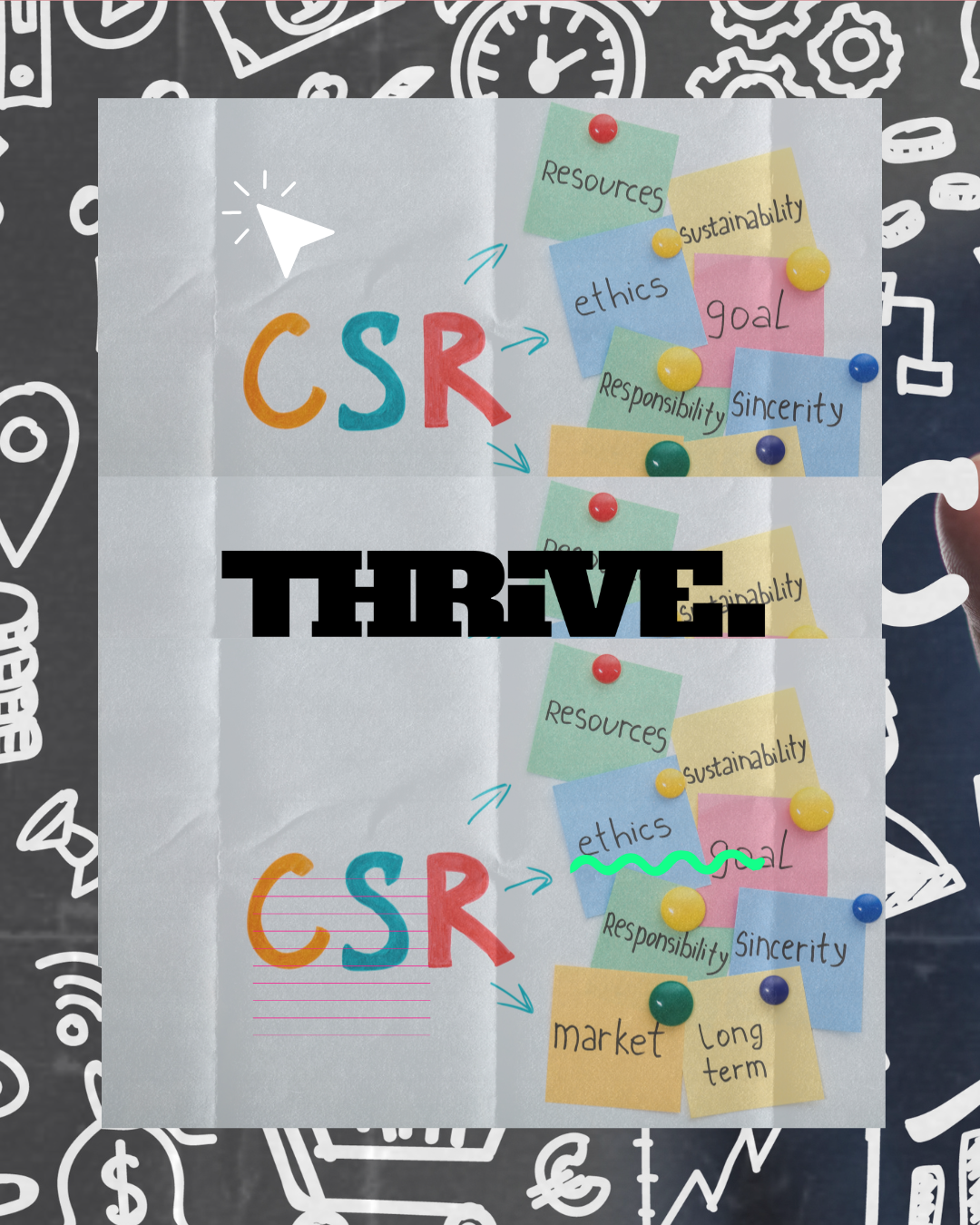
Corporate Social Responsibility is no longer just for big companies. Small and medium-sized businesses are making a real impact through practical, authentic actions that reflect who they are. From supporting sport, culture and charities to rolling up sleeves for environmental projects, consistent CSR builds trust, loyalty and pride. When businesses show up for their community in meaningful ways, those efforts are noticed and often returned.

Whilst Brexit hasn’t exactly been a positive event, we can’t deny that it’s also been the catalyst for diversification and change. It was a true ‘before and after’ moment that made businesses rethink their strategies and, in many cases, change their direction of travel. Gibraltar’s newest bank, justbank, is born from this process. As well as heralding the arrival of a new bank, this fresh start gave the team at IDT Finance the opportunity to create innovative and tailored banking solutions from the ground up. I met with Managing Director, Damian Asquez, and Head of Corporate Banking, Nikolai Gafan, to find out more.


In an increasingly digital work environment where we have more emails, WhatsApp messages & interruptions than ever before, many business leaders started looking at ways of alleviating the stress that comes with this increased workload. Relaxing the dress code and letting your team dress down and wear in more casual clothing is one way of doing this….Or is it?

Starting and running a small business is rewarding but comes with its fair share of challenges. The path of entrepreneurship is often characterised by immense dedication, long hours, and tough decisions. As a small business owner, you're not just responsible for the operations and growth of your company and team, but also for your own wellbeing.

One of the most dangerous things anyone can say in business is, "We've always done it this way." This phrase doesn't age well and puts businesses at risk. "We've always done it this way" can quickly look like "flogging a dead horse." This doesn't always mean that businesses need to change everything. Some things, like great service, never go out of fashion. But when sales start to slow down, it's always a good idea to consider taking a new approach. Rebranding a product, service, or entire enterprise can be part of this process. But rebranding should never be taken lightly.

When you’ve been running your own business for a while, you know what works, and it’s easy to rely on the skills that got you to where you are. Chances are, you’re comfortable doing things in a certain way, and your team knows what to expect from your leadership style.


Since 2007, Earth Hour has been known as the biggest hour for the planet as millions of people switch their “lights off” as a symbolic action for the environment

Over the past few years, I’ve noticed the same logo cropping up more and more often. On coffee cups. On consultancy websites. In email signatures and pitch decks. The familiar B Corp badge, quietly signalling that a business is trying to do things differently. With our horizons widening post-treaty, could this globally-relevant badge could become a way of promoting your CSR values to an international market?

Imposter syndrome is a psychological behaviour where individuals, including many high achievers, struggle with persistent feelings of self-doubt, inadequacy, or the fear of being exposed as a fraud. Despite their achievements, those experiencing imposter syndrome believe they are undeserving of their success or worry that they've misled others into overestimating their abilities.

Who doesn’t love a good office gossip? Hushed conversations by the coffee machine, knowing glances across the office, colleagues who "just thought you should know" – it’s all just harmless banter, right? Not quite. While gossip might seem like an inevitable part of office life, the reality is much less entertaining. Workplace backbiting can destroy trust, drain morale, and impact team productivity. Few people understand this better than Norwegian psychotherapist Glenn Rolfsen. With over two decades of experience in psychotherapy, Glenn has dedicated his career to helping businesses tackle workplace negativity head-on. His innovative "Gozzip" method has been transforming office cultures worldwide, earning him recognition at TEDx talks and WHO conferences.

Gibraltar has long been home to many international businesses. Gaming giants, UK-based insurance companies and far-flung fintech firms are all drawn here thanks to our strategic location and business-friendly environment. Carl Clavering moved his insurance business to Gibraltar, and it’s safe to say, it’s transformed his life. When I caught up with Carl, it was clear that his decision to relocate wasn't just about tax advantages or access to the UK market —it was about finding a place that felt like home, both for his business and his family.


Success doesn’t just happen; it’s built on a strong foundation of preparation, clarity, and taking consistent action. Whether you’re launching a new business, taking your current side-hustle full-time, or looking to scale in a competitive market, having the right plan in place is essential.

Running a small business is an exciting journey, but without proper bookkeeping, it can quickly become overwhelming. Imagine trying to make critical business decisions without knowing how much money is in your account or being caught off guard by a hefty tax bill because records weren’t kept up to date. Good bookkeeping isn’t just about staying compliant; it’s about gaining control over your business, planning for growth, and avoiding costly mistakes.


If you’ve been dreaming of starting your own business, you’re not alone. Data from the UK’s Office for National Statistics (ONS) revealed that the annual number of companies registered is edging closer to the one million mark, that’s up by 75,000 in 2022 which itself was 30,000 higher than in 2021. Whether it's following a passion, aiming for financial independence, or breaking free from the 9-5 grind, every entrepreneurial journey begins with one crucial thing: a solid idea. But coming up with that perfect idea can be tough. This is where brainstorming comes in—it’s the creative springboard that can help you turn your business dreams into reality.

Last month marked eight years since the UK voted to leave the European Union. I remember the exact moment I read the headline ‘UK Votes to Leave the EU’ on my phone and the feeling of shock that started to set in. My first thought was, “Er, now what?” Little did I know I would still be asking that question eight years later… Eight years of uncertainty, negotiations, grace periods, frameworks, and meticulously crafted non-statements. But still no solution.

Technology is having a major effect on every aspect of our lives, and the retail environment is not immune to these changes. Not only has online shopping revolutionised the way we think about buying and consuming, but it has also dramatically changed how we shop in physical stores.

In an age where small businesses must adapt to stay in business, outsourcing has long been a way to enhance efficiency and streamline operations. Derived from the simple philosophy of delegating certain non-core tasks to external experts, outsourcing allows businesses to concentrate on their primary objectives and strengths. For the uninitiated, it's about seeking external expertise for tasks outside your comfort zone, skills base or business's main expertise.