


 Gibraltar Federation of Small Businesses


 Gibraltar Federation of Small Businesses

Words by Katie Buller
You have a brilliant idea. You can picture the logo, the customers, maybe even the first sale. But without a clear plan for how to get there, the idea risks staying exactly that – an idea.
Starting a business without a plan is like setting off on a trip with no map. You might eventually arrive somewhere, but it is unlikely to be where you hoped. A business plan is not just paperwork. When written with care, it is a roadmap that guides every decision, a pitch that wins support, and a source of confidence on the days when challenges mount.
Eran from Benefit Business Solutions puts it well: “For my business, the plan isn’t just a document we wrote and filed away. It’s the compass we use to navigate the unpredictable waters of international markets. When things get busy, it keeps us anchored to our original vision and reminds us of our targets.”
What is a Business Plan?
A business plan sets out your goals and the steps you will take to reach them. It turns vague ideas into something tangible, forcing clarity on how you will operate, who you will serve, and how you will measure success.
As Toby from Artimus Business Services explains: “A clear and realistic business plan is essential. It keeps you focused, helps you spot problems early, and shows others, like banks or investors, that you’re serious and capable.”
Plans can be written for different purposes. An internal plan is practical, focused on daily operations and decision-making. An external plan, for banks or investors, needs to be persuasive, with more detail and evidence. The structure is similar, but the tone will shift depending on the audience.
Who’s it really for?
Think about your audience before you begin.
What to Include
A strong plan usually covers these essentials:
Executive Summary
One or two pages that capture who you are, what you do, why it matters, and how you stand out. Many readers will only scan this section, so make it count.
Business Overview
A fuller description of your company. Include structure, location, history, and mission.
Market Analysis
Show you understand your sector. Identify your target market, customer profile, competitors, and trends. This is where you prove there is real demand.
Products or Services
Explain what you sell, how it solves a problem, and why customers will choose you. Include your pricing strategy and how you plan to stay competitive.
Operations Plan
Set out how things will run day to day. Who are your suppliers? How will you deliver your product or service? This is where ideas turn into practical steps.
Financial Plan
Revenue forecasts, profit and loss projections, and cash flow statements. Be honest, even cautious. Toby suggests showing a range of scenarios – best case, median, and worst – to demonstrate that you have thought about challenges as well as opportunities.
Sections That Add Impact
Beyond the basics, consider including:
Tips for Writing
Eran says: “It’s what helps us stay proactive instead of reactive, ensuring every step we take is a purposeful one towards achieving the performance we envisioned.”
Finally…
A business plan is not a one-off task. It is a living guide that grows with you. Writing it will sharpen your ideas, highlight opportunities, and flag risks before they become problems.
There is no such thing as a perfect plan, so do not wait. Start with what you know, get it down on paper, and refine as you go. The important thing is to have a compass that keeps you moving forward with clarity and confidence.


In business, we often concentrate on the what and how of an enterprise.

When it comes to ideation in business, there’s no one-size-fits-all approach. Every business, team, and leader has their own way of generating and refining ideas. Whether it’s through structured brainstorming sessions, casual conversations, or solo reflection, the goal is to unlock creativity and find solutions. We’ve asked four GFSB members to share how they approach ideation in their fields. As you read, think about how you generate ideas and remember that sometimes, the best results come from trying something new.

Building a personal brand isn't just about showcasing your professional accomplishments; it's about weaving your unique narrative, passions, and values into a cohesive identity that resonates with others. Here's how you can bring your personal brand to life, with practical examples to guide you at every step.

Starting and running a small business is rewarding but comes with its fair share of challenges. The path of entrepreneurship is often characterised by immense dedication, long hours, and tough decisions. As a small business owner, you're not just responsible for the operations and growth of your company and team, but also for your own wellbeing.

We recently provided a large local organisation with their uniforms. Once the order was delivered, I felt compelled to send them guidelines on how to take care of their uniform. Spending money on clothes and footwear is not a guarantee on making the right impression, either to yourself, nor anyone else- it’s attention to detail that seals the deal.

Whether you’re an ebook tapper or traditional page turner, there are thousands of books that can make you better at business. Áine Panter, Head of the School of Business at the University of Gibraltar has curated a list of must-reads that will inspire, inform, and equip you for success.

AI is poised to reshape the legal profession, with 31% of law firm leaders predicting major disruption by 2025. Scott Simmons explores how AI could improve client outcomes, streamline workflows, and drive value. Whether you’re cautious or curious, it’s time to explore AI’s potential.

Artificial Intelligence promises unprecedented opportunities for small business owners in Gibraltar. As the digital landscape faces constant evolution, understanding AI becomes not just beneficial but essential for businesses aiming to thrive in 2024. In this article, we aim to demystify the complexities surrounding AI, offering an approachable guide to its fundamentals, history, and practical applications for businesses, providing you with the knowledge to embrace this technology confidently.

Over the past 18 years, I've had the privilege of working with a diverse range of businesses and industries, gaining insights into the challenges they face in implementing effective diversity and inclusion strategies. Often, DEI&B is viewed as a 'nice to have' rather than an essential component of business success. With this in mind, I'm excited to share valuable insights and practical steps to help you create environments where everyone can thrive. You've probably heard of DEI&B, but what do these letters really mean, and why do they matter for you and your organisation? Diversity includes differences like race, gender, age, neurodiversity, disability, LGBTQ+, culture, and more; Equity ensures equal opportunities for all; Inclusion values everyone's contributions; and Belonging means individuals feel accepted and integral to the organisation.

Over the past few years, I’ve noticed the same logo cropping up more and more often. On coffee cups. On consultancy websites. In email signatures and pitch decks. The familiar B Corp badge, quietly signalling that a business is trying to do things differently. With our horizons widening post-treaty, could this globally-relevant badge could become a way of promoting your CSR values to an international market?

There’s something slightly uncomfortable about sending a contract to a client when you run a small business. Especially in Gibraltar, where relationships matter and business often begins with a conversation over un cafelito rather than a legal document. When you know someone personally, or you’ve been introduced by a mutual contact, it can feel unnecessary to formalise everything. You tell yourself that an email thread is enough. Or that you’ll sort the paperwork later. I used to think like that. Over time, and through a few situations that were more stressful than they needed to be, I’ve realised that putting things in writing isn’t about distrust. It’s about creating guardrails for growth. The clearer the boundaries, the freer you are to focus on doing good work.

Running a small business is an exciting journey, but without proper bookkeeping, it can quickly become overwhelming. Imagine trying to make critical business decisions without knowing how much money is in your account or being caught off guard by a hefty tax bill because records weren’t kept up to date. Good bookkeeping isn’t just about staying compliant; it’s about gaining control over your business, planning for growth, and avoiding costly mistakes.

One of the most dangerous things anyone can say in business is, "We've always done it this way." This phrase doesn't age well and puts businesses at risk. "We've always done it this way" can quickly look like "flogging a dead horse." This doesn't always mean that businesses need to change everything. Some things, like great service, never go out of fashion. But when sales start to slow down, it's always a good idea to consider taking a new approach. Rebranding a product, service, or entire enterprise can be part of this process. But rebranding should never be taken lightly.

Two decades is a long time for any business - with all the strife that businesses large and small have had to endure these past four years, it seems that anxiety among business owners has never been higher. I recently had the pleasure of chatting with Garren Thompson, co-owner and co-founder of Gibraltar hair & beauty salon Miss Shapes, based on Bishop Rapallo’s Ramp. As the business recently hit the 20-year milestone, we discussed the highs and lows of creating a successful salon in a saturated market, how he and his team created their new range of Miss Shapes branded Hair & Beauty products and how this will help build success for another 20 years.

We all have bad days, right? In business, that can mean we don’t bring our A-game to work and perhaps our service slips. Maybe a dish takes too long to reach a table or a staff member sounds distracted at the till. This could lead to negative Google Reviews or on ‘that’ Facebook group that […]
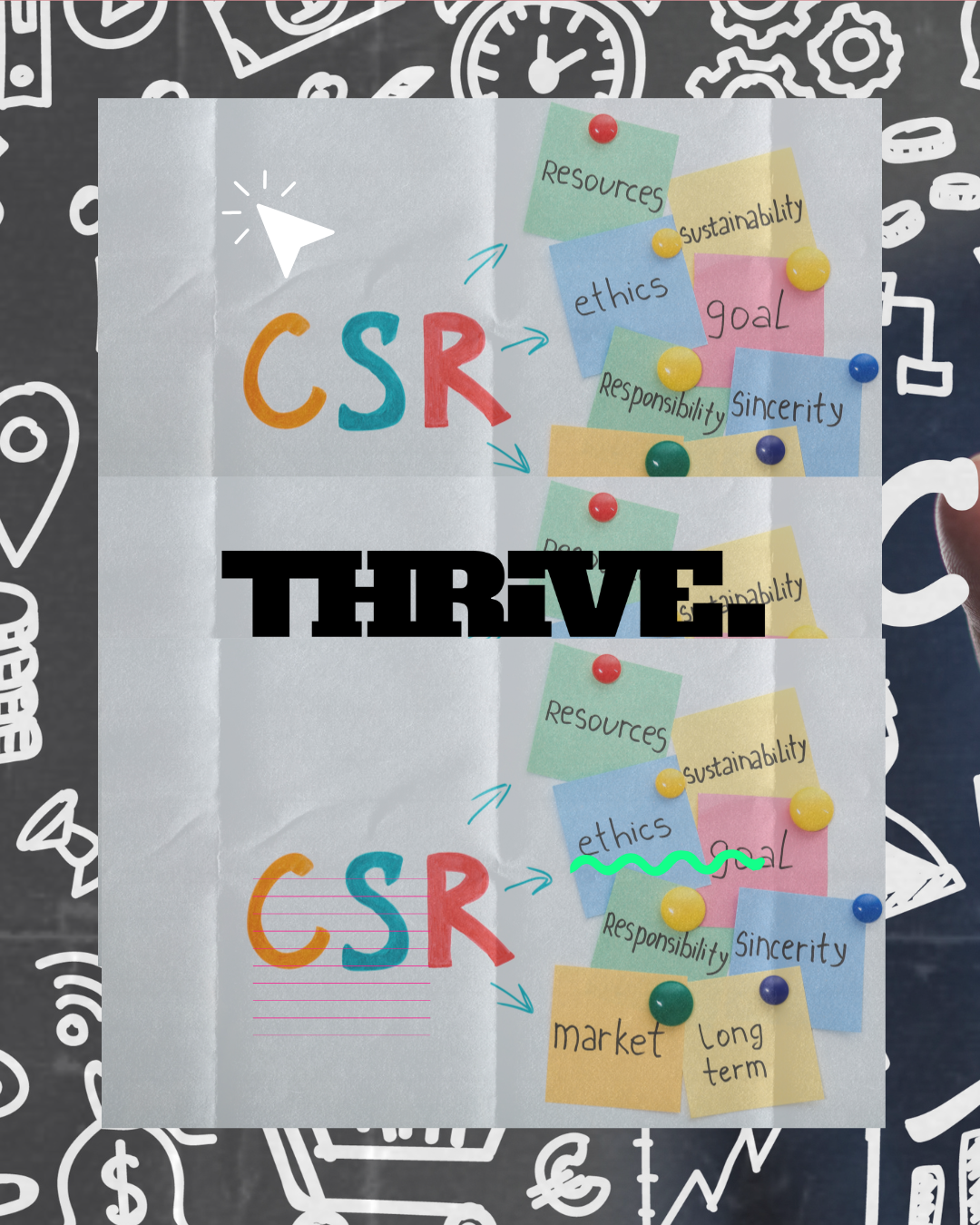
Corporate Social Responsibility is no longer just for big companies. Small and medium-sized businesses are making a real impact through practical, authentic actions that reflect who they are. From supporting sport, culture and charities to rolling up sleeves for environmental projects, consistent CSR builds trust, loyalty and pride. When businesses show up for their community in meaningful ways, those efforts are noticed and often returned.

When you’ve been running your own business for a while, you know what works, and it’s easy to rely on the skills that got you to where you are. Chances are, you’re comfortable doing things in a certain way, and your team knows what to expect from your leadership style.

Mental health issues affect us all. How we manage our daily stresses and anxieties have an impact on our relationships, how we perform in our job and the workplace environment, and our outlook on life. Becoming self-aware of what affects us, managing how we respond to triggers and using tools to help us work through them, are all part of our journey towards MENTAL FITNESS, which is how we should be positively defining it.

Who doesn’t love a good office gossip? Hushed conversations by the coffee machine, knowing glances across the office, colleagues who "just thought you should know" – it’s all just harmless banter, right? Not quite. While gossip might seem like an inevitable part of office life, the reality is much less entertaining. Workplace backbiting can destroy trust, drain morale, and impact team productivity. Few people understand this better than Norwegian psychotherapist Glenn Rolfsen. With over two decades of experience in psychotherapy, Glenn has dedicated his career to helping businesses tackle workplace negativity head-on. His innovative "Gozzip" method has been transforming office cultures worldwide, earning him recognition at TEDx talks and WHO conferences.

Raju Purswani examines Ted Baker’s fall, sharing sharp lessons for entrepreneurs: stay true to your brand, beware of overhauls that alienate customers, and balance growth with identity. A cautionary tale with insights every business can learn from.
