


 Gibraltar Federation of Small Businesses


 Gibraltar Federation of Small Businesses

We are all living in uncertain times—perhaps none more so than the businesses community operating in Gibraltar. Like everyone else, local business owners have had to navigate a relentless series of challenges since the start of the decade with challenges at the border frequently cited by local businesses as their number one pain point.
While resolving post-Brexit cross-border issues is beyond the scope of this correspondent, there are practical steps business owners can take to mitigate and manage the challenges of this uncertainty.
Focus on the Things You Can Control
It’s natural to feel overwhelmed by situations beyond your control. However, fixating too much on the past or making rigid plans for an uncertain future can be counterproductive. Instead, focus on the aspects of your business that you can directly influence. Start by evaluating your internal operations and financial health. Review your cash flow, trim unnecessary expenses, and ensure your pricing strategies align with current market conditions. This focus on controllable aspects will empower you and your business.
Once you have stabilised your operations, strengthen your relationships with the customers within your reach. Prioritising customer service and personalised communication will help foster loyalty, safeguarding your cash flow and resources.
Maintain Lines of Communication
The last thing any business should do during uncertain times is go silent. Silence won’t attract new customers and may even prompt existing clients to turn to more vocal competitors. Some small businesses worry that being proactive on social media or through email marketing might appear desperate. They are wrong.
Consistent communication demonstrates resilience and commitment, reinforcing your brand’s presence during challenging periods. By staying visible, you remind your audience of your value and position yourself as a reliable and trustworthy choice when stability returns.
Communicate Uncertainty
Burying your head in the sand won’t make problems disappear. If you face significant challenges in maintaining business relationships due to factors beyond your control, be upfront with your clients. As entrepreneurs, we’re all in the business of solving problems. This doesn’t mean you have all the answers, but sharing concerns early can create opportunities for loyal business partners and customers to collaborate on alternative solutions. This transparent communication will reassure your clients and strengthen your relationships.
Early communication ensures relationships are preserved. Even if challenges remain unresolved and cooperation isn’t immediately feasible, this approach can keep relationships intact, paving the way for future opportunities or referrals.
Build Relationships
People buy from those they like and trust. The best way to build trust is through real-world interactions. If your business operates primarily in Gibraltar, you’re fortunate. Organisations like the GFSB regularly host educational and networking events that are just a short walk from your home or office. Make the effort to attend and be seen.
For businesses on the global stage, it’s crucial to have a presence at international conferences and trade shows. This doesn’t mean you need to spend heavily on exhibiting. Often, a modest budget for client meetings, combined with effective social media outreach and phone calls before an event, can work wonders.
Diversify Revenue Streams
Relying heavily on a single market, product, or client can leave your business vulnerable during uncertain times. Explore ways to diversify your revenue streams to mitigate risk. This might involve expanding into new markets, offering complementary products or services, or forming partnerships with other businesses to create joint offerings. Diversification not only provides additional income sources but also strengthens your resilience against unforeseen challenges.
Invest in Employee Morale and Training
Your employees are the backbone of your business, particularly during difficult times. Ensuring they feel valued and supported can boost both morale and productivity. Maintain open lines of communication with your team, provide training opportunities to enhance their skills, and consider flexible working arrangements where feasible. A motivated and well-prepared team is better equipped to adapt to changes and contribute innovative solutions.
It’s important to remember that your employees may have invaluable ideas that could help your business develop new strategies during periods of uncertainty. Creating opportunities for them to share these ideas and rewarding those that prove successful is always a wise approach. Keep in mind, there’s no such thing as a bad idea – although some will inevitably be better than others. If you’re unsure about an idea, investing a small amount of resources to test it before fully rolling it out can help you determine what works best for your business.
Leverage Technology and Digital Tools
Uncertain times often demand creative solutions, and technology can be a powerful ally. Invest in tools that improve efficiency, such as project management software, customer relationship management (CRM) systems, or automation for repetitive tasks. Strengthen your digital presence by optimising your website, refining your social media strategy, and exploring e-commerce options where relevant. Leveraging technology helps keep your business agile and competitive in a rapidly changing landscape.
Know When to Cut Your Losses
Sometimes, the best course of action is to let go of initiatives, products, or markets that are no longer viable. While it’s difficult to abandon projects that have consumed time and resources, clinging to unprofitable ventures can further strain your business. Regularly assess your operations, identify underperforming areas, and take decisive action. Redirecting energy and resources towards more promising opportunities can help safeguard your business’s future.
Look After Yourself and Prioritise Mental Health
Running a business during uncertain times can take a significant toll on your mental health. It’s crucial to prioritise your well-being to ensure you can lead effectively. Start by setting boundaries to maintain a healthy work-life balance. Taking regular breaks, engaging in physical activity, and spending time with family and friends can help reduce stress and improve your overall mindset.
Consider seeking support when needed, whether from a mentor, peer group, or professional counsellor. Talking about your challenges can provide perspective and guidance, making them feel more manageable. Practising mindfulness or meditation can also help you stay grounded and focused amidst the chaos. Remember, your business can’t thrive if you’re burnt out—looking after yourself is not just self-care; it’s a smart business strategy.
An Opportunity for Growth?
The challenges of uncertainty may feel demoralising, but they also present opportunities for growth and resilience. By focusing on what you can control, maintaining open communication, networking, diversifying revenue streams, investing in your employees, leveraging technology, and knowing when to cut your losses, your business can not only survive but thrive in uncertain times.
Remember: Resilience isn’t about avoiding challenges—it’s about adapting and emerging stronger on the other side.


The world of work is undergoing a significant transformation, driven by the accelerating capabilities of Generative AI. While robots taking over our jobs might be a sci-fi trope, AI’s ability to learn, create, and automate tasks is undeniably impacting various industries. Generative AI is the umbrella term used to describe the type of AI that can create new content and ideas. This can include text, images, music, code and other types of content. We are now seeing how powerful this tool can be. But is this a threat or a powerful tool waiting to be harnessed? We set out to find out, what does the use of Generative AI look like in Gibraltar?

We recently provided a large local organisation with their uniforms. Once the order was delivered, I felt compelled to send them guidelines on how to take care of their uniform. Spending money on clothes and footwear is not a guarantee on making the right impression, either to yourself, nor anyone else- it’s attention to detail that seals the deal.

When you’ve been running your own business for a while, you know what works, and it’s easy to rely on the skills that got you to where you are. Chances are, you’re comfortable doing things in a certain way, and your team knows what to expect from your leadership style.
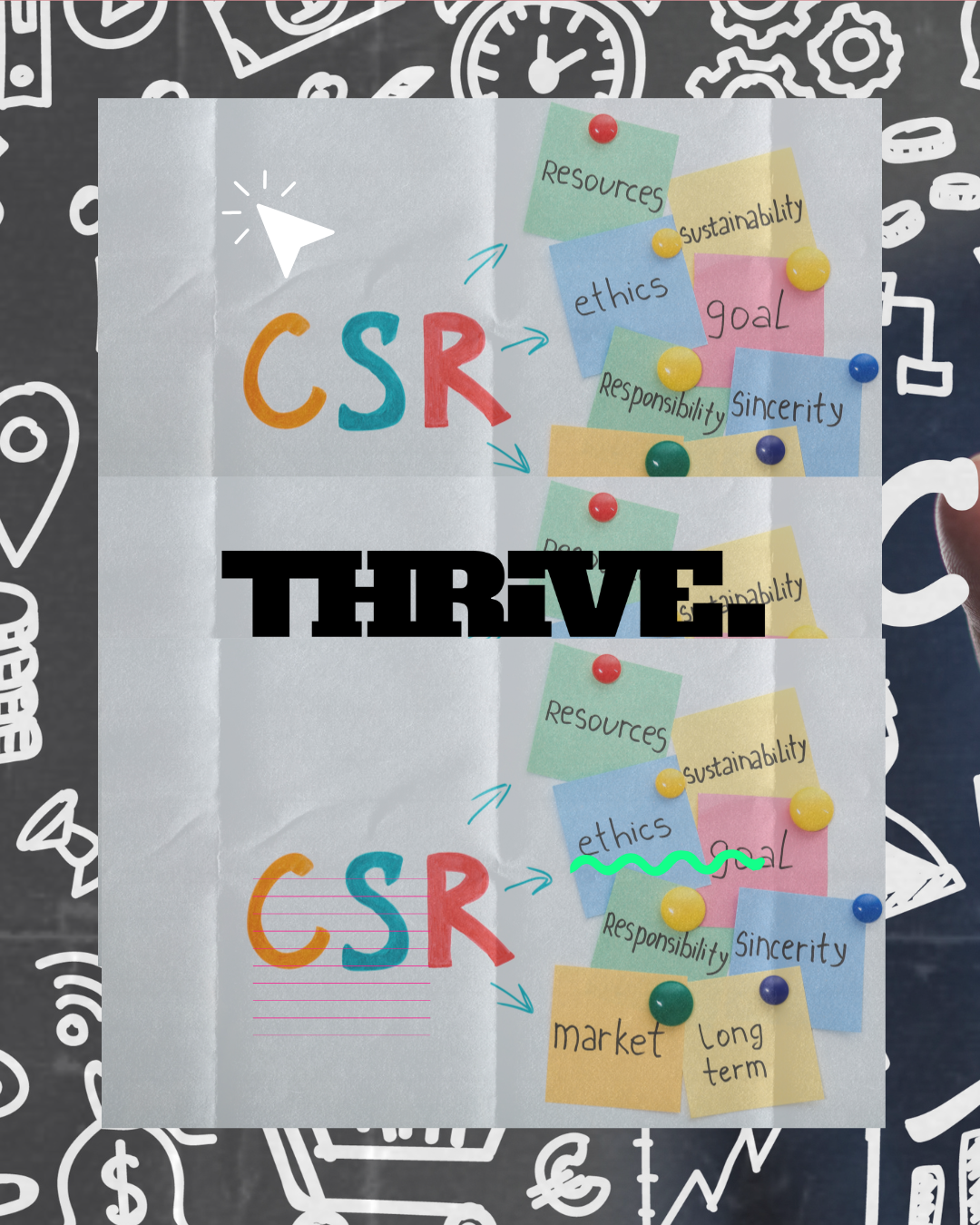
Corporate Social Responsibility is no longer just for big companies. Small and medium-sized businesses are making a real impact through practical, authentic actions that reflect who they are. From supporting sport, culture and charities to rolling up sleeves for environmental projects, consistent CSR builds trust, loyalty and pride. When businesses show up for their community in meaningful ways, those efforts are noticed and often returned.

Stepping into a leadership role can be exciting. It’s a chance to shape the future and lead a team to success. But with a leadership role comes a new level of responsibility. You’re suddenly the person others look to for direction and answers, and it’s your role to create a workplace where they can thrive - while also being accountable for their work. And that isn’t always an easy balancing act. Leadership is a learning curve - an eternal one at that. By focusing on a few key behaviours and techniques, you can set yourself on the right path to lead well, build a great high performing team and help your business grow.

Running a small business is an exciting journey, but without proper bookkeeping, it can quickly become overwhelming. Imagine trying to make critical business decisions without knowing how much money is in your account or being caught off guard by a hefty tax bill because records weren’t kept up to date. Good bookkeeping isn’t just about staying compliant; it’s about gaining control over your business, planning for growth, and avoiding costly mistakes.

Love is big business. According to official statistics, 1,745 weddings took place in Gibraltar in 2021 followed by another 1,761 weddings in 2022 and a further 1640 in 2023. That’s around 33 weddings each week or 6 every single day. With an estimated population of around 33,000, it’s safe to say that, no, we aren’t all marrying each other, but that Gibraltar is a very popular place for many people to come and say ‘I do’. In fact, in all three years, non-residents outnumbered residents by an average of 90% to 10%. The stats point to a healthy wedding sector, one that our Minister for Tourism, Christian Santos is keen to develop. In an interview with the Gibraltar Chronicle he recently said he wanted; “Gibraltar to be the Las Vegas of Europe” when it comes to weddings. Unlike Vegas, we don’t have Elvis. But we do have John. Music legend John Lennon famously married Yoko Ono here in 1969 and put the Rock on the map for ‘Fast Track’ weddings. If music’s not your thing, acting legend Sean Connery (AKA James Bond) also tied the knot here (twice)!


In an increasingly digital work environment where we have more emails, WhatsApp messages & interruptions than ever before, many business leaders started looking at ways of alleviating the stress that comes with this increased workload. Relaxing the dress code and letting your team dress down and wear in more casual clothing is one way of doing this….Or is it?

Whilst Brexit hasn’t exactly been a positive event, we can’t deny that it’s also been the catalyst for diversification and change. It was a true ‘before and after’ moment that made businesses rethink their strategies and, in many cases, change their direction of travel. Gibraltar’s newest bank, justbank, is born from this process. As well as heralding the arrival of a new bank, this fresh start gave the team at IDT Finance the opportunity to create innovative and tailored banking solutions from the ground up. I met with Managing Director, Damian Asquez, and Head of Corporate Banking, Nikolai Gafan, to find out more.

Raju Purswani examines Ted Baker’s fall, sharing sharp lessons for entrepreneurs: stay true to your brand, beware of overhauls that alienate customers, and balance growth with identity. A cautionary tale with insights every business can learn from.

Who doesn’t love a good office gossip? Hushed conversations by the coffee machine, knowing glances across the office, colleagues who "just thought you should know" – it’s all just harmless banter, right? Not quite. While gossip might seem like an inevitable part of office life, the reality is much less entertaining. Workplace backbiting can destroy trust, drain morale, and impact team productivity. Few people understand this better than Norwegian psychotherapist Glenn Rolfsen. With over two decades of experience in psychotherapy, Glenn has dedicated his career to helping businesses tackle workplace negativity head-on. His innovative "Gozzip" method has been transforming office cultures worldwide, earning him recognition at TEDx talks and WHO conferences.

From the increasing influence of AI to the rise of social commerce and sustainability-driven consumer demand, the key to success lies in adapting strategically rather than chasing every new trend. This guide breaks down the most impactful trends for the year ahead—offering insights on how to integrate them into your business without losing sight of what already works. Smart adaptation, not blind reinvention, is the name of the game. Here's what to expect and how to make it work for you.

Finding someone who listens, understands, and guides you can make all the difference. For women in Gibraltar, the Women’s Mentorship Programme offers just that – honest conversations and valuable support from people with lived experience who understand. Now in its sixth cycle, the programme pairs women with mentors to help them navigate work, life, and everything in between. Ok, full disclosure: as a recently appointed mentor, that last sentence somewhat triggers the old imposter syndrome and self-doubt, but I am honoured to be part of this scheme and look forward to doing my very best in the months ahead.

After teaching in schools for 18 years I decided to take the plunge and embark on a self-employed life. Driven by my passion for teaching children with special educational needs I set out to discover alternative ways to make education accessible to all. My vision was to have the individual in mind, with their own strengths and challenges, and with that came the birth of ‘edYOUcation Clare Francis’; bringing the YOU into learning.

In an age where small businesses must adapt to stay in business, outsourcing has long been a way to enhance efficiency and streamline operations. Derived from the simple philosophy of delegating certain non-core tasks to external experts, outsourcing allows businesses to concentrate on their primary objectives and strengths. For the uninitiated, it's about seeking external expertise for tasks outside your comfort zone, skills base or business's main expertise.

Whether you’re building a business from the ground up or hoping to grow an existing operation, having a strong business development strategy is the foundation of success. But real, sustainable growth doesn’t come from chasing the next big thing, it comes from getting the essentials right. So, what are the fundamentals you can’t afford to ignore? In my view, this starts with something I call the “Holy Trinity” of small business marketing...

Over the past 18 years, I've had the privilege of working with a diverse range of businesses and industries, gaining insights into the challenges they face in implementing effective diversity and inclusion strategies. Often, DEI&B is viewed as a 'nice to have' rather than an essential component of business success. With this in mind, I'm excited to share valuable insights and practical steps to help you create environments where everyone can thrive. You've probably heard of DEI&B, but what do these letters really mean, and why do they matter for you and your organisation? Diversity includes differences like race, gender, age, neurodiversity, disability, LGBTQ+, culture, and more; Equity ensures equal opportunities for all; Inclusion values everyone's contributions; and Belonging means individuals feel accepted and integral to the organisation.

My name is John Hayes, and I'm a really busy guy. Busy procrastinating most of the time. You wouldn't believe how many unessential tasks I had to complete before sitting down and writing this article. Those sales reports and emails don't check themselves. Yep, I've been busy. Busy doing nothing. We've all had one of those days where we feel like we've been incredibly "busy" - but can't quite put our finger on what we actually accomplished. Maybe we spent three hours answering emails, another two fiddling with a spreadsheet no one asked for, and another hour in a meeting that could have been an email or WhatsApp message. At the end of it all, the to-do list somehow got longer, not shorter.

When you’re a small business, staying one step ahead of the competition is essential. Yet, many small business owners grapple with the decision to invest in employee training and development. With limited resources and immediate financial pressures, it can unintentionally get pushed to the bottom of the priority list. However, investing in your team’s learning and development is a strategic move that can yield significant returns.


Welcome to the fifth edition of Thrive magazine. Too often the narrative around business focuses on success and, in my view, we forget to talk about failure. That’s why we lead this edition with EPIC FAILS by Katie Buller—because understanding what doesn’t work is just as important as what does.