
 Gibraltar Federation of Small Businesses


 Gibraltar Federation of Small Businesses

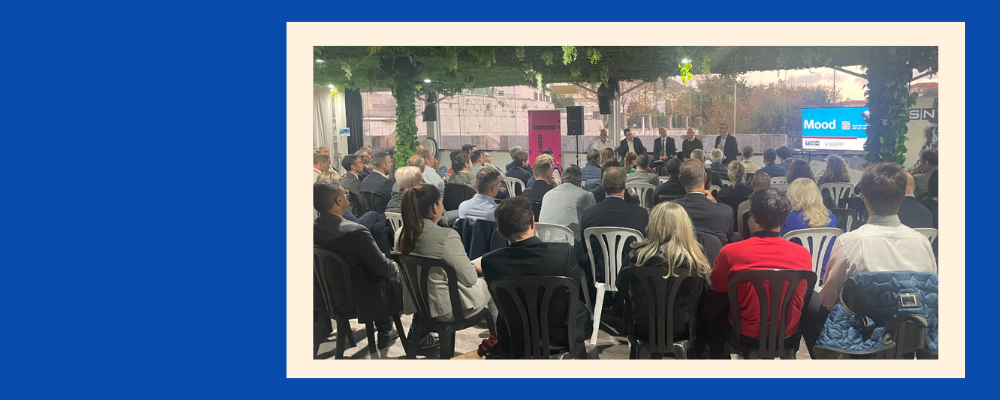
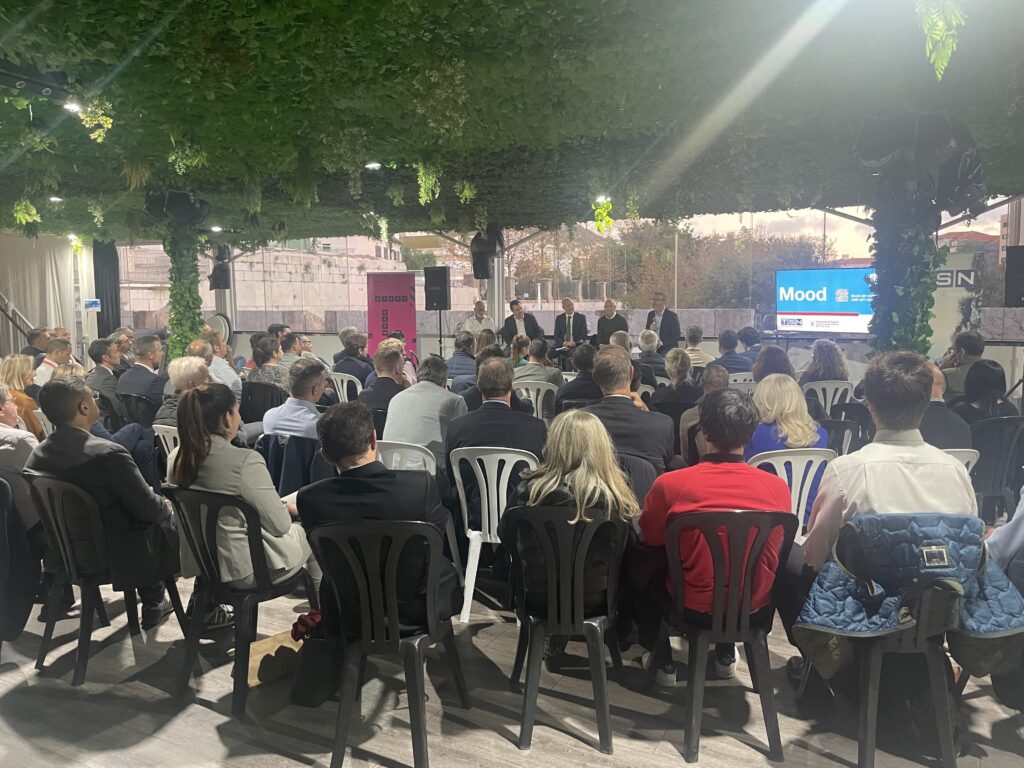
Thank you to everyone who attended yesterday’s packed-out Brexit Agreement Town Hall meeting. GFSB Chairperson Owen Smith welcomed everyone, kicked off the discussion, and emphasised that the meeting aimed not to provide concrete answers but to hold space for views and concerns on the current status of the Brexit agreement negotiations. Joining Owen at the front of the room were Louis Montegriffo (BMI Group), Lloyd DeVincenzi (Appleton Luff International Lawyers), Brian Reyes (Gibraltar Chronicle) and Jimmy Coelho (AbeGon), each of who brought their own experiences to the discussion.
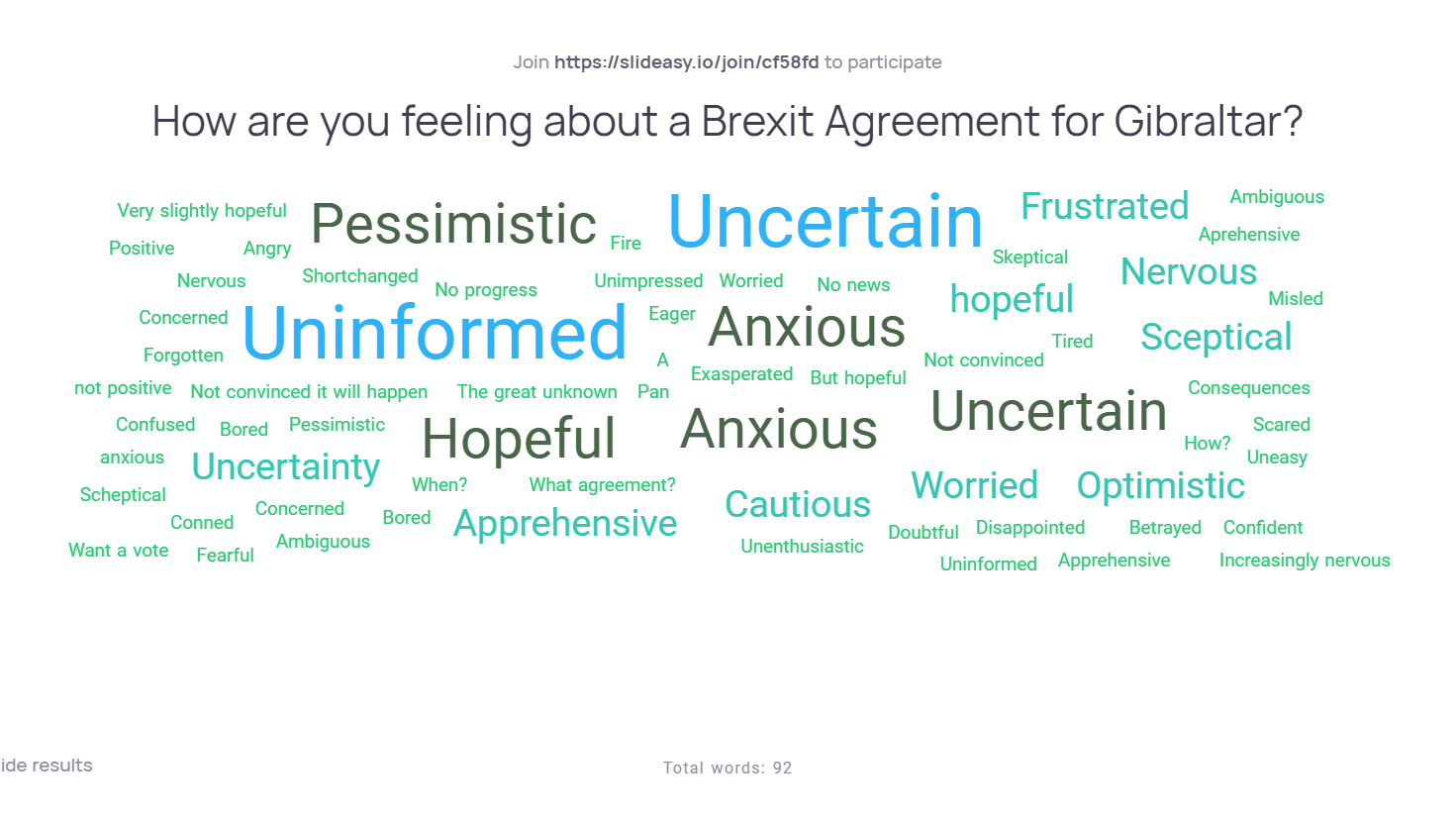
A live poll conducted at the beginning of the meeting allowed attendees to share in real time, how they were feeling about a Brexit Agreement Results were illustrated in a word cloud with dominant terms like “anxious,” “uninformed,” and “uncertain,” indicating an atmosphere of concern amongst attendees and potentially Gib’s wider business community.
Negotiation Timelines
A key topic was the prolonged negotiation process. Lloyd DeVincenzi acknowledged the complexity of the process and how there could be a long road ahead, “It’s a tough negotiation. It is very complicated, which may not be of comfort to all of us. But if you think about ordinary trade agreements, and this is much more than that, reaching a deal can take seven, eight years or more, with pressure being put on by both sides.”
Although initial fears in 2016 suggested that Brexit could cripple Gibraltar’s economy, the panel observed that the economy, and particularly the property market, has shown resilience, with property prices even increasing over time. Despite the stability experienced by the real estate market, specific sectors, including Gibraltar’s retailers, were recognised as being more vulnerable to Brexit’s impact and the prevailing uncertainty. Panellists noted that Gibraltar’s economy had thrived to a surprising degree since the Brexit referendum, even amidst uncertainty. Still, they highlighted that the extended nature of the negotiations reflects the complexities involved, especially given the multiple stakeholders, including the UK, Spain, and the EU.
Offsetting Uncertainty
The discussion turned to the effects of this prolonged uncertainty on business investment and planning. Attendees from various sectors pointed out that while Gibraltar’s businesses have adapted, a definitive agreement would aid future planning. Some expressed that high-value clients and external investors are hesitant to commit to Gibraltar, given the lack of clarity about fiscal implications. There was consensus that an agreement is preferable to a no-deal scenario, as it would provide a much-needed sense of stability and direction for businesses and the local economy.
Specific challenges facing the retail sector were raised by Jimmy Coelho, who described how Spanish competitors operate freely in Gibraltar without oversight, unlike Gibraltar-based businesses, which face restrictions when attempting to work in Spain. This unregulated cross-border competition has intensified post-Brexit, creating a disadvantage for local retailers. Coelho highlighted the severity of the situation, noting, “As things stand, our businesses are effectively blocked from working in Spain…while Spanish retailers are coming into Gibraltar unpoliced, unregistered, and it’s causing a lot of damage.” He expressed that the government should consider supporting Gibraltar businesses, similar to COVID-19 relief, should the Brexit process continue. Another retailer echoed his concerns, emphasising that an agreement would provide “a level playing field” needed for local businesses to remain competitive. Without such an agreement, he added, the “David and Goliath” nature of competing with larger Spanish retailers, who benefit from lower costs, puts additional strain on Gibraltar-based companies.
The uncertainty also affects retail investments and future planning, as another retail business owner, explained: “When the initial New Year’s Eve agreement was made, there was an expectation that the agreement would be imminent because all the major points had been fashioned out already.” The delay in finalising the agreement has left many retail businesses in limbo, waiting for “some sort of stability” to plan effectively and remain competitive.
Opportunity of Free Movement
The potential benefits of free movement or “circulation” of people were a focal point, with many viewing it as a transformative opportunity for Gibraltar’s economy. Panellists highlighted that smoother border movement would make Gibraltar even more attractive for high-value residents and sectors such as financial services and gaming. An open border was seen as likely to boost demand in the property sector, as workers and high-value individuals would be more inclined to live in Gibraltar, benefiting the local economy. As one panellist noted, freedom of movement would make Gibraltar “a very, very attractive place to live and do business” by alleviating long-standing political issues with Spain. However, some attendees voiced concerns that increased fluidity could negatively impact property values if businesses relocate to Spain for lower operating costs, though it was also noted that this shift may encourage the local market to evolve.
Goods, Trade, and the Transaction Tax
Attention then shifted to the topic of goods and trade, particularly the possibility of a transaction tax should goods be included in the agreement. While this tax could enable freer movement of goods, it might also result in higher prices in Gibraltar. An attendee with experience in frontier operations warned that Gibraltar’s businesses might struggle to compete with Spanish companies if the border were open, as unrestricted goods movement could favour Spanish companies with cheaper costs. He recommended a model similar to that used in Ceuta, which includes customs controls and local duties to maintain economic control. As he explained, “If we’ve got a reduced transaction tax…it means we are controlling our own inputs,” which would be vital to avoid a “David and Goliath scenario” with Spanish competitors.
The panel agreed that including goods in the agreement may be more of a concession to secure an open border for people rather than a direct economic advantage for Gibraltar. They highlighted that free movement of goods would represent a significant shift in Gibraltar’s economy, exposing local businesses to more significant competitive pressures from Spain.
A participant from Gibraltar’s logistics sector argued that unrestricted goods movement would devastate local transport and customs companies, which currently benefit from Gibraltar’s distinct border arrangements. The absence of customs control could lead Spanish companies to deliver directly to Gibraltar, undermining local firms. This raised a critical point: while free movement of people could increase Gibraltar’s appeal, an unregulated flow of goods might threaten various industries, highlighting the importance of protective measures to sustain local businesses.
Frustrations with Shared Prosperity
Another participant expressed frustration about “shared prosperity,” highlighting Gibraltar’s rising costs in areas like social insurance, pensions, and corporate tax. These expenses place additional pressure on local businesses compared to their Spanish counterparts, who often operate without equivalent oversight within Gibraltar. He also pointed to a lack of communication from local authorities, which forces business owners to rely on Spanish media for updates, leaving them feeling unprepared for potential changes.
In closing, Owen Smith invited attendees to participate in an interactive, anonymous poll asking, “Do you want to see a Brexit Agreement for Gibraltar?” The results showed that 76% of attendees favoured an agreement, while 23% were opposed. This final poll underscored the overall sentiment of the session, with a majority hoping for a negotiated outcome despite the uncertainties and challenges discussed.




Governments and geopolitical strategists use simulations to test what might happen when other players react. The same thinking can help businesses challenge assumptions, anticipate competitors and prepare for decisions before real money is on the line.
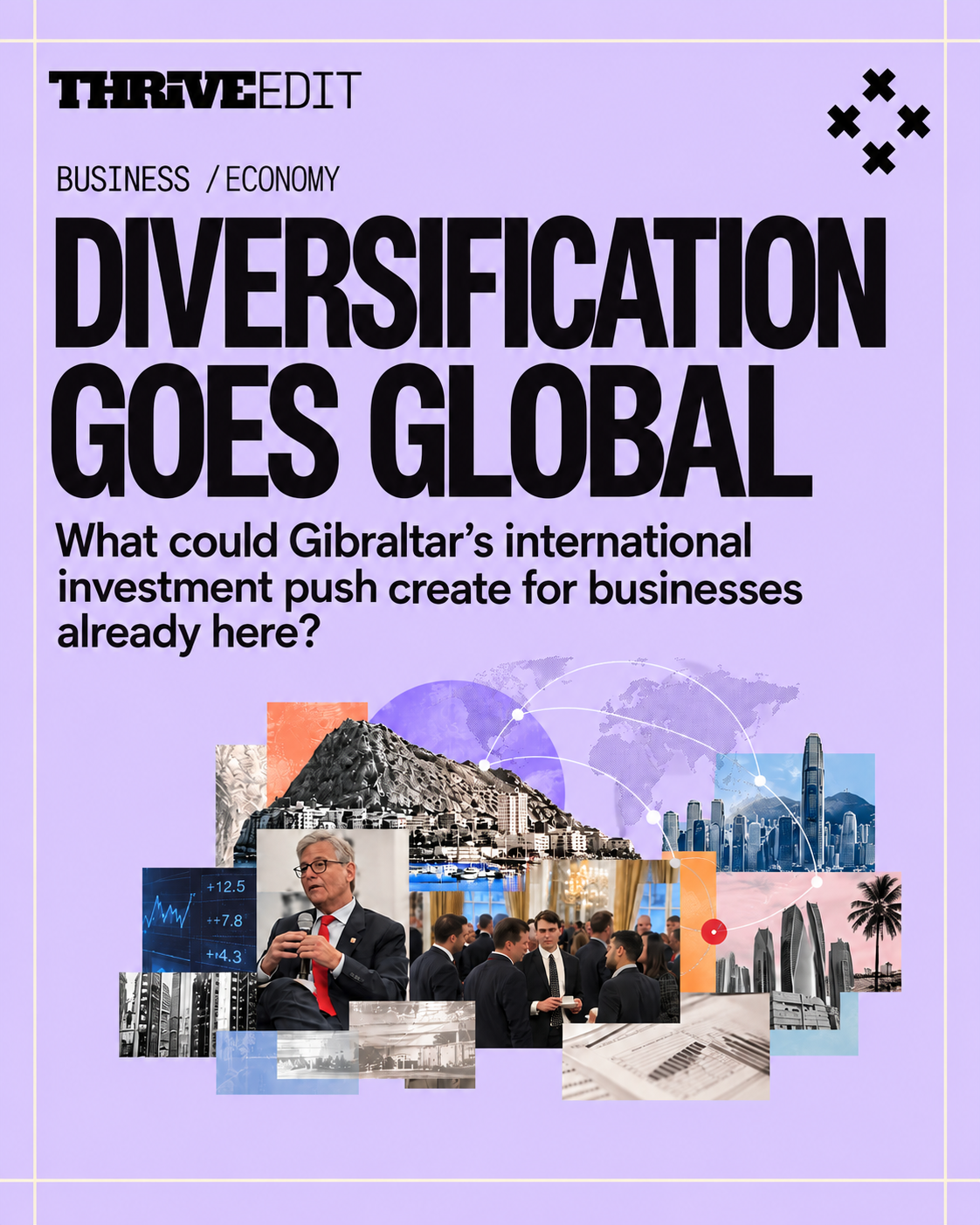
From Hong Kong to Abu Dhabi, Gibraltar is pursuing new industries and investors as part of a major economic diversification drive. Minister Nigel Feetham says the campaign is already generating business. The bigger question is how far those opportunities can spread through Gibraltar’s wider economy.
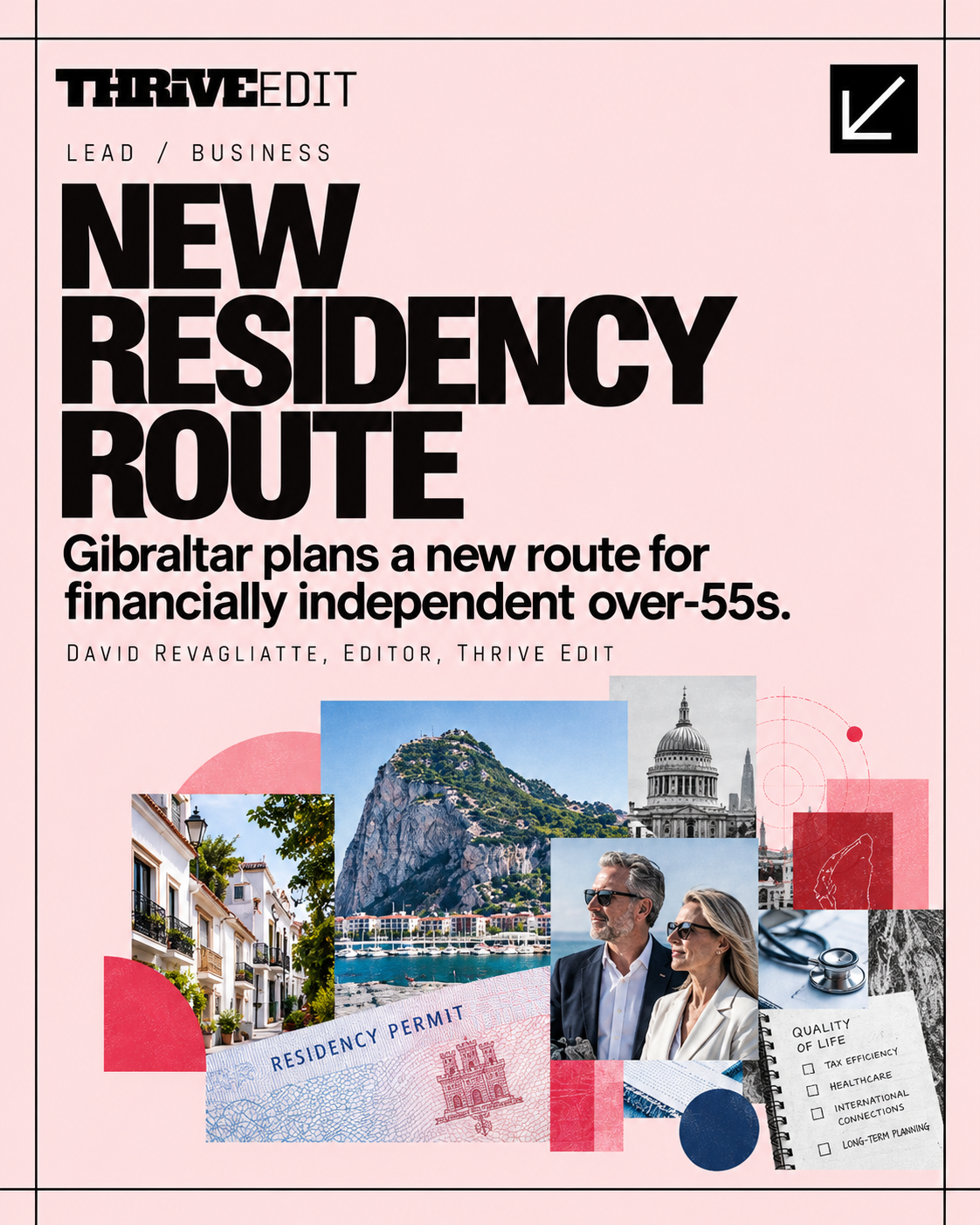
Gibraltar plans a new residency route for financially independent over-55s alongside a new business think tank announced at GibLink London.
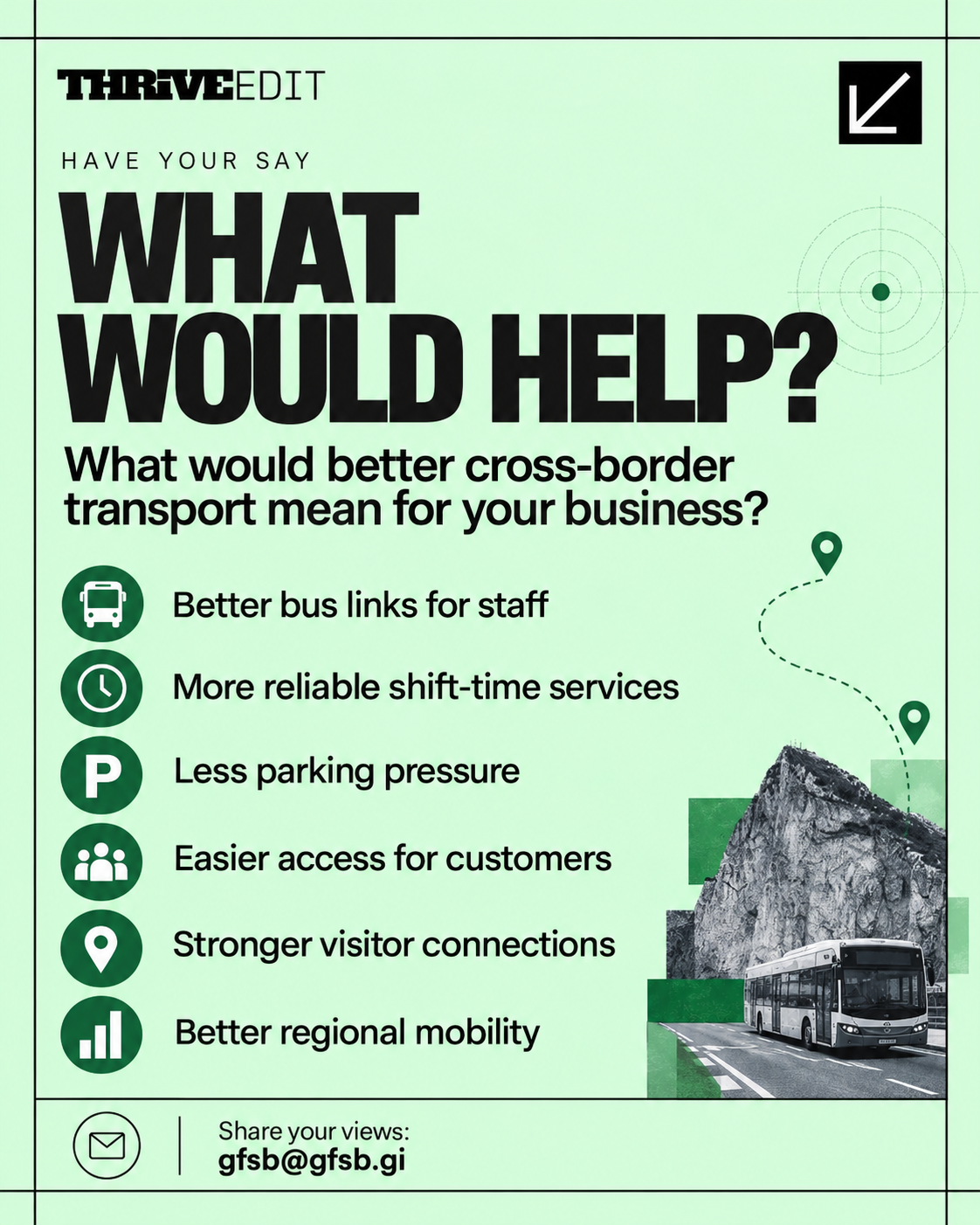
New frontier lanes and discussions around a cross-border transport interchange raise questions about buses, workers, visitors and business connectivity.
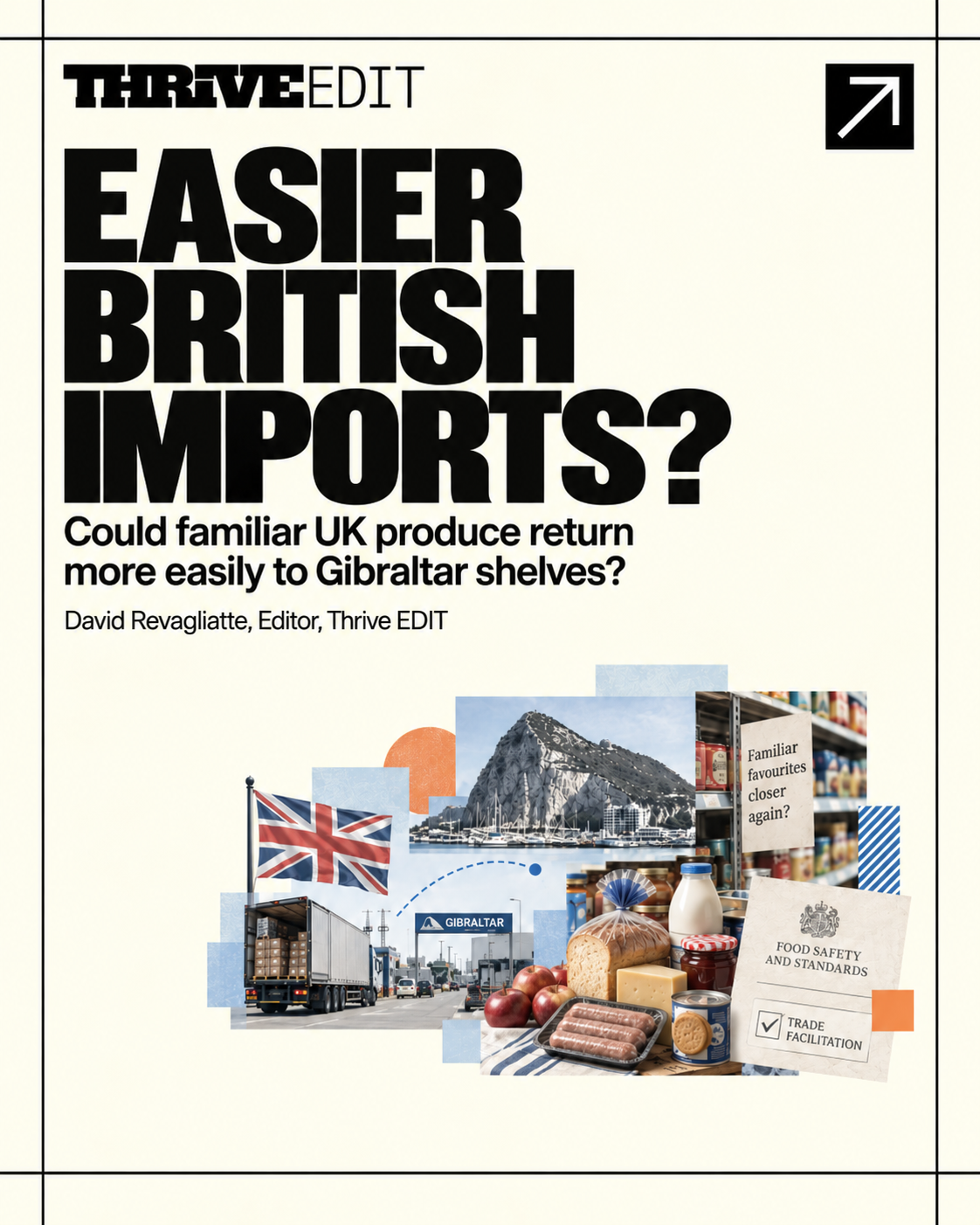
Could a future UK-EU food agreement make it easier for British produce to return to Gibraltar shelves? British produce has long been part of Gibraltar’s shopping experience; I wrote about it a couple of years ago, before we had a Treaty in place. From supermarket staples and fresh food to familiar household brands, we’ve spent […]