
 Gibraltar Federation of Small Businesses


 Gibraltar Federation of Small Businesses


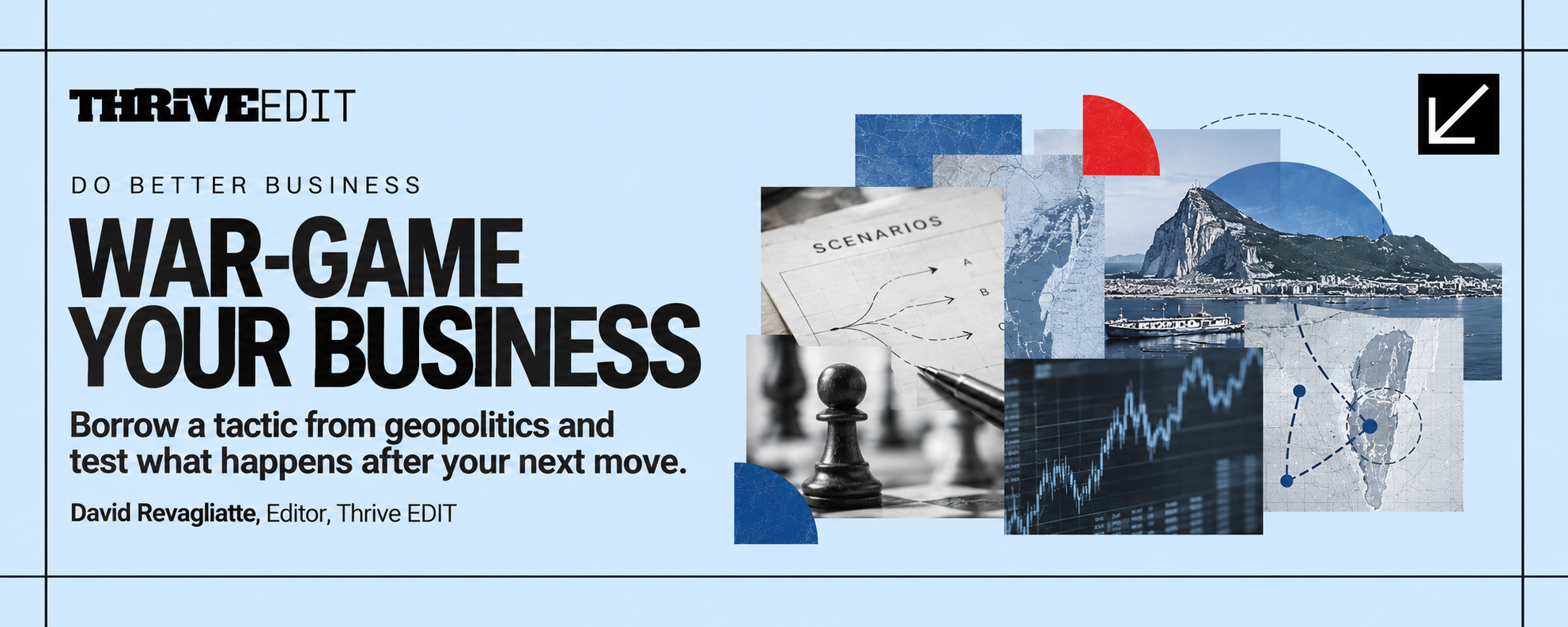
One of the most useful things about following geopolitics is that it reminds you how rarely anything happens in isolation. A government changes a tariff and another country responds. A sanction shifts a supply chain. A regulatory decision affects investment somewhere else. Very quickly, one move creates another.
That is why scenario planning, simulations and red-teaming are used so widely in defence, government and geopolitical analysis. The objective is rarely to predict the future perfectly. It is to explore how different players might respond and understand what those reactions could mean before the real decision has to be made.
A few years ago, I first came across the idea of corporate war gaming during a long-overdue catch-up with my friend Trina, who had spent years developing strategy for major international brands before moving into competitive war-gaming workshops.
The principle immediately made sense. Instead of a management team sitting around a table deciding what it thinks a competitor might do, someone is given the job of actually being that competitor. Your business makes a move, the opposing team responds, and the consequences are played out over several rounds.
It turns strategic planning from a fairly static conversation into something much more dynamic.
Most business planning naturally starts from inside the organisation. You consider your pricing, your marketing, your resources and the result you hope to achieve. A war game forces you to look at exactly the same decision from outside.
Imagine you are considering cutting prices to gain market share. Internally, the conversation might focus on volume, margins and how the new offer will be marketed. If another team is asked to play your strongest competitor, however, the questions change. They might match the price, improve their own offer, increase advertising or target your most profitable customers while your margins are already under pressure. The original strategy has not changed, but your understanding of it has.
This is one of the reasons similar techniques are used in geopolitical planning. A strategy can look perfectly sensible until another actor is allowed to respond intelligently.
The same applies to almost any commercial decision. A new product, expansion into another market, a major tender or a significant change in pricing all involve people outside your organisation whose behaviour can alter the outcome.
Another useful idea from defence and security planning is the red team, whose role is to challenge the prevailing view and actively search for weaknesses. Businesses can use the same approach without turning the office into a military command centre.
If your team has spent months developing a strategy, there is naturally some emotional and professional investment in making it work. That can make it harder to ask the uncomfortable questions. A red-team exercise gives somebody explicit permission to disagree, attack the assumptions and look for the gaps.
If you were your competitor, where would you challenge the plan? Which customer would you target? What advantage do you have that your own business may be underestimating? Could the idea be copied quickly? Is the benefit you are offering actually important enough to customers to change their behaviour?
The important part is to make the opposing side feel and act credible. If the competitor in your simulation is badly managed, slow and irrational, the exercise will simply confirm the strategy you already wanted to pursue. Giving them their genuine strengths makes the result much more useful.
Recent years have shown just how quickly regulation, politics and international events can reach a local balance sheet. Brexit, the Treaty, changes to UK gambling duties, supply-chain disruption and the rise of AI all show how decisions made elsewhere can reshape operating conditions here.
That gives businesses plenty of material for practical scenario planning. You might ask what happens if a regulatory change affects one of Gibraltar’s core sectors, or if the Treaty creates stronger cross-border competition. You could test what happens if a key supplier becomes more expensive, if AI reduces the cost of a service you currently charge a premium for, or if an international entrant arrives with more capital and a more aggressive pricing model.
The point is not to produce a contingency plan for every possible event. It is to identify the developments capable of changing an important commercial decision and then think through what might happen next.
This is also where another habit from geopolitical analysis becomes useful: looking at second-order effects.
The first effect of a new competitor arriving in Gibraltar might simply be another business entering the market. The next effect could be that it recruits experienced employees from existing firms, which pushes up salaries and makes retention harder. Existing businesses may then invest more in training or change their employment packages.
The impact has travelled well beyond the original event. The same applies to opportunities. If an international fintech establishes itself in Gibraltar, the first visible result might be a new office and a small team. Over time, that business could create demand for lawyers, accountants, compliance professionals, recruiters, technology providers, property and specialist training.
Thinking beyond the first consequence can help businesses see where opportunities and risks may actually land.
A useful corporate war game does not need to be complicated. For a smaller business, a focused 90-minute session can be enough to expose assumptions that would otherwise survive much longer.
Start with one real decision you expect to make over the next six months. It could be a product launch, a pricing change, expansion into Spain, a major pitch or the introduction of a new technology. Then identify the people capable of influencing the outcome. Depending on the question, that might include a competitor, customer, supplier, regulator or potential new market entrant.
Give each participant enough information to make a credible decision from that perspective. What does the competitor charge? Where are they strong? What resources do they have? Which customers matter most to them? What might make them react aggressively?
Your business then makes its move and everyone else responds. Run another round based on those reactions and see where the situation goes.
The most valuable part usually comes afterwards, when you ask what surprised the team, which assumptions failed and whether anything in the original strategy should now change.
Corporate war gaming can sound more elaborate than it really is. At its core, it is simply a way of preventing your strategy from assuming that everyone else will behave conveniently.
Governments and geopolitical strategists have long used simulations because the real world contains too many independent actors and too much uncertainty for a single forecast to be enough. Businesses face a smaller version of exactly the same problem. Your competitor may respond. A customer may behave differently than expected. A regulation may change. A technology may alter the economics of the market.
Running those possibilities before making the real decision can reveal vulnerabilities, sharpen the plan and occasionally uncover an opportunity that nobody saw when everyone was looking at the problem from the same side. Before making your next big move, it may be worth giving somebody else a chance to make theirs…


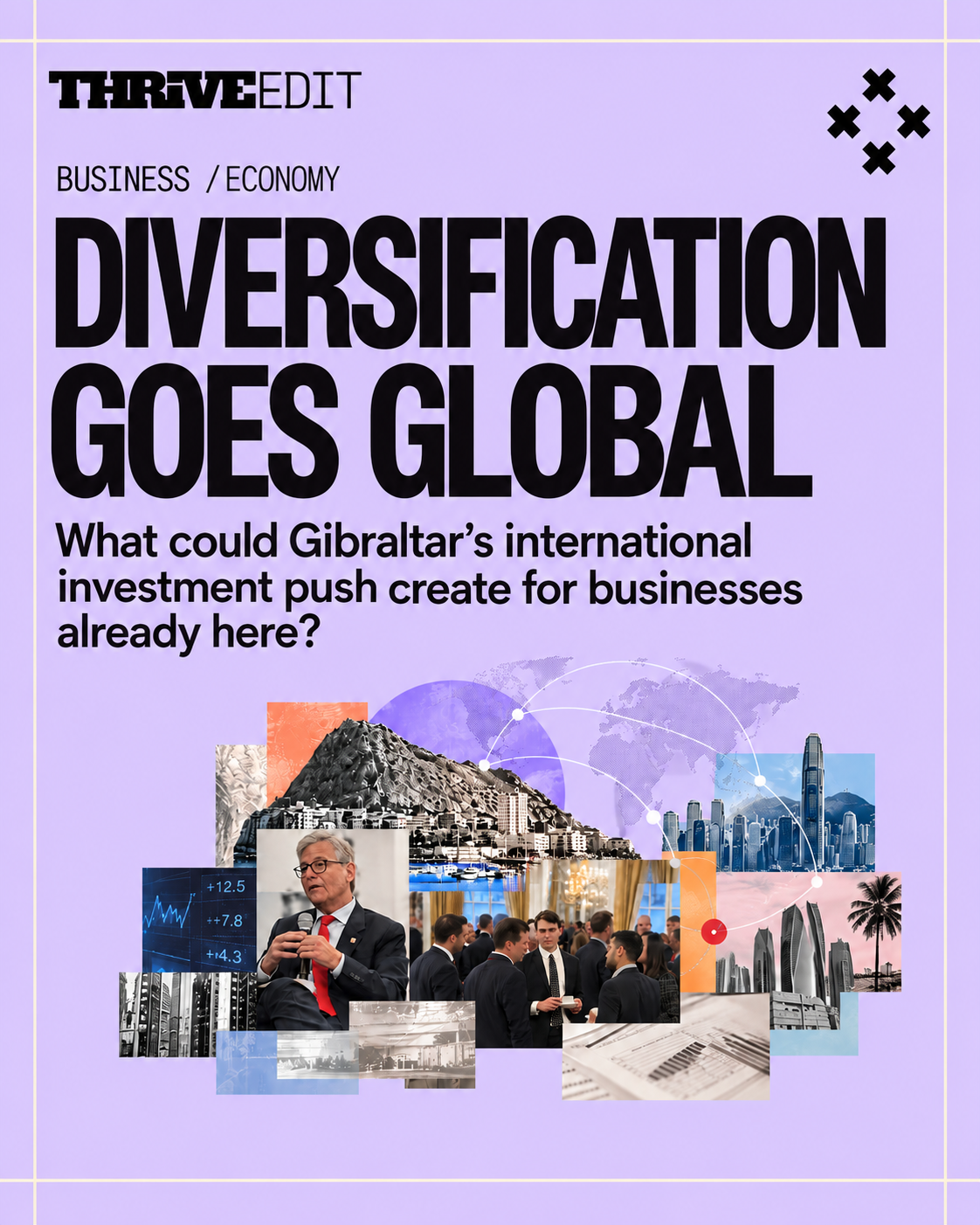

From Hong Kong to Abu Dhabi, Gibraltar is pursuing new industries and investors as part of a major economic diversification drive. Minister Nigel Feetham says the campaign is already generating business. The bigger question is how far those opportunities can spread through Gibraltar’s wider economy.
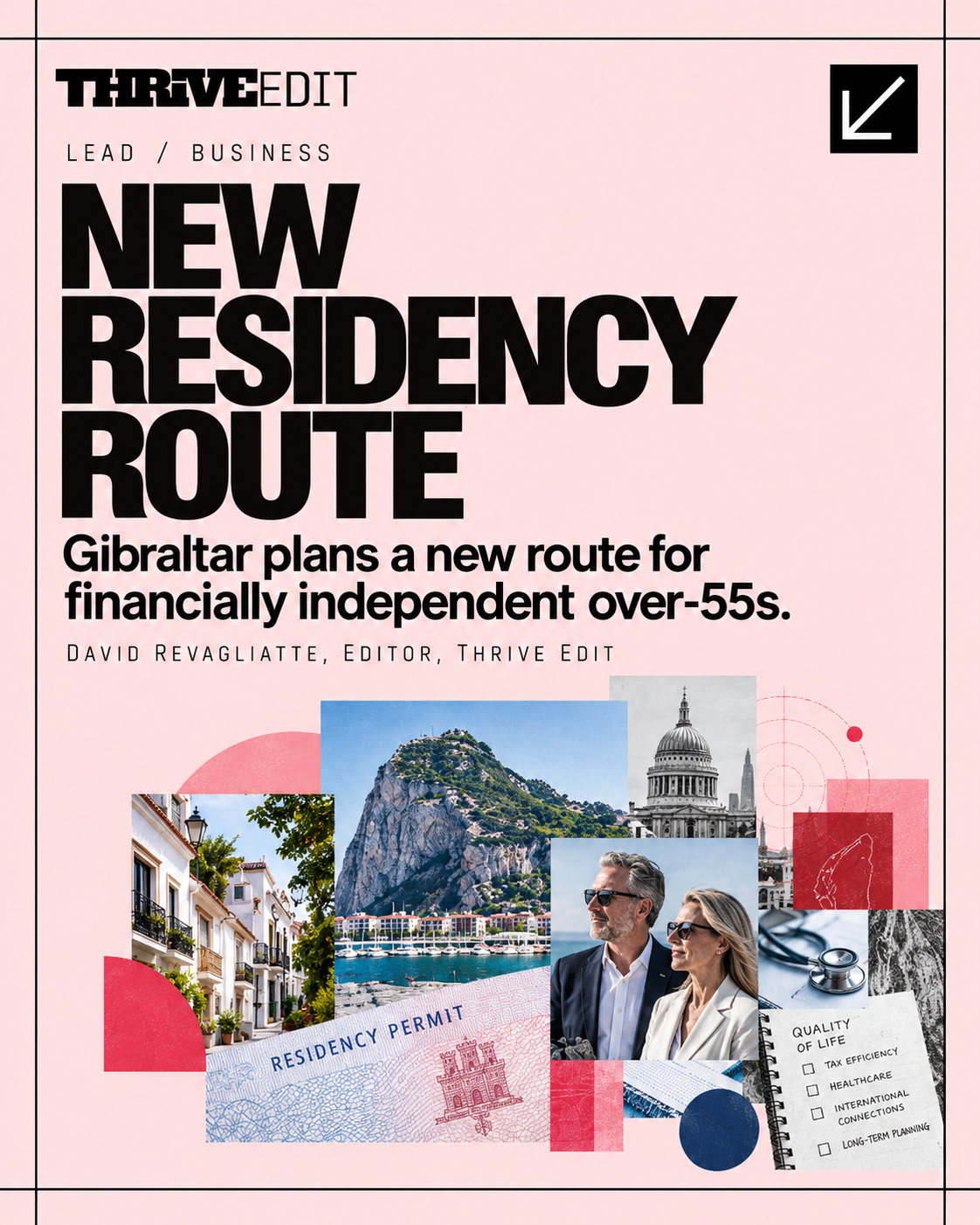
Gibraltar plans a new residency route for financially independent over-55s alongside a new business think tank announced at GibLink London.
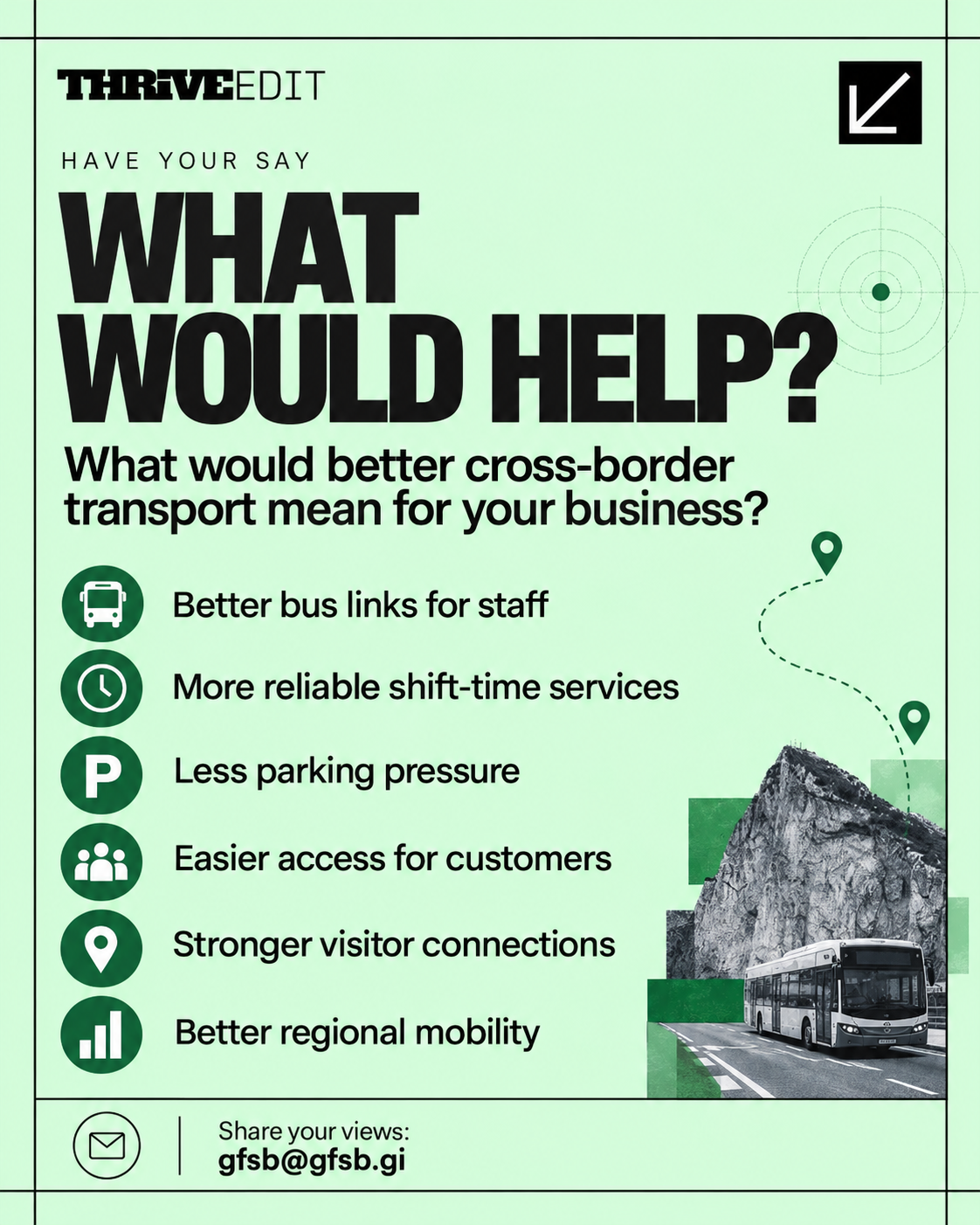
New frontier lanes and discussions around a cross-border transport interchange raise questions about buses, workers, visitors and business connectivity.
Could a future UK-EU food agreement make it easier for British produce to return to Gibraltar shelves? British produce has long been part of Gibraltar’s shopping experience; I wrote about it a couple of years ago, before we had a Treaty in place. From supermarket staples and fresh food to familiar household brands, we’ve spent […]
Some Gibraltar residents have been incorrectly registered on the Schengen Entry/Exit System, including cases where the system now appears to show them as still inside Schengen. The Government has issued new guidance on how to have those records removed and what to carry when travelling. If you hold a Gibraltar identity card or Gibraltar civilian […]