
 Gibraltar Federation of Small Businesses


 Gibraltar Federation of Small Businesses


By Owen Smith, GFSB Chairperson
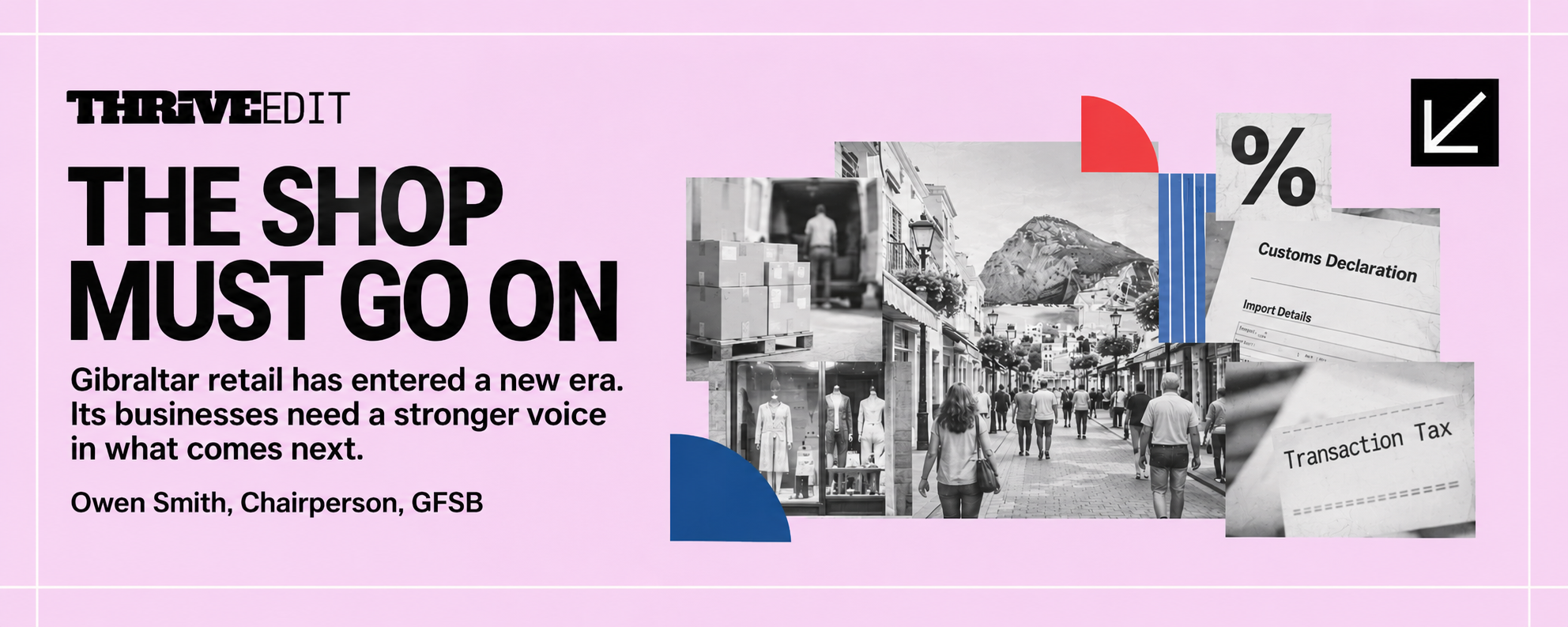
Gibraltar’s retailers are entering a new and challenging era. The Treaty has changed the rules, but making a success of it will require Government and businesses to work together. The GFSB is well positioned to be the voice of retail in that process.
Gibraltar has very much enjoyed a summer in which the frontier has been almost entirely free-flowing for people. This is undoubtedly one of the Treaty’s greatest achievements, bringing enormous benefits to Gibraltar residents and the thousands of people who cross the frontier every day.
The tourism statistics present a mixed picture. Between July and September 2026, cruise ship arrivals increased by almost 22% (56 compared with 46 in 2025), with passenger numbers up 17%, although these increases cannot reasonably be attributed to the Treaty given that cruise itineraries are planned years in advance. More encouragingly, coach arrivals increased by 24%, with passenger numbers up nearly 20%, potentially indicating greater interest from visitors in the surrounding region. Meanwhile, Upper Rock Nature Reserve visitor numbers fell by approximately 25%, highlighting the impact of the Cable Car closure and the importance of improving Gibraltar’s tourism infrastructure. However, land-frontier visitor statistics have yet to be published beyond June 2026, making it difficult to assess the Treaty’s impact on cross-border tourism.
The story for the commercial frontier has presented its own challenges. As we approach four months of implementation, some things are becoming increasingly clear.
First, whilst anecdotal evidence from retailers suggests that footfall is up, spending has not necessarily followed. More people walking through Main Street does not automatically translate into more customers walking through shop doors, or indeed spending more money when they do.
Retailers and wholesalers have spent the summer adapting to a paradigm-shifting new customs regime at the commercial gate. Although some of the initial difficulties have improved, businesses are now becoming accustomed to a new normal involving slower import procedures, considerably greater administrative burdens and associated costs, all layered on top of the financial challenges presented by the 15% Transaction Tax.
We have just passed the first 90 days following the provisional implementation of the UK-EU Treaty on Gibraltar on 15 July 2026. With the expiry of the initial transitional arrangements, which have somewhat softened the impact of the Treaty, and with many businesses having stockpiled goods in advance of implementation to ensure as soft a landing as possible, it is fair to say that we are only now entering true Treaty territory for those business that trade in goods.
Nearly four months in, although welcome measures providing relief from business rates and Transaction Tax liabilities have been introduced, there is still no published scheme offering direct financial assistance to businesses at the sharp end of the Transaction Tax burden.
The Government has introduced a tax deduction scheme, but this is not the same as immediate financial assistance for businesses facing increased import costs and cash-flow pressures today. The separate scheme intended to support business modernisation also remains to be delivered.
At the same time, there are no obvious signs of the rapid improvements to Gibraltar’s ports of entry, town centre and transport infrastructure that will be necessary if we are to capitalise fully on the opportunities presented by the Treaty.
None of this should detract from the enormous opportunities that the Treaty presents. But those opportunities will not materialise by themselves.
Speed is now of the essence. Speed in providing meaningful relief to businesses facing immediate financial pressures, but equally speed in developing the infrastructure, visitor experience and economic policies that will allow Gibraltar to become more competitive and attractive in this new cross-border environment.
Time to talk shop
The GFSB strongly believes that organisations representing the business community have a central role to play in ensuring that Government takes the steps necessary to make a success of the Treaty, and does so with the necessary urgency.
But the responsibility does not rest with Government alone. Businesses must also play their part. It is incumbent upon all business owners to stand together, and also to make sure Government understands their needs and the urgency. We believe one of the most useful first steps a business can take is to become involved in an organisation such as the GFSB.
That is why we are launching a series of events specifically aimed at businesses that are not currently members of the Federation, beginning with Gibraltar’s retail sector.
Our first event, Gibraltar Retail: Let’s Talk Business with Non-Members, will take place on Thursday 12 November at 7pm at GFSB House, 122 Irish Town.
It will be an informal opportunity for retailers to meet members of the GFSB Board, tell us about the challenges they are facing, learn more about the work we are doing and, importantly, understand the benefits of becoming part of the Federation.
We want to hear from independent shops, established retailers and growing businesses alike. You do not need to be a member to attend, and there is no expectation that you arrive with a prepared speech or a list of policy proposals.
We want to hear what is happening behind the counter.
We need to hear what is actually happening
Retail is one of Gibraltar’s most visible industries. We see the shop windows, the deliveries arriving on Main Street and the people moving through town. What is much less visible is everything happening behind the counter.
Margins. Import costs. Rent. Staffing. Stock decisions. Cash flow. The hours spent dealing with paperwork before a product ever reaches a shelf.
At the GFSB, we spend a great deal of time engaging with Government on these issues. In particular, we have been advocating for clearer guidance on Treaty implementation, improvements to customs procedures and meaningful support measures that reflect the real costs being borne by businesses.
But our ability to represent the sector effectively depends on understanding what businesses are actually experiencing. To apply meaningful pressure for change and improvement, we need to have the backing of numbers. And to make that voice as strong as it can be it needs to be organised.
Retail has a bigger role to play
There is also a much wider conversation to be had about Gibraltar’s future as a shopping and leisure destination.
We are talking about attracting more visitors from Spain, making more of events such as the Festival of Lights, developing new tourist attractions and giving people more reasons to spend time in Gibraltar.
Retail must be at the centre of that conversation.
A visitor may come for an event, the Upper Rock or a new attraction, but what they experience on Main Street will help determine whether they return, how long they stay and, importantly, how much they spend.
The shops they discover, the products available, the service they receive and whether the town centre feels active and welcoming all contribute to Gibraltar’s overall appeal.
That means retail policy cannot simply be about tax rates or customs procedures. It must also consider what sort of town centre we want, how we encourage spending, how businesses collaborate and what will make Gibraltar sufficiently distinctive to compete with the increasingly sophisticated shopping and leisure destinations across our neighbouring region.
These are questions which retailers themselves are particularly well placed to answer, because they see customers making those choices every day.
Retail needs a voice
Of course, not every retailer faces the same challenges or shares the same priorities.
One retailer may favour extended opening hours, whilst another sees little commercial justification for them. Measures that work well for larger operators may be of little assistance to an independent shop. Importing fresh produce presents very different challenges from importing clothing, electronics or homeware.
A representative organisation must understand these differences rather than pretend they do not exist.
Our job is to identify the common issues underlying them, develop practical proposals and ensure that the concerns of businesses are properly understood by those responsible for making decisions.
But that representation is only as strong as the businesses willing to participate in it.
If retailers only enter the conversation once decisions have already been made, we miss an important opportunity to influence what happens next.
Gibraltar retail has entered a new, post-Treaty era. There will undoubtedly be challenges ahead, but there are also opportunities to reshape our retail sector, strengthen the appeal of our town centre and develop a more competitive and resilient business community.
The GFSB wants to help make that happen, but we cannot do it effectively without the participation of the businesses we represent.
So our invitation is a simple one. If you operate a retail business in Gibraltar and are not currently a GFSB member, come and meet us. Tell us what you are experiencing, what you think needs to change and what you believe the GFSB should be doing.
And please, challenge us too.
Your business already gives you a stake in Gibraltar’s future. We invite you to use it.
Gibraltar Retail: Let’s Talk Business with Non-Members
Thursday 12 November 2026 | 7pm–8.30pm
GFSB House, 122 Irish Town, Gibraltar


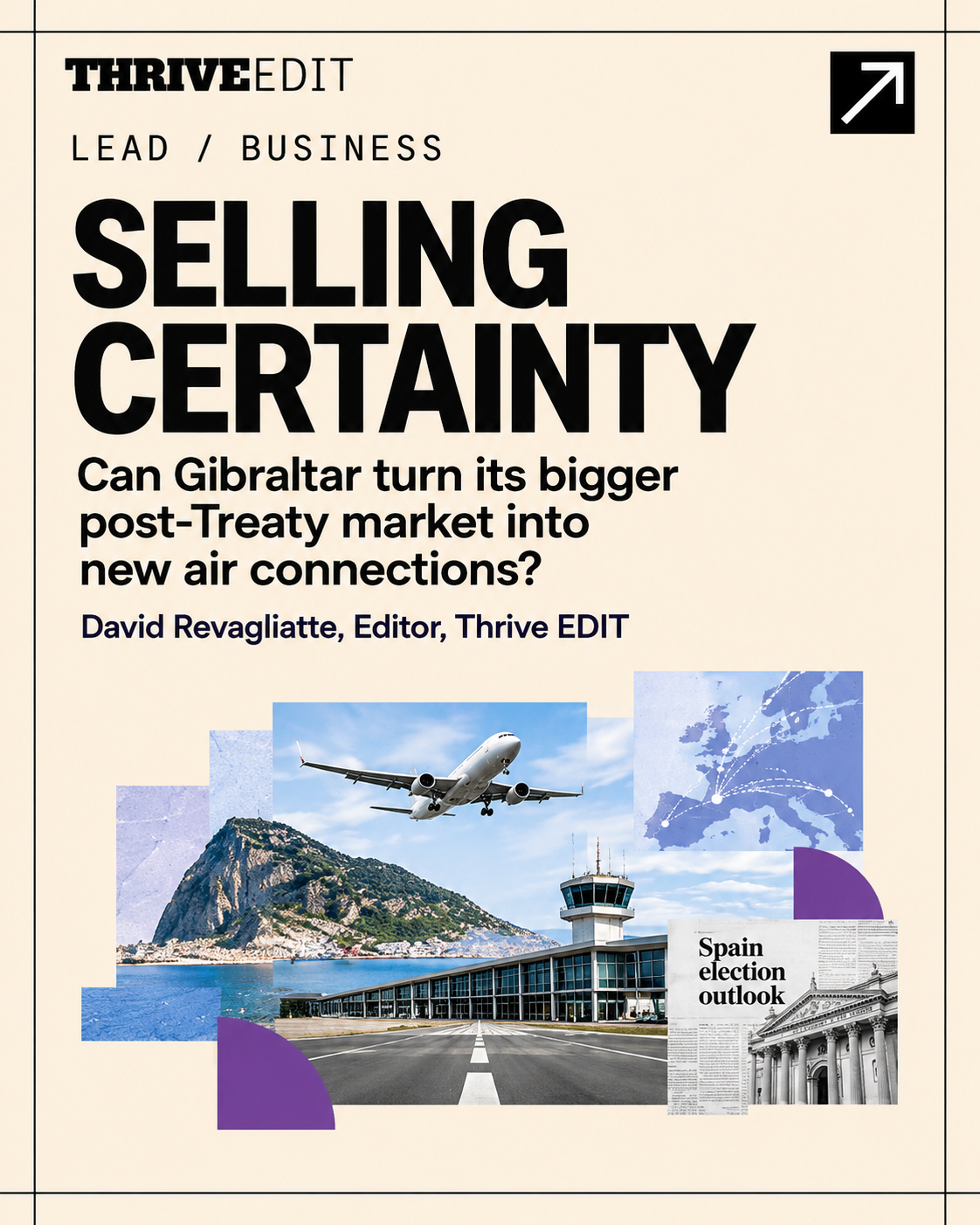

Gibraltar is pitching airlines a much bigger regional market after the Treaty, but new routes require confidence years ahead. As Spanish election politics gets louder, can Gibraltar sell both the opportunity and the certainty behind it?
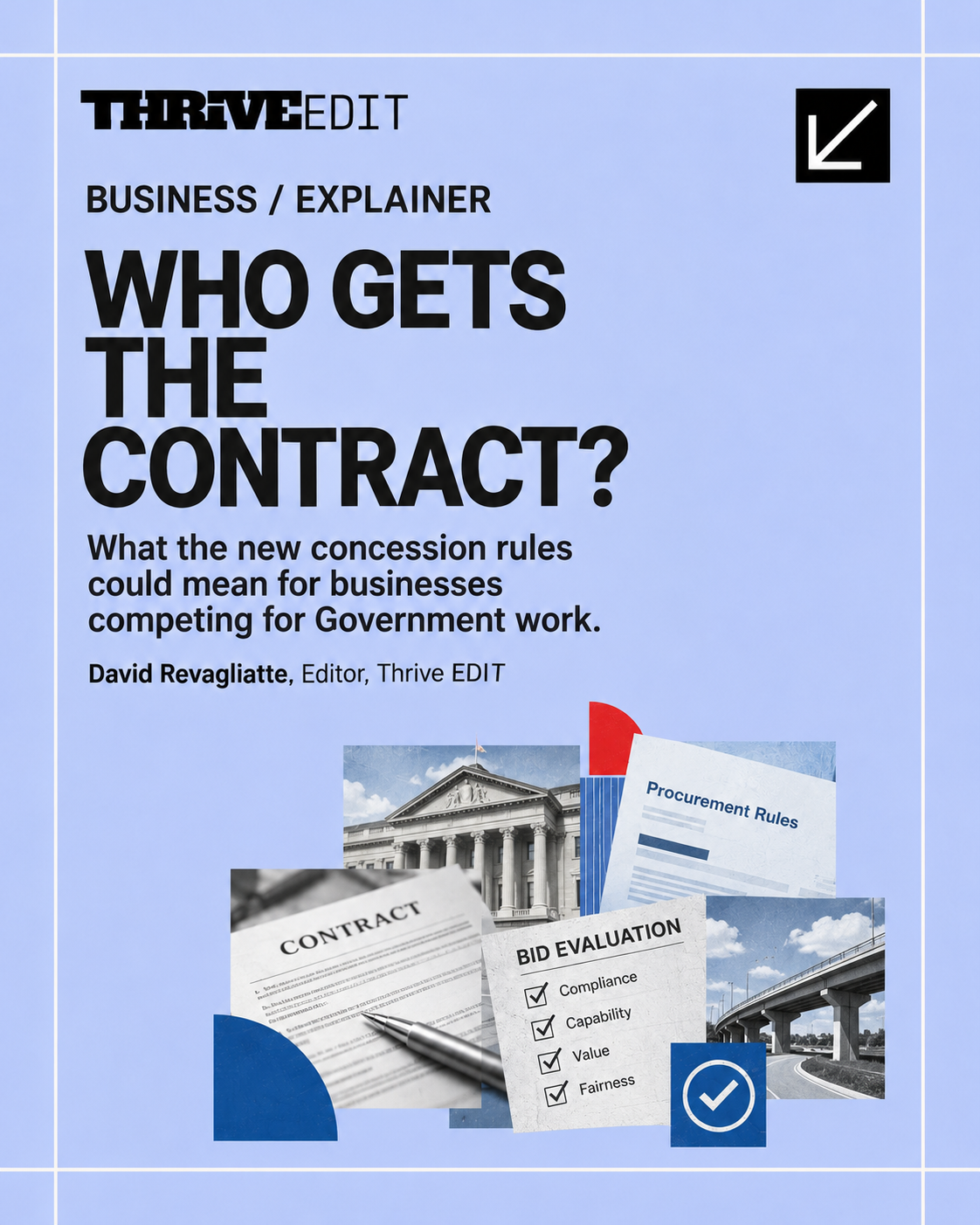
Changes to Gibraltar’s procurement rules have triggered a debate about how public concessions are awarded. What has changed, and what does it mean for businesses competing for Government work?

Personalised pricing allows businesses to tailor offers using customer data. As regulators examine the practice, Gibraltar firms should understand how it works and the implications for trust, transparency and reputation.
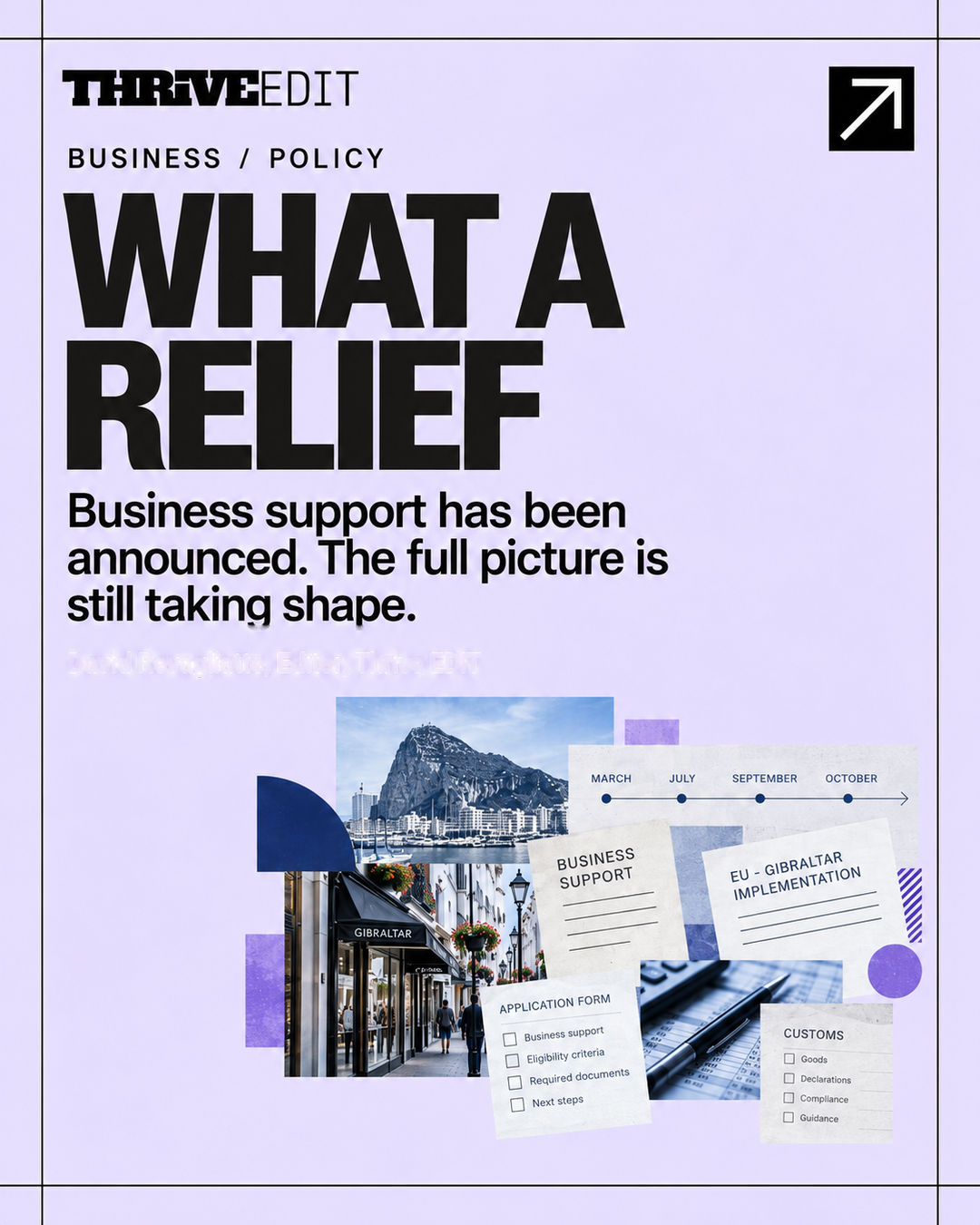
Gibraltar’s first detailed Treaty relief scheme is now in place, but businesses are still waiting for the full picture on wider modernisation support.

The Festival of Lights falls exactly one week before Black Friday. With the frontier easier to cross and Gibraltar potentially accessible to a much wider Costa audience, could one of the busiest nights of the year become the start of a stronger Q4 for local business?