
 Gibraltar Federation of Small Businesses


 Gibraltar Federation of Small Businesses

When Does Business See the Relief?
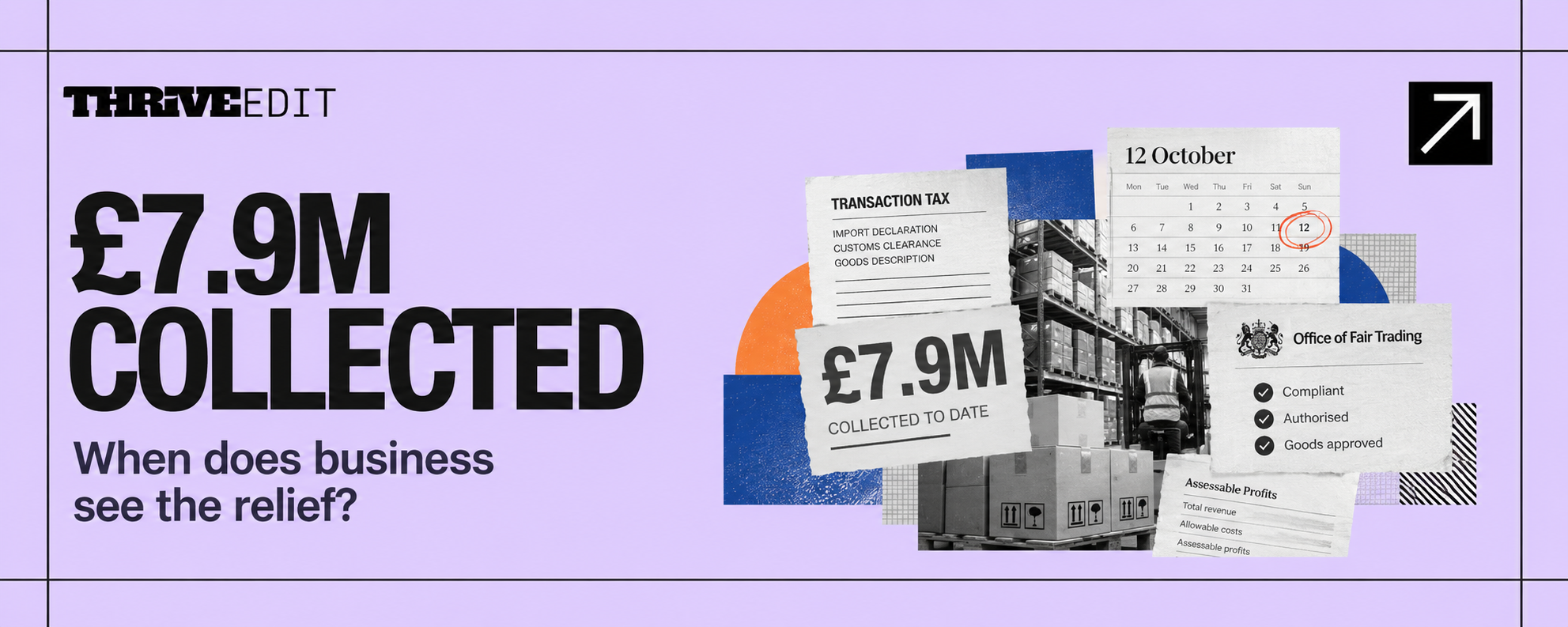
Nearly £8 million in Transaction Tax has been levied since the new Treaty arrangements began on 15 July.
Parliament was told on 2 October that the total had reached £7,921,602. For businesses that have been paying more under Transaction Tax than they would have under the old Import Duty regime, the obvious question is when the promised support will start to make a difference, and we now know the first important date: 12 October.
How does the relief work?
The Transaction Tax (Deductions) Rules 2026 were published on 23 September and cover eligible Transaction Tax paid between 15 July and 12 October, the first 90 days of the new regime.
If you’re a qualifying retailer or wholesaler who’s paid more in Transaction Tax than you would previously have paid in Import Duty, you may be able to claim a deduction against assessable profits for the difference. It is worth being clear about what that means, though: businesses are not simply getting the additional Transaction Tax handed back to them. The support comes through a deduction against assessable profits, and businesses will need to calculate and evidence the difference.
Why 12 October?
Business Minister Gemma Arias-Vasquez told Parliament that the calculation cannot take place until businesses have completed their first three months of trading under Transaction Tax, and that initial period ends on 12 October. Businesses that have spent those three months absorbing additional costs or adjusting prices will then want some fairly practical answers: how to claim, how much they are entitled to, and how long it will take.
The £7.9 million collected so far does not answer those questions. It also does not tell us how much of that figure represents an additional cost compared with the previous Import Duty regime, or how much will ultimately qualify for relief.
Who can claim?
The scheme is mainly aimed at eligible retailers and wholesalers whose Transaction Tax costs were higher than the Import Duty they would previously have paid. There are exclusions, and businesses principally selling food, beverages and household groceries, tobacco, wine or spirits, fuel or vehicles are among those outside the scheme.
Businesses applying will also need the required Office of Fair Trading certification, evidence of the Transaction Tax paid, and to be up to date with tax, PAYE and social insurance obligations. For many smaller businesses, this is probably a conversation worth having with your accountant now rather than waiting until the claim process begins.
What about the money businesses have already spent?
Transaction Tax has been paid since 15 July, which means businesses with higher liabilities under the new system have already had almost three months of managing that difference. Some will have absorbed it into their margins, others will have increased prices, and for many, particularly those importing regularly or working on tight margins, it will probably have been a combination of both.
Government’s position is that the full three-month period needs to finish before the difference can be calculated. Once we are past 12 October, businesses will be looking for a straightforward claims process and a clear indication of when they can expect to benefit from the deduction.
There is another support scheme coming
Businesses also need to be aware that the Transaction Tax deduction is not the only option Government has promised. A separate Business Impact Adaptation and Modernisation Support Scheme is due to support investment in areas such as premises, business processes, IT and staff training, and there is an important catch: businesses will have to choose between the two schemes.
For some, the Transaction Tax deduction may clearly offer better value. Others might benefit more from support towards upgrading their systems or adapting the way they operate, but until the full details of the modernisation scheme are published, it is difficult to make that comparison properly.
What should businesses do now?
If you think your business could qualify, use the remaining time to get your records in order. Pull together details of the Transaction Tax you have paid since 15 July and work out what Import Duty would previously have applied to those goods. Keep your customs entries, invoices and import documentation together, and check that your OFT, tax, PAYE and social insurance position is up to date. It is also worth speaking to your accountant about how the deduction would work for your particular business. The clearer your records are, the easier it should be to demonstrate what the change from Import Duty to Transaction Tax has actually cost you.
What are we waiting for now?
After 12 October, businesses will be expecting clarity on the claims process and how quickly applications will be dealt with. The full details of the modernisation scheme also need to be published so businesses can properly compare the two options before making a decision. Almost £8 million has now been levied in Transaction Tax, and for the businesses that have spent the past three months adjusting to the new regime, the focus now moves to how much support they qualify for and how soon they can access it.


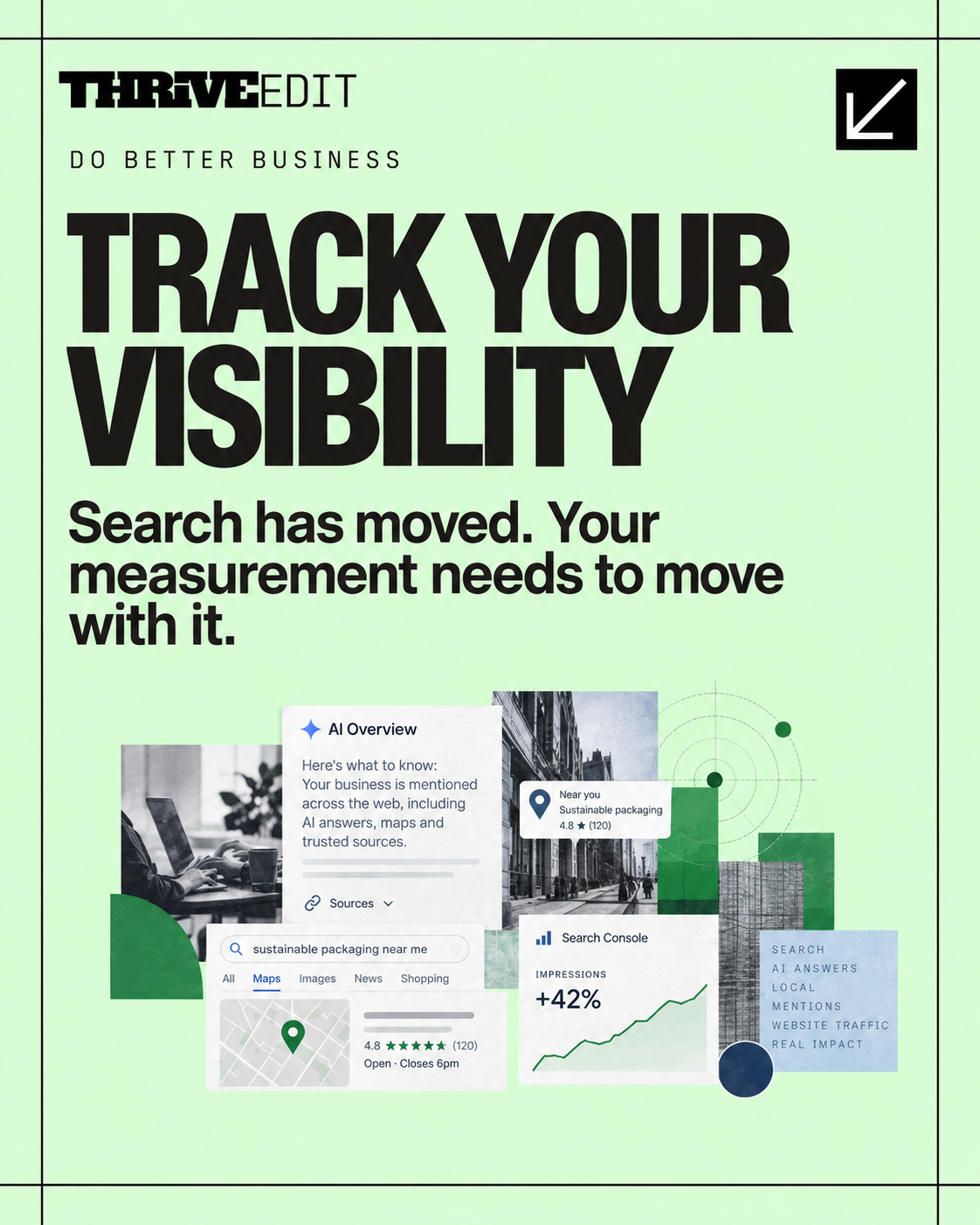

Customers now discover businesses through Google, Maps, AI answers and assistants. Learn how to track search visibility and build a practical baseline.
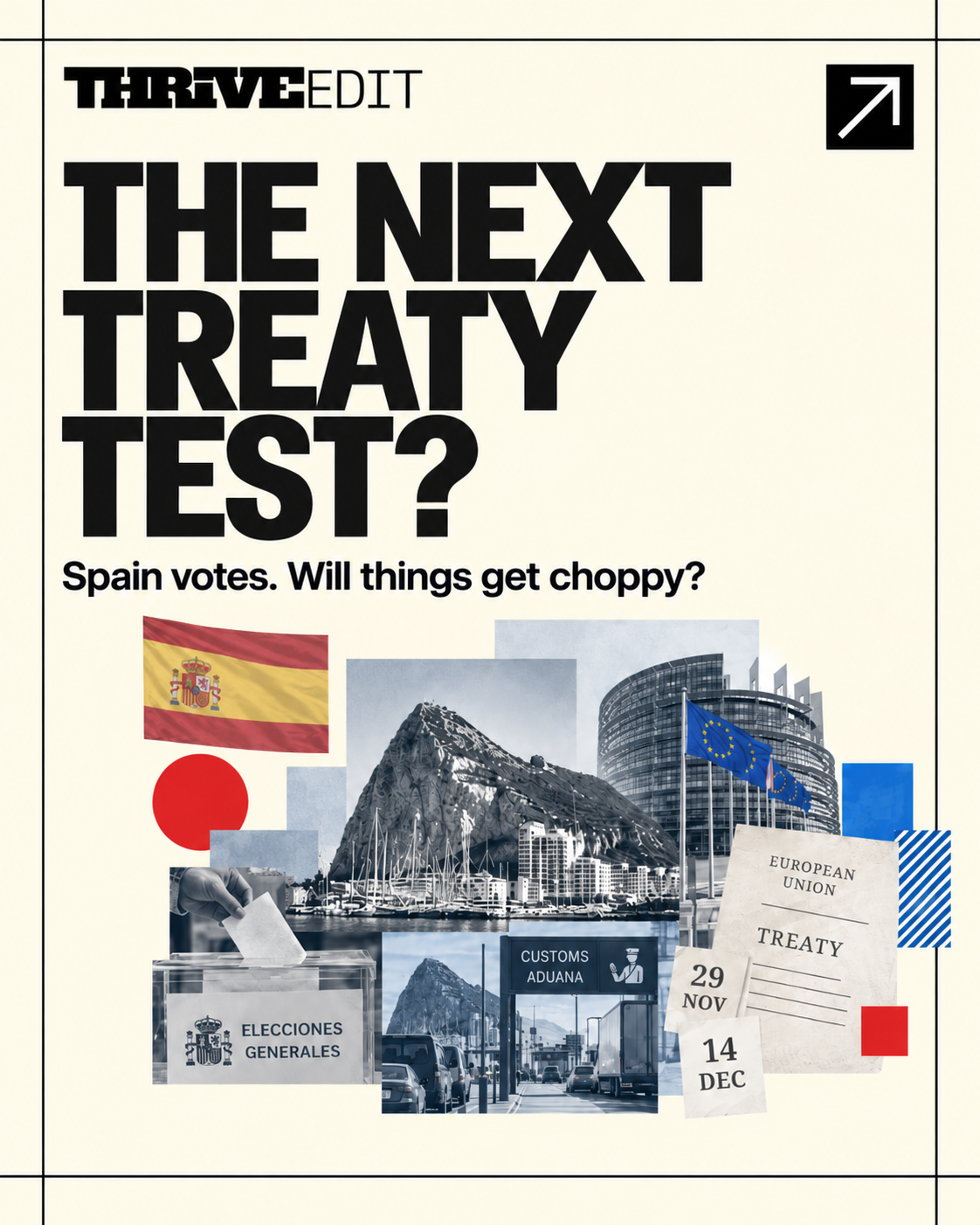
Spain’s snap election lands just weeks before the Gibraltar Treaty reaches its final European ratification stage. With the new arrangements already operating, attention is turning to whether today’s positive cooperation can withstand a change of government in Madrid.
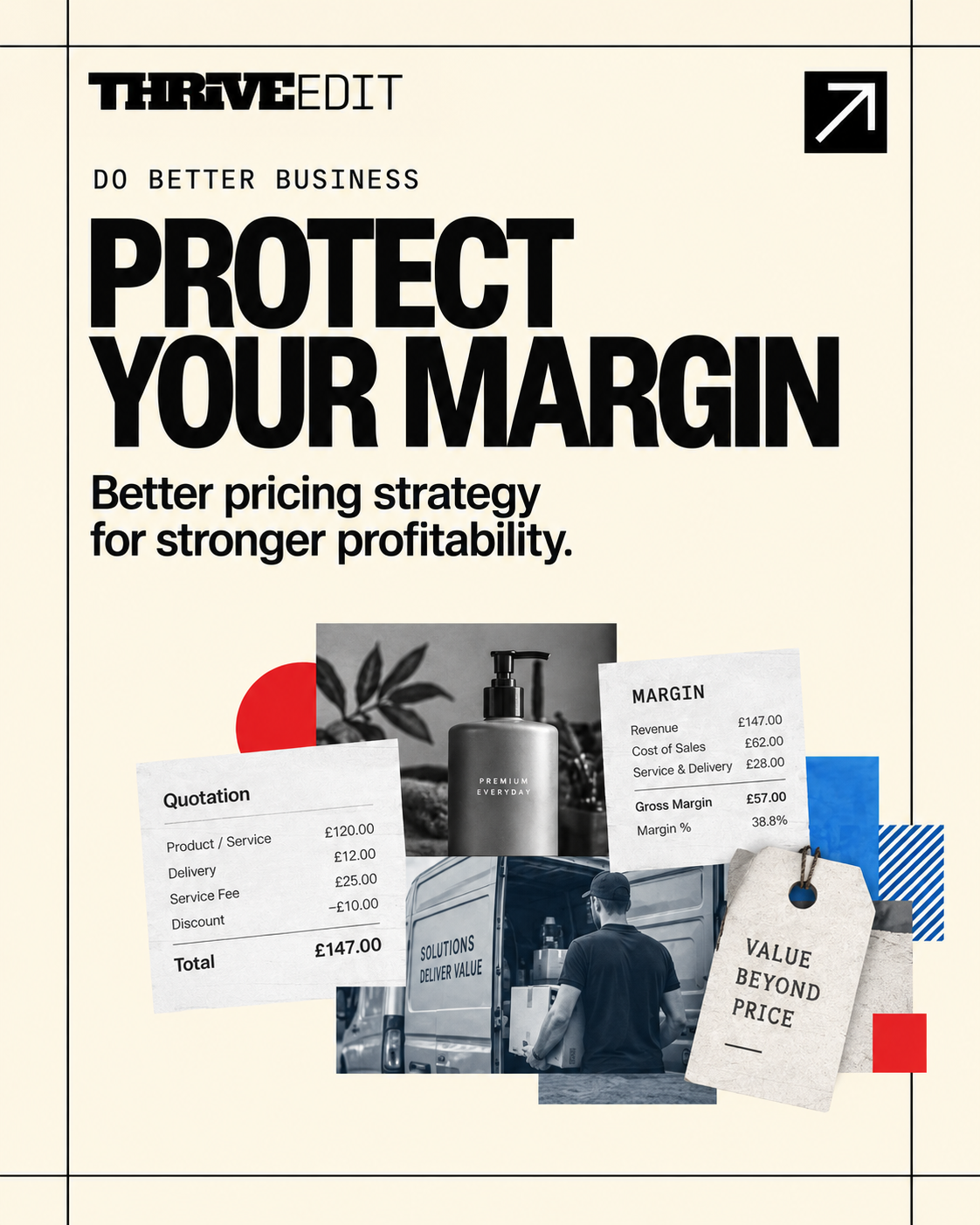
This week’s Do Better Business looks at cost-to-serve, price architecture and how businesses can make sure their pricing reflects the value and complexity built into what they actually deliver.

The frontier is easier to cross, Alcaidesa Marina’s €15m commercial development is taking shape and retailers are adapting to new import costs and changing customer habits. Drawing on recent conversations with Main Street businesses and our interview with Gemma Arias-Vasquez and Louis Montegriffo, we look at where Gibraltar retail goes next.

Algeciras and Tarifa are developing cruise offers of their own. Gibraltar remains the Bay’s established port of call, but a more ambitious regional tourism market makes the quality of each visitor’s experience here increasingly important. Thrive Editor, David Revagliatte explores what this could mean for local businesses. Gibraltar expects around 260 cruise calls in 2026. […]