
 Gibraltar Federation of Small Businesses


 Gibraltar Federation of Small Businesses

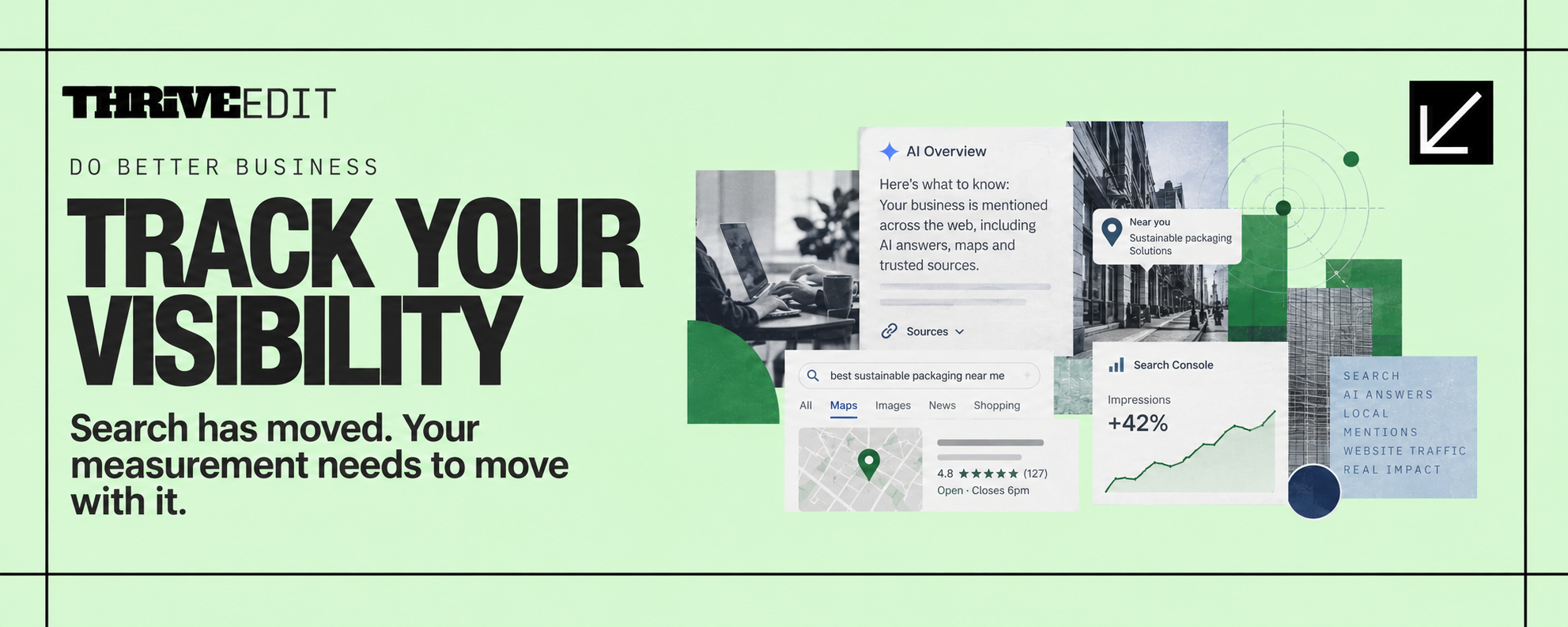
Search is exploding far beyond the traditional Google results page. From AI answers and interactive maps to voice assistants and ChatGPT, discovery is happening everywhere. To stay ahead, modern businesses need a high-definition view of where they show up, what gets surfaced, and how that visibility converts into real enquiries.
For years, measuring digital success was straightforward: rank on Google, get the click, and watch the session show up in Analytics.
That linear world is gone. Today’s prospects evaluate businesses across multiple touchpoints before ever visiting a website. They prompt ChatGPT for tailored recommendations, cross-check providers on Maps, explore via image search, and digest Google AI Overviews. With Google AI Overviews powering over 2.5 billion monthly active users and AI Mode blowing past one billion, discovery has been fundamentally redefined.
Obsessing over “where do we rank?” is no longer enough. The real questions are: Where are we being surfaced? Which topics drive active attention? And do AI platforms accurately understand what we offer?
Fortunately, measuring this shift is becoming much sharper thanks to upgrades in Google Search Console. With newly introduced Generative AI performance reporting, brands can now pinpoint exactly how often their content powers AI Overviews and AI Mode, track which URLs are being referenced, and monitor visibility shifts in real time. Combine that with expanded metrics across multimodal tools like Google Lens, and the picture becomes clearer than ever.
By layering these insights on top of classic search impressions, Maps interactions, and direct AI referral traffic, businesses gain an unprecedented composite view of how modern customers find them.
Website clicks still matter, but they now represent a milestone much further down the funnel. Whether choosing an accountant, real estate advisor, insurer, or hotel, buyers have likely interacted with your brand identity multiple times before hitting your landing page.
The true power of this data lies in uncovering which content assets actively drive authority. Consider a corporate firm with a polished, expensive homepage sitting beside a sharp, practical guide tackling a specific local regulation. If that guide consistently earns features across AI search engines while the homepage gets ignored, it reveals exactly what both audience and algorithms value most.
This dynamic plays out everywhere, from a hotel’s local neighbourhood guide to a retailer’s technical product spec or an expert’s industry breakdown.
This transforms content planning from a guessing game into a precision strategy. Instead of publishing content just to meet a schedule, businesses can double down on the high-value questions and domain expertise actively driving discovery.
While buzzwords like AEO (Answer Engine Optimisation) and GEO (Generative Engine Optimisation) dominate headlines, don’t throw out the SEO rulebook just yet. Google’s AI architecture is fundamentally anchored in core SEO principles. Clear product value propositions, robust technical site structure, targeted internal linking, structured schema data, and genuinely helpful original insights remain non-negotiable for securing top-tier visibility.
For local brands, an optimised Google Business Profile is equally vital, it feeds search engines real-time structured data on location, reputation, and core offerings.
This presents an immense advantage in markets like Gibraltar, where specialised knowledge is the primary currency. Potential clients are actively asking targeted queries:
Who can help me establish a business in Gibraltar?
Which Gibraltar insurance broker handles specialised marine cover?
What are the essential steps before relocating to Gibraltar?
Which hotel offers the best proximity to Main Street?
Businesses that answer these questions decisively position themselves as authoritative source material for both human buyers and AI models alike.
You don’t need an overly complex enterprise stack to take control. A streamlined monthly dashboard tracking search impressions, click-through rates, AI features, high-performing pages, AI referral links, and direct conversion signals gives you everything you need to make smart moves.
The true strategic value unlocks when you connect these data points. When an individual service line spikes in AI visibility, that’s your green light to expand content depth. High impressions paired with weak click-throughs signal a need to refresh your messaging. Growing web traffic without a spike in leads means it’s time to optimise conversion points down the page.
That level of active interpretation turns passive analytics into a competitive growth driver.
This strategic clarity is precisely why local agency Motion engineered Motion Radar. Instead of forcing teams to manually piece together fragmented reports across Analytics, Search Console, social tools, and third-party software, Motion Radar unifies traditional search rankings, AI discovery, web engagement, and social intelligence into one unified view, instantly highlighting content gaps and high-impact action items.
The mission is clear: uncover how your brand is truly discovered and transform those insights into immediate marketing momentum.
Search rankings and site traffic only tell part of the story. Today’s customers take non-linear, multi-touch paths across AI overviews, maps, social networks, and smart assistants long before making direct contact.
By building a comprehensive visibility baseline today, you position your brand to stay agile, capture emerging search behaviour, and dominate your niche as AI discovery evolves. When you next evaluate your marketing impact, look beyond mere clicks and ask:
Are you visible on AI platforms like Claude, ChatGPT and is your brand truly owning its narrative across modern search platforms?


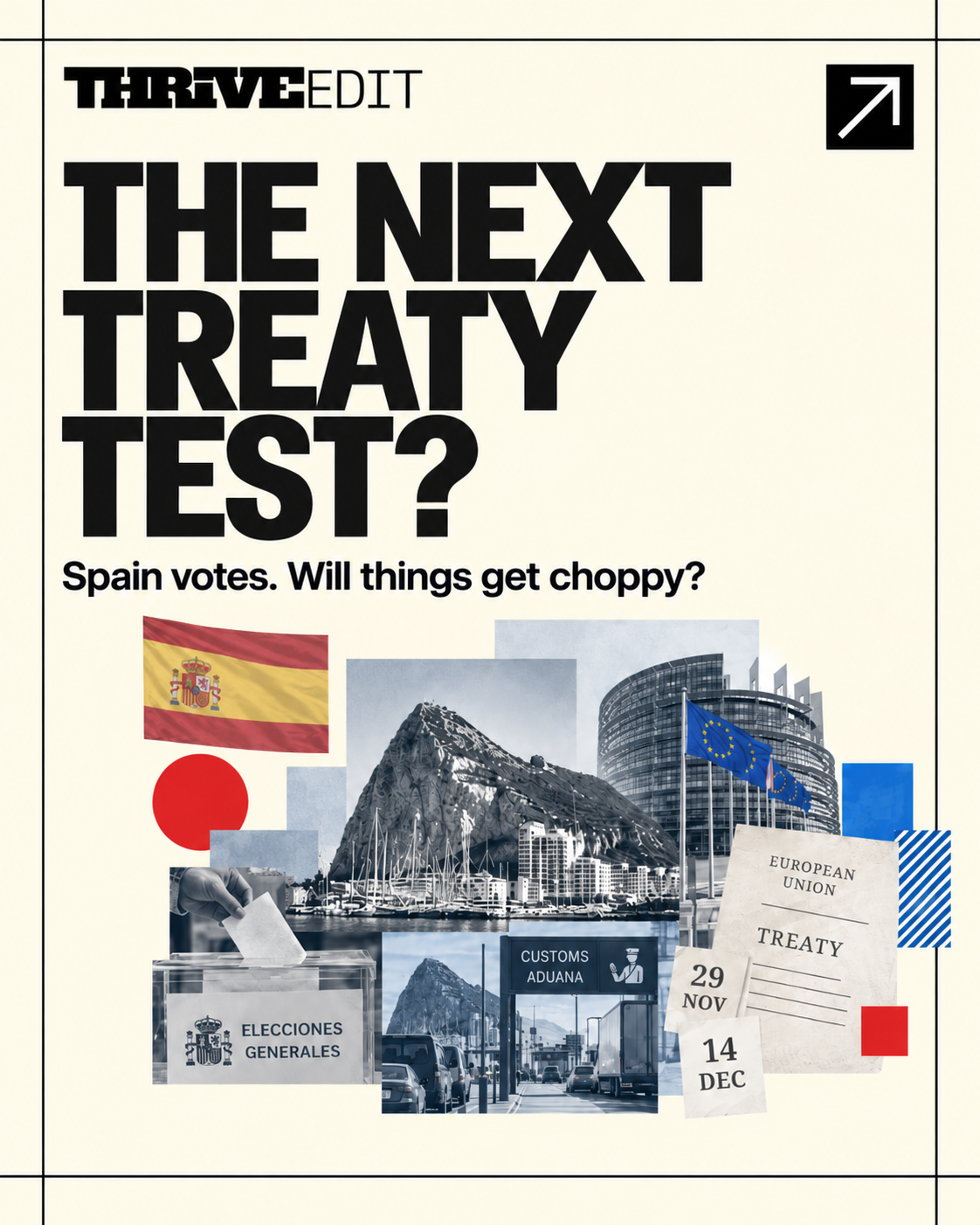

Spain’s snap election lands just weeks before the Gibraltar Treaty reaches its final European ratification stage. With the new arrangements already operating, attention is turning to whether today’s positive cooperation can withstand a change of government in Madrid.

Nearly £8 million in Transaction Tax has been levied since 15 July. With the first 90-day support period ending on 12 October, qualifying businesses are now looking for clarity on how much relief they can access and when they will feel the benefit.

This week’s Do Better Business looks at cost-to-serve, price architecture and how businesses can make sure their pricing reflects the value and complexity built into what they actually deliver.

The frontier is easier to cross, Alcaidesa Marina’s €15m commercial development is taking shape and retailers are adapting to new import costs and changing customer habits. Drawing on recent conversations with Main Street businesses and our interview with Gemma Arias-Vasquez and Louis Montegriffo, we look at where Gibraltar retail goes next.
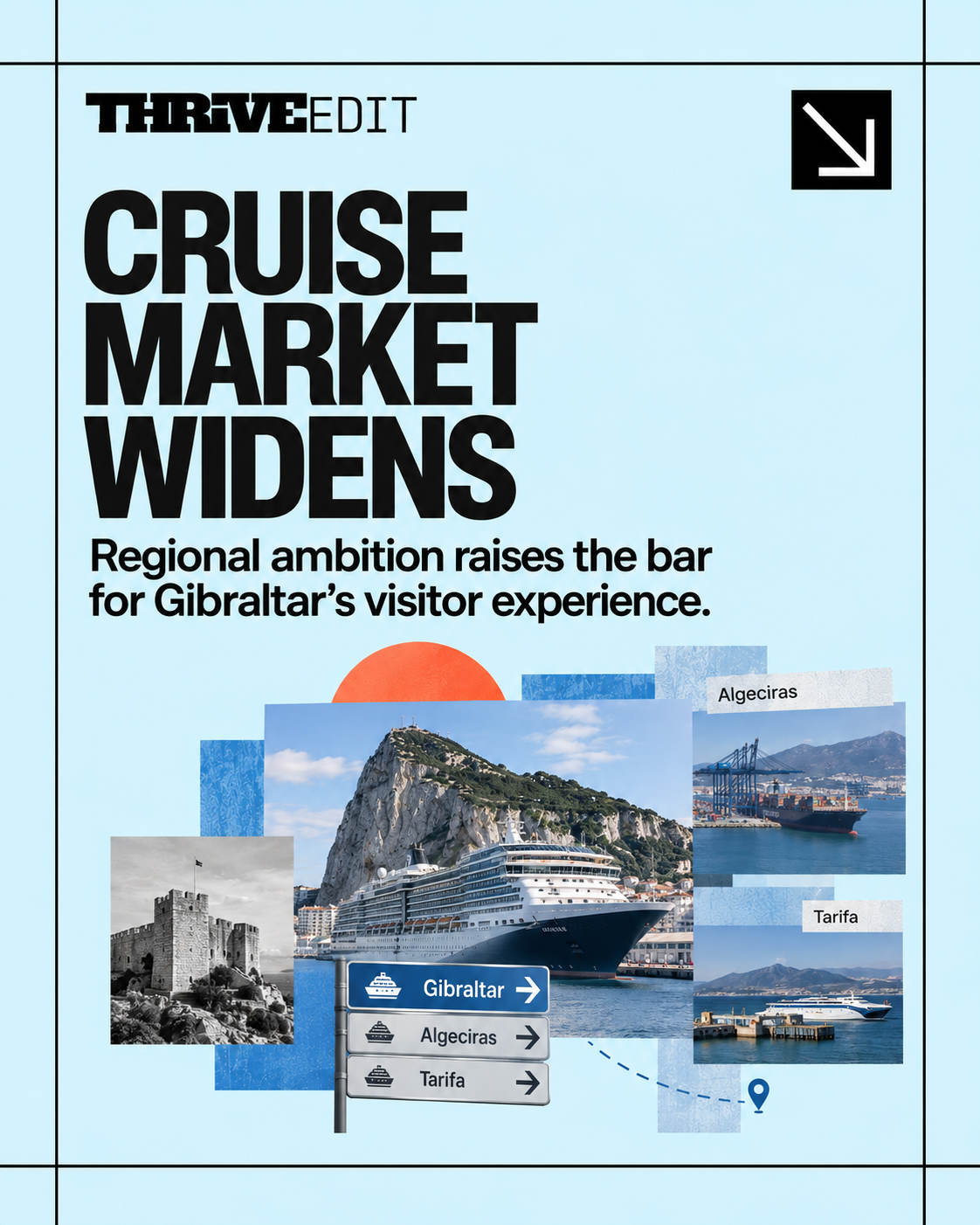
Algeciras and Tarifa are developing cruise offers of their own. Gibraltar remains the Bay’s established port of call, but a more ambitious regional tourism market makes the quality of each visitor’s experience here increasingly important. Thrive Editor, David Revagliatte explores what this could mean for local businesses. Gibraltar expects around 260 cruise calls in 2026. […]