
 Gibraltar Federation of Small Businesses


 Gibraltar Federation of Small Businesses


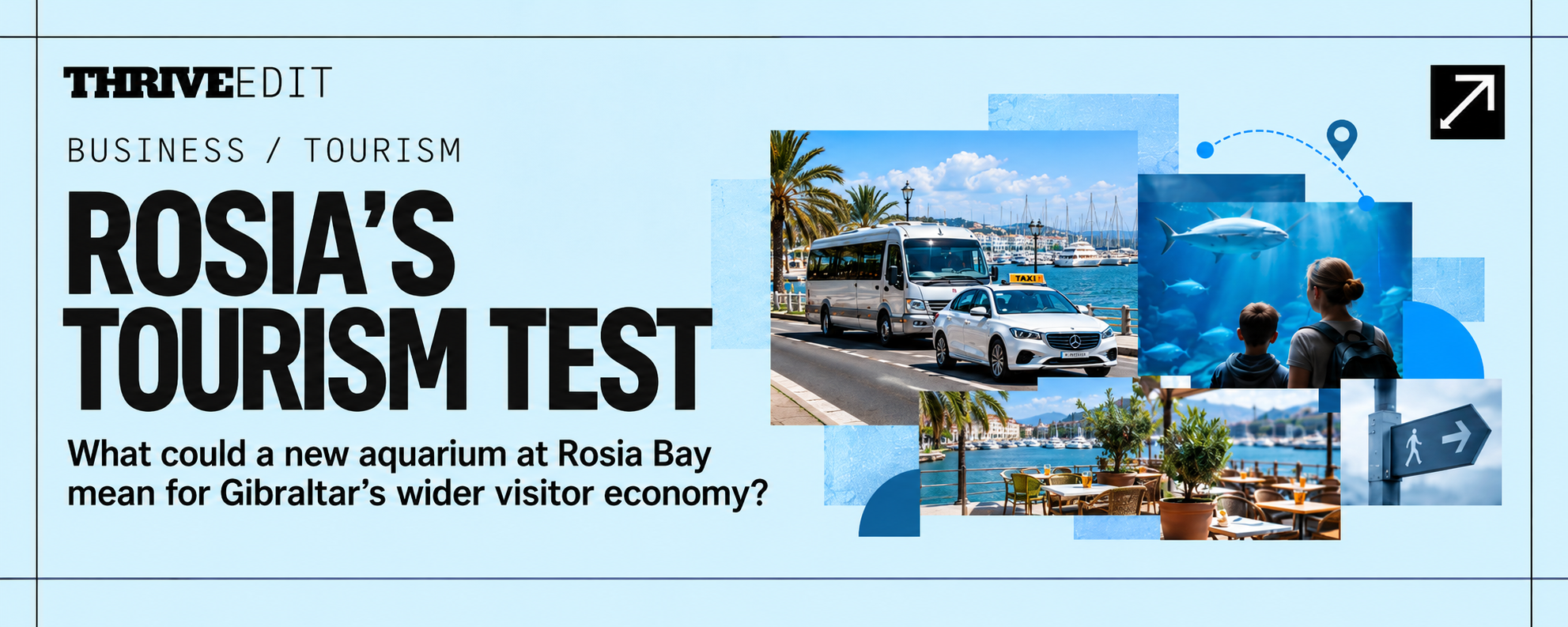
Plans for a new aquarium at Rosia Bay have cleared a major planning hurdle, with ambitious visitor projections and the promise of a new attraction for Gibraltar. But how does the development fit into the wider tourism picture, and what will it take to deliver lasting benefits for the local economy?
Gibraltar could soon add a new attraction to its tourism offering, following the Development and Planning Commission’s approval of plans to transform the historic Victualling Yard Storehouse at Rosia into a public aquarium. The project, which received full planning permission on 22 October, proposes restoring the 18th-century building to accommodate marine exhibits, educational and research facilities, cafés and a children’s soft-play area.
It’s an interesting addition to Gibraltar’s visitor offering, particularly as efforts continue to encourage tourists to explore more of the Rock. But the approval also raises questions about commercial viability and how individual attractions fit into Gibraltar’s wider tourism ambitions.
The aquarium’s business plan anticipates about 110,000 visitors annually, with ticket sales as its main source of revenue.
An assessment by Savills UK, presented by the applicant, supported the project’s financial viability even at lower visitor numbers. However, DPC members questioned whether construction estimates adequately accounted for specialist equipment and the complexities of restoring a historic building.
The Commission approved the application by a six-to-four vote, with one abstention, subject to conditions. A separate zoo licence will also be required. The proposal has encouraging elements, particularly the restoration of an underused heritage asset and opportunities for marine education and conservation.
The challenge will be attracting sufficient visitors throughout the year, particularly when tourists already have plenty of options for spending their time and money in Gibraltar.
Gibraltar’s tourism offering has evolved, with the restored Tower of Homage at the Moorish Castle, the opening of Trinity Lighthouse to visitors, and the Government’s wider Three Empires heritage initiative providing additional reasons to explore our history.
Cruise tourism remains important, with approximately 260 calls expected this year and the Tourist Board continuing to develop relationships with international operators.
With more attractions emerging, there’s an opportunity to consider how they work together. Could better-connected itineraries encourage visitors to explore beyond the familiar stops, spend longer in Gibraltar and support more businesses along the way?
Rosia’s maritime heritage and waterfront setting could make it an interesting addition to a southern sightseeing route, perhaps connecting the aquarium with Europa Point and other attractions.
For local tour operators, that could mean developing new excursions or adding another stop to existing packages. Taxi and transport operators could benefit from scheduled transfers, while businesses offering guided experiences could build new itineraries around Gibraltar’s maritime history and marine environment.
These possibilities depend heavily on accessibility. The developer has proposed timed entry, visitor stewards and arrangements for buses and organised tours, with traffic and the impact on residents considered during planning.
Reliable, convenient transport will be essential if the aquarium is to attract visitors who might otherwise remain around the town centre or Upper Rock.
The aquarium also sits alongside separate proposals for the wider redevelopment of Rosia Bay, potentially introducing hospitality, leisure facilities and a maritime heritage attraction. Those plans remain under negotiation, although the planning process referenced discussions between the prospective developers.
If the projects are coordinated, Rosia could become a destination where visitors spend several hours rather than making a brief stop.
That raises practical questions for business. Could nearby cafés and restaurants develop offers for families and tour groups? Might local businesses collaborate on joint promotions or combined experiences? And could schools and educational providers build regular visits into their programmes, creating activity outside the main tourist season?
Opportunities also exist during the aquarium’s development and operation. Construction, maintenance, catering and other services could generate work for local suppliers, although it would be useful to understand what procurement opportunities will be available and how Gibraltar businesses could access them.
The aquarium’s proposed conservation activities also connect with Gibraltar’s participation in the Nature Positive Tourism pilot. Partnerships with local environmental organisations and educational providers could give the attraction a role beyond conventional sightseeing.
The aquarium’s planning approval is a significant milestone, although its commercial assumptions and practical delivery will rightly remain under scrutiny.
For Gibraltar’s wider tourism industry, another important question is how much of the projected 110,000 annual attendance would be additional visitors and spending, and how much would come from tourists already here who might simply choose the aquarium over another attraction.
For GFSB Members, the opportunities become more interesting if the aquarium helps attract new visitors, extends their stay or encourages them to explore parts of Gibraltar they might otherwise miss.
Making that happen will require coordination between attraction operators, transport providers, the Tourist Board and the businesses hoping to serve those visitors.
The real measure of success will extend beyond the aquarium’s own ticket sales. It will be how effectively this investment becomes part of a connected tourism offering that brings more commercial activity to Gibraltar and shares its benefits across the local economy.
What do you think?
Could the Rosia aquarium help attract more visitors and create new opportunities for Gibraltar businesses? Or should we be looking at the bigger picture and how our attractions work together?
We’d love to hear from GFSB members, particularly those working in tourism, hospitality and retail. What would make developments like this genuinely valuable to your business, and what would you like to see prioritised in Gibraltar’s wider tourism strategy?
Share your views with us via the Community pages on GlueUp or email us at gfsb@gfsb.gi. We’d love to bring more local business perspectives into this conversation.




Government’s cyber incident is a useful reminder for Gibraltar businesses to review cloud access, MFA and their response to compromised accounts.
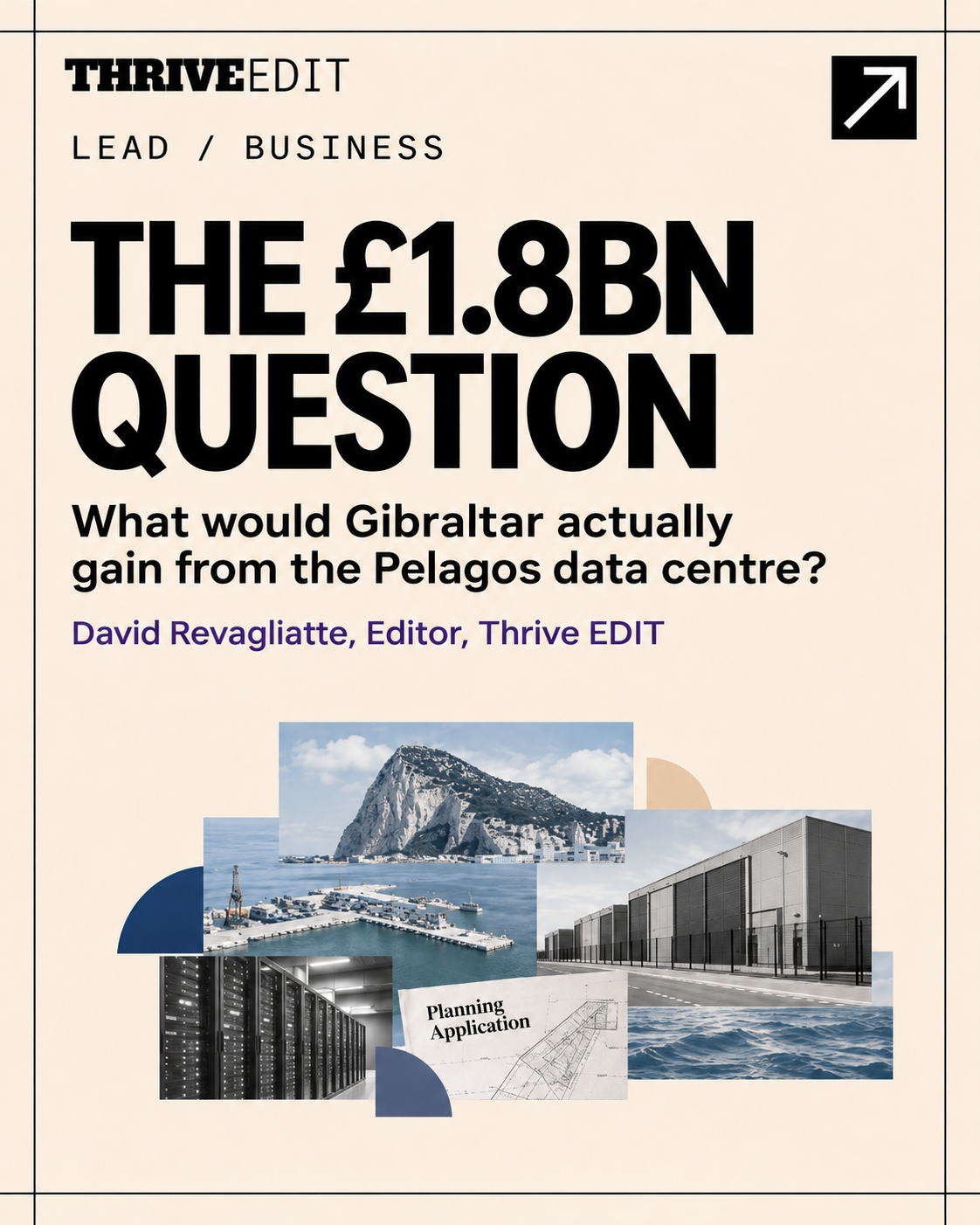
Pelagos promises major investment and jobs, while opposition grows around land and environmental impact. We examine what Gibraltar could gain.
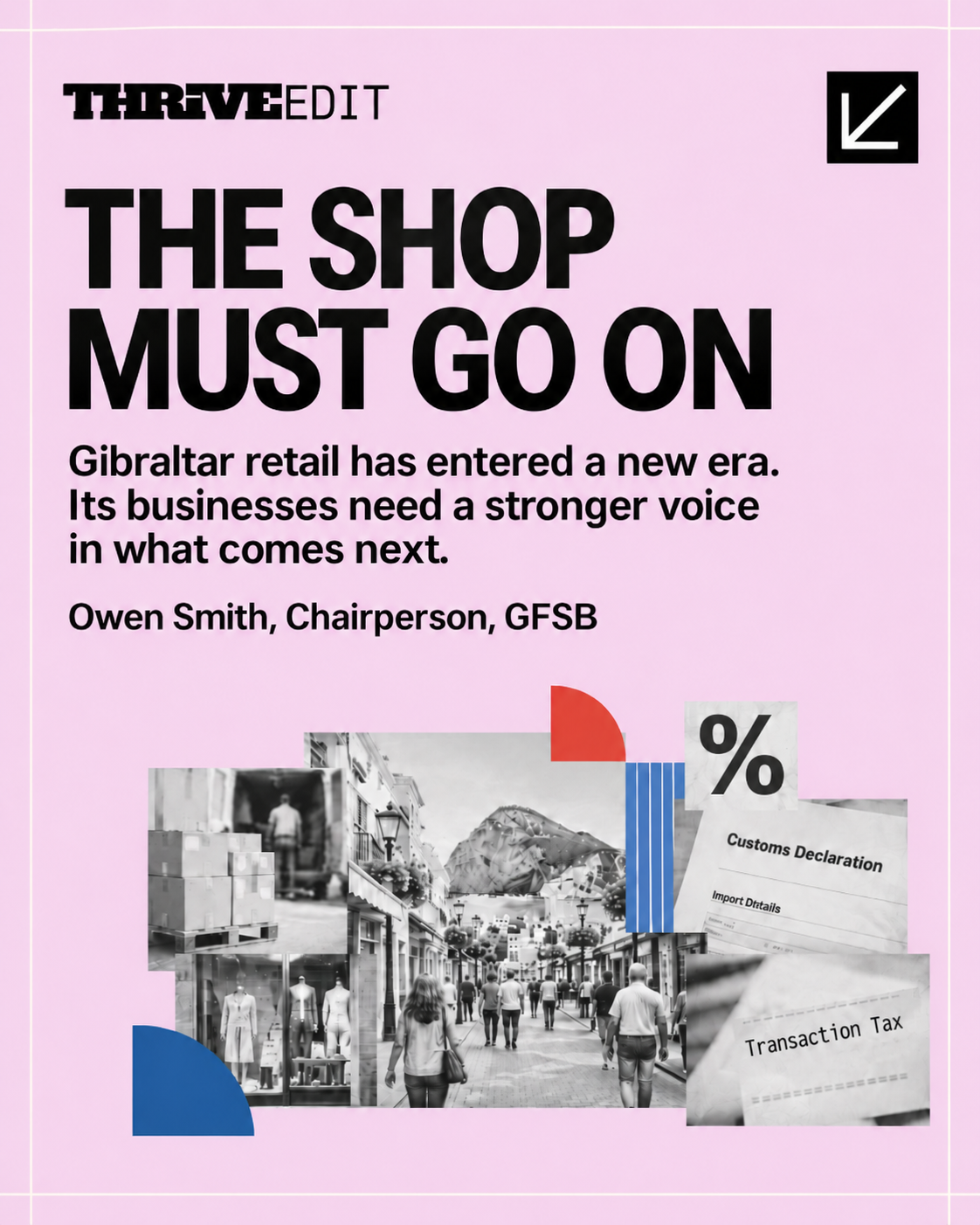
Gibraltar retail is entering the real post-Treaty trading environment. GFSB Chairperson Owen Smith argues that faster support, better infrastructure and a stronger collective business voice are now needed.
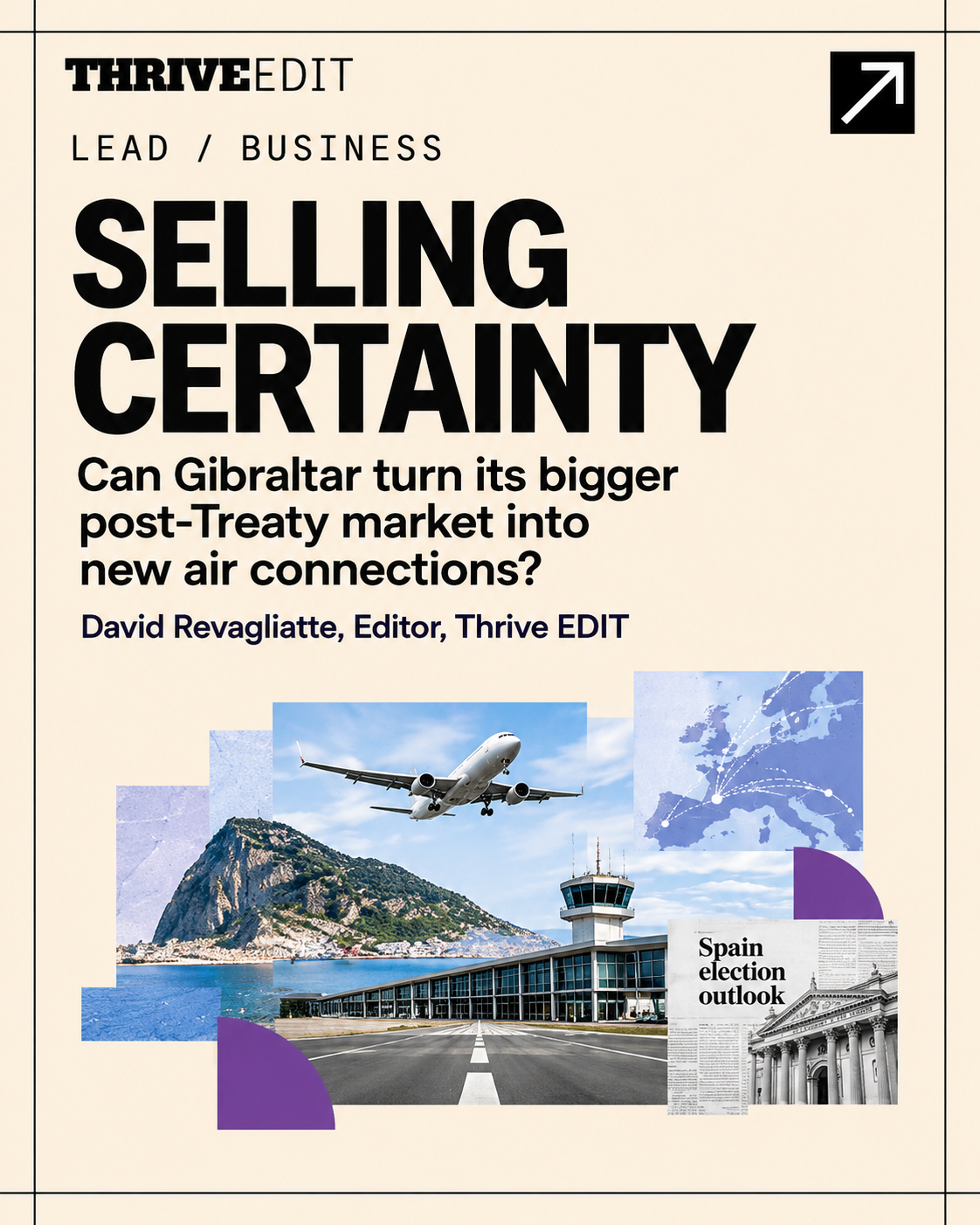
Gibraltar is pitching airlines a much bigger regional market after the Treaty, but new routes require confidence years ahead. As Spanish election politics gets louder, can Gibraltar sell both the opportunity and the certainty behind it?

Changes to Gibraltar’s procurement rules have triggered a debate about how public concessions are awarded. What has changed, and what does it mean for businesses competing for Government work?