

 Gibraltar Federation of Small Businesses


 Gibraltar Federation of Small Businesses


Changes to Gibraltar’s procurement rules have sparked a debate about how public contracts are awarded. What has changed, and what does it mean for businesses competing for Government work?
Amendments to Gibraltar’s Procurement (Concession Contracts) Regulations, introduced on 15 October, have expanded the circumstances in which public authorities can negotiate directly with operators without an open tender. The changes have prompted disagreement between the Government and Opposition over transparency and competition. For businesses, the main concern is whether public-sector opportunities remain accessible.
A concession allows a private operator to run a public facility or service, typically generating revenue from users while assuming commercial risk. Unlike a conventional Government contract, where a supplier is paid to deliver specified goods or services, a concession often involves private investment and longer-term operating arrangements. The amendments apply specifically to concessions, rather than ordinary public procurement.
Public authorities can now negotiate directly with operators in certain circumstances, including where a previous competitive process attracted no suitable bids, only one operator can provide the service, or unforeseeable circumstances create extreme urgency.
The regulations also provide for direct negotiations where a Minister considers them necessary and proportionate to protect specified public interests, including safety and critical infrastructure.
Previously advertised expressions of interest may qualify as an earlier procurement process if they met transparency and fairness requirements. The amendments can also apply to procedures already under way when the changes took effect.
Separate provisions address the duration of major infrastructure concessions involving investment of at least £5 million.
The Government argues that the changes bring Gibraltar’s framework closer to UK rules and provide flexibility where conventional tendering would cause unnecessary delays.
The GSD Opposition has questioned whether the provisions allow too much discretion, particularly for contracts already under consideration. It also disputes the Government’s claim that the amended rules mirror UK legislation. The Government maintains that the changes were not designed to benefit any particular operator or contract.
The regulations retain requirements concerning transparency, equal treatment and conflicts of interest. Direct awards require written justification. The Government says reports explaining these decisions will be laid before Parliament, while concession award notices must be published within 48 days. Businesses that believe procurement rules have been breached can seek remedies through the Supreme Court.
Public contracts can provide valuable opportunities for Gibraltar businesses, particularly smaller firms looking to expand. Direct negotiations may be justified where specialist expertise is limited or competitive tendering has failed. However, businesses need confidence that opportunities remain accessible and decisions are properly justified.
Companies interested in public-sector work should continue monitoring the Procurement Office’s Supplier Network Portal and published concession award notices. The practical test will be how the amended rules are applied. Will they make procurement more efficient while preserving fair competition, or reduce opportunities for businesses to compete openly?
What’s your view on the recent changes, and do they impact your business? Let us know at gfsb@gfsb.gi


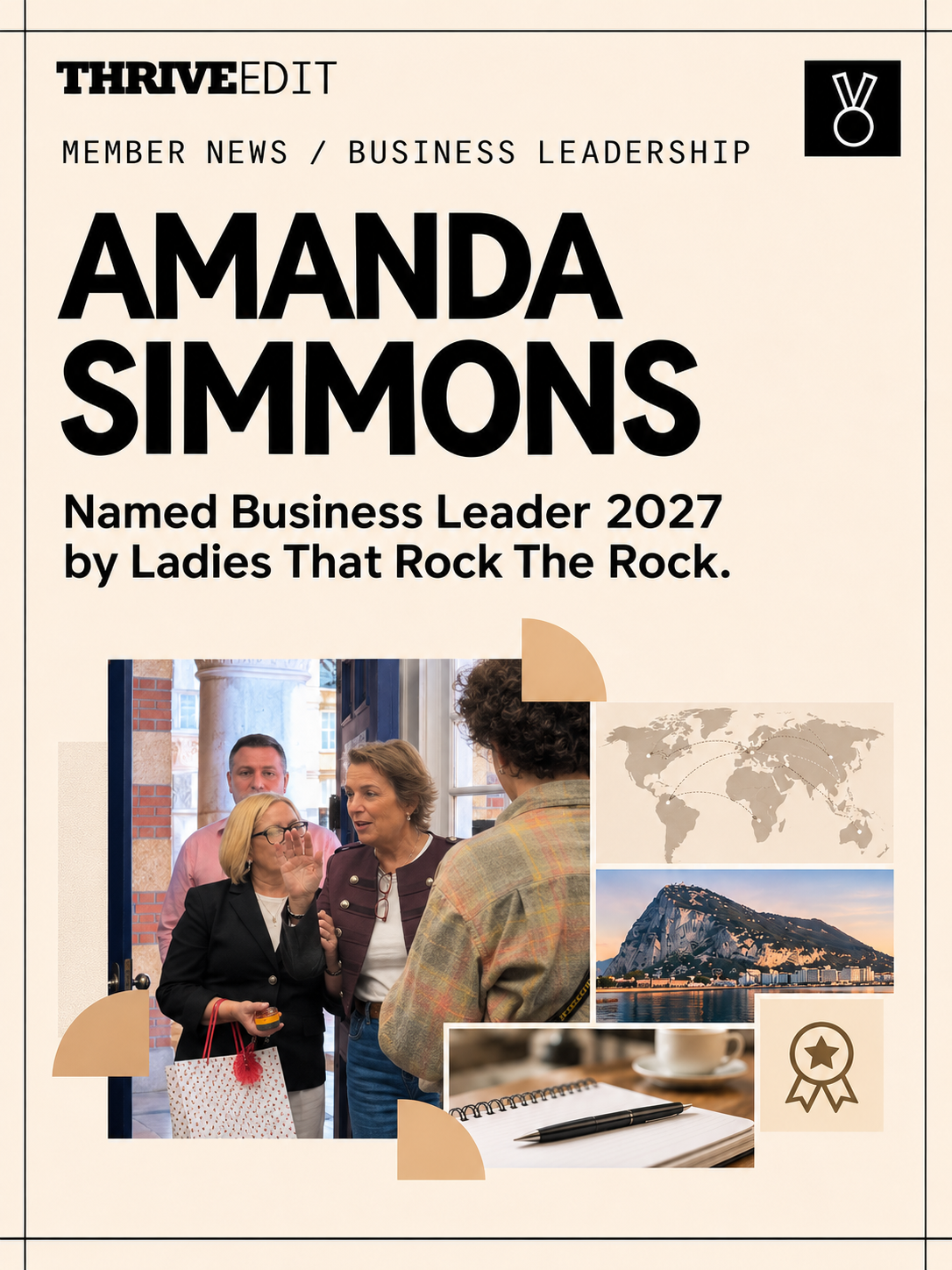
Gibraltar entrepreneur and GFSB member Amanda Simmons has been named Business Leader 2027 by Ladies That Rock The Rock. The award recognises a remarkable career that has taken her from the Royal Air Force to international professional services and the creation of Advisiom Global M&A, headquartered in Gibraltar.

How comfortable are we talking about our own achievements? The latest GFSB Women in Enterprise breakfast explored personal branding, confidence and professional visibility, with Grace Davis, Zoe Frendo and Jessica Podesta sharing their experiences and practical advice on making yourself more visible at work.
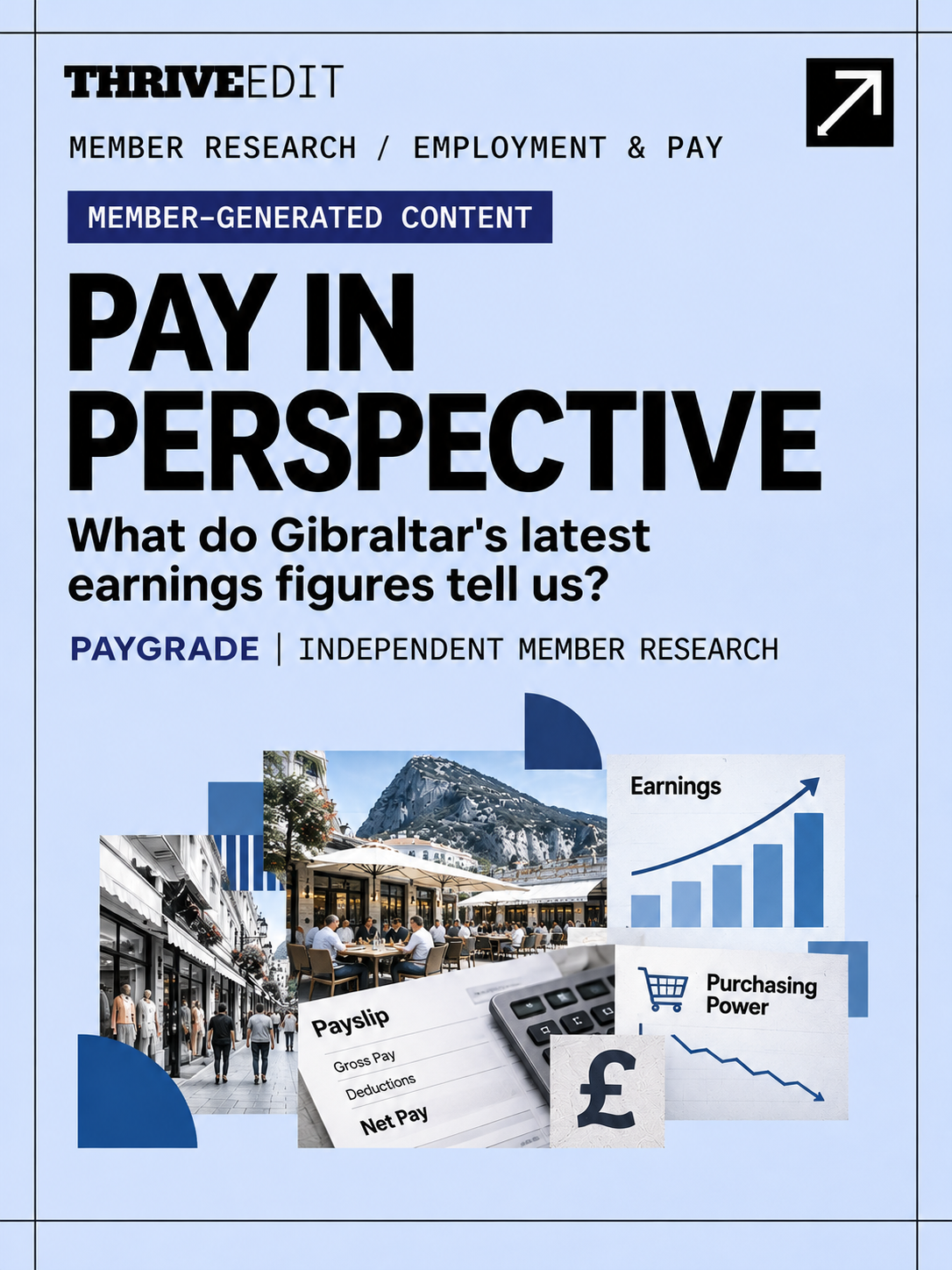

New research from GFSB member Paygrade finds that Gibraltar's average earnings are rising faster than inflation, although purchasing power has yet to recover fully. The independent analysis explores wages across key private-sector industries, with detailed findings available in the full report.

Gibraltar has introduced a new tax deduction for businesses investing in energy efficiency and sustainability. Eligible companies can deduct 50% of qualifying expenditure, capped at £10,000 per claim. Here's what's covered, how to apply and why businesses should review investments made since July 2024.

Businesses in Main Street, Casemates and Chatham Counterguard are being invited to help shape planned improvements to Gibraltar's commercial areas. We look at the practical priorities worth raising and how to take part.