
 Gibraltar Federation of Small Businesses


 Gibraltar Federation of Small Businesses

When people look for a local business, they often start with Google. They may search for “coffee near me”, “accountant Gibraltar”, “hairdresser open now”, “restaurant Ocean Village”, “plumber near me” or simply type the name of a business they have heard about. In many cases, the first thing they see is not the business’s website. It is the Google Business Profile.
That small panel on Google Search and Google Maps can carry a lot of weight. It shows opening hours, location, phone number, website, photos, reviews, services, directions and updates. For many customers, it is the point at which they decide whether to call, visit, book or move on.
Simply put, it is one of the simplest ways to make sure customers can find the right information at the right time. A Google Business Profile is free to create and manage, and Google describes it as a way for businesses to appear on Search and Maps, with photos, offers, posts and other information that can help turn people who find the business into customers.
What is a Google Business Profile?
Google Business Profile is the tool that allows businesses to manage how they appear on Google Search and Google Maps. It is particularly useful for local businesses because it helps customers find practical information quickly. This includes where the business is, when it is open, how to contact it, what it offers and what other customers have said about it.
To qualify for a Business Profile, Google says a business should generally make in-person contact with customers during its stated hours, although there are some exceptions. This means it is especially relevant for shops, restaurants, salons, clinics, gyms, tradespeople, professional services firms, attractions, venues and service-area businesses that visit customers.
A profile can be created, claimed and verified through Google. Verification matters because it gives the business owner or authorised manager control over the information shown publicly.
Once verified, the business can edit details, upload photos, respond to reviews, add services, publish updates and check how people are interacting with the profile.
Why it matters
A Google Business Profile is often the digital front door of a local business.
For someone walking through town, arriving on a cruise ship, visiting from Spain, searching from home or comparing options before making a booking, the profile may be the first real impression they get.
If the information is wrong, incomplete or outdated, customers may lose confidence. Incorrect opening hours can lead to frustration. A missing phone number can cost an enquiry. Poor photos can make a good business look neglected. Unanswered reviews can make it seem as though no one is paying attention.
This is particularly relevant here because the market is local, mobile and reputation-driven. Many customers make quick decisions based on convenience, trust and visibility. If two similar businesses appear in a search, the one with clearer information, better photos and more recent reviews may feel like the safer choice.
This is not just about being online. It is about being visible, present and easy to choose.
What should businesses include?
A business should check that its name, address, phone number, website, opening hours and business category are accurate. Google’s guidelines say businesses should represent themselves consistently and accurately, and avoid misleading information or unnecessary additions to the business name.
The business category is important because it helps Google understand what the business does. A restaurant, estate agent, solicitor, dentist, gym, florist or electrician should choose the most accurate category available, then add services or products where relevant.
Opening hours should be reviewed regularly. This includes public holidays, summer hours, Christmas hours and any temporary closures. In Gibraltar, where bank holidays, major events, cruise ship days and seasonal trading patterns can affect footfall, keeping hours updated can make a real difference.
The description should explain what the business does in plain language. It should be useful rather than stuffed with keywords. A good description tells customers who the business helps, what it offers and what makes it relevant.
Businesses should also add services, products, menus, booking links or appointment links where appropriate. The goal is to reduce friction. If a customer wants to call, book, order, visit or ask a question, the next step should be obvious.
Photos make the business feel real
Photos are one of the simplest ways to improve a profile. Google allows businesses to add photos and videos of their storefront, products and services, and notes that exterior photos can help customers recognise the business when they visit.
It means a restaurant can show its dining room, dishes, terrace and atmosphere. A salon can show its space and finished work. A shop can show product ranges and displays. A gym can show equipment and facilities. A professional services firm can show the office, meeting rooms and team.
The aim is not to make the business look artificial. The aim is to help customers understand what to expect.
Good photos should be clear, current and authentic. Stock images rarely help. Outdated images can mislead. A business that has refurbished, moved premises, changed branding or introduced new products should update its images.
This is also a useful habit because recent activity signals that the business is alive and maintained.
Reviews are part of the customer journey
Reviews matter because they provide social proof. Many customers will read them before visiting, booking or calling. A strong review profile can build trust before the first conversation has even happened.
Businesses should make it easy for satisfied customers to leave reviews, but they should do so properly. That means asking naturally after a positive experience, sharing the correct review link and avoiding anything misleading. Reviews should not be bought, faked or pressured.
Responding to reviews is just as important. A short thank you shows appreciation. A calm, professional response to a negative review shows that the business takes feedback seriously.
The response should not be defensive. It should acknowledge the concern, explain where appropriate and invite the customer to continue the conversation privately if needed. Future customers are often watching how the business behaves as much as what the original reviewer said.
For small businesses, reviews are also a source of insight. Repeated praise shows what customers value. Repeated complaints show what needs attention.
Posts, offers and updates
A Google Business Profile can also be used to publish updates.
Google says businesses can post announcements, offers, updates and event details directly to their profile on Search and Maps. This can be useful for seasonal promotions, new menus, events, workshops, product launches, appointment availability, holiday hours or important notices.
For example, a restaurant could post a Valentine’s menu. A retailer could promote a new collection. A clinic could share available appointment slots. A training provider could post details of an upcoming course. A venue could promote an event.
Posts do not need to replace social media or email marketing, but they can support them. They are especially useful because they appear close to the moment when someone is already searching for the business.
The key is to keep updates practical. A neglected profile with old posts from months ago can look stale. A few timely updates can make a business feel current.
How to use performance data
Google Business Profile also provides performance information. Google says profile owners and managers can check views, clicks and other customer interactions from Search and Maps, and use date ranges to understand how people interact with the profile over time. This data can help businesses make better decisions.
If many people are asking for directions, the profile may be helping drive footfall. If people are clicking through to the website but not booking, the website may need work. If searches increase after new photos, reviews or posts, that may suggest the profile is becoming more effective.
Businesses can also learn how customers are finding them. Are people searching by name, or are they discovering the business through category searches such as “restaurant”, “dentist” or “accountant”? That distinction matters. A business that is only found by name may already be known. A business appearing for broader searches may be reaching new customers. The numbers do not need to be over-analysed. They simply give the owner another way to understand customer behaviour.
Don’t make these mistakes
The most common mistake is creating a profile and then forgetting about it. A Google Business Profile should be treated as an active part of the business’s marketing and customer service. It should be checked regularly, especially when hours change, services change, staff move, premises are updated or contact details are revised.
Another mistake is using the business name field to add extra keywords. Google’s guidelines are clear that businesses should represent their real-world name accurately. Adding phrases such as “best”, “cheap”, “near me” or a long list of services into the name can create problems and make the business look less professional.
Poor photos are another issue. So are unanswered reviews, missing categories, broken links and phone numbers that no one answers. Businesses should also be careful when working with third parties. Google warns that third parties cannot guarantee placement on Google Search or Maps through special means, and business owners have the right to know how their profile is performing.
The broader picture
Google Business Profile is not a magic solution. It will not fix weak service, poor products or an unclear offer.
For local small businesses, a Google Business Profile is one of the simplest and most important digital tools available. It helps customers find accurate information, builds trust through reviews, supports local visibility and turns online searches into real-world actions.
For Gibraltar’s business community, this is especially valuable. The local market includes residents, cross-border workers, visitors, tourists, cruise passengers and people comparing options quickly on their phones. A clear, current and well-managed profile can help a business stand out at exactly the moment someone is ready to act.
The best profiles are not necessarily the most polished. They are the most useful. They tell customers where the business is, when it is open, what it offers, what it looks like and what other people think of it. In a busy local market, that can be enough to turn a search into a sale.
About the author
David Revagliatte is the founder of Motion, a Gibraltar-based marketing and communications agency. Motion can help businesses set up, verify and manage their Google Business Profile, including updating key details, improving listings and making it easier for customers to find them online.
Find out more at motion.gi




Governments and geopolitical strategists use simulations to test what might happen when other players react. The same thinking can help businesses challenge assumptions, anticipate competitors and prepare for decisions before real money is on the line.

From Hong Kong to Abu Dhabi, Gibraltar is pursuing new industries and investors as part of a major economic diversification drive. Minister Nigel Feetham says the campaign is already generating business. The bigger question is how far those opportunities can spread through Gibraltar’s wider economy.
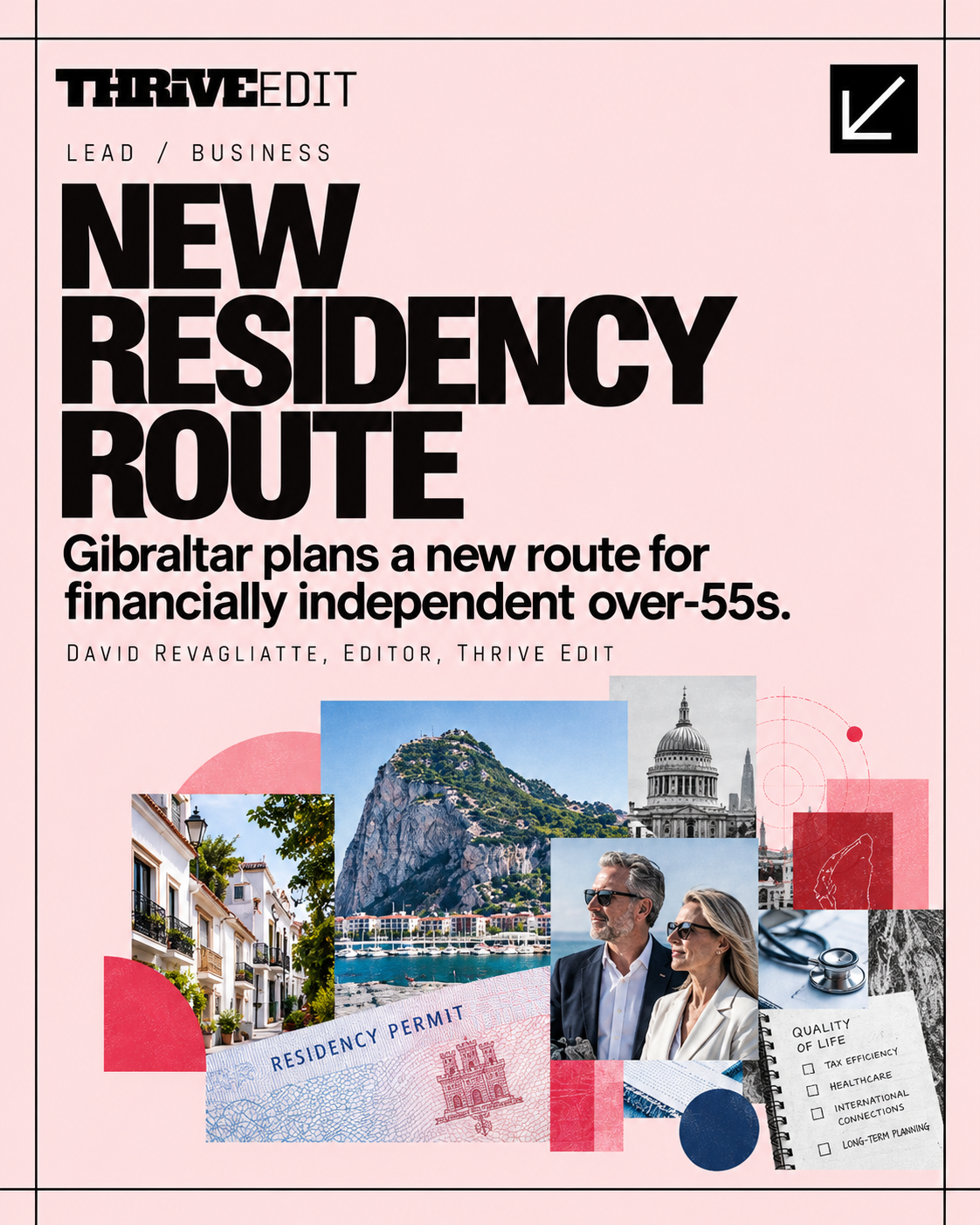
Gibraltar plans a new residency route for financially independent over-55s alongside a new business think tank announced at GibLink London.
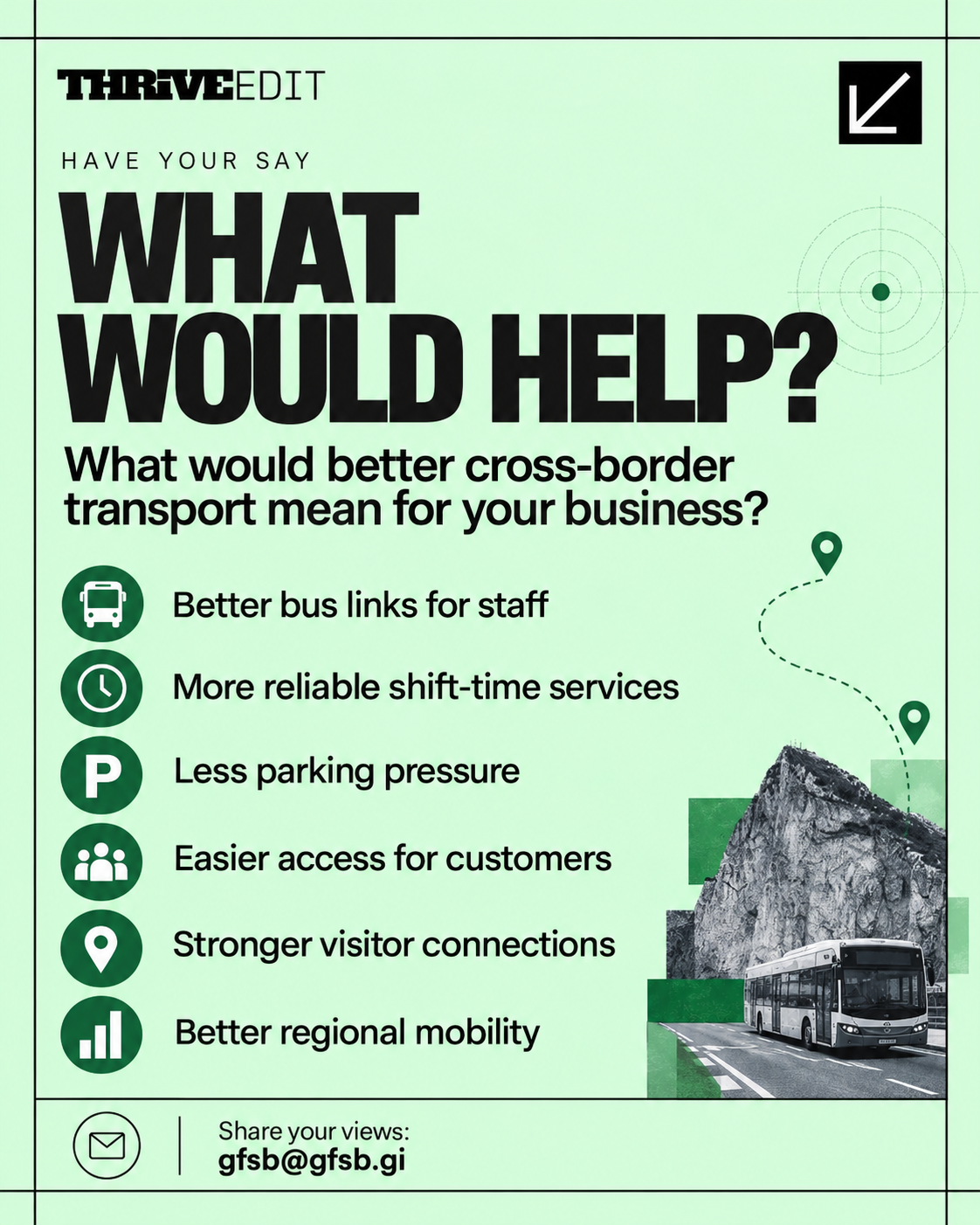
New frontier lanes and discussions around a cross-border transport interchange raise questions about buses, workers, visitors and business connectivity.
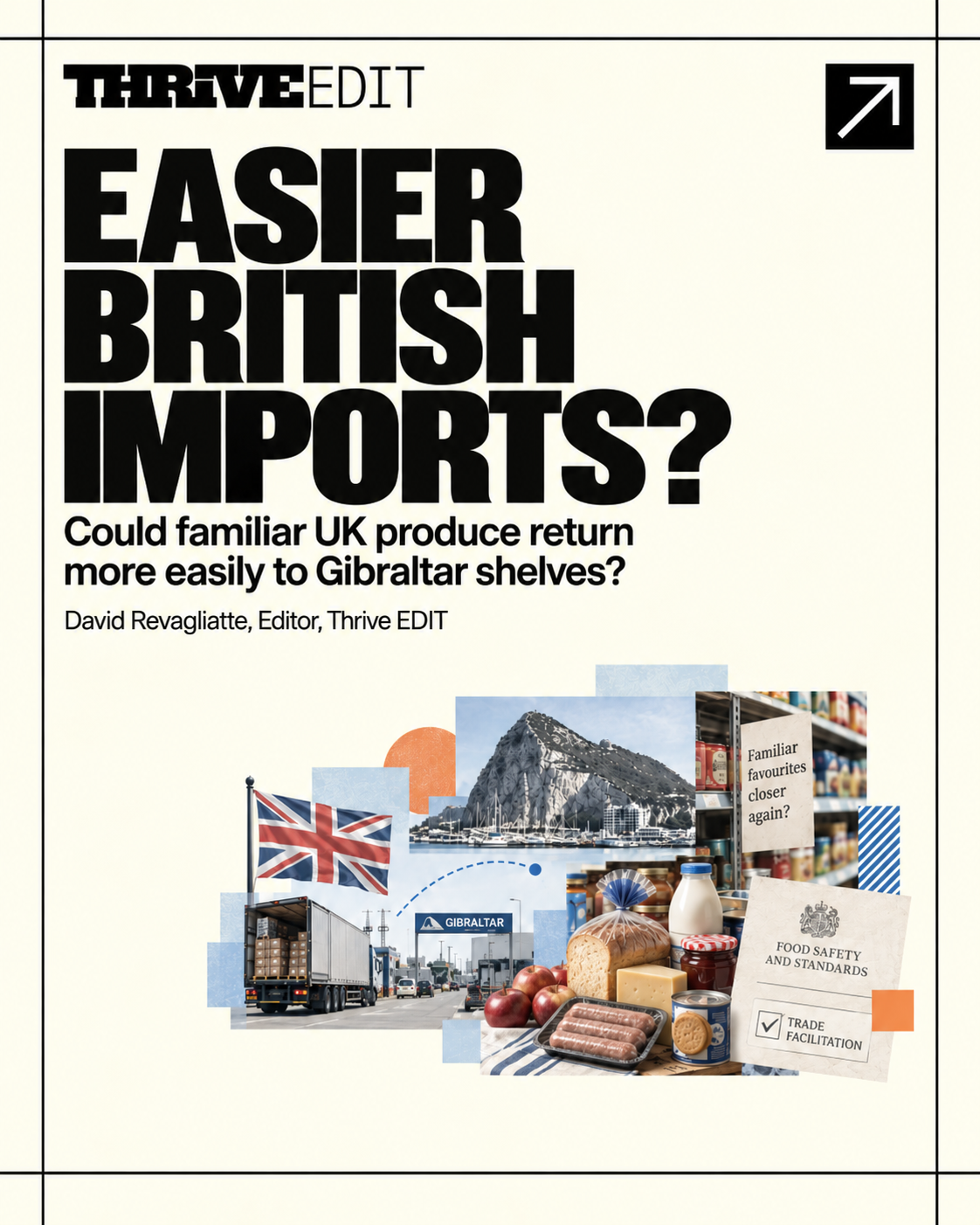
Could a future UK-EU food agreement make it easier for British produce to return to Gibraltar shelves? British produce has long been part of Gibraltar’s shopping experience; I wrote about it a couple of years ago, before we had a Treaty in place. From supermarket staples and fresh food to familiar household brands, we’ve spent […]