

 Gibraltar Federation of Small Businesses


 Gibraltar Federation of Small Businesses

By David Revagliatte
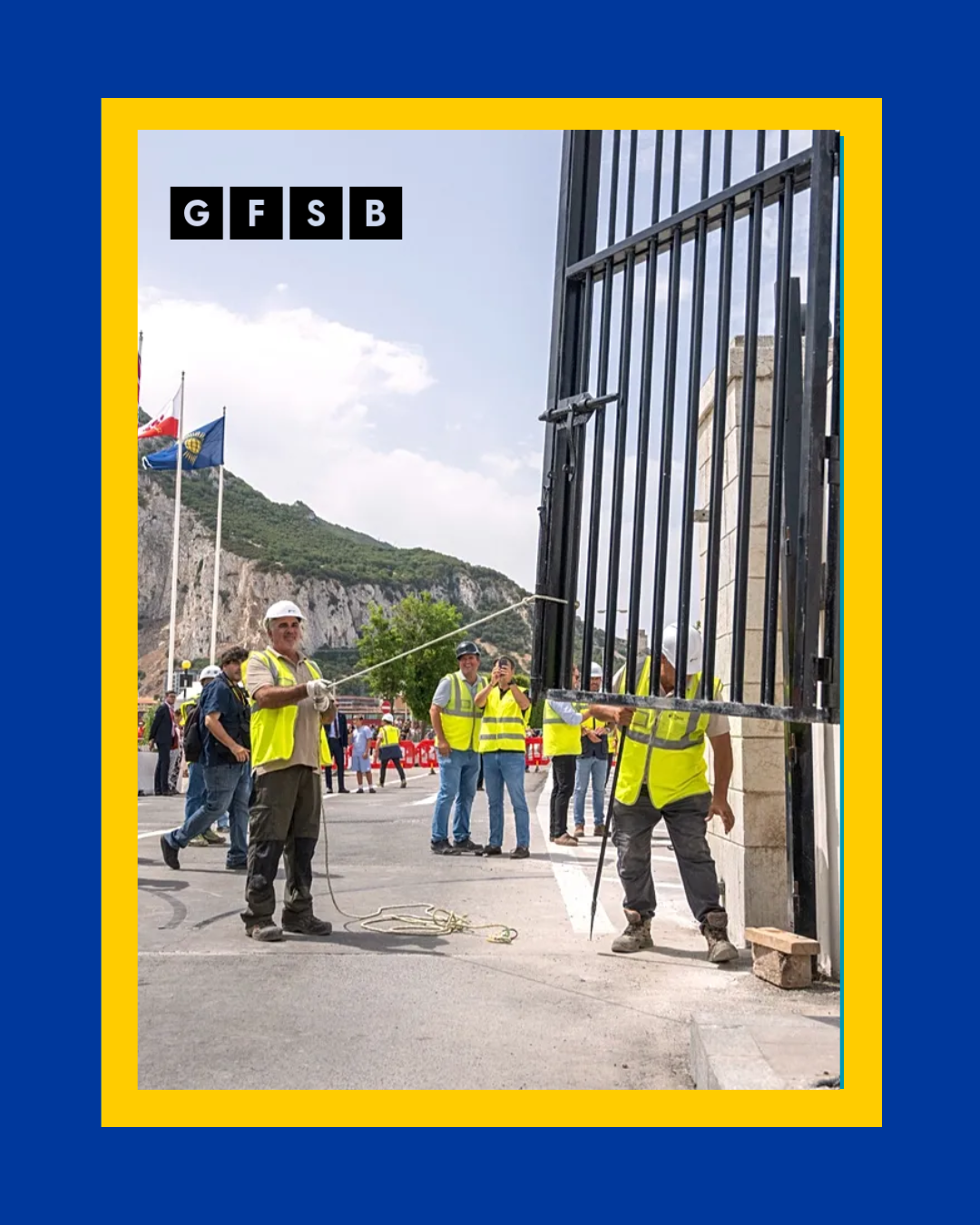
If you’ve walked or driven through what used to be the frontier recently, you’ll know what everyone has been talking about. People are moving through with barely a pause, breezing through thinking they’ve simply forgotten to show their passport. It’s a remarkable change. So why are goods taking hours to clear?
That’s the question many GFSB members have been asking over the past week. While some early reports described the situation as “chaotic”, the reality is more complex. The delays aren’t being caused by a single issue. They’re the result of an entirely new customs system bedding in, with importers, freight agents and officials all learning new processes and referring to the guidelines in real time.
What’s changed?
Since 15 July, Import Duty has begun giving way to Transaction Tax. At the same time, goods entering Gibraltar are now moving through a much more formal customs process.
For businesses, that means importing is no longer simply about bringing stock across the frontier. Every shipment now needs the right declarations, supporting evidence and, in many cases, the correct customs registrations before it can be released.
Even transitional goods ordered before implementation aren’t automatically exempt. Government guidance makes clear that what matters is when the movement of the goods began, not simply when they were purchased.
People move freely. Goods need paperwork.
The new arrangements allow people to cross the frontier with unprecedented ease. Goods, however, must now move through a customs system designed to identify the importer, the declarant, the applicable tax treatment and, where required, the appropriate EORI and Spanish NIF registrations.
Under the new arrangements, importing goods is no longer just a matter of arriving at the frontier with stock and paying the old duty. The process now depends on who is importing, who is making the customs declaration, who is paying the relevant tax and whether the right customs identification is in place.
Government guidance says traders operating customs movements connected with Spain and the wider EU customs territory may need an EORI number. For Gibraltar traders operating movements in or through Spain and the EU customs territory, a Spanish-issued EORI is required. That Spanish EORI is linked to a Spanish NIF, meaning a trader cannot obtain the EORI without first obtaining the NIF.
Basically, without an EORI, traders cannot participate in EU customs procedures. The guidance explains that these systems need to identify the consignee, declarant and responsible parties connected with the movement, and trace customs liabilities, guarantees and transit procedures.
That means a van, lorry or consignment can be delayed if the paperwork does not clearly show who is responsible for the import, whether the business has the required EORI and NIF, whether a customs agent is acting on its behalf, or whether the agent is paying the relevant taxes and duties from its own account.
The Government has said that where a customs agent completes the formalities and pays the relevant taxes and duties from the agent’s own account on behalf of a Gibraltar business, the Gibraltar business will not require its own EORI or NIF for those movements. But if the business is importing directly and paying Transaction Tax from its own account, the registrations are more likely to be required.
So two businesses importing similar goods may have completely different experiences depending on how their agent, freight forwarder or logistics provider is handling the clearance.In many cases, a customs agent can complete these formalities on behalf of a Gibraltar business. In others, businesses importing directly will need their own registrations. That explains why two businesses importing almost identical products can have completely different experiences at the frontier.
This week’s medicines delay shows why
On Tuesday, a shipment of medicines destined for Gibraltar was delayed after a documentation issue in Spain prevented it from crossing the frontier. Government ministers, senior officials and HM Customs intervened directly, with the issue identified and resolved before pharmacies experienced any significant stock shortages. Customs officers have since begun visiting major importers to help businesses navigate the new documentation requirements and prevent similar issues arising again.
This shows that these delays aren’t confined to one sector. Even essential goods can be held up if documentation isn’t completed correctly during these early weeks of implementation.
Where are the hold-ups occurring?
Every shipment now raises a series of practical questions.
Each missing document or unanswered question adds another pause to the process. Multiply that across hundreds of consignments arriving every day and it’s easy to see why goods are currently moving far more slowly than people.
What should businesses do?
Businesses importing goods should keep detailed records of dispatch dates, invoices, tracking information, customs paperwork and any conversations relating to delayed consignments. Just as importantly, record why delays occur. Was it missing documentation? A customs query? An EORI issue? Something else entirely?
The more evidence businesses retain, the easier it becomes to identify recurring problems and help Government and Customs refine the system.
Signs are encouraging
The encouraging sign is that, where genuine issues have emerged, Government, HM Customs and businesses have been working together to identify and resolve them quickly. If that collaboration continues, today’s delays should increasingly become tomorrow’s lessons.
If you’ve been impacted at the border, what’s been your experience? We’d love to know – email us at gfsb@gfsb.gi




For many SMEs, the success of the business has been built on the expertise, relationships and commitment of its owner. This entrepreneurial approach has been instrumental in the growth of many of Gibraltar's successful businesses. However, as organisations develop, dependence on a single individual can become a strategic risk.

For many, summer offers something that's in short supply during the rest of the year: space. Space to learn, think differently, meet new people and recharge before the final push towards year-end. If you're looking to make the most of the season, here are three ways to return in September with fresh ideas, renewed energy and a few new connections.
Over the past two years, I must have written more words about the Treaty than almost any other subject. Through the Thrive EDIT, I've tried to cut through the politics and focus on what really matters to Gibraltar's business community. We've unpacked customs guidance, explained residency proposals, questioned support measures, covered Government announcements, highlighted members' concerns and, where necessary, asked awkward questions on your behalf. The aim has always been the same: to make one of the biggest economic changes in Gibraltar's history feel just a little easier to understand.

At the GFSB, we believe membership should deliver real value. That means more than simply representing businesses around the table. It means creating opportunities to learn, connect and grow. Since September 2025, we've delivered 34 events attended by 1,329 members and guests, with the vast majority offered free of charge as part of GFSB membership. Whether you're looking to sharpen your skills, grow your network or stay ahead of the issues shaping Gibraltar's business landscape, our events are designed to make doing business that little bit easier.

This month marks a deadline that a lot of small business owners did not see coming. As of 1st July 2026, 'Small' employers in Gibraltar, businesses with between 15 and 50 staff, are now legally required to be compliant with the Private Sector Pensions Act. Micro employers, those with under 15 staff, follow next year. With that in mind, we thought it would be useful to step back and explain, in plain English, what the Act requires, who it applies to, and what businesses should do if they have not yet taken action.