
 Gibraltar Federation of Small Businesses


 Gibraltar Federation of Small Businesses

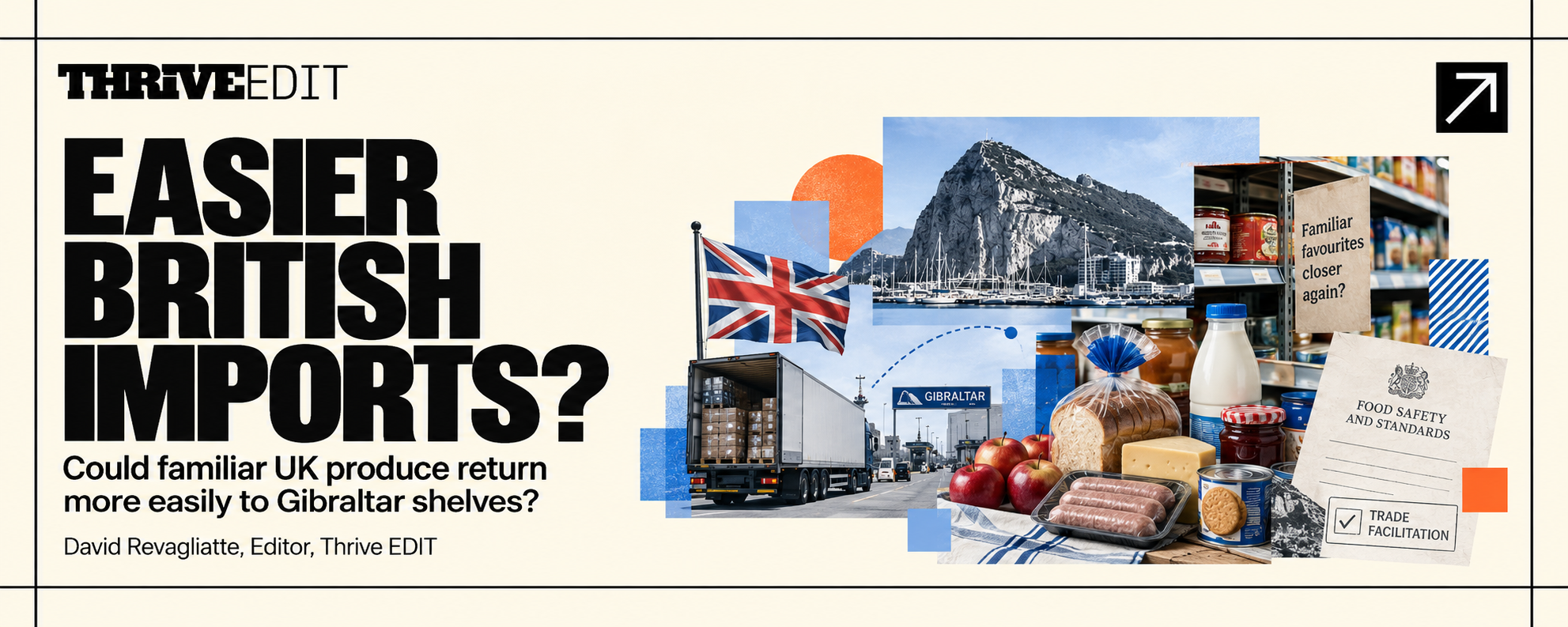
British produce has long been part of Gibraltar’s shopping experience; I wrote about it a couple of years ago, before we had a Treaty in place. From supermarket staples and fresh food to familiar household brands, we’ve spent decades trading on these British links. These products are very much part of our cultural fabric and identity and have drawn many to cross the border to shop here.
That has become harder since Brexit, as sanitary and phytosanitary rules have made it more complicated to bring some fresh British products into the European market. The UK and EU are now working towards a new SPS agreement covering food, animals, plants and related goods, with a further UK-EU summit taking place on 20 November. The final terms are still being negotiated, so there is not much point pretending we know exactly what the outcome will be yet.
Chief Minister Fabian Picardo has already highlighted the importance of an SPS agreement, telling a House of Lords committee that he hoped the wider UK-EU reset would make it easier for British-produced food to enter Gibraltar again.
The UK Government has said the agreement under negotiation could reopen trade in products including fresh sausages and burgers, alongside other goods that currently face restrictions. But exactly how much could return to local shelves if some of those barriers are eased?
A good example already shows the scale of the challenge. Morrisons said in July that it had to review around 20,000 product lines at its Gibraltar store against the new export requirements. The supermarket has used alternative supply routes, including through Ireland, and sourced more local and regional alternatives while trying to keep familiar British products available.
A future SPS agreement could make some of that easier, although businesses will need to see the final rules before they can judge what difference it makes to cost, availability and logistics.
Easier access to British produce could mean more choice and the return of products customers have been asking for. Restaurants, hotels and other hospitality businesses could also regain access to suppliers or ingredients that have become more awkward to source since Brexit.
Britishness has always shaped how Gibraltar presents itself, from its institutions and shops to the fish and chips they order when they visit. That mix of British identity and Mediterranean setting is part of our appeal, and familiar British produce has long helped set Gibraltar apart from neighbouring shopping destinations.
If those products become easier to source again, local businesses may have an opportunity to lean into that a little more, both for residents and for British visitors and expatriates living in southern Spain.
Too many unknowns remain to say how significant the opportunity will be, but maybe it’s time to get thinking. Which products disappeared from shelves or became harder to get? Which ones do customers still ask for? And if access to UK suppliers became easier, would it change what local businesses choose to stock?
What would you bring back?
Share your experience with the GFSB at gfsb@gfsb.gi.


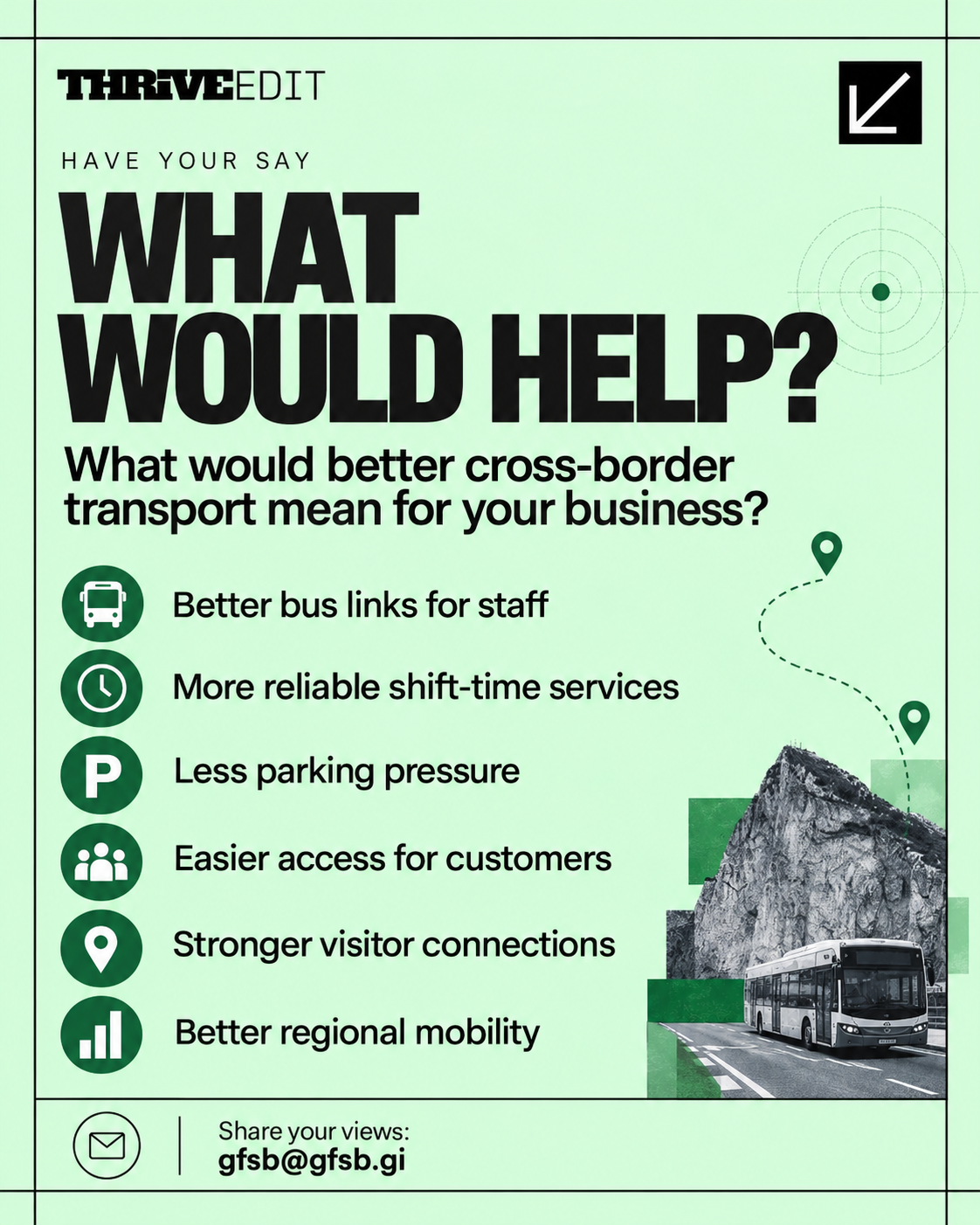

New frontier lanes and discussions around a cross-border transport interchange raise questions about buses, workers, visitors and business connectivity.

Some Gibraltar residents have been incorrectly registered on the Schengen Entry/Exit System, including cases where the system now appears to show them as still inside Schengen. The Government has issued new guidance on how to have those records removed and what to carry when travelling. If you hold a Gibraltar identity card or Gibraltar civilian […]

Customers now discover businesses through Google, Maps, AI answers and assistants. Learn how to track search visibility and build a practical baseline.
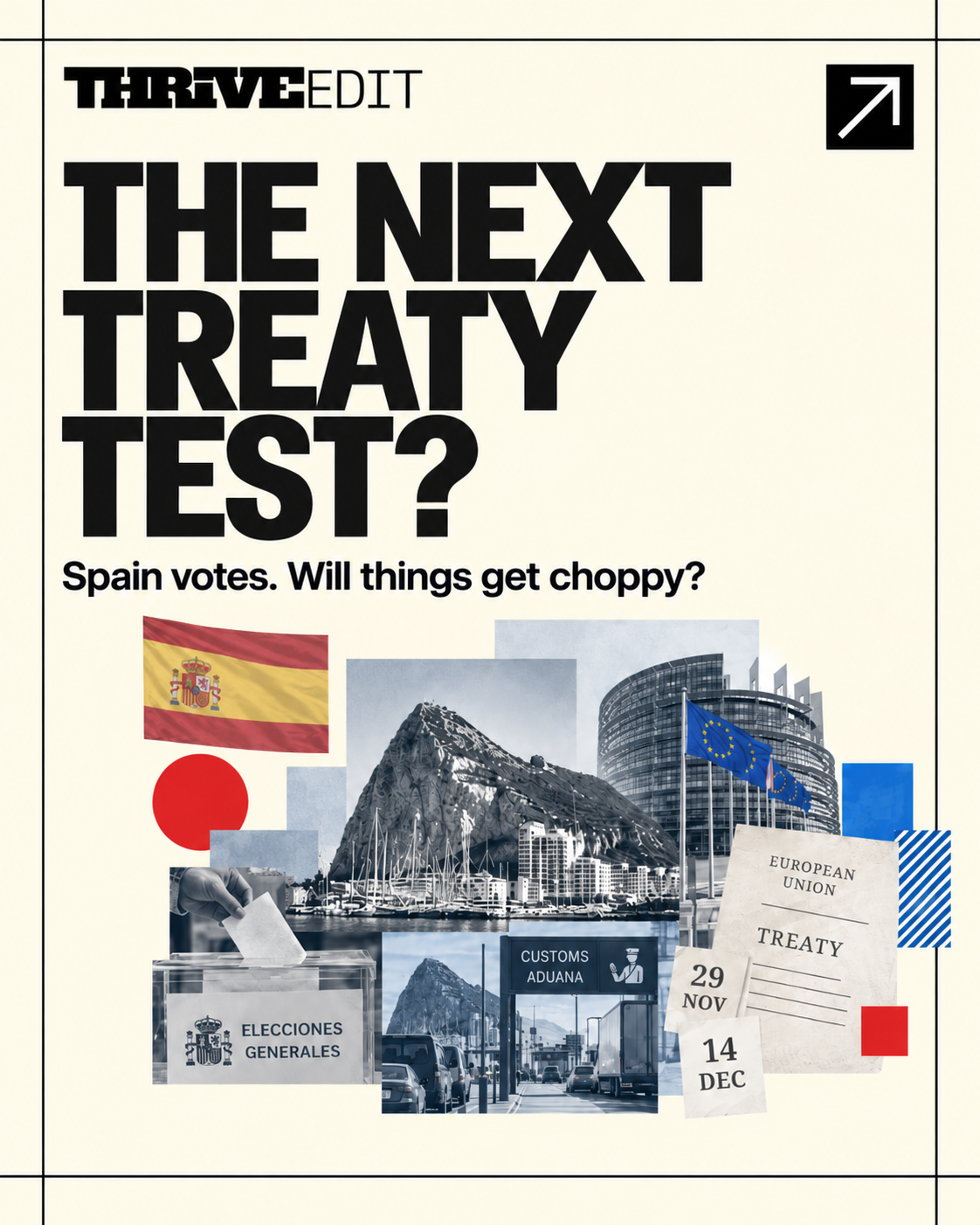
Spain’s snap election lands just weeks before the Gibraltar Treaty reaches its final European ratification stage. With the new arrangements already operating, attention is turning to whether today’s positive cooperation can withstand a change of government in Madrid.
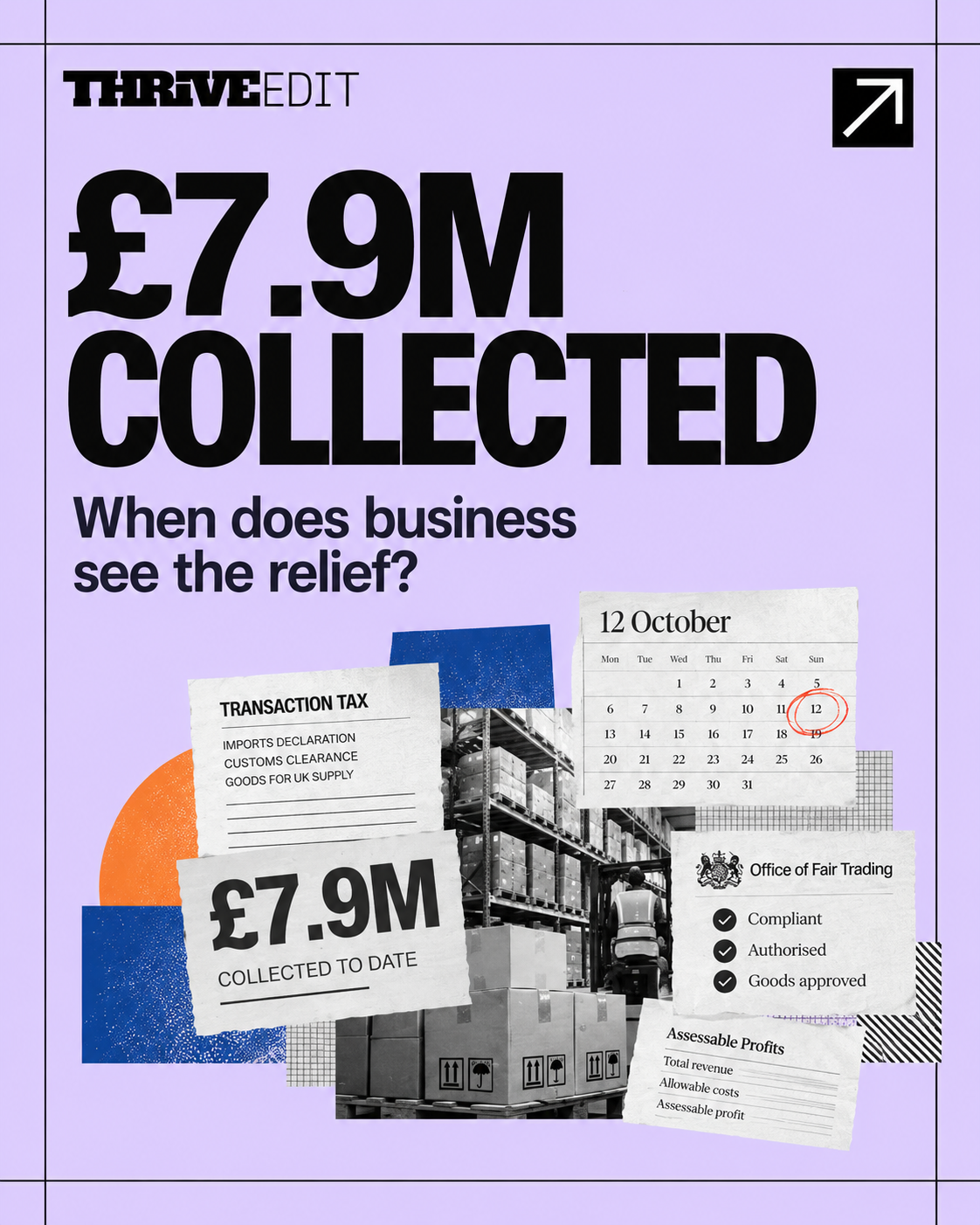
Nearly £8 million in Transaction Tax has been levied since 15 July. With the first 90-day support period ending on 12 October, qualifying businesses are now looking for clarity on how much relief they can access and when they will feel the benefit.