

 Gibraltar Federation of Small Businesses


 Gibraltar Federation of Small Businesses

For decades, our economy has thrived as a bastion of Britishness and British goods at the heart of what makes Gibraltar unique. Costa-based shoppers have flocked to M&S for ‘no ordinary’ goods and scoured our supermarkets for Bisto, Bovril and PG Tips.
To be fair, M&S Marbella now serves many shoppers and you can now find PG Tips (and bourbons) across the border, but for years, our retailers have relied on this link to the UK, offering ‘best of British’ brands like Next, M&S and Mothercare. But aligning with EU regulations—including tariffs on UK imports—could jeopardise this pillar of our economy, making British goods prohibitively expensive and undermining one of Gibraltar’s unique selling points.
The big picture
The EU currently imposes significant tariffs on goods imported from the UK:
If these tariffs were applied to British goods sold in Gibraltar, they could pose a major existential challenge to those local businesses that rely on the sale of them as tariffs would likely go on top of any potential sales or transactional taxes. Some businesses rely on being able to bring in UK goods affordably, maintaining the unique “British” experience that sets us apart.
Why this matters
Our connection to the UK is central to our economic identity. British goods aren’t just a staple of our shelves; they’re part of what makes Gibraltar special to both residents and visitors. The prospect of aligning with EU tariffs raises critical questions about whether our economy can continue to provide these products at competitive prices and what the knock on effect might be for Gibraltar, our economy, our culture and our brand.
Adding EU tariffs could be the final straw for some Main Street retailers already struggling with high rents and rising costs. Empty storefronts, once a rare sight, have become more common, signalling deeper challenges for our high street.
Wider implications
Higher costs on UK imports wouldn’t just hurt our shops—it could transform the fabric of our economy. If retailers shift to EU-based suppliers to avoid tariffs, Gibraltar could lose one of its strongest selling points: easy access to British products.
The knock-on effect could also discourage UK brands from operating here altogether.
What’s next?
While discussions and negotiations about Gibraltar’s future relationship with the EU continue, the UK government is reportedly exploring joining a pan-European customs area, according to The Guardian. If realised, this move could ease tariff burdens on UK goods, potentially benefiting Gibraltar’s businesses as well. We’ll have to wait and see how this pans out before getting too excited.
My final thought
As HMGoG navigates complex Treaty negotiations, we must ask ourselves whether aligning with EU tariffs risks eroding the unique economic and cultural ties that make our community thrive. Does maintaining our connection to British goods go beyond being about business and instead become about preserving a key part of who we are?
What’s your opinion? Are you selling British goods? Are you thinking about alternatives if tariffs become payable? Join the conversation in the GFSB Community feature in the Glue Up membership platform.


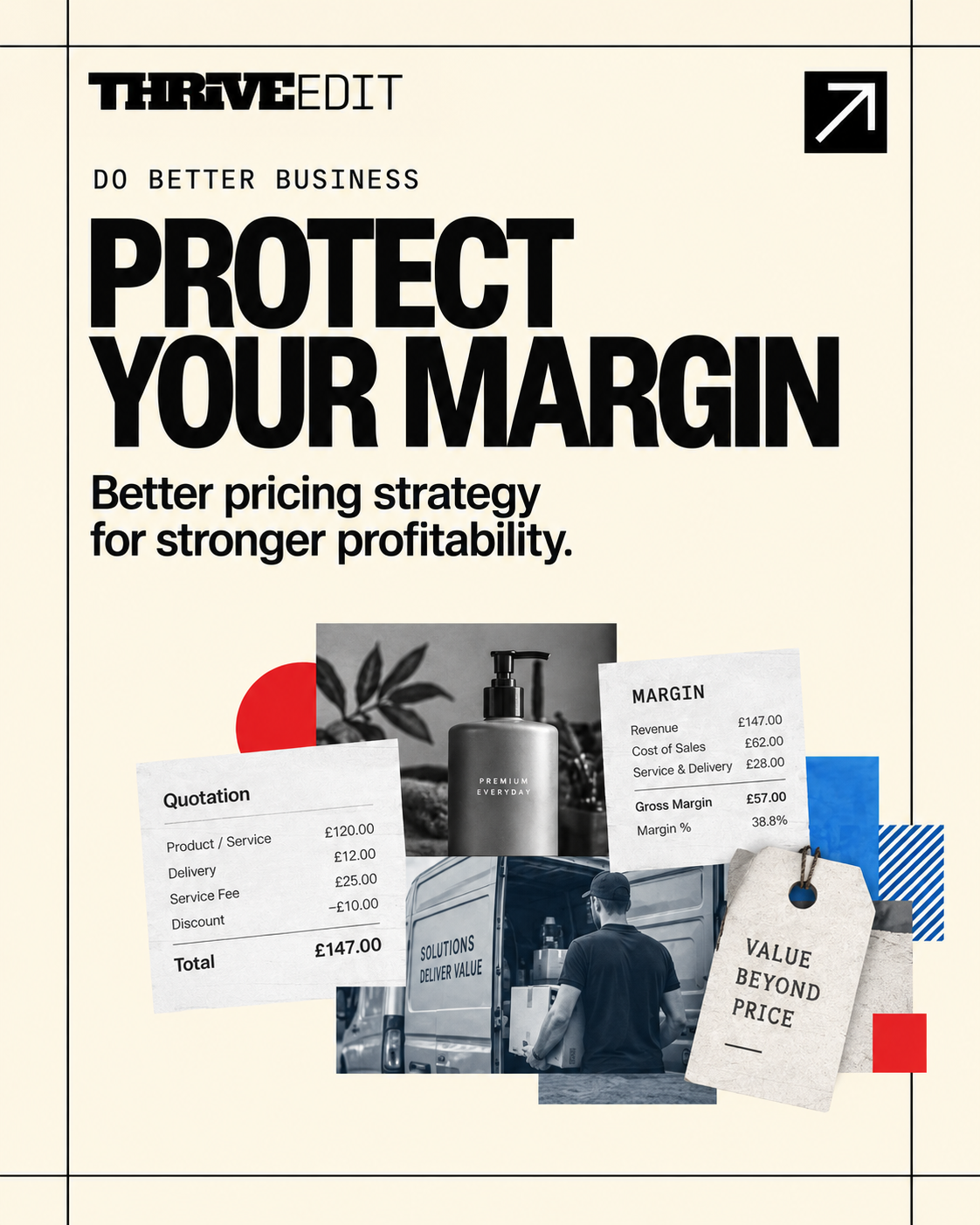

This week’s Do Better Business looks at cost-to-serve, price architecture and how businesses can make sure their pricing reflects the value and complexity built into what they actually deliver.
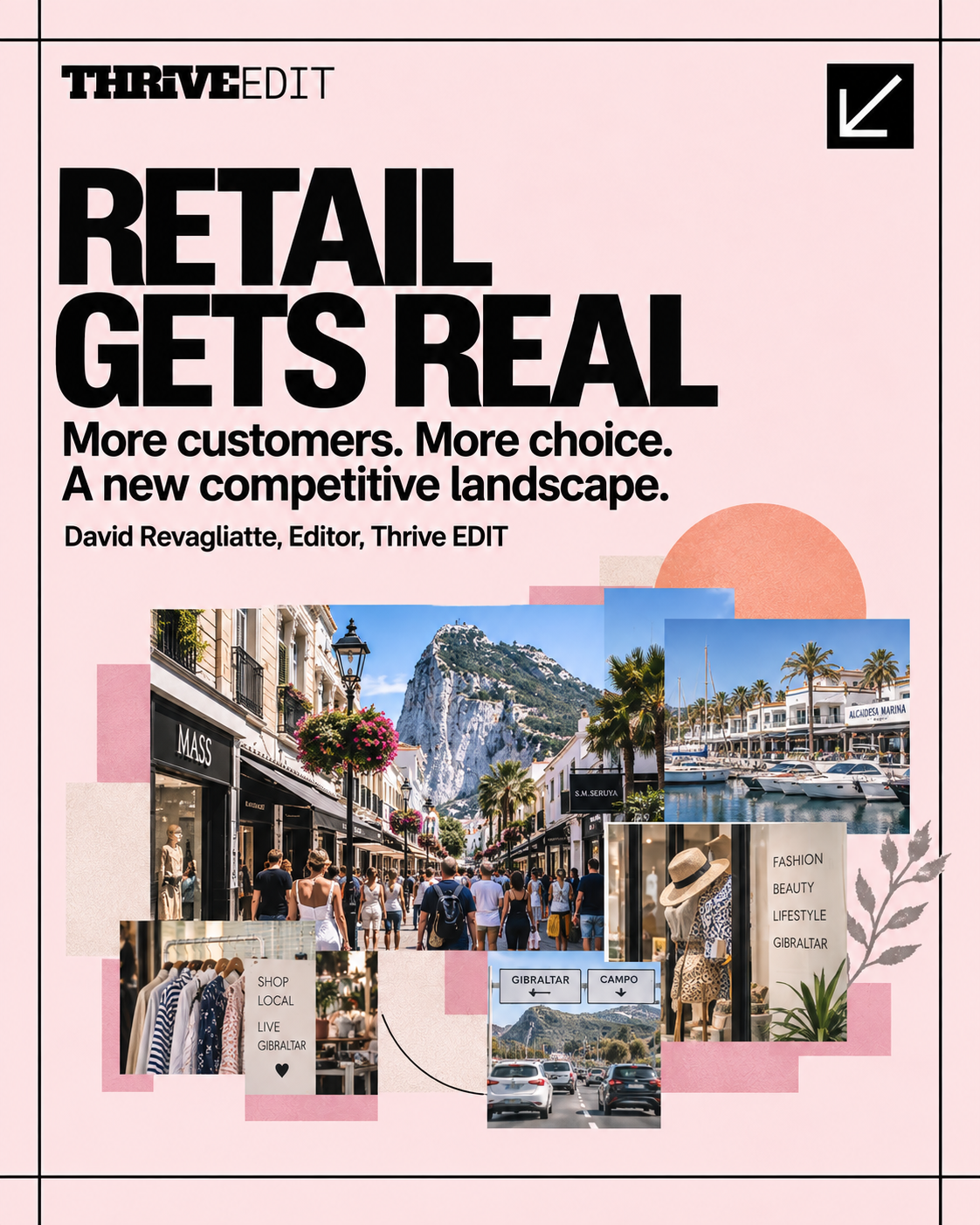
The frontier is easier to cross, Alcaidesa Marina’s €15m commercial development is taking shape and retailers are adapting to new import costs and changing customer habits. Drawing on recent conversations with Main Street businesses and our interview with Gemma Arias-Vasquez and Louis Montegriffo, we look at where Gibraltar retail goes next.
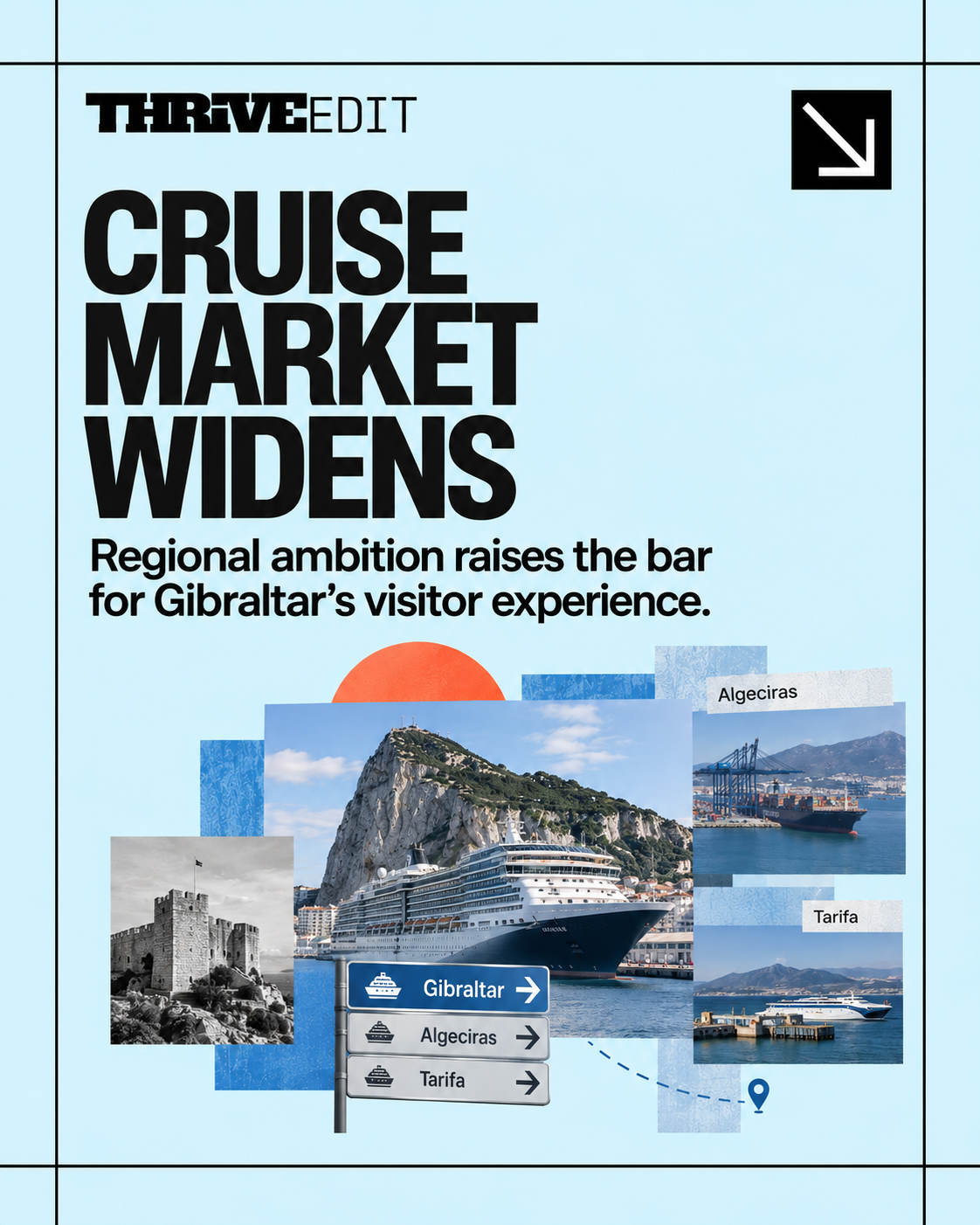
Algeciras and Tarifa are developing cruise offers of their own. Gibraltar remains the Bay’s established port of call, but a more ambitious regional tourism market makes the quality of each visitor’s experience here increasingly important. Thrive Editor, David Revagliatte explores what this could mean for local businesses. Gibraltar expects around 260 cruise calls in 2026. […]
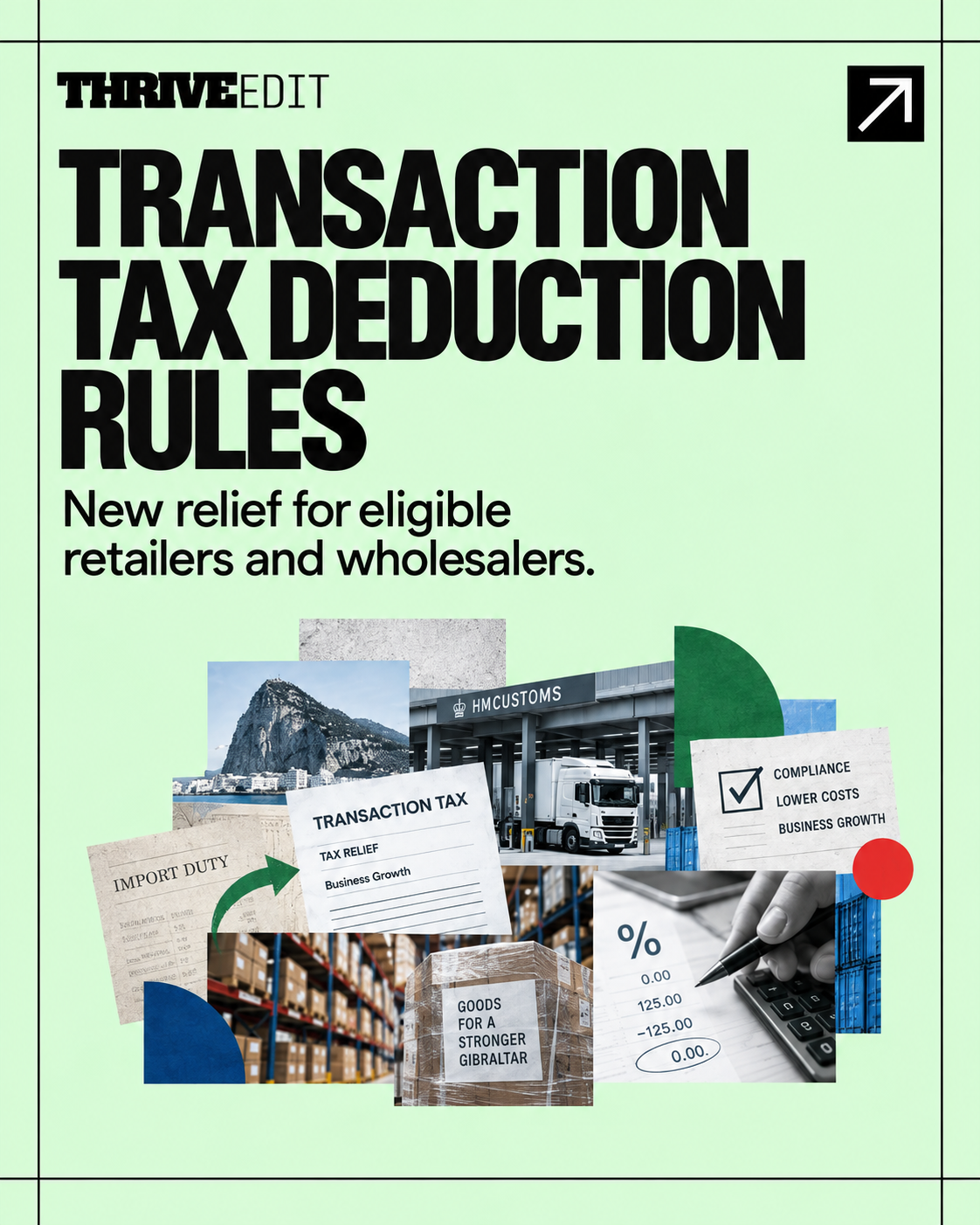
New rules give eligible retailers and wholesalers a route to tax relief on some of the additional Transaction Tax incurred during the first 90 days of Treaty implementation. The detail is important, including who qualifies, how the deduction is calculated and the choice businesses will need to make between this measure and forthcoming modernisation support. […]
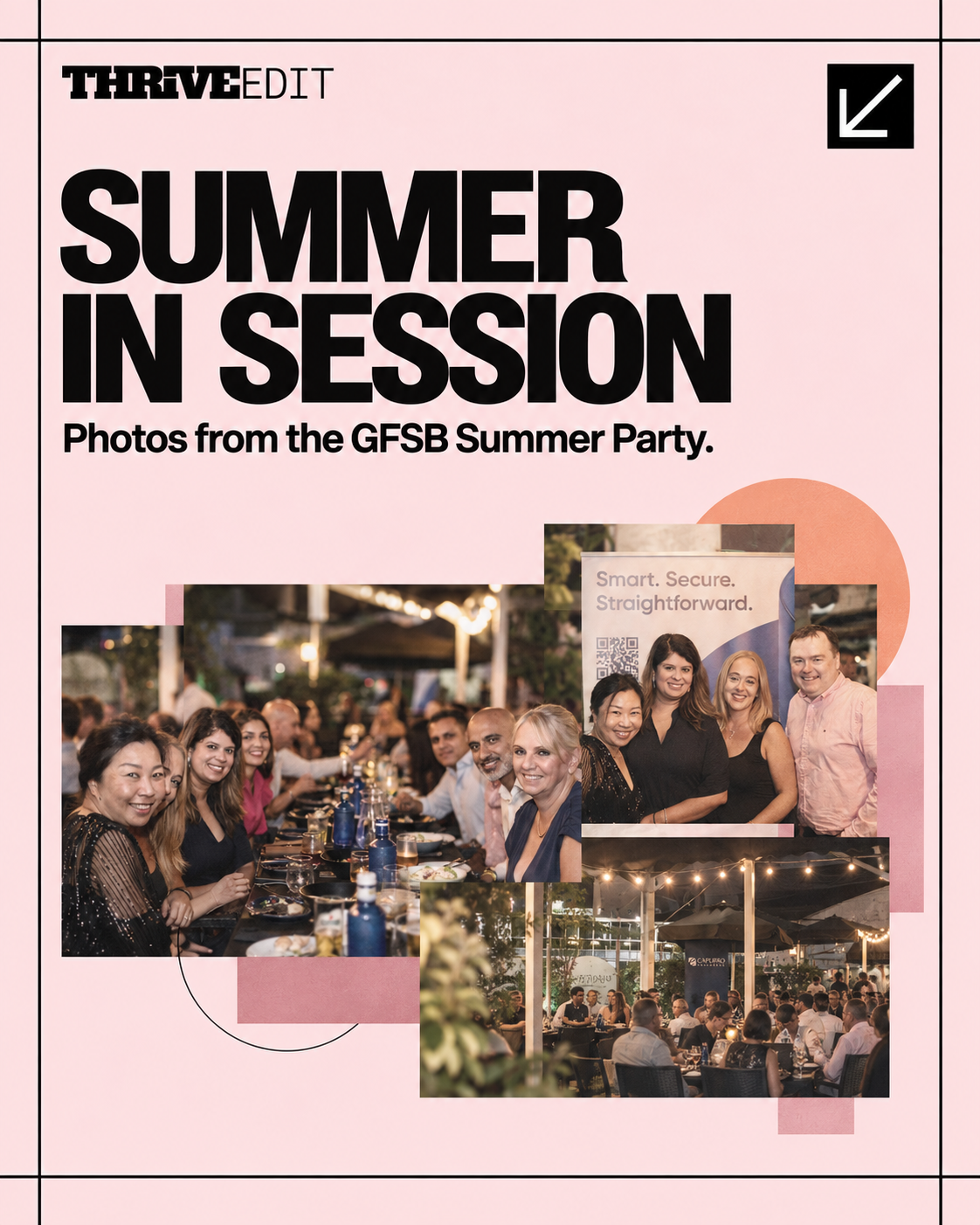
Last week’s GFSB Summer Party brought members together for an evening of conversation, new connections and a chance to reconnect ahead of Q4. With thanks to justbank and Capurro Insurance for supporting the event, we’ve pulled together some of our favourite photos from the night.