

 Gibraltar Federation of Small Businesses


 Gibraltar Federation of Small Businesses


The GFSB and Women in Enterprise (WIE) took part in HMGoG’s Climate Change Strategy workshop, which brought together stakeholders from across Gibraltar to discuss how the Rock can meet net zero targets. The session highlighted how future climate policy could directly impact how businesses manage costs, resources and compliance in a post-Brexit economy.

What was discussed
Key themes included transport, waste management and the built environment:
Why it matters
The message from the business community was clear: climate action must be workable and cost-efficient, offering long-term resilience and new market opportunities. Government will now review workshop input, with the possibility of modelling scenarios before publishing a revised strategy. Business engagement will continue to be key.


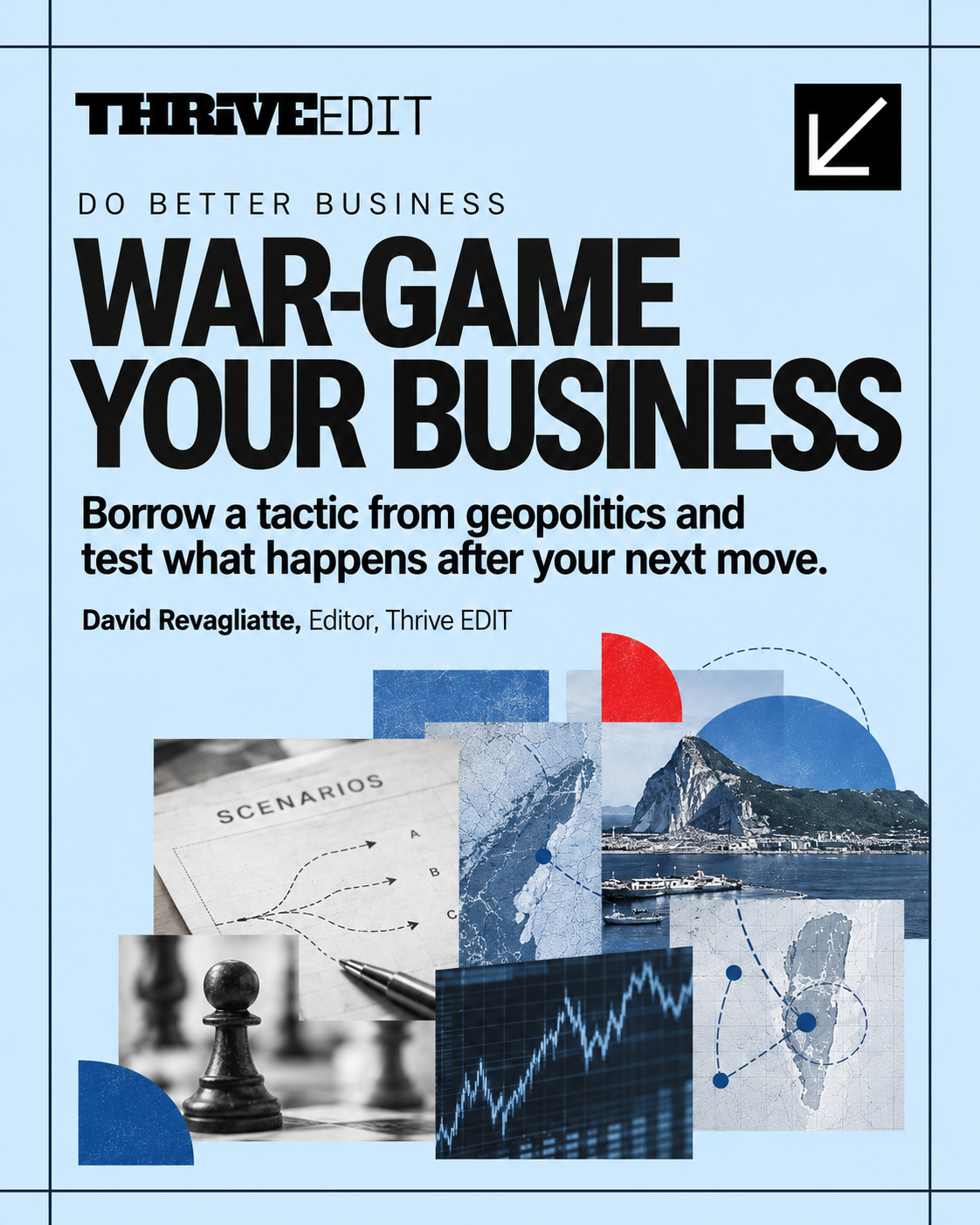

Governments and geopolitical strategists use simulations to test what might happen when other players react. The same thinking can help businesses challenge assumptions, anticipate competitors and prepare for decisions before real money is on the line.

From Hong Kong to Abu Dhabi, Gibraltar is pursuing new industries and investors as part of a major economic diversification drive. Minister Nigel Feetham says the campaign is already generating business. The bigger question is how far those opportunities can spread through Gibraltar’s wider economy.

Gibraltar plans a new residency route for financially independent over-55s alongside a new business think tank announced at GibLink London.

New frontier lanes and discussions around a cross-border transport interchange raise questions about buses, workers, visitors and business connectivity.
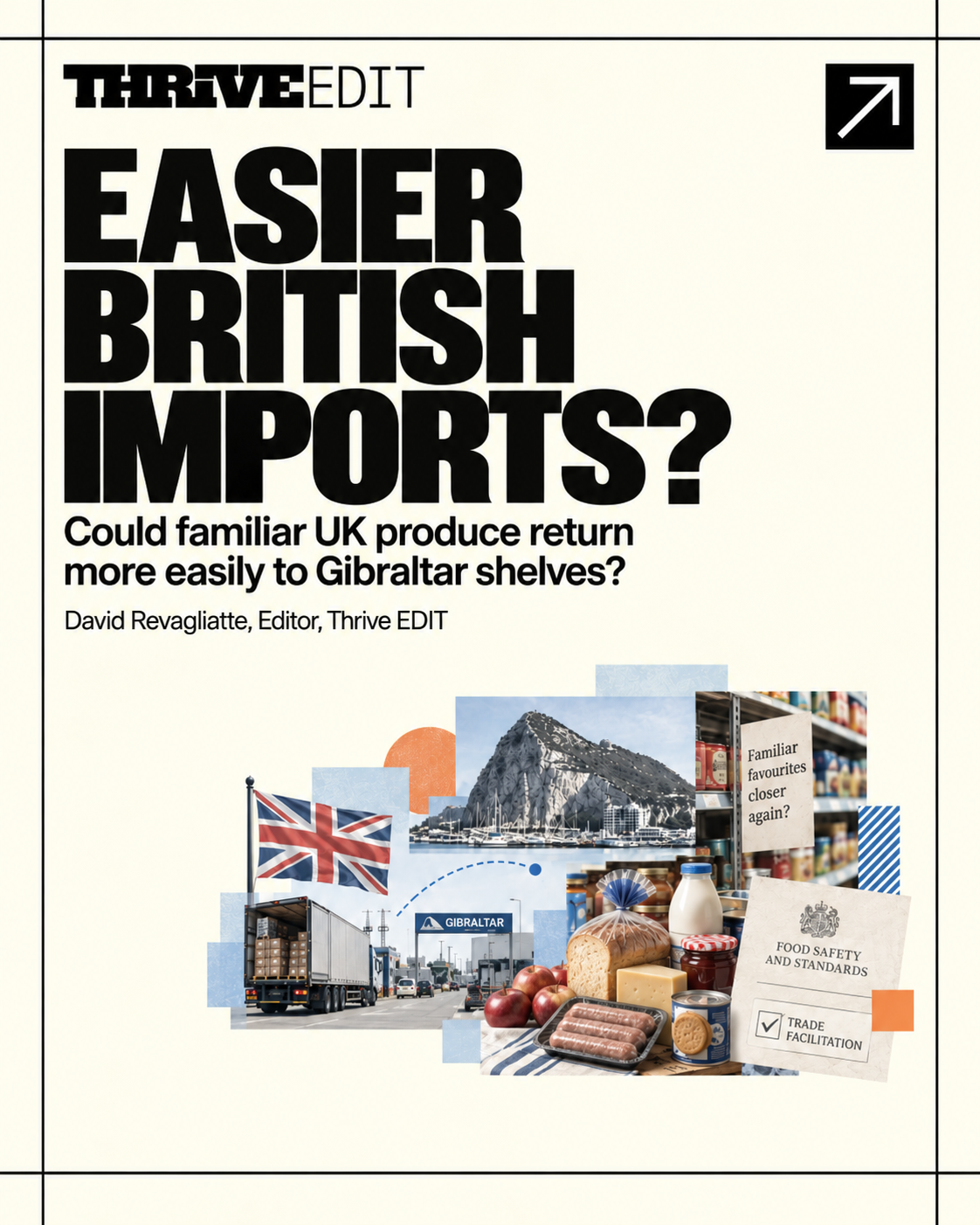
Could a future UK-EU food agreement make it easier for British produce to return to Gibraltar shelves? British produce has long been part of Gibraltar’s shopping experience; I wrote about it a couple of years ago, before we had a Treaty in place. From supermarket staples and fresh food to familiar household brands, we’ve spent […]