

 Gibraltar Federation of Small Businesses


 Gibraltar Federation of Small Businesses

We’ve been given further insight into what post-Treaty taxation could look like. Speaking with GBC’s Jonathan Scott, the Chief Minister, Fabian Picardo shared potential changes to Gibraltar’s taxation model, including the introduction of a sales tax. The GFSB has written to the Chief Minister requesting additional details on the tax. In the meantime, here’s what we know…
What did he say?
You can listen to the full interview here, but essentially he clarified that the government is exploring options for implementing a transaction tax. Whilst the Government has previously talked of exploring implementing a tax at the point of importation, Picardo acknowledged that a sales tax collected at the point of sale is also under consideration.
What’s the difference?
The difference lies in who pays the tax upfront:
The Chief Minister emphasised his view that a point of sale tax would not change the final prices paid by consumers, as the tax would remain consistent regardless of when it is applied. “Instead of paying [tax] on importation you pay on sale – the person buying pays the same amount – they pay the value of the thing and the duty and the profit that the trader has set out. There’s no difference in the sale price to the customer.”
Here’s an example based on the CM’s view:
Currently, a trader importing goods worth £1,000 at wholesale price must pay 10% (£100) in import duty upfront.
Under a sales tax, this £100 would instead be collected when the goods are sold to the customer, easing the financial pressure on businesses.
Given that the retail price is typically higher than the wholesale price, this example would require the sales tax to be lower than a tax paid on import for their to be no impact on the consumer.
The Chief Minister highlighted what in his view were the benefits of a sales tax for local businesses. By shifting the tax burden from importation to the point of sale, he hopes traders can avoid the immediate cashflow challenge of paying tax upfront.
So, what will it be?
Picardo told Jonathan Scott that no decision has been made yet on whether the tax will be applied at the point of importation or sale. He also mentioned the possibility of a transitional period if a shift is implemented, allowing businesses to adapt to the new system. Discussions are ongoing with ‘representative organisations’ and businesses in Gibraltar to determine their preferences and assess the practical implications of each model.
What do you think?
What are your views on a potential sales tax? We encourage all GFSB members to engage in this critical discussion. Share your views on the proposed changes and their impact on your business.
Email gfsb@gfsb.gi with your thoughts or join the discussion on the GFSB community platform. Let’s ensure your voice is heard on this issue. As usual, we’ll continue to keep you updated on developments that may impact your business.


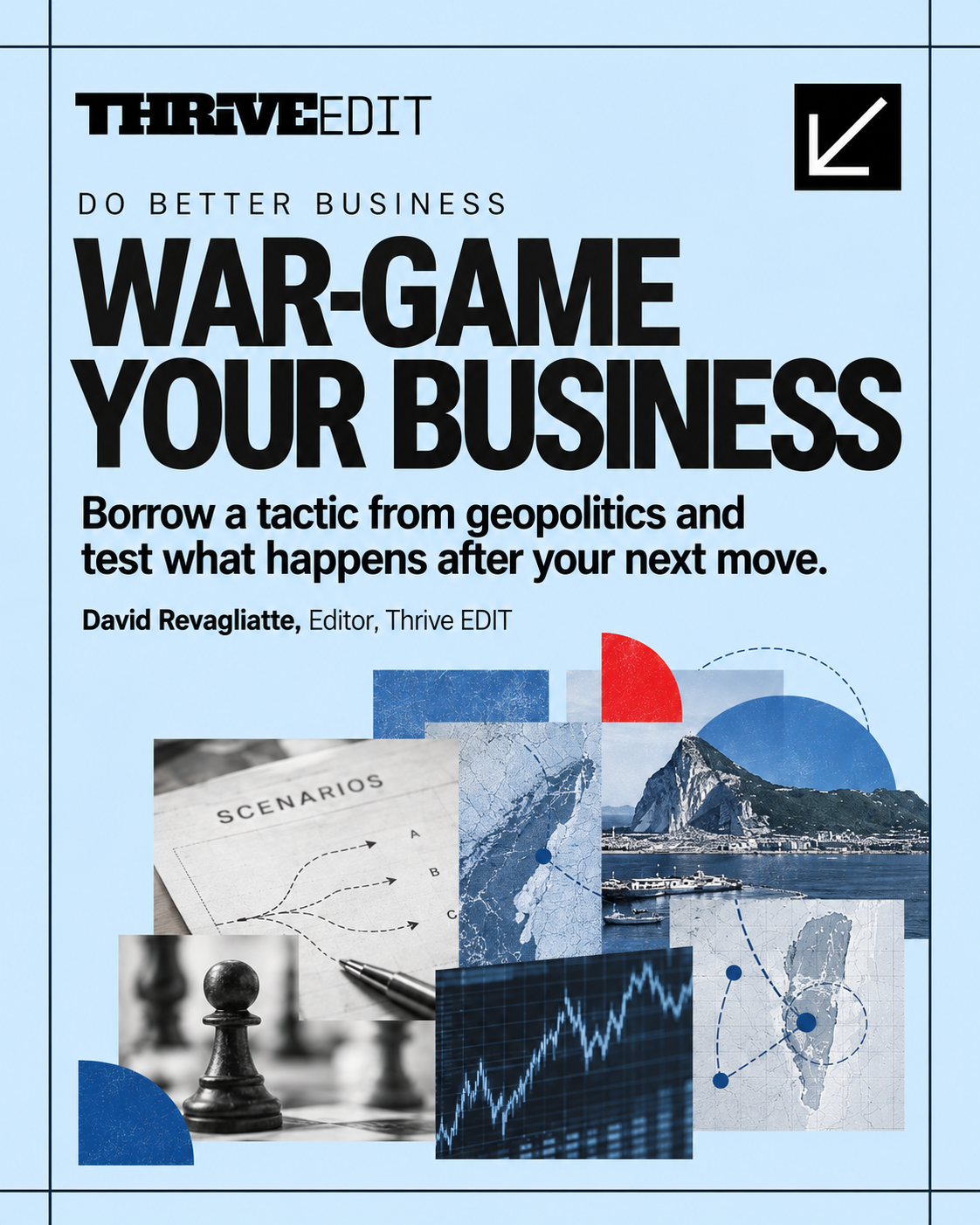

Governments and geopolitical strategists use simulations to test what might happen when other players react. The same thinking can help businesses challenge assumptions, anticipate competitors and prepare for decisions before real money is on the line.

From Hong Kong to Abu Dhabi, Gibraltar is pursuing new industries and investors as part of a major economic diversification drive. Minister Nigel Feetham says the campaign is already generating business. The bigger question is how far those opportunities can spread through Gibraltar’s wider economy.

Gibraltar plans a new residency route for financially independent over-55s alongside a new business think tank announced at GibLink London.
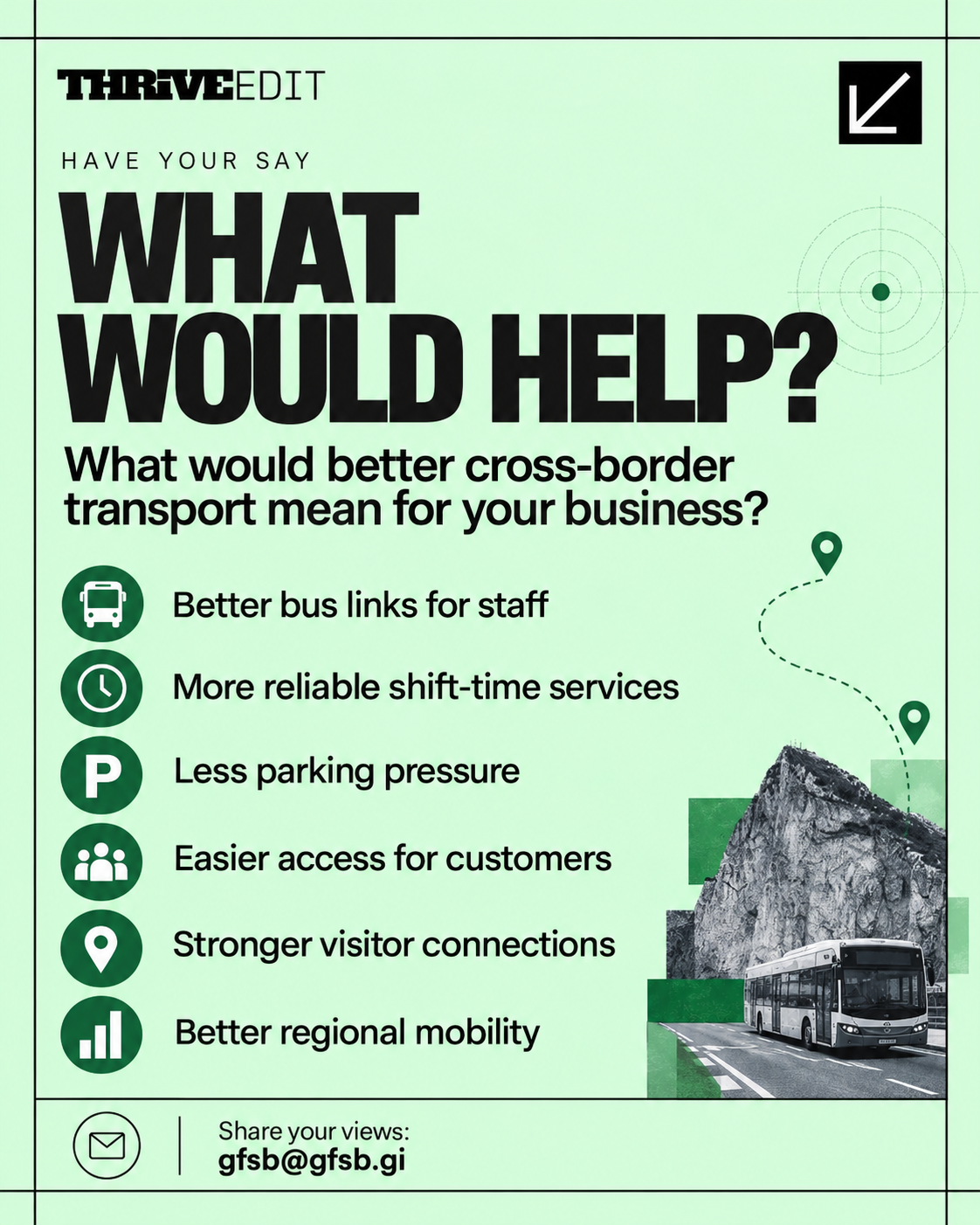
New frontier lanes and discussions around a cross-border transport interchange raise questions about buses, workers, visitors and business connectivity.
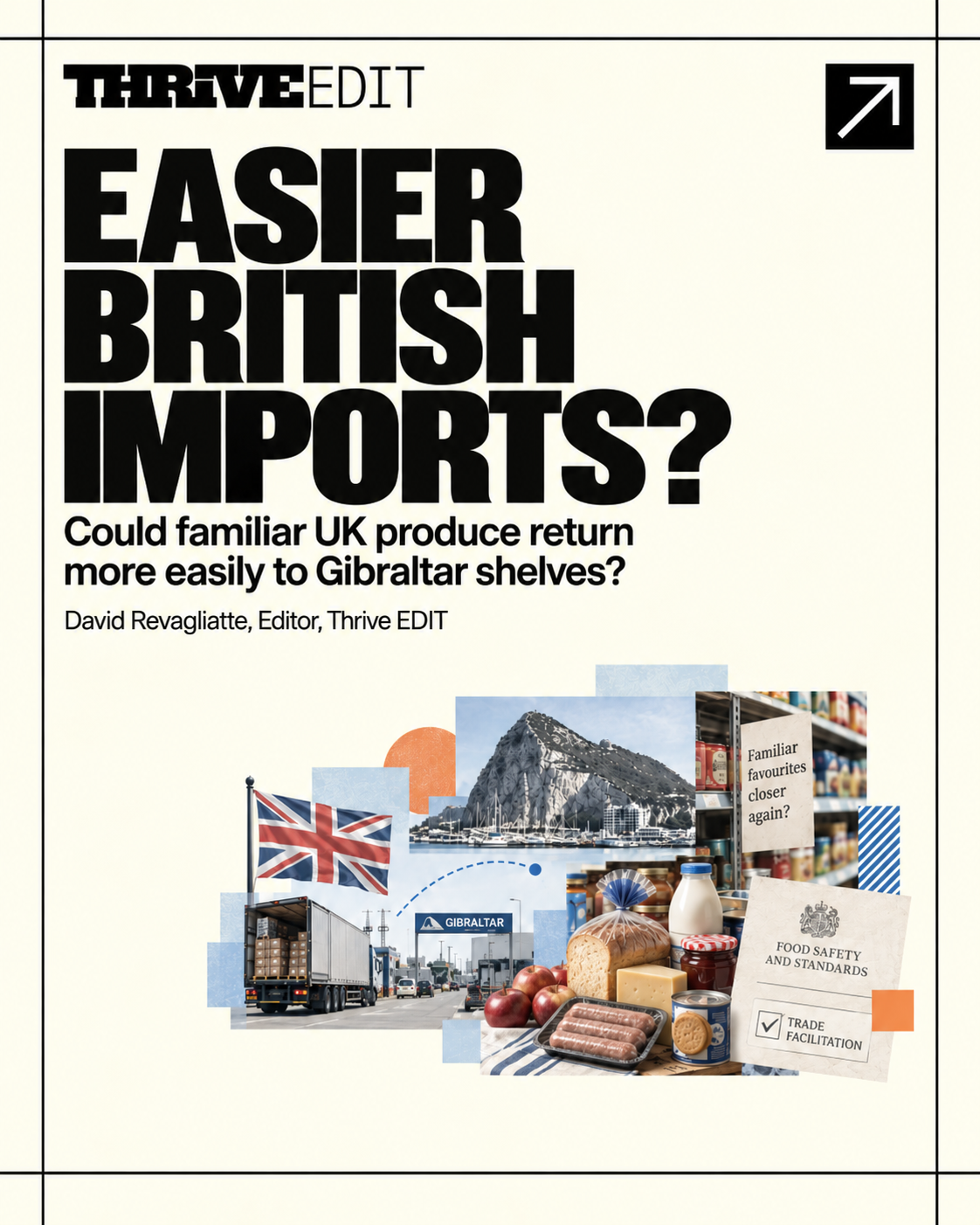
Could a future UK-EU food agreement make it easier for British produce to return to Gibraltar shelves? British produce has long been part of Gibraltar’s shopping experience; I wrote about it a couple of years ago, before we had a Treaty in place. From supermarket staples and fresh food to familiar household brands, we’ve spent […]