
 Gibraltar Federation of Small Businesses


 Gibraltar Federation of Small Businesses

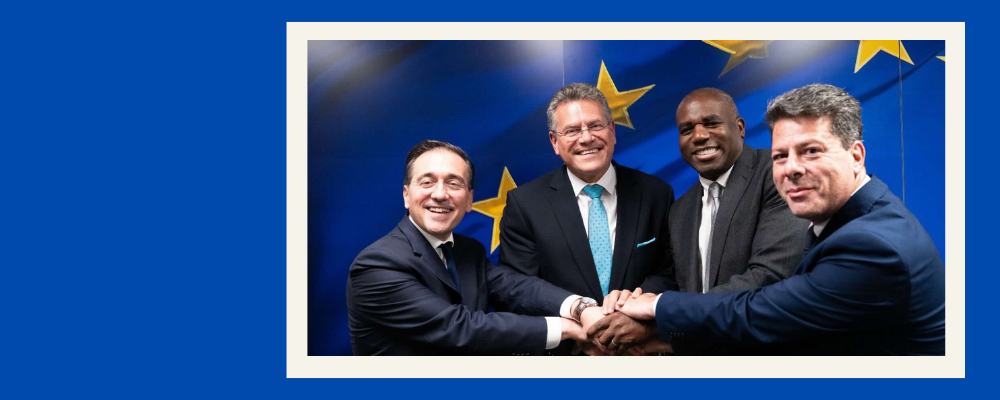
Historic week for Gibraltar! The UK and EU have announced a political agreement on Gibraltar’s future relationship with the European Union. After years of negotiations, the agreement marks a significant breakthrough, but it’s not a treaty, and for businesses, the details that matter most are still to come.
What’s been agreed
The UK Government describes the deal as one that “protects the UK’s and Gibraltar’s positions on sovereignty” and ensures “there will be no change in the UK’s sovereignty over Gibraltar, and no role for Spain in the governance of Gibraltar.”
It also commits to:
Foreign Secretary David Lammy said:
“This political agreement delivers on our overriding objective: to safeguard the sovereignty of the United Kingdom and the rights and interests of Gibraltar and its people.”
The European Commission called the deal “a solid basis for a future EU-UK agreement” and highlighted the shared commitment to formalise it “as soon as possible.”
What is a political agreement – and what’s next?
This isn’t yet a legally binding treaty. A political agreement sets out shared goals and intent. The next step will be negotiating a treaty that gives legal effect to those commitments. Whilst there’s no sign of a timeline, Albares did point to the next stage being as soon as this autumn.
What changes now?
Right now, nothing changes in law, but businesses should keep watch. In particular:
Any new taxation measures or reporting rules linked to cross-border trade may be formalised later
Alignment with EU standards, sometimes referred to as “parity laws,” could affect regulation, compliance and service delivery
Opportunities for closer EU market access may increase, but only once a treaty is signed
The bottom line
This is a major step forward – but not the finish line. The GFSB will continue to provide updates and practical insights as treaty negotiations move forward.
Any new taxation measures or reporting rules linked to cross-border trade may be formalised later
Alignment with EU standards, sometimes referred to as “parity laws,” could affect regulation, compliance and service delivery
Opportunities for closer EU market access may increase, but only once a treaty is signed
Talk to us
Join the conversation on the GFSB’s GlueUp community platform to share your views on what the political agreement means for your business.


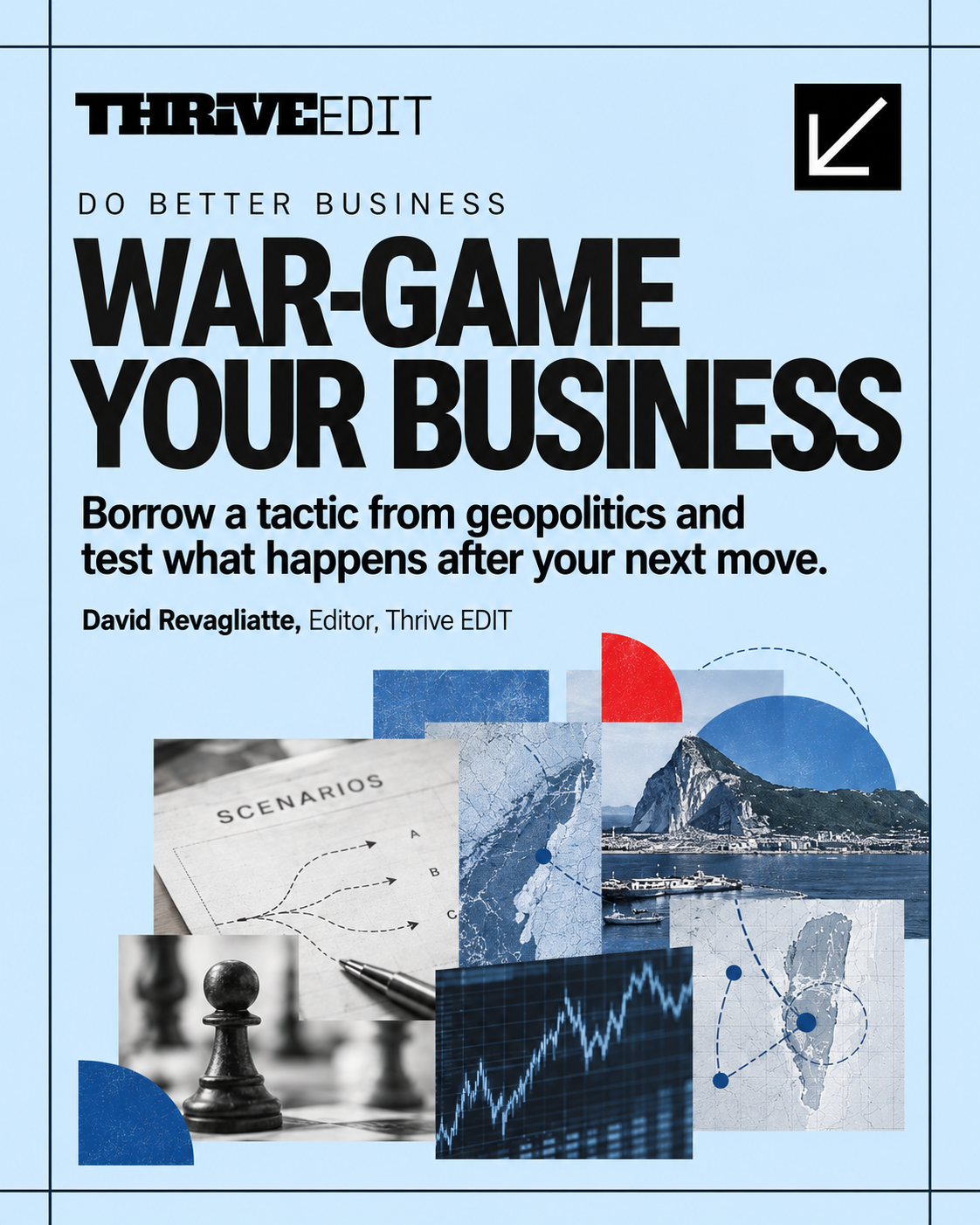

Governments and geopolitical strategists use simulations to test what might happen when other players react. The same thinking can help businesses challenge assumptions, anticipate competitors and prepare for decisions before real money is on the line.
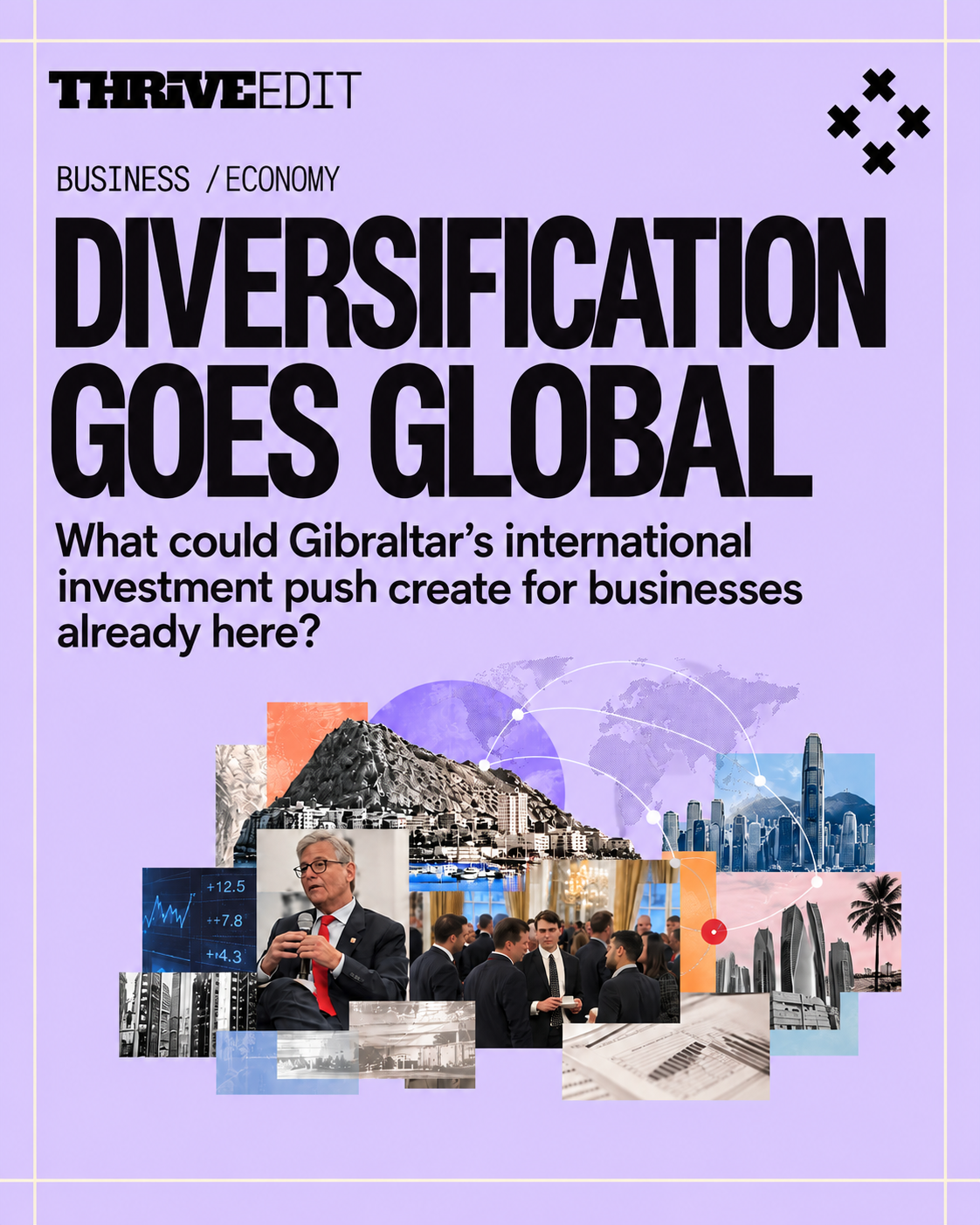
From Hong Kong to Abu Dhabi, Gibraltar is pursuing new industries and investors as part of a major economic diversification drive. Minister Nigel Feetham says the campaign is already generating business. The bigger question is how far those opportunities can spread through Gibraltar’s wider economy.
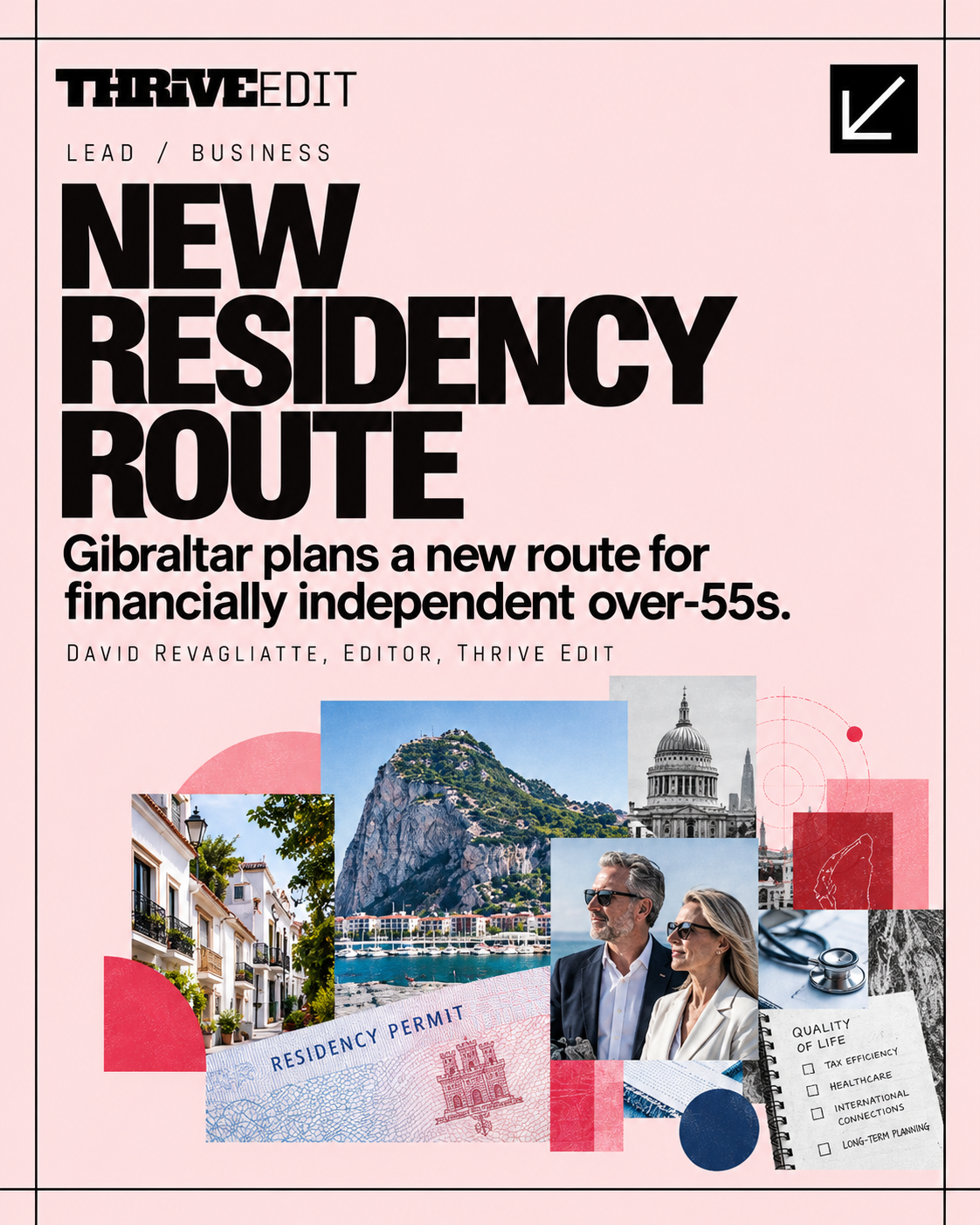
Gibraltar plans a new residency route for financially independent over-55s alongside a new business think tank announced at GibLink London.
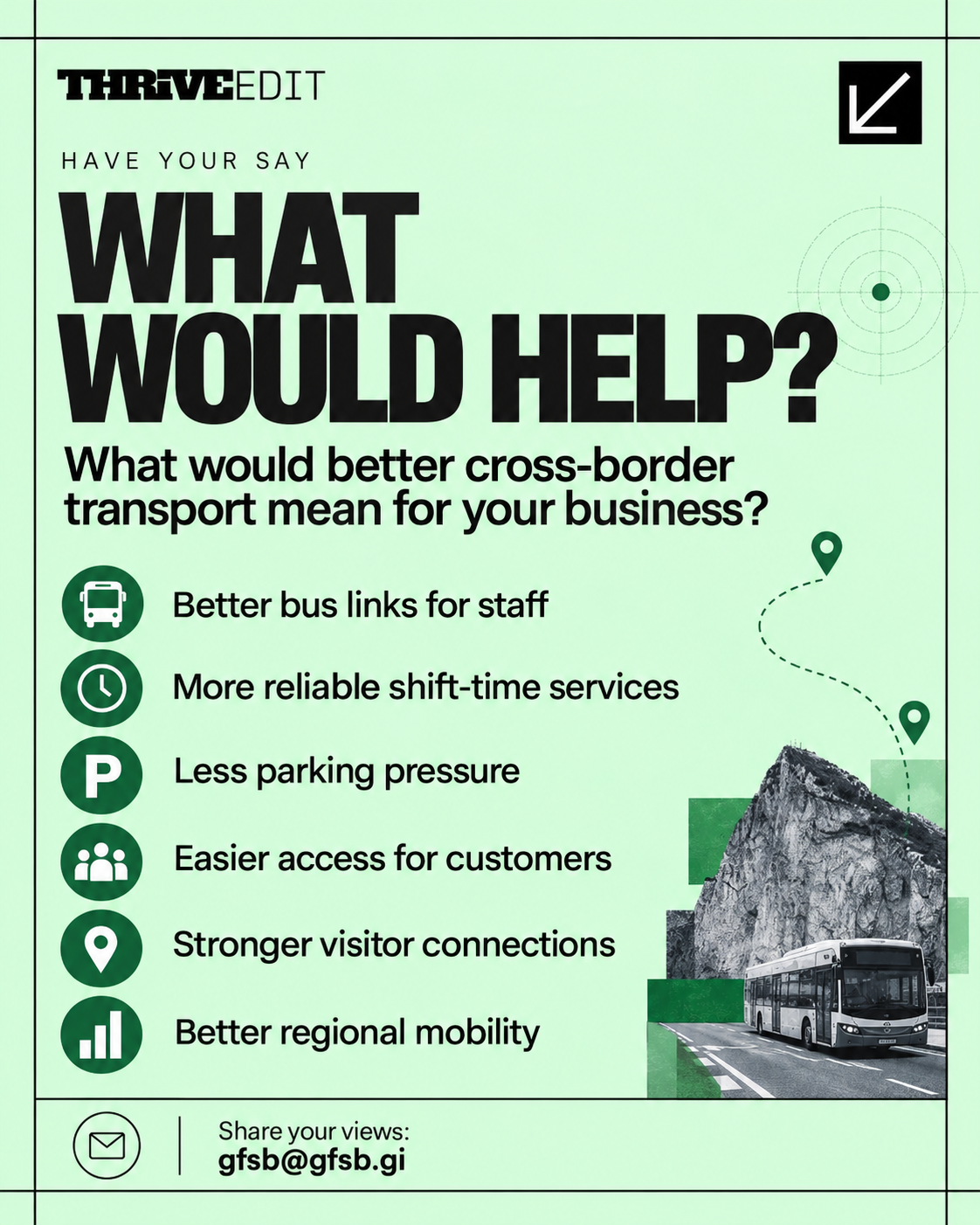
New frontier lanes and discussions around a cross-border transport interchange raise questions about buses, workers, visitors and business connectivity.
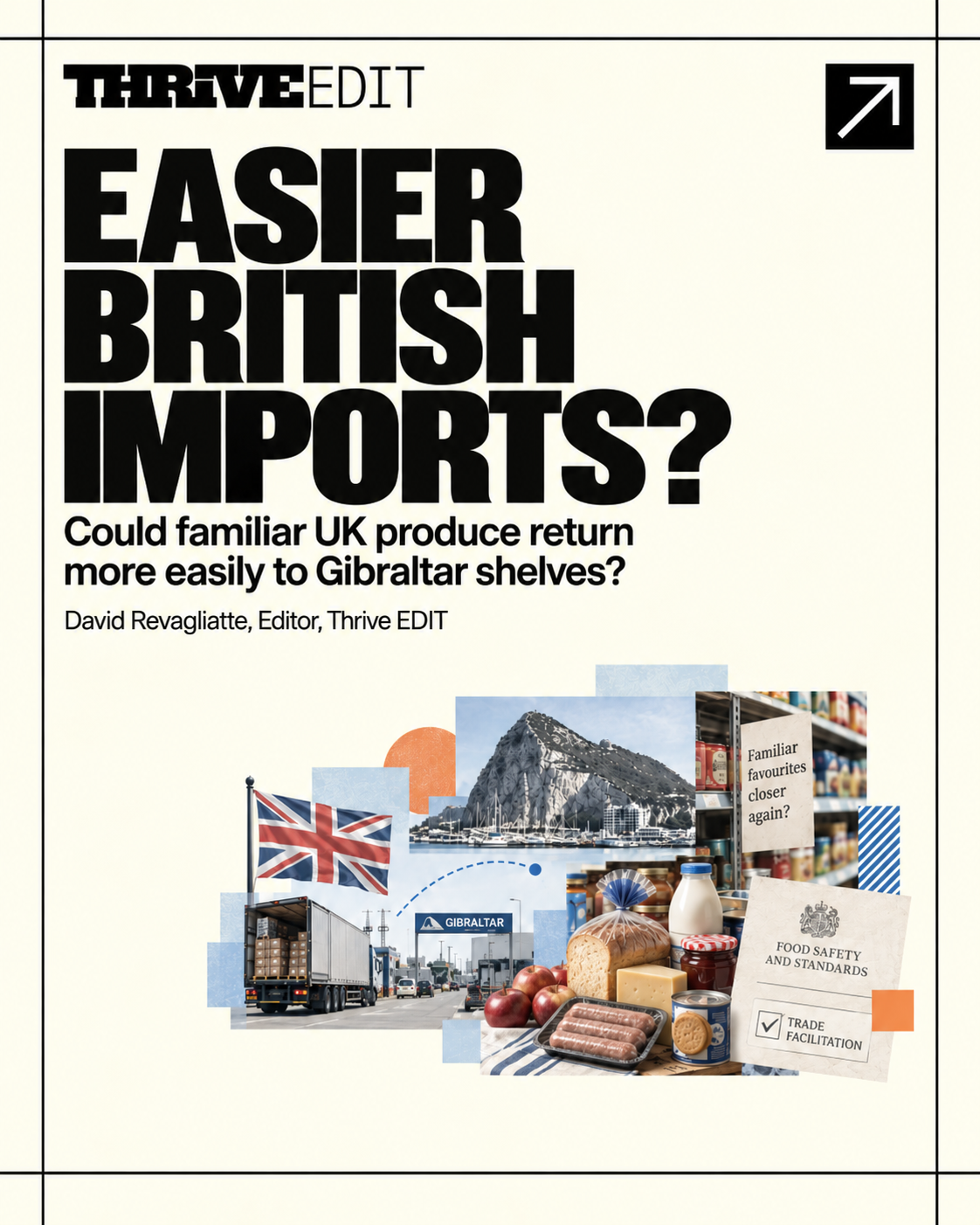
Could a future UK-EU food agreement make it easier for British produce to return to Gibraltar shelves? British produce has long been part of Gibraltar’s shopping experience; I wrote about it a couple of years ago, before we had a Treaty in place. From supermarket staples and fresh food to familiar household brands, we’ve spent […]