

 Gibraltar Federation of Small Businesses


 Gibraltar Federation of Small Businesses


The GFSB has noted the recent announcement of a 5% increase in the minimum and maximum social insurance contributions payable by employers, employees and self-employed individuals.
While recognising the need to sustain Gibraltar’s social insurance system, the GFSB is encouraging Government to provide clearer explanations about how these changes affect businesses in practice. With many employers already managing a range of rising costs, including an increase in the minimum wage, a better understanding of the impact on different employment scenarios would help business owners plan ahead.
“To support local employers and increase public understanding, we believe practical examples would be helpful,” said Eran Shay, Board Director at the GFSB. “This would allow businesses to better assess the impact of changes and plan accordingly.”
For example, the combined effect of recent announcements could be significant for some employers:
The GFSB is also highlighting concerns about the minimum contribution structure, particularly for employees working limited hours. In some cases, social insurance contributions exceed the actual wages earned by part-time staff, creating a disincentive for lawful employment and limiting opportunities for individuals seeking flexible work.
For example:
“This scenario makes it challenging for small businesses to offer part-time or casual roles, which are essential in sectors like retail, hospitality and seasonal tourism,” Shay added. “With the potential for growth in these sectors, it’s important that the system encourages rather than discourages flexible work.”
The GFSB recognises the complexity of social insurance policy and the need to balance contribution levels, employee protections and long-term sustainability. However, the Federation believes a targeted review of the system is now needed, particularly to ensure it supports Gibraltar’s diverse and evolving labour market.
The Federation is ready to work constructively with Government and stakeholders to explore solutions that protect social welfare, support business sustainability and promote fair, inclusive employment practices.
What’s your view of these changes? How will they affect your business? Get involved in our Glue Up Community pages.


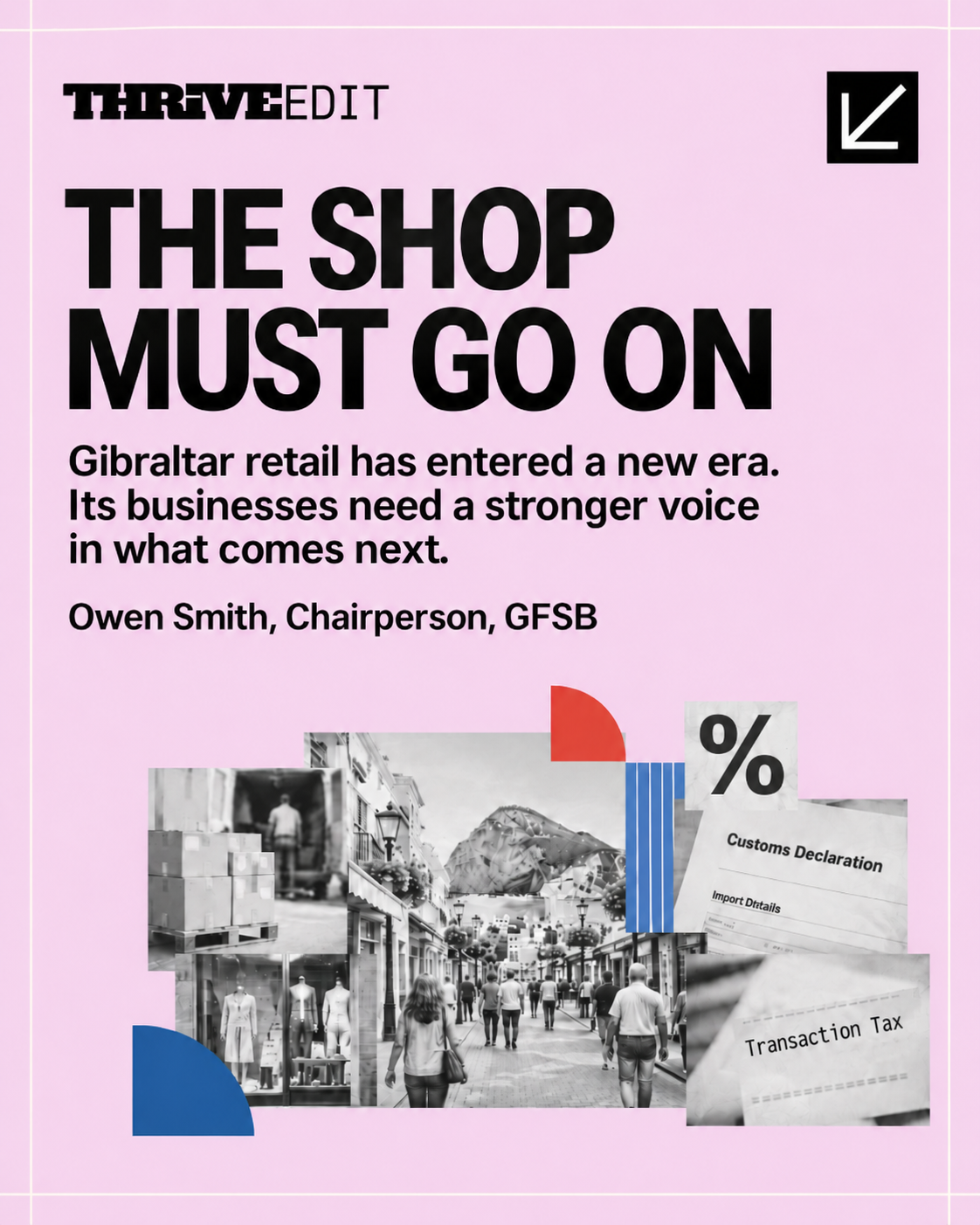

Gibraltar retail is entering the real post-Treaty trading environment. GFSB Chairperson Owen Smith argues that faster support, better infrastructure and a stronger collective business voice are now needed.
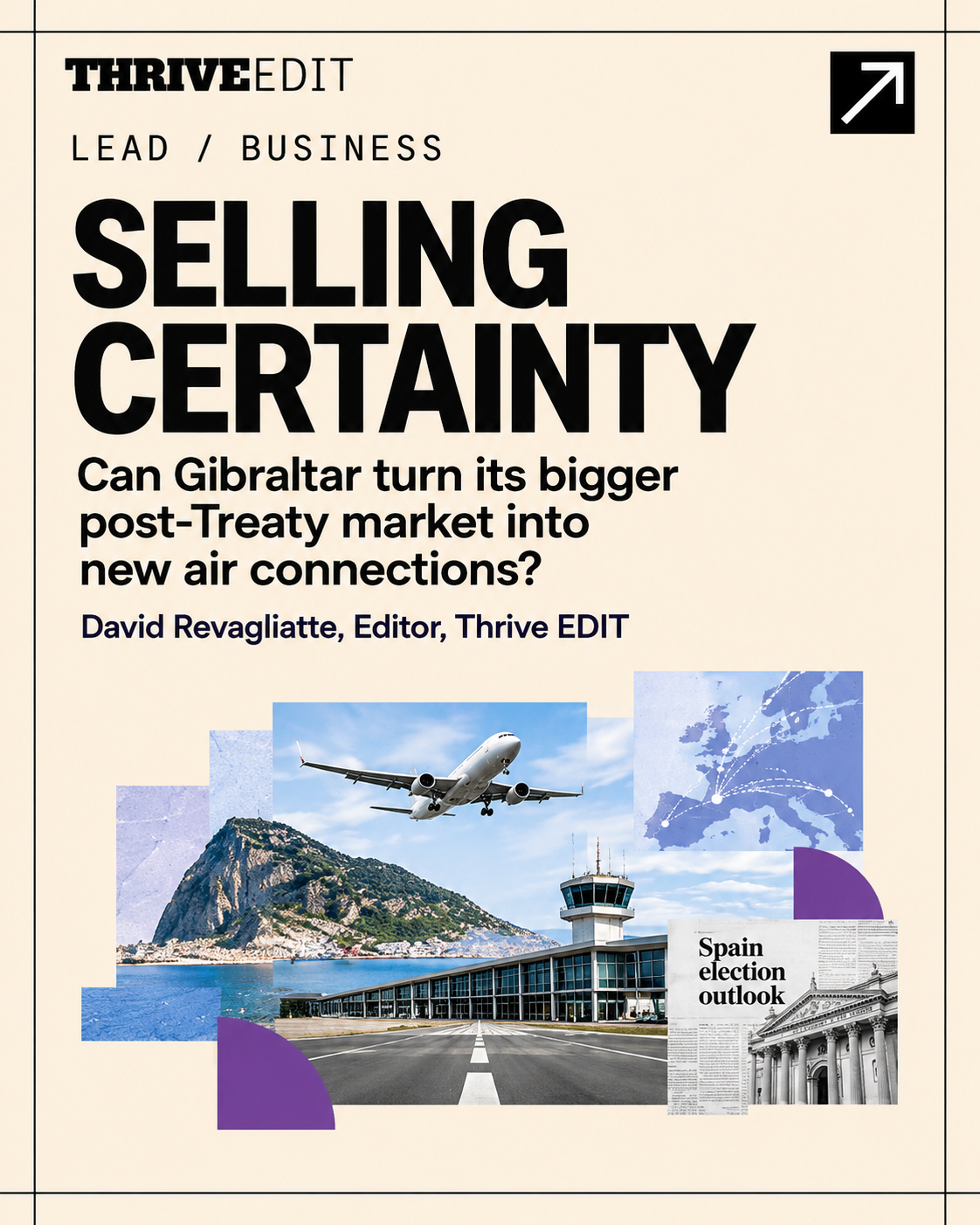
Gibraltar is pitching airlines a much bigger regional market after the Treaty, but new routes require confidence years ahead. As Spanish election politics gets louder, can Gibraltar sell both the opportunity and the certainty behind it?
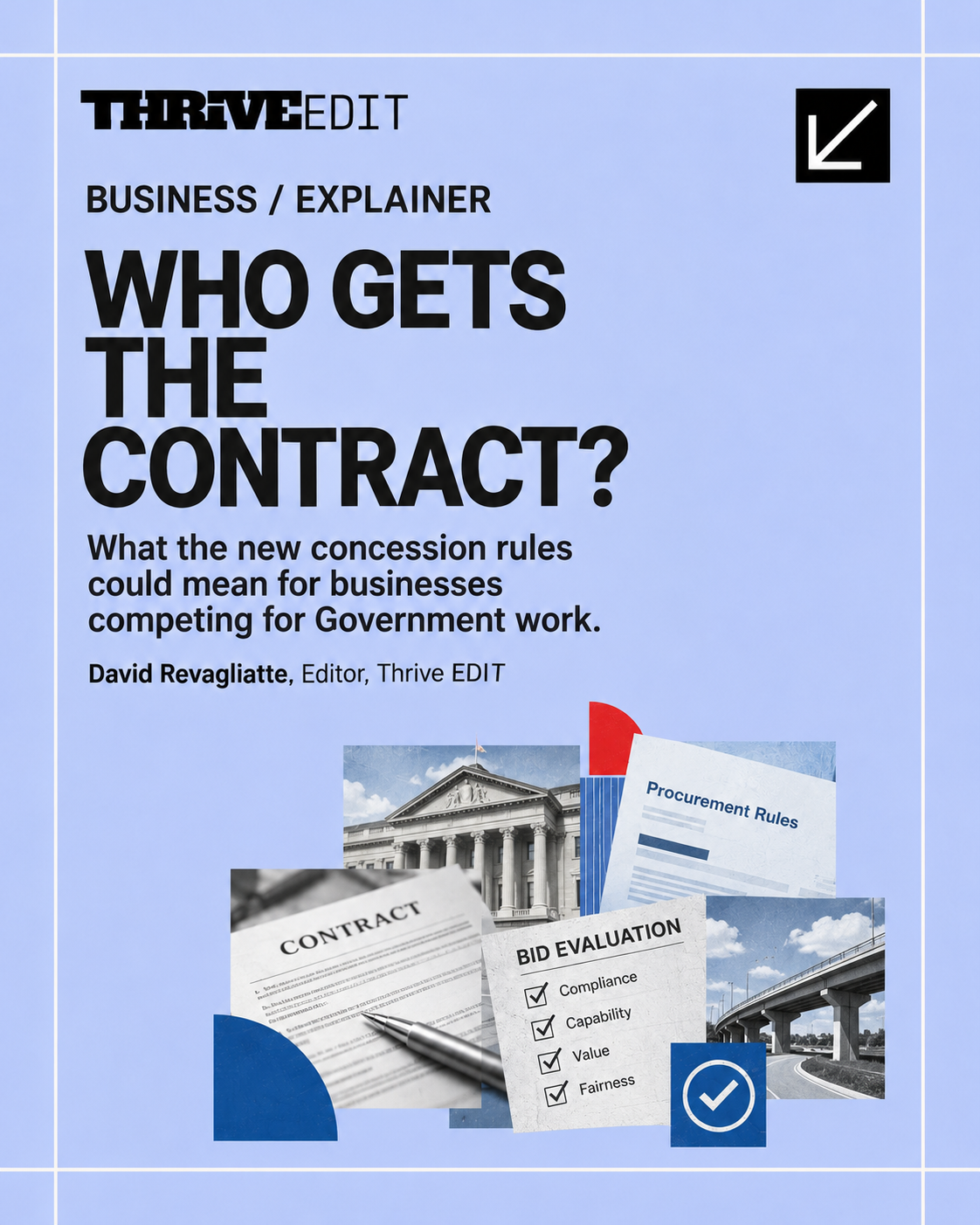
Changes to Gibraltar’s procurement rules have triggered a debate about how public concessions are awarded. What has changed, and what does it mean for businesses competing for Government work?

Personalised pricing allows businesses to tailor offers using customer data. As regulators examine the practice, Gibraltar firms should understand how it works and the implications for trust, transparency and reputation.
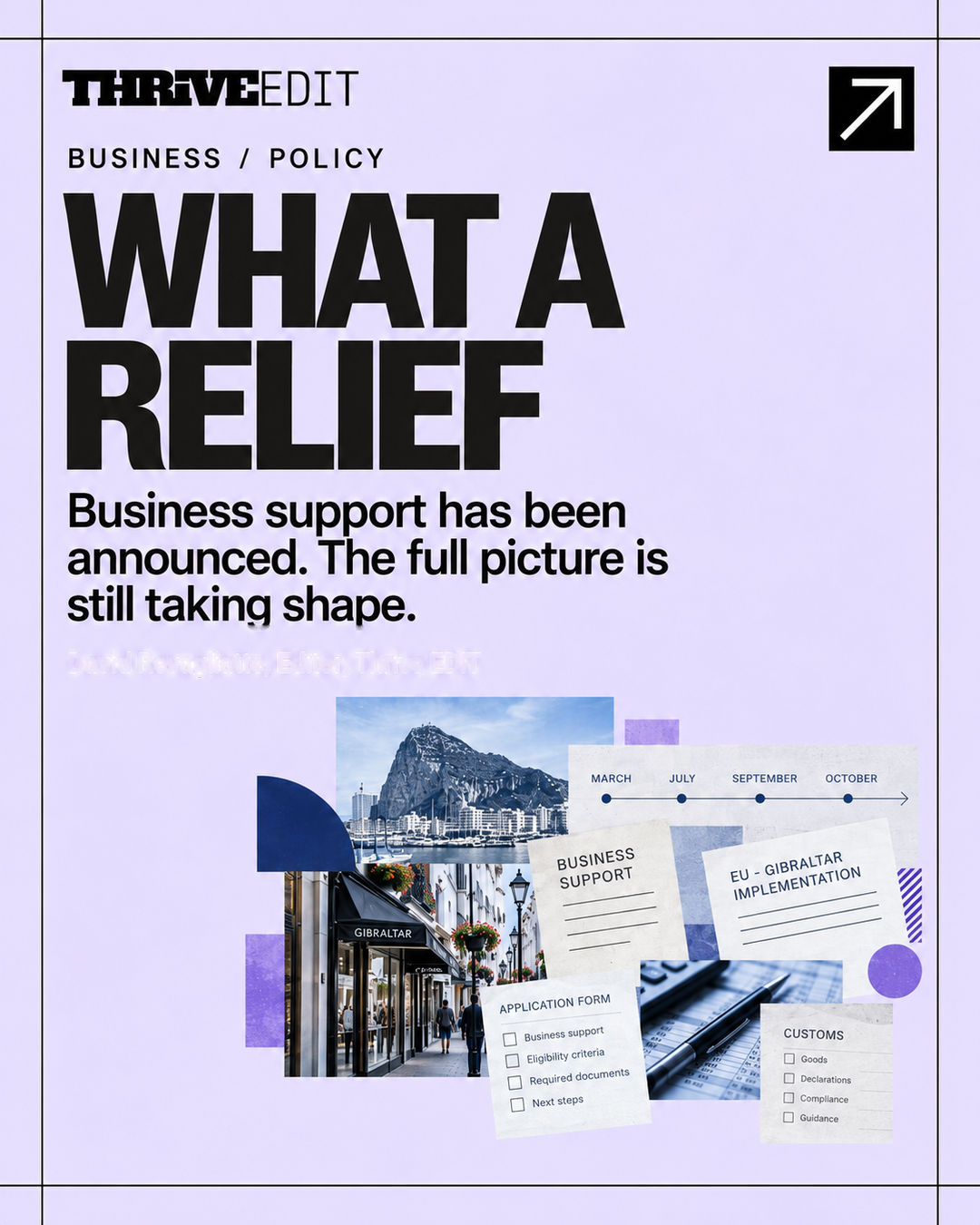
Gibraltar’s first detailed Treaty relief scheme is now in place, but businesses are still waiting for the full picture on wider modernisation support.