

 Gibraltar Federation of Small Businesses


 Gibraltar Federation of Small Businesses

The Gibraltar Federation of Small Businesses (GFSB) notes the Government’s press release of
23rd March regarding the forthcoming transaction tax and the messaging surrounding its implementation.
While it is important that accurate information is provided to the public by businesses, the
GFSB is concerned that the tone and framing of the communication may be interpreted in a
way that risks creating unnecessary tension between consumers and local businesses.
In the lead up to the Treaty implementation next month, some businesses have advised
customers that they may wish to consider placing orders ahead of the proposed 15%
transaction tax and the introduction of additional EU-related tariffs where applicable. This
advice has primarily been offered as a precautionary measure to help customers mitigate or
entirely avoid cost increases once the Treaty comes into effect.
At a time when the business community is already facing significant uncertainty, it is essential
that public communications remain measured, balanced and reflective of the realities faced
by businesses on the ground. This includes preparing customers for likely price increases,
which is an entirely legitimate consequence of businesses adjusting to cope with a significant
increase in duties that will be payable under the Treaty.
Businesses across Gibraltar are currently navigating a period of uncertainty as they prepare
for the implementation of the Treaty framework and the associated changes to duties and
customs environment. In this context, many businesses are simply trying to provide practical
guidance to their customers while they themselves seek clarity on how the new arrangements
will operate in practice and assimilating how changes will impact their businesses, including
consumer pricing.
Public messaging that is not carefully framed can position consumers against local businesses.
That undermines the ability of Gibraltar collectively to meet the challenges that the Treaty
presents.
The GFSB remains committed to working constructively with the Government to ensure that
the transition to the new system is clearly understood by both businesses and consumers
alike.


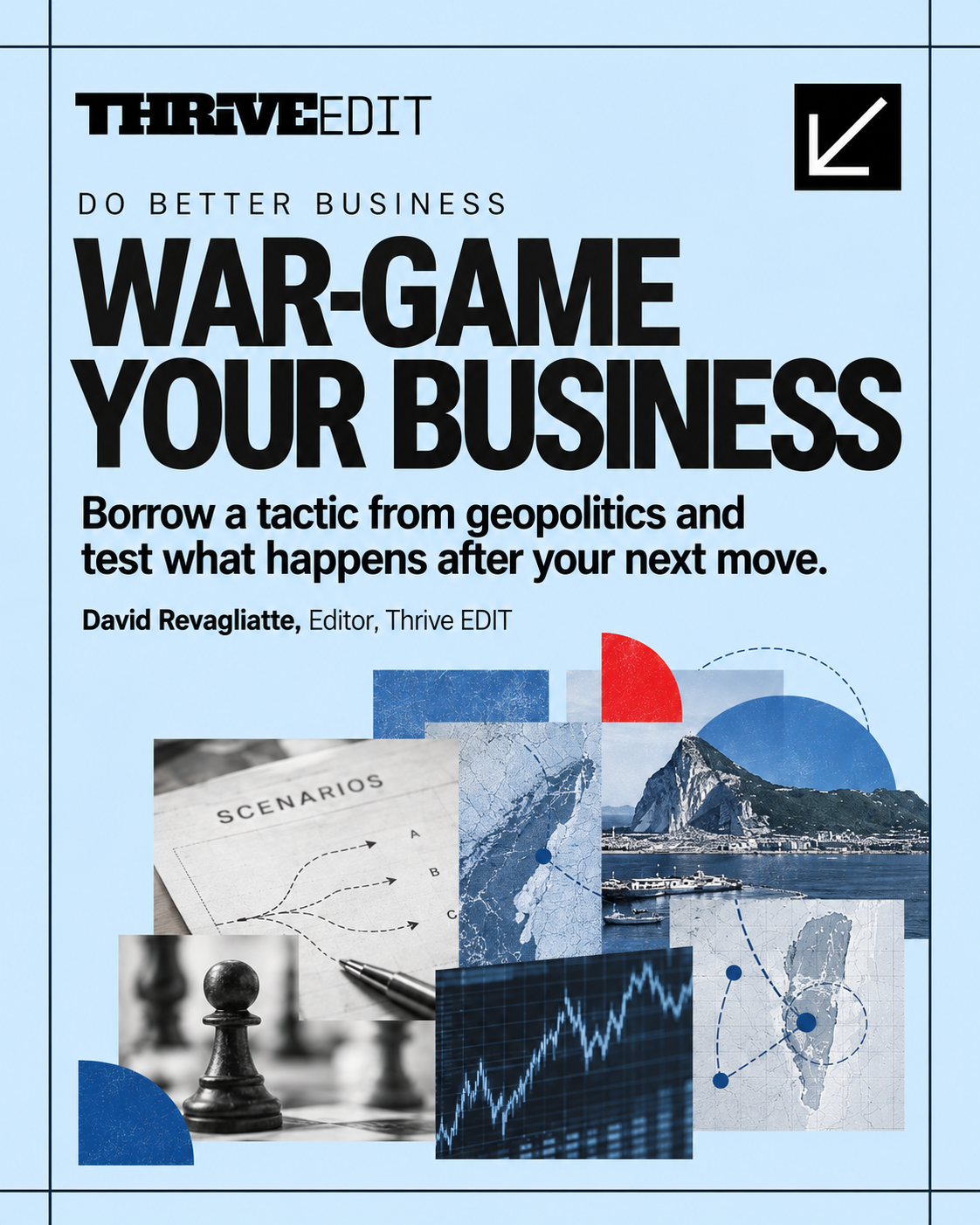

Governments and geopolitical strategists use simulations to test what might happen when other players react. The same thinking can help businesses challenge assumptions, anticipate competitors and prepare for decisions before real money is on the line.
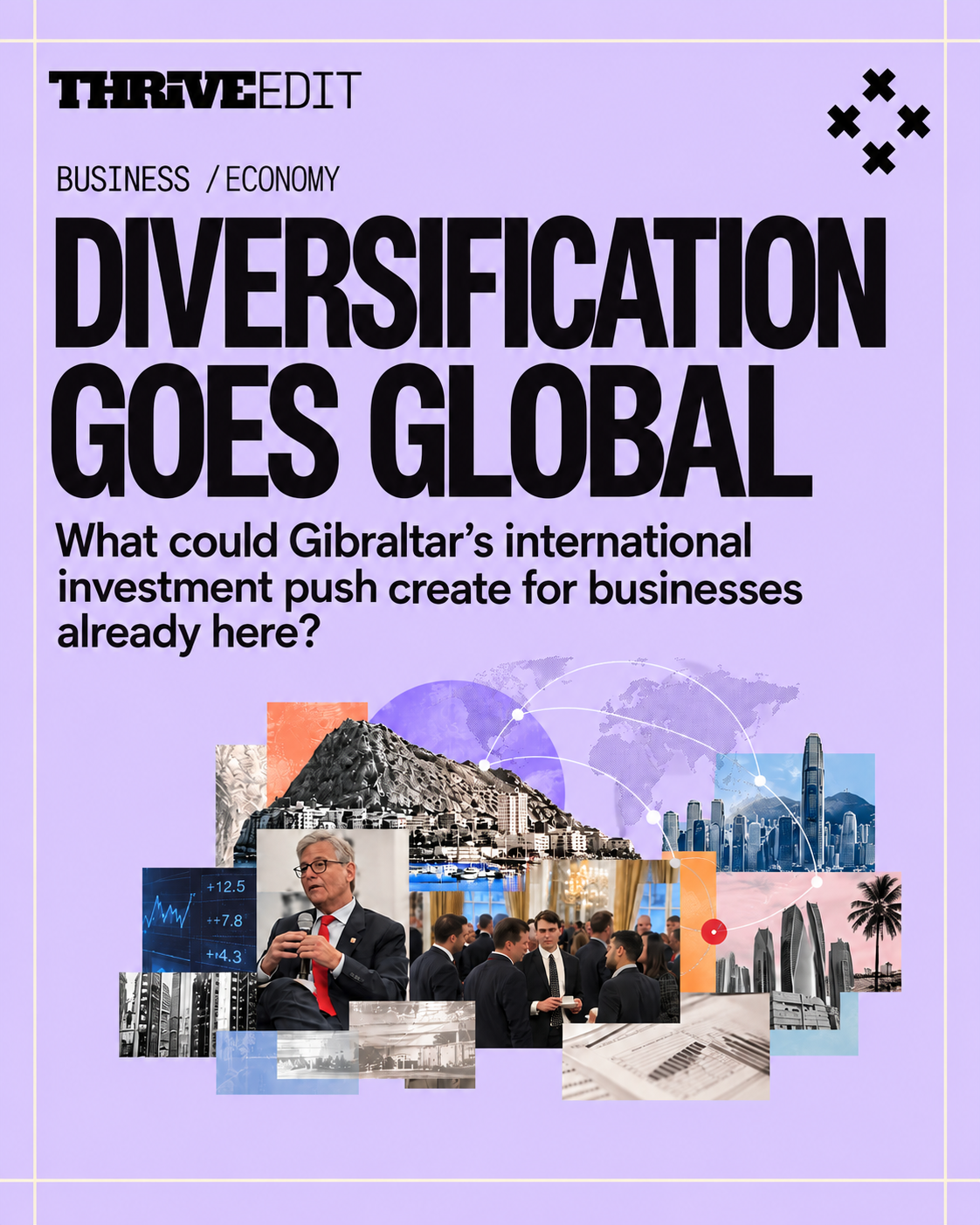
From Hong Kong to Abu Dhabi, Gibraltar is pursuing new industries and investors as part of a major economic diversification drive. Minister Nigel Feetham says the campaign is already generating business. The bigger question is how far those opportunities can spread through Gibraltar’s wider economy.
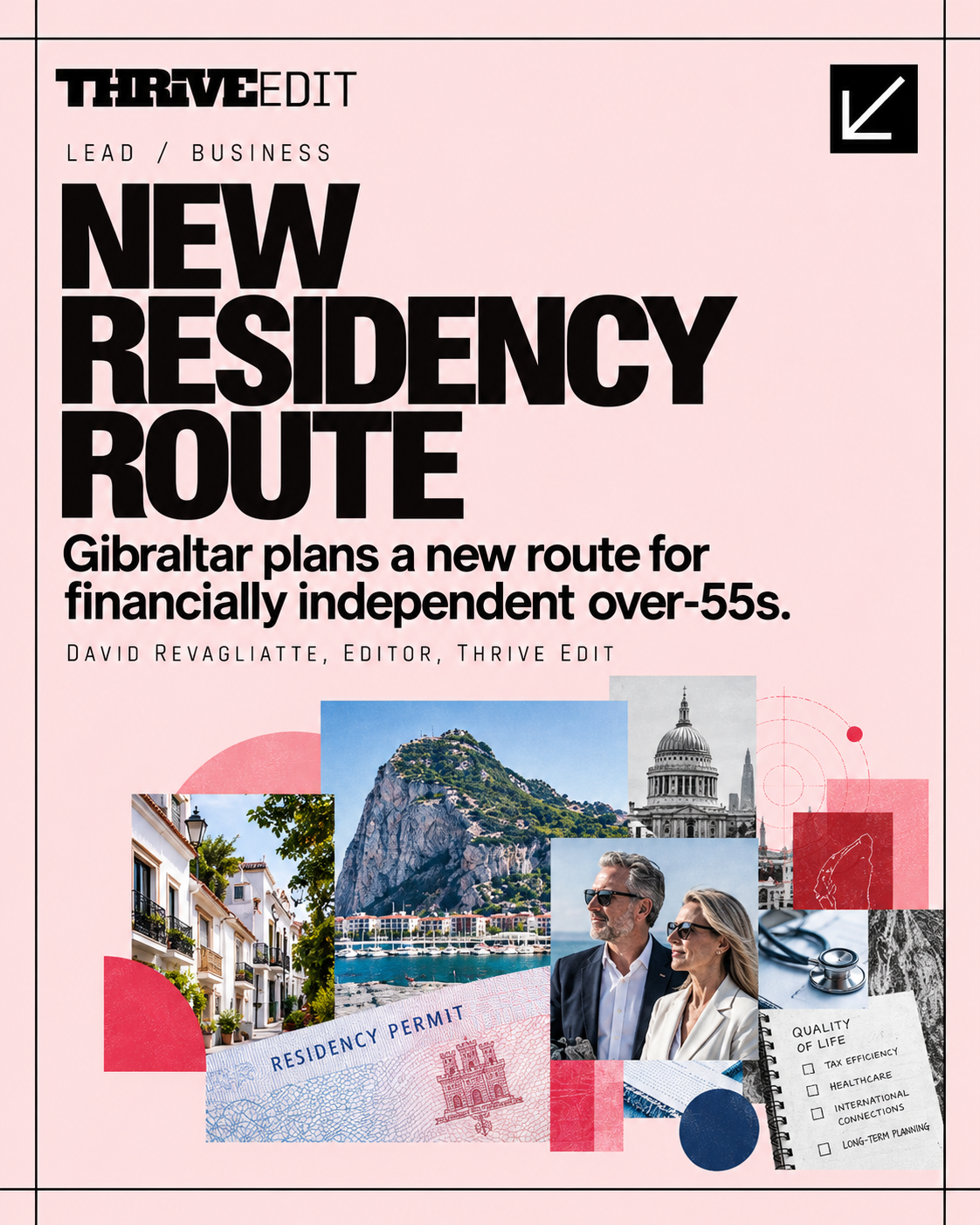
Gibraltar plans a new residency route for financially independent over-55s alongside a new business think tank announced at GibLink London.
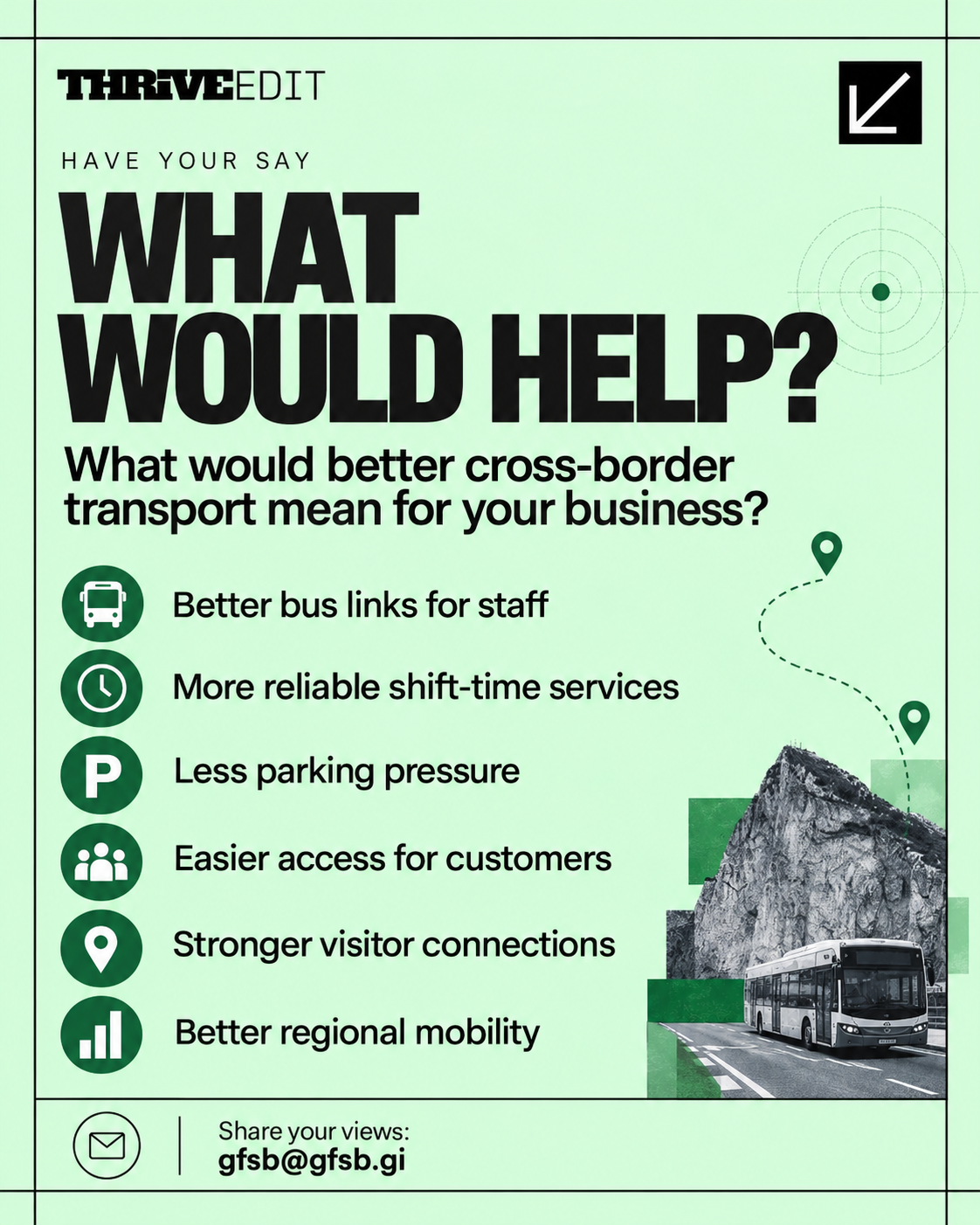
New frontier lanes and discussions around a cross-border transport interchange raise questions about buses, workers, visitors and business connectivity.
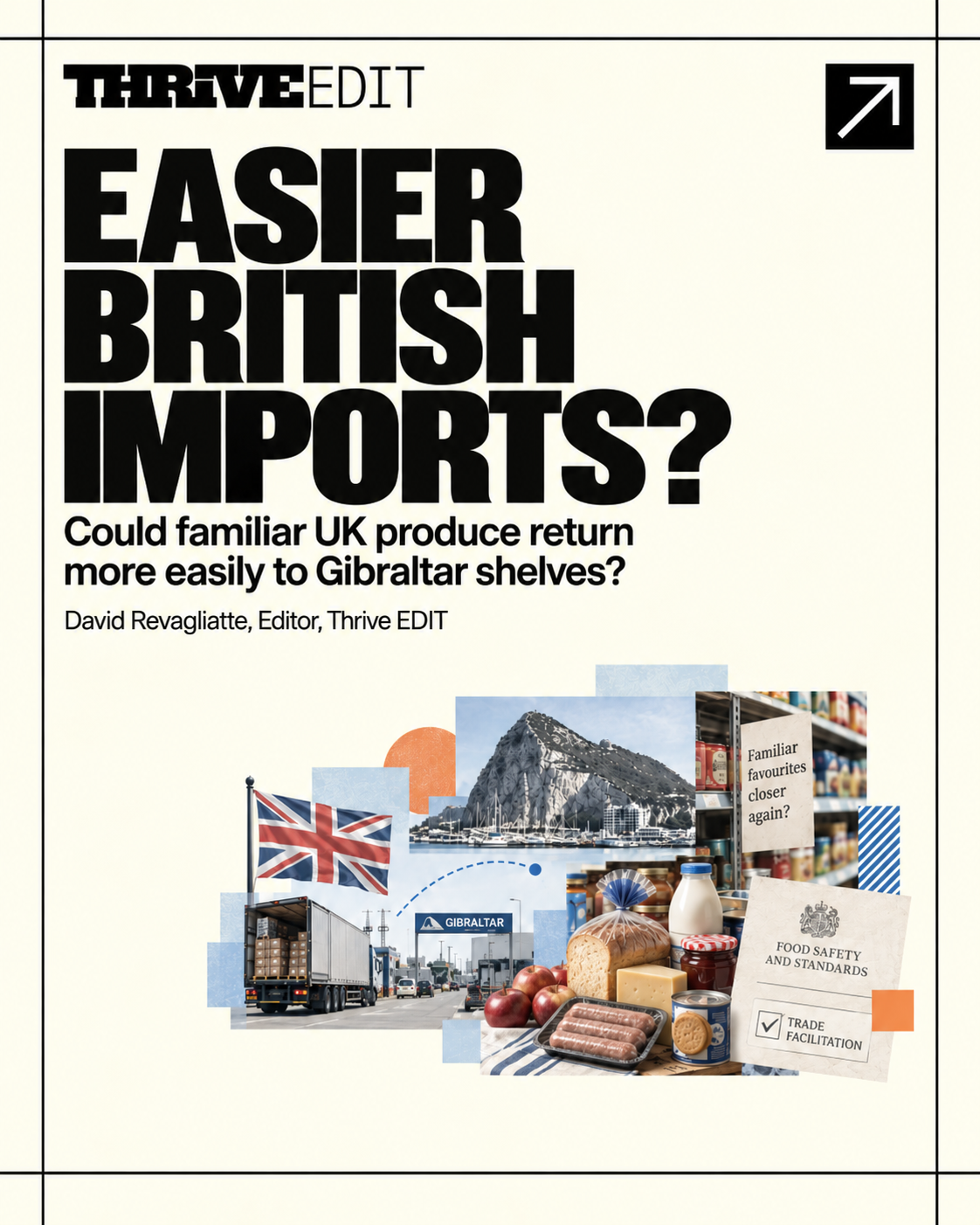
Could a future UK-EU food agreement make it easier for British produce to return to Gibraltar shelves? British produce has long been part of Gibraltar’s shopping experience; I wrote about it a couple of years ago, before we had a Treaty in place. From supermarket staples and fresh food to familiar household brands, we’ve spent […]