


 Gibraltar Federation of Small Businesses


 Gibraltar Federation of Small Businesses

If you’ve been following the Spanish news, you’ll know that Spain’s Foreign Minister, José Manuel Albares, appeared before the Congress of Deputies this week to explain the EU-UK agreement on Gibraltar, calling it a “historic” milestone that ends the last pending chapter of Brexit. He said the deal will bring prosperity to both sides of the border without compromising Spain’s long-standing position on sovereignty.
What happened:
Albares described the June agreement as the first comprehensive understanding between Spain and the UK on Gibraltar since the 1713 Treaty of Utrecht. He said it will lead to the removal of La Verja border fence and improve conditions for the 300,000 residents of the Campo de Gibraltar area. The minister stressed that the deal protects Spain’s legal stance and that nothing in the text can be used against it in international courts.
Driving the debate:
His remarks drew sharp criticism from opposition parties who accused the government of secrecy and political spin. The Popular Party’s Carlos Floriano called Albares’s tone “grandiose” and said there was “much rhetoric but little substance,” arguing that Parliament still has not seen a single page of the agreement. Vox went further, labelling the deal “a strategic capitulation” that benefits Gibraltar and undermines Spain’s influence in the Strait.
Between the lines:
While the government insists the agreement will boost regional stability, some MPs and local leaders want greater clarity. Algeciras mayor José Ignacio Landaluce said the lack of transparency leaves border communities in the dark and fuels suspicions that Gibraltar is the main beneficiary.
What they’re saying:
Why it matters:
The parliamentary debate reveals deep divisions over how Spain should manage the next stage of Gibraltar’s relationship with the EU. The outcome will shape cross-border relations, business confidence and mobility for years to come.
What’s next:
Albares has asked the Popular Party to support the agreement when it reaches the European Parliament later this year. The government expects the formal treaty to be signed before the end of 2025, with a four-year transition period once it takes effect. Grab the popcorn.


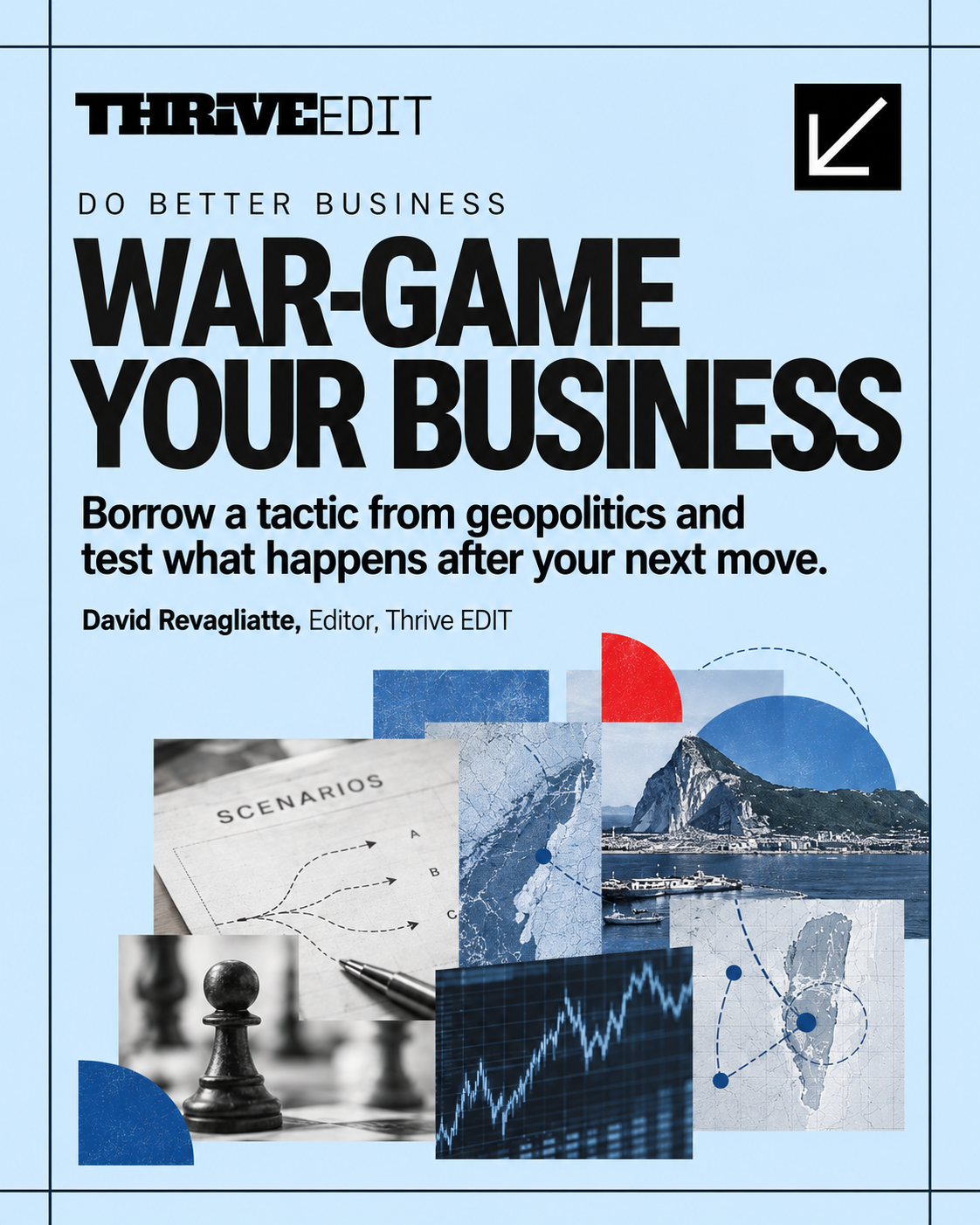

Governments and geopolitical strategists use simulations to test what might happen when other players react. The same thinking can help businesses challenge assumptions, anticipate competitors and prepare for decisions before real money is on the line.
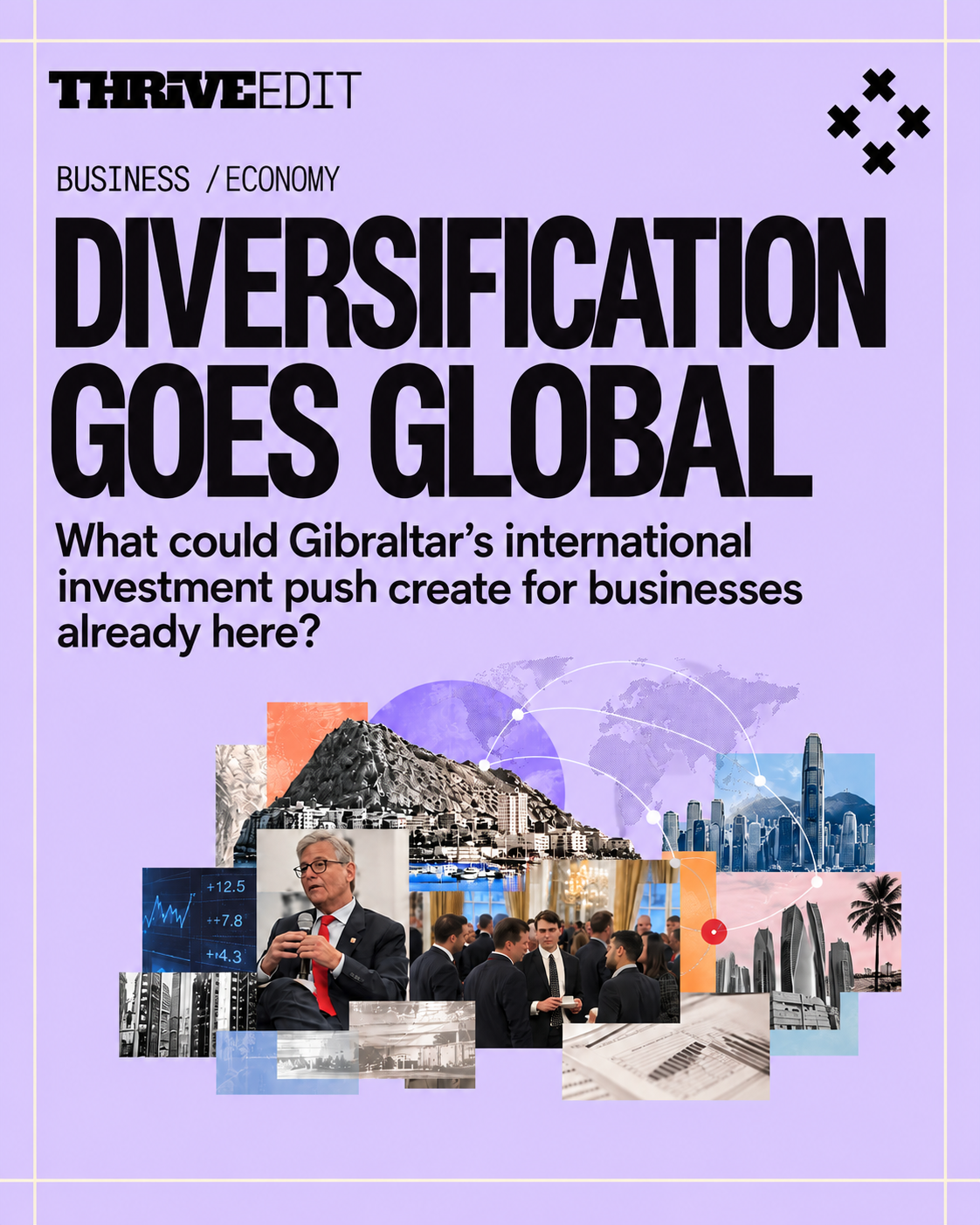
From Hong Kong to Abu Dhabi, Gibraltar is pursuing new industries and investors as part of a major economic diversification drive. Minister Nigel Feetham says the campaign is already generating business. The bigger question is how far those opportunities can spread through Gibraltar’s wider economy.
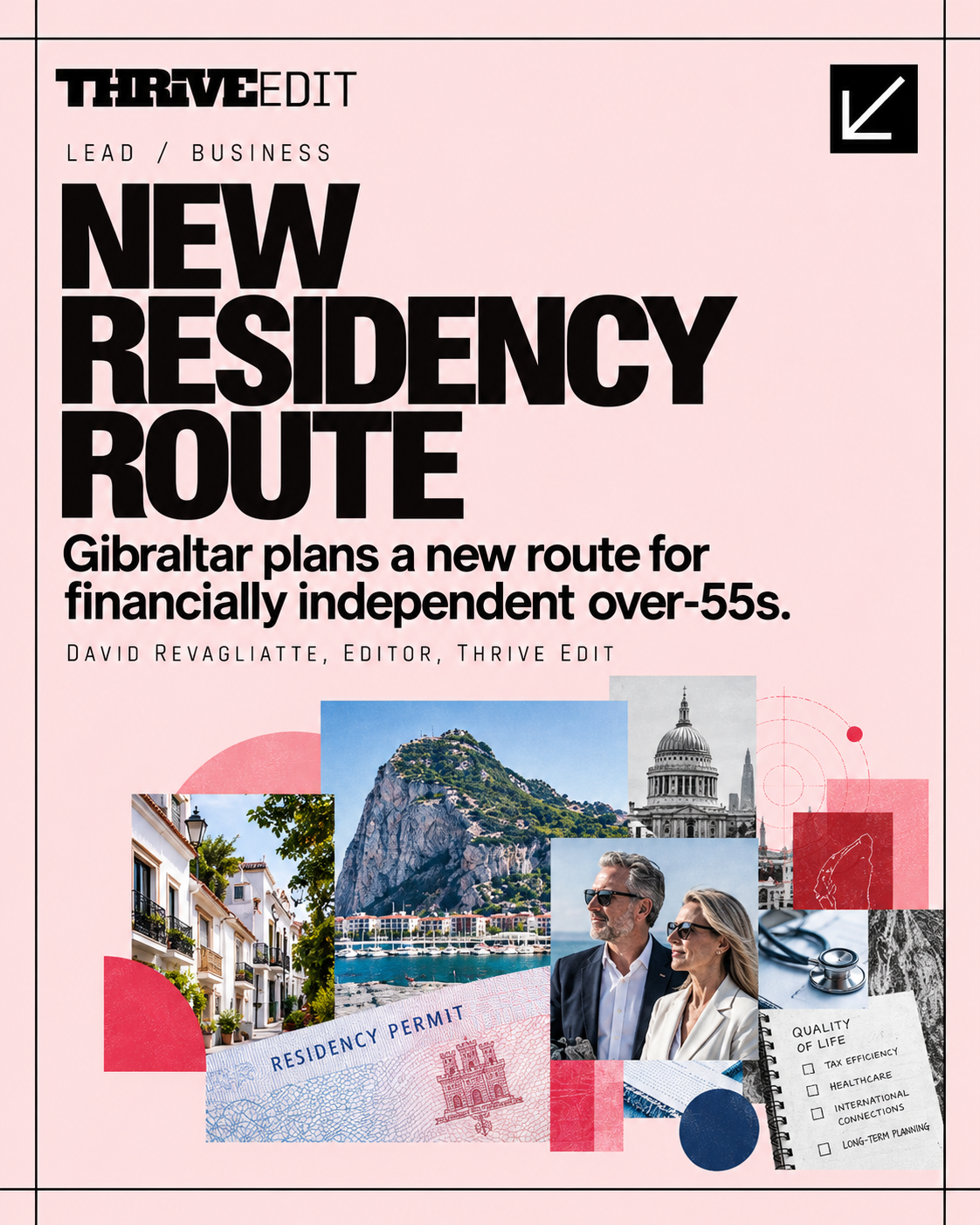
Gibraltar plans a new residency route for financially independent over-55s alongside a new business think tank announced at GibLink London.
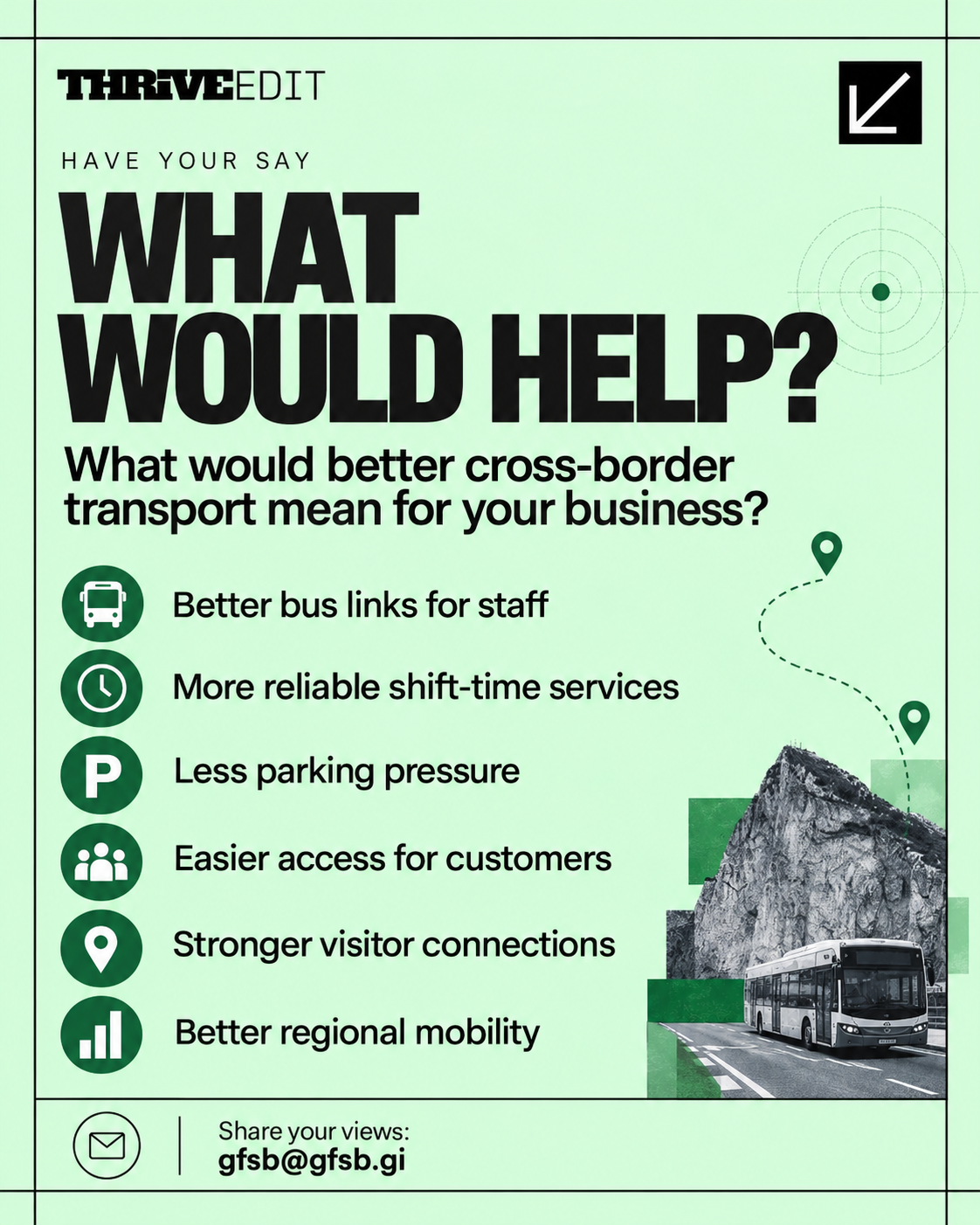
New frontier lanes and discussions around a cross-border transport interchange raise questions about buses, workers, visitors and business connectivity.
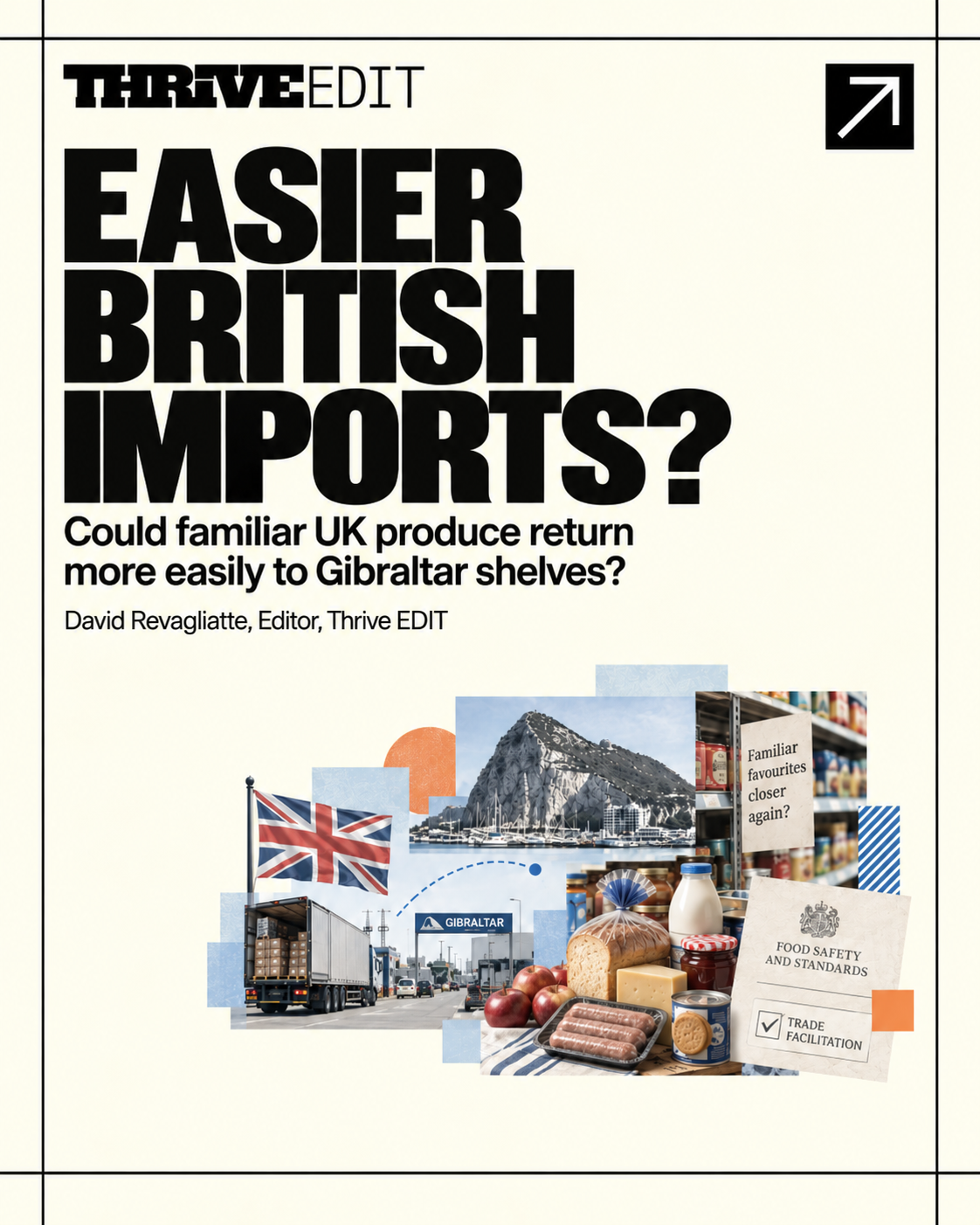
Could a future UK-EU food agreement make it easier for British produce to return to Gibraltar shelves? British produce has long been part of Gibraltar’s shopping experience; I wrote about it a couple of years ago, before we had a Treaty in place. From supermarket staples and fresh food to familiar household brands, we’ve spent […]