

 Gibraltar Federation of Small Businesses


 Gibraltar Federation of Small Businesses

The Chief Minister last week met representatives of the Cross Frontier Group at No.6 Convent Place as part of a series of stakeholder briefings ahead of treaty implementation. The GFSB attended in its capacity as a CFG member, representing businesses and workers directly affected by border arrangements.
Treay Text was shared at the meeting
Attendees were given access to the treaty text in hard copy. The Chief Minister acknowledged that, given differing confidentiality regimes across EU member states, a leak of the text is likely before formal publication.
The legal scrub is complete. An Opposition briefing was held the previous day. Stakeholder consultations are ongoing. Public release is expected shortly, with ratification targeted before the end of March, subject to parliamentary processes.
A motion to debate the treaty is expected in the Gibraltar Parliament in the coming weeks.
10th April hard deadline
Much of the discussion focused on 10 April 2026, when the EU’s new Entry/Exit System comes fully into force.
The shared objective across the room was clear: ensure provisional application or ratification of the treaty before that date to avoid a “hard border” outcome.
The Cross Frontier Group underlined the importance of protecting the seamless movement of around 15,000 cross-border workers whose daily mobility underpins economic life on both sides of the border.
No deal would be ‘Catastrophic’
The CFG reiterated unanimously that a No Deal scenario would be “catastrophic” for Gibraltar and the wider Campo de Gibraltar.
While welcoming the successful conclusion of negotiations, business representatives raised concerns about the practical impact of the new customs framework and Transaction Tax regime.
Retail and wholesale were singled out as particularly exposed to higher import costs.
On Spanish preparedness, concerns were raised about staffing and training at Algeciras. The Chief Minister indicated that Gibraltar volumes would represent only a small proportion of overall throughput.
Worker protections were discussed
Trade union representatives from Unite and CCOO focused on job security during transition.
They asked whether the Chief Minister would jointly address stewards to reiterate previous assurances regarding redundancies and employment protections. He was receptive, noting the importance of dispelling fear and maintaining confidence.
What happens now?
• Legal scrub: completed
• Opposition briefing: completed
• Stakeholder consultations: ongoing
• Public release: imminent
• Ratification: targeted before end March
The CFG will continue lobbying efforts in Madrid and London to maintain political momentum through ratification.
This meeting forms part of the GFSB’s ongoing work to ensure that the voices of those most affected by border arrangements are heard at the highest level.
Members are encouraged to share specific operational concerns so these can be fed into ongoing discussions. As the transition phase approaches, practical clarity will be as important as political agreement.


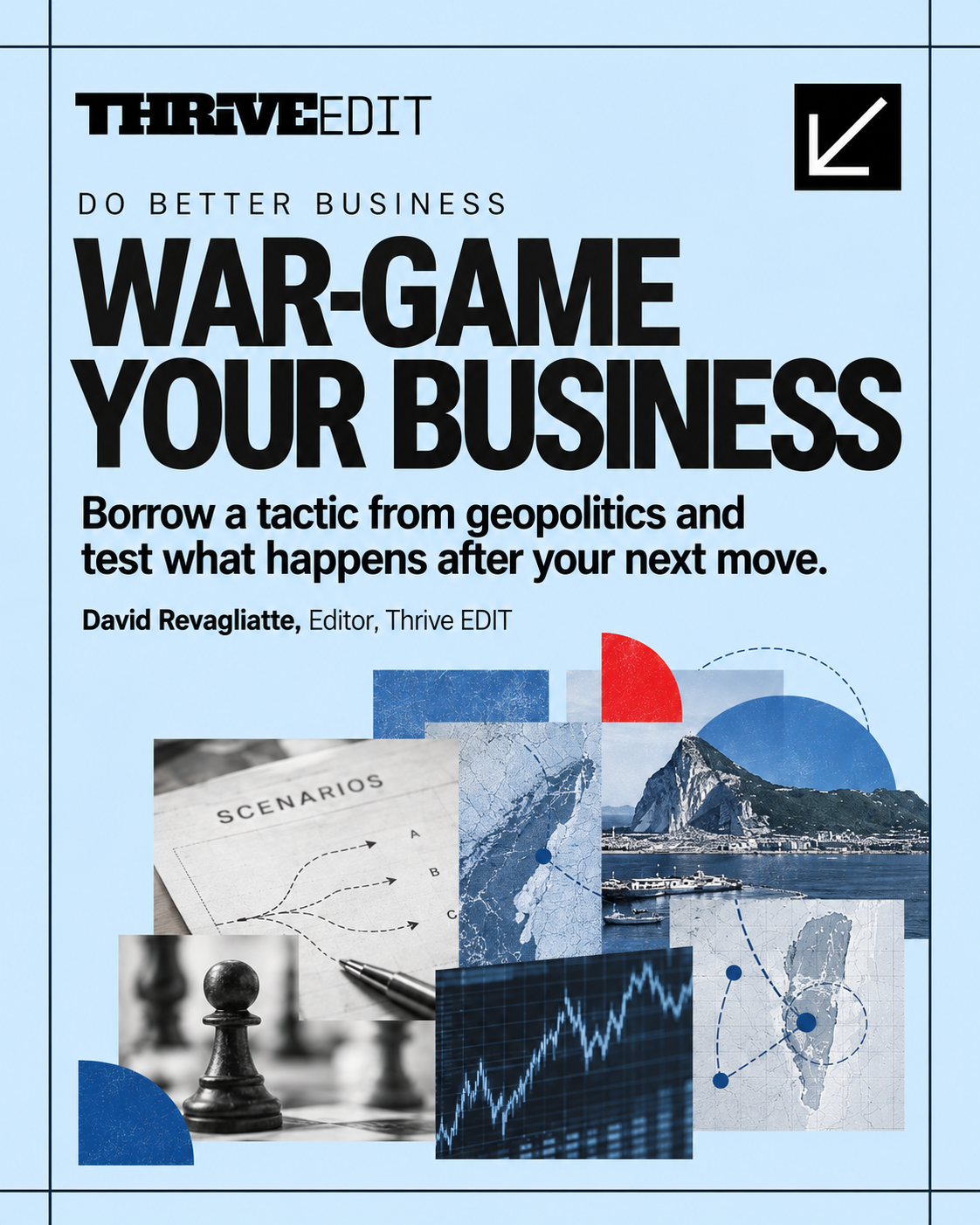

Governments and geopolitical strategists use simulations to test what might happen when other players react. The same thinking can help businesses challenge assumptions, anticipate competitors and prepare for decisions before real money is on the line.

From Hong Kong to Abu Dhabi, Gibraltar is pursuing new industries and investors as part of a major economic diversification drive. Minister Nigel Feetham says the campaign is already generating business. The bigger question is how far those opportunities can spread through Gibraltar’s wider economy.

Gibraltar plans a new residency route for financially independent over-55s alongside a new business think tank announced at GibLink London.
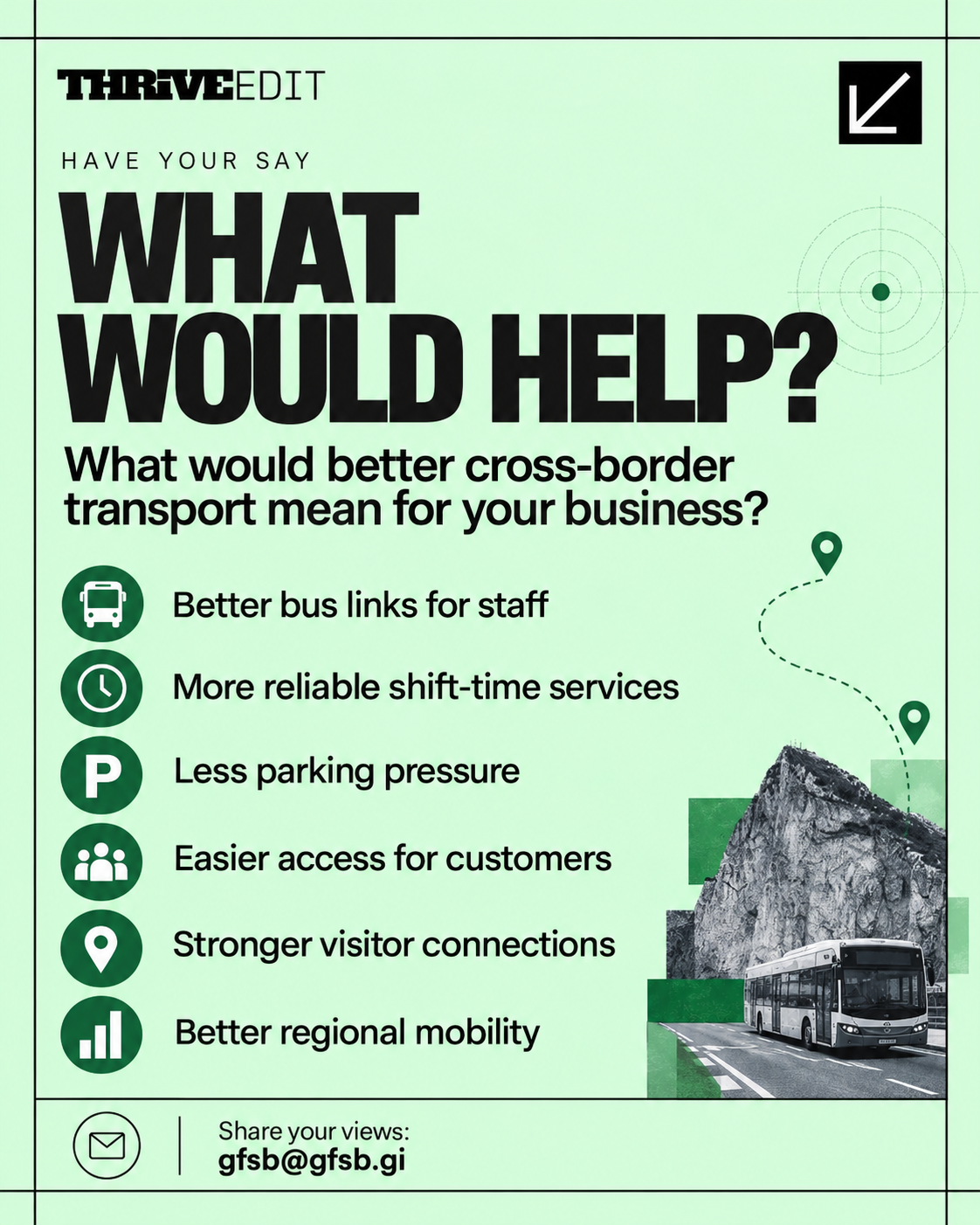
New frontier lanes and discussions around a cross-border transport interchange raise questions about buses, workers, visitors and business connectivity.
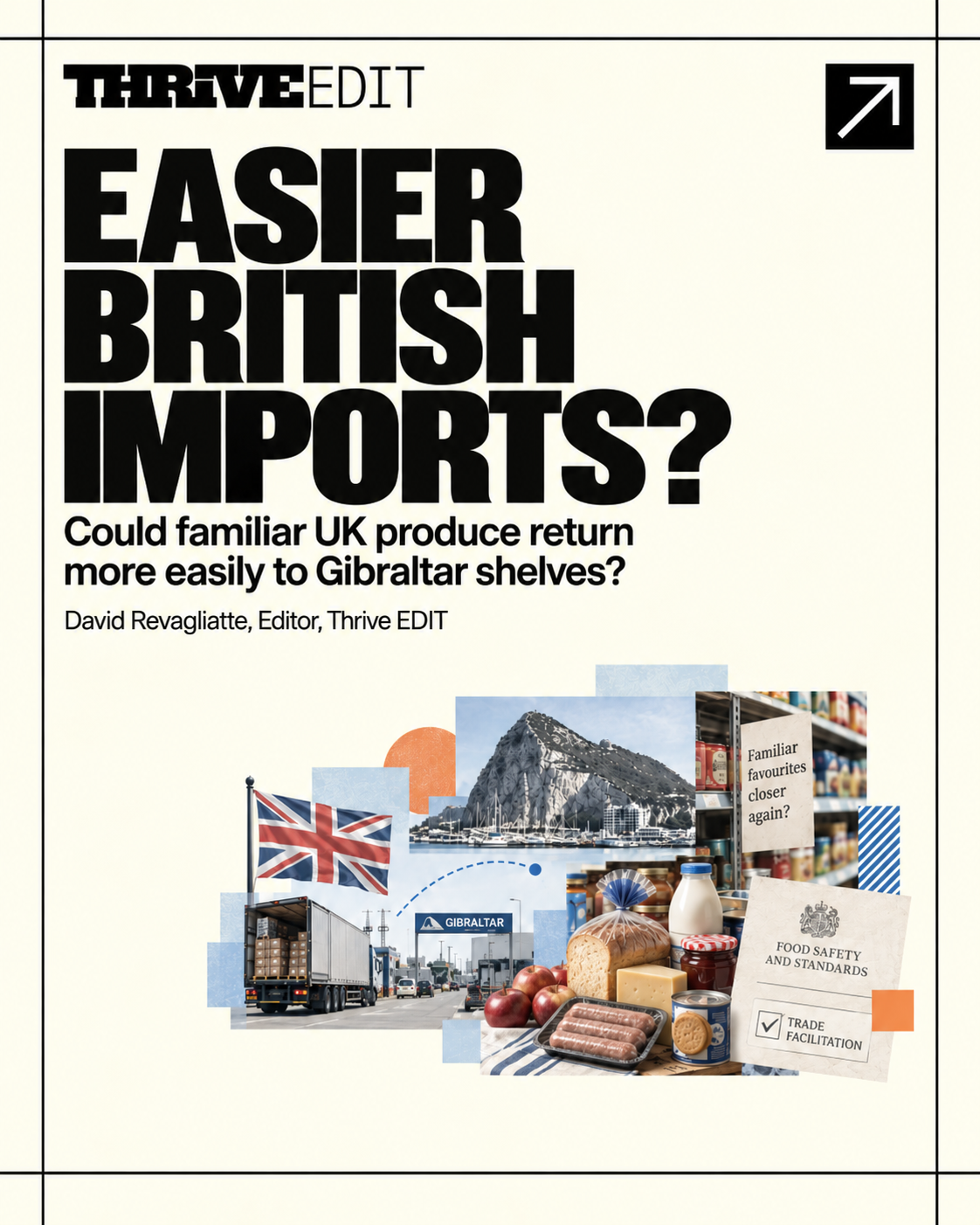
Could a future UK-EU food agreement make it easier for British produce to return to Gibraltar shelves? British produce has long been part of Gibraltar’s shopping experience; I wrote about it a couple of years ago, before we had a Treaty in place. From supermarket staples and fresh food to familiar household brands, we’ve spent […]