

 Gibraltar Federation of Small Businesses


 Gibraltar Federation of Small Businesses


The GFSB has long raised concerns about the impact of unlicensed cross-border trade on its members. Following representations made to the Minister for Business in July, and following meetings with a group of concerned members and traders, the issue was addressed in Parliament last week, where Business Minister Gemma Arias Vasquez outlined the Government’s strategy. The Gibraltar Chronicle reported on this exchange, highlighting the Government’s commitment to addressing the problem through a phased approach of education and enforcement.
Why does this matter?
Unlicensed cross-border trade from Spanish businesses operating in Gibraltar has created significant challenges for local businesses. Competing with companies not complying with Gibraltar’s licensing and registration laws has led to unfair market conditions across multiple sectors, from construction to retail. The issue, raised during a recent GFSB OFT seminar, the Brexit Townhall and in Parliament, underscores the need for stronger enforcement to protect Gibraltar’s economy.
What is the Government’s plan?
In response to these concerns, the Government unveiled a two-phase strategy:
What about consumers?
The Government also highlighted the role of consumers, noting that while goods from non-Gibraltar businesses can be delivered locally, services such as kitchen installations or furniture assembly can only be provided by registered and licensed Gibraltar businesses. A public education initiative will aim to clarify this distinction. The GFSB has called for the Fair Trading Act to be amended to oblige consumers to use properly licensed businesses.
What happens now?
From January, enforcement will intensify with a visible campaign designed to level the playing field for Gibraltar’s business community. Speaking in Parliament, Minister Arias Vasquez acknowledged the concerns of small businesses and outlined a coordinated response to tackle this long-standing issue.
GFSB Advocates issue
The GFSB has been instrumental in raising this issue, engaging with the Government since July, contributing to the development of awareness materials, and working with a group of concerned members and traders to advocate on this issue. Local businesses have been actively consulted and are now encouraged to provide evidence of unlicensed competitors to help with enforcement efforts.
The GFSB strongly welcomes these positive steps taken by the Minister for Business and the OFT.
What’s YOUR take? The GFSB invites members to share their experiences or concerns via the GFSB community platform and join the discussion today.


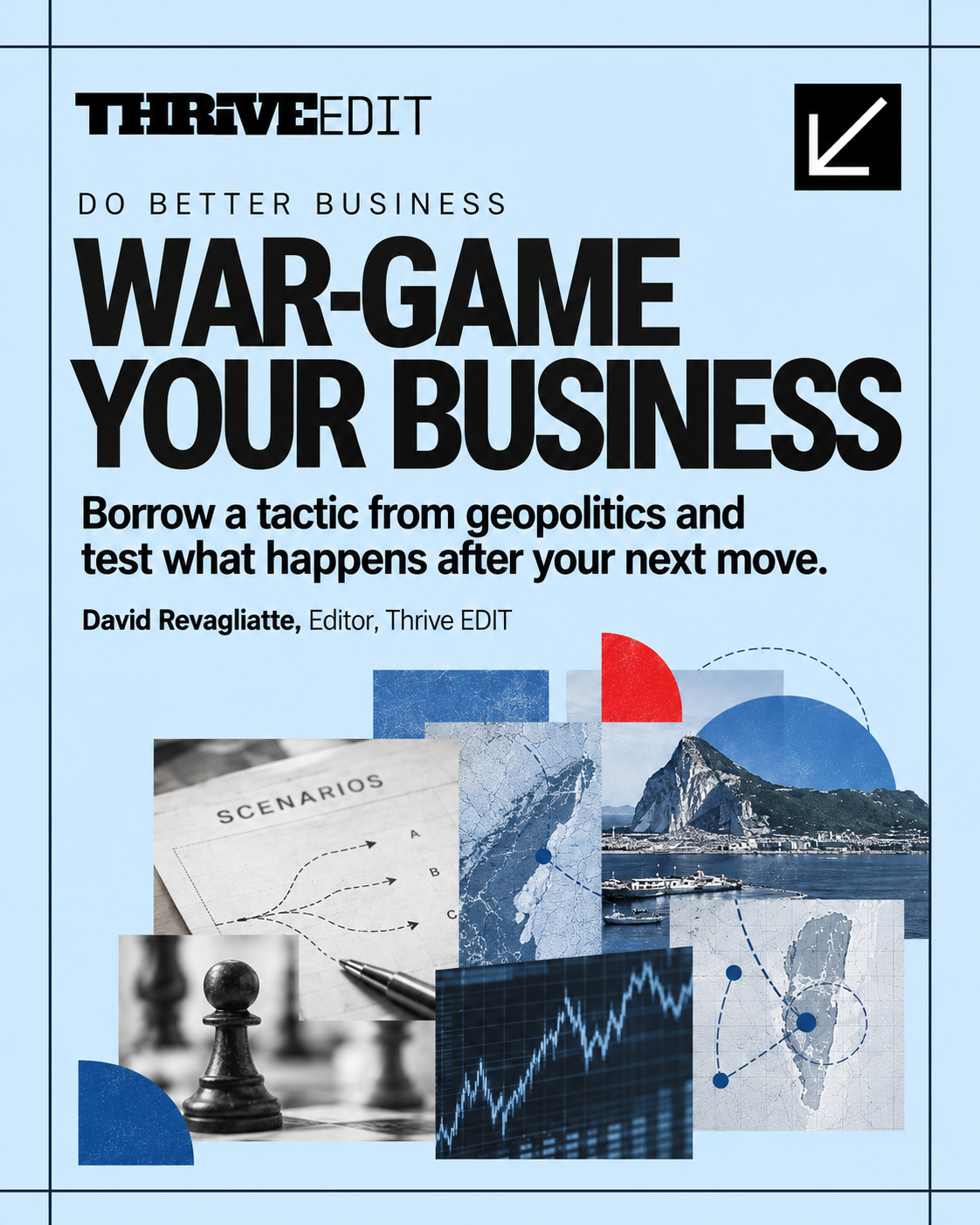

Governments and geopolitical strategists use simulations to test what might happen when other players react. The same thinking can help businesses challenge assumptions, anticipate competitors and prepare for decisions before real money is on the line.

From Hong Kong to Abu Dhabi, Gibraltar is pursuing new industries and investors as part of a major economic diversification drive. Minister Nigel Feetham says the campaign is already generating business. The bigger question is how far those opportunities can spread through Gibraltar’s wider economy.

Gibraltar plans a new residency route for financially independent over-55s alongside a new business think tank announced at GibLink London.
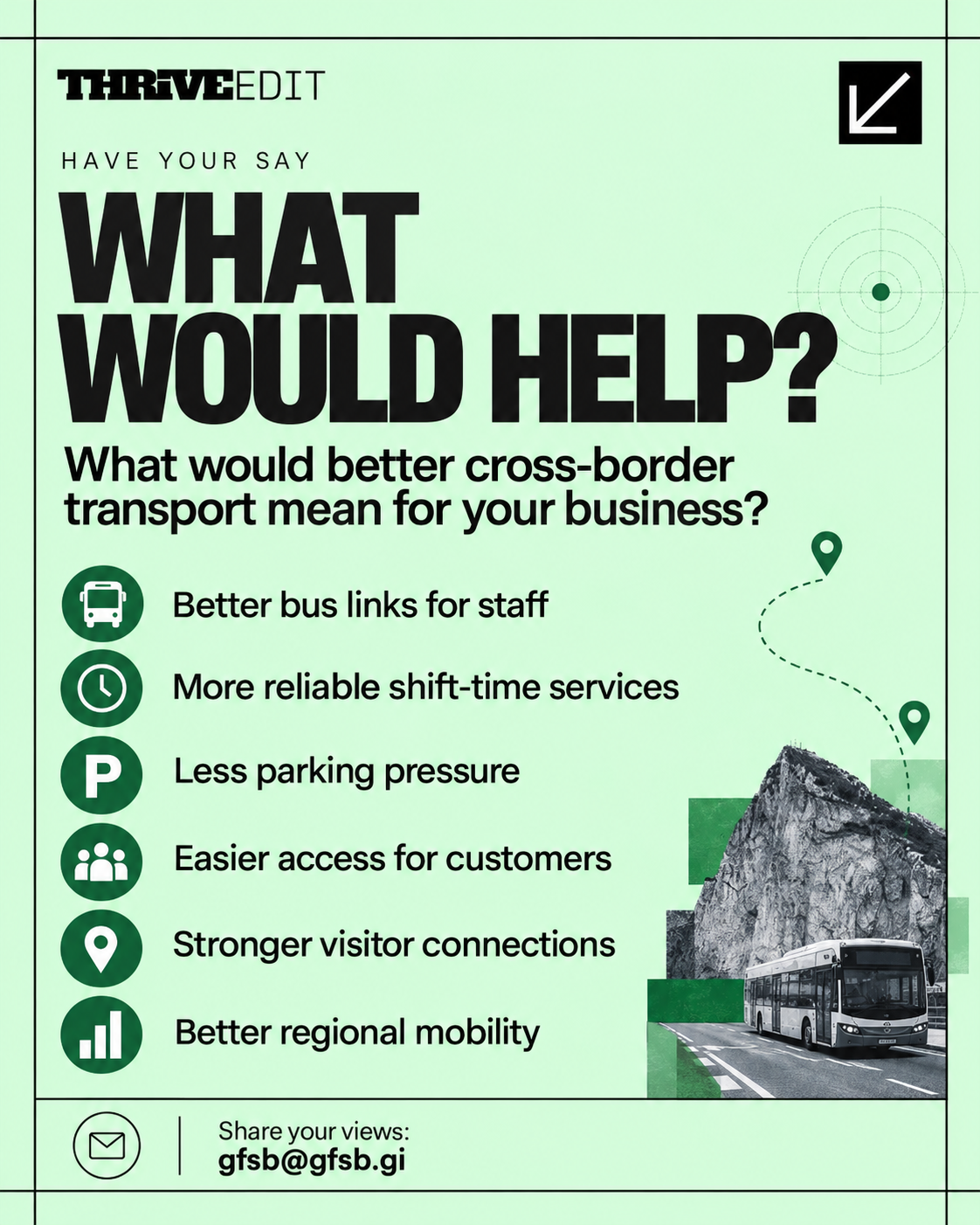
New frontier lanes and discussions around a cross-border transport interchange raise questions about buses, workers, visitors and business connectivity.
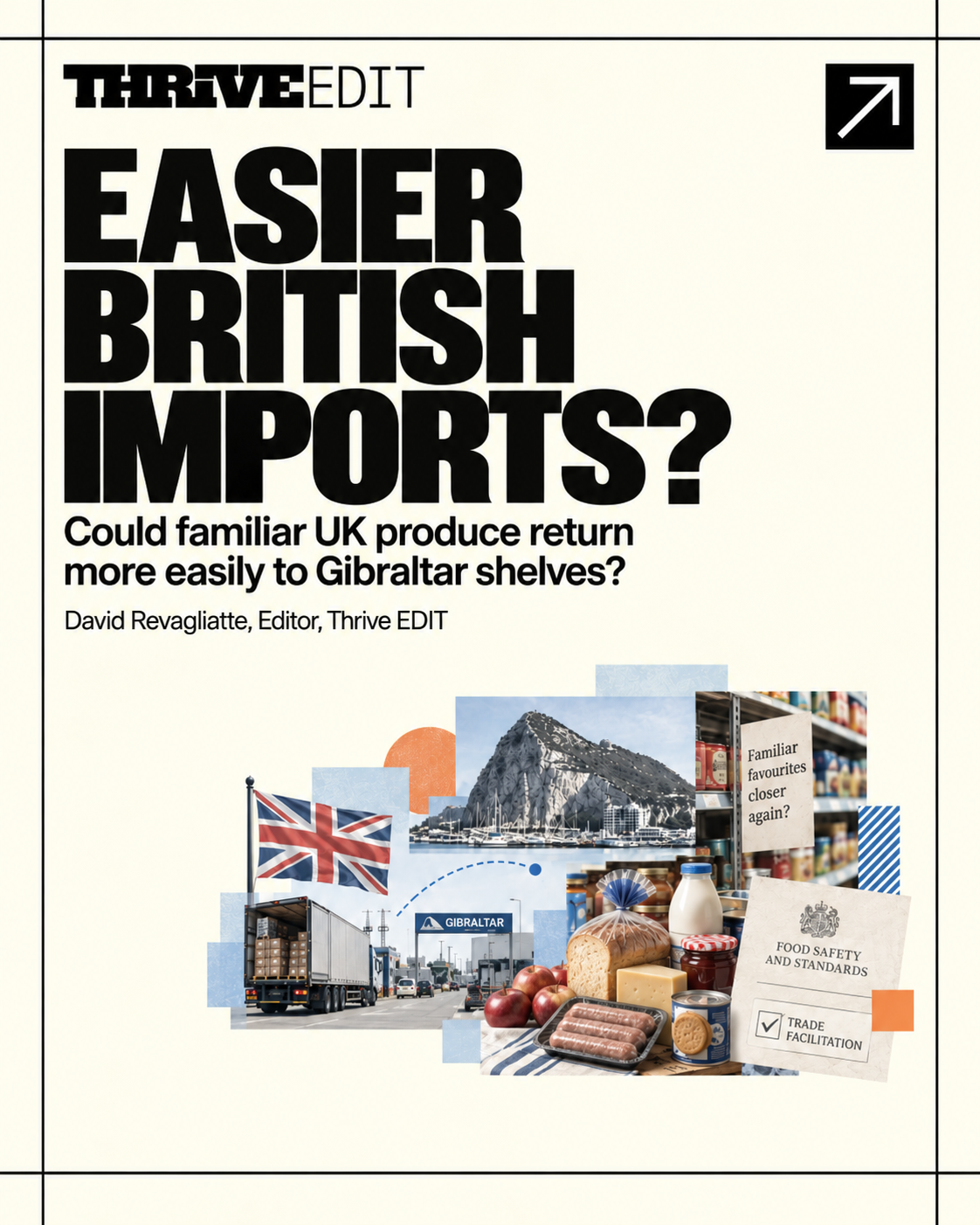
Could a future UK-EU food agreement make it easier for British produce to return to Gibraltar shelves? British produce has long been part of Gibraltar’s shopping experience; I wrote about it a couple of years ago, before we had a Treaty in place. From supermarket staples and fresh food to familiar household brands, we’ve spent […]