

 Gibraltar Federation of Small Businesses


 Gibraltar Federation of Small Businesses

If you’ve been following the news, all signs point to EU/UK Treaty negotiations ending soon. Lines are drawn and tensions are high.
Though “optimistic”, Chief Minister Fabian Picardo called on Spain to accept Gibraltar’s “reasonable and well-balanced” treaty proposals, warning that failure to do so would “condemn us all” to difficult border controls. In contrast, Spain’s Foreign Minister, Jose Manuel Albares, insisted the UK and Gibraltar must choose between the “comprehensive, balanced, and pragmatic” EU/Spain proposals or face the consequences of stricter EU border controls from November.
What’s happening in November?
If the EU launches its automatic entry/exit system (EES) as planned on November 10th, it could all change at the border. Spain’s Minister for Foreign Affairs Jose Manuel said ‘bridging measures’ would end once the scheme is live, signalling the end of special treatment for Gibraltar red ID card holders, giving many a Brexit ‘reality shock’.
Why does this matter?
The EES would introduce biometric checks (fingerprints and facial scans) for non-EU nationals, including British citizens entering the Schengen zone. For Gibraltar residents, this could mean long-term disruptions at the border as without an agreement, residents may only be permitted to stay in the Schengen area for 90 days within a 180-day period.
Needless to say, the outcome of the treaty talks will significantly shape the business environment in Gibraltar and the Campo.
So what now?
With the November 10th deadline looming, businesses must stay informed on treaty developments and prepare for potential changes at the border. If showing a passport becomes necessary when entering Gibraltar, this means you MUST have a passport. We’ll keep sharing what we know, but in the meantime, we recommend checking whether employees actually have a passport, as many may be crossing the border using their national ID card only…
Read the Government’s EES Technical Notice (Published July ’24).


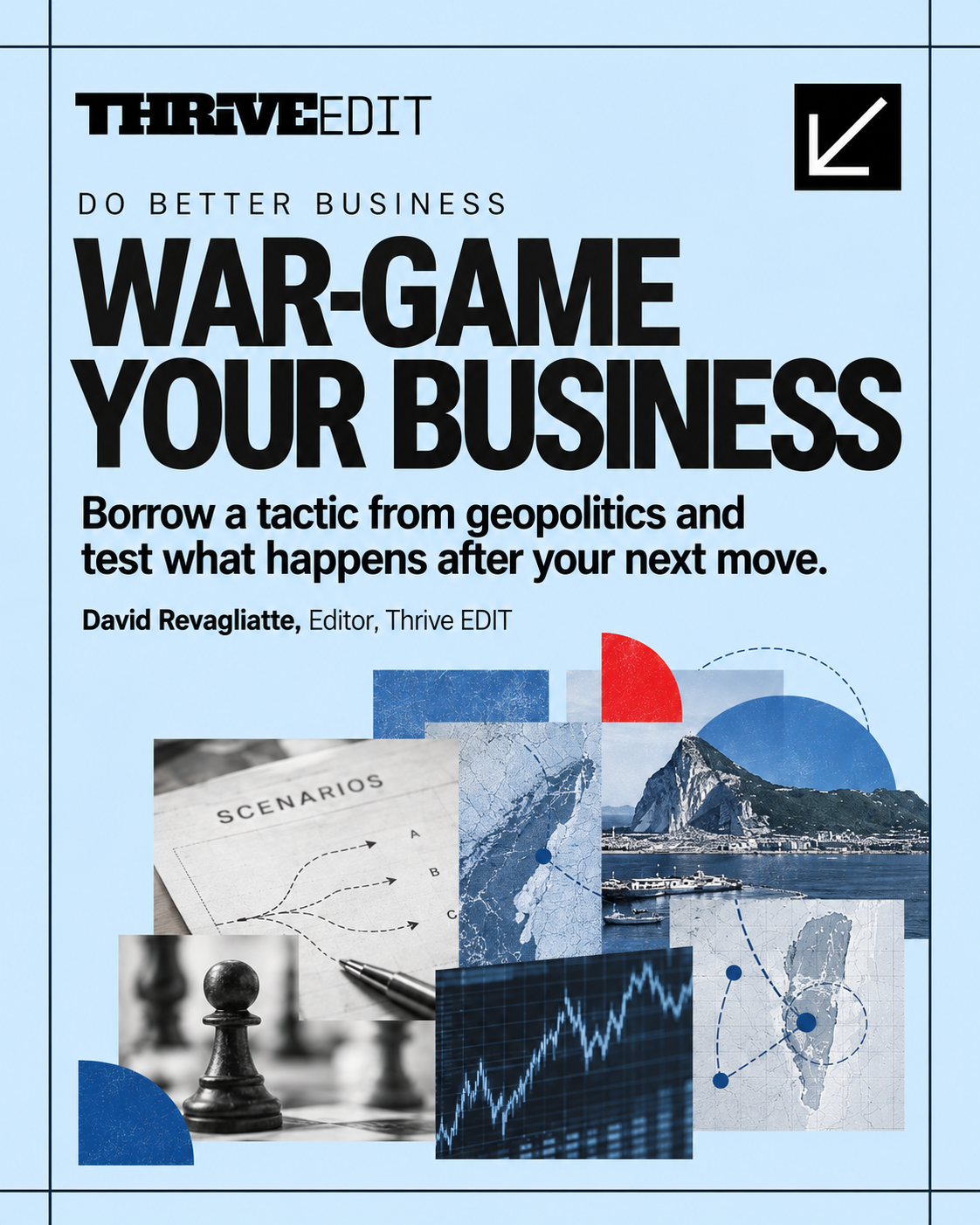

Governments and geopolitical strategists use simulations to test what might happen when other players react. The same thinking can help businesses challenge assumptions, anticipate competitors and prepare for decisions before real money is on the line.
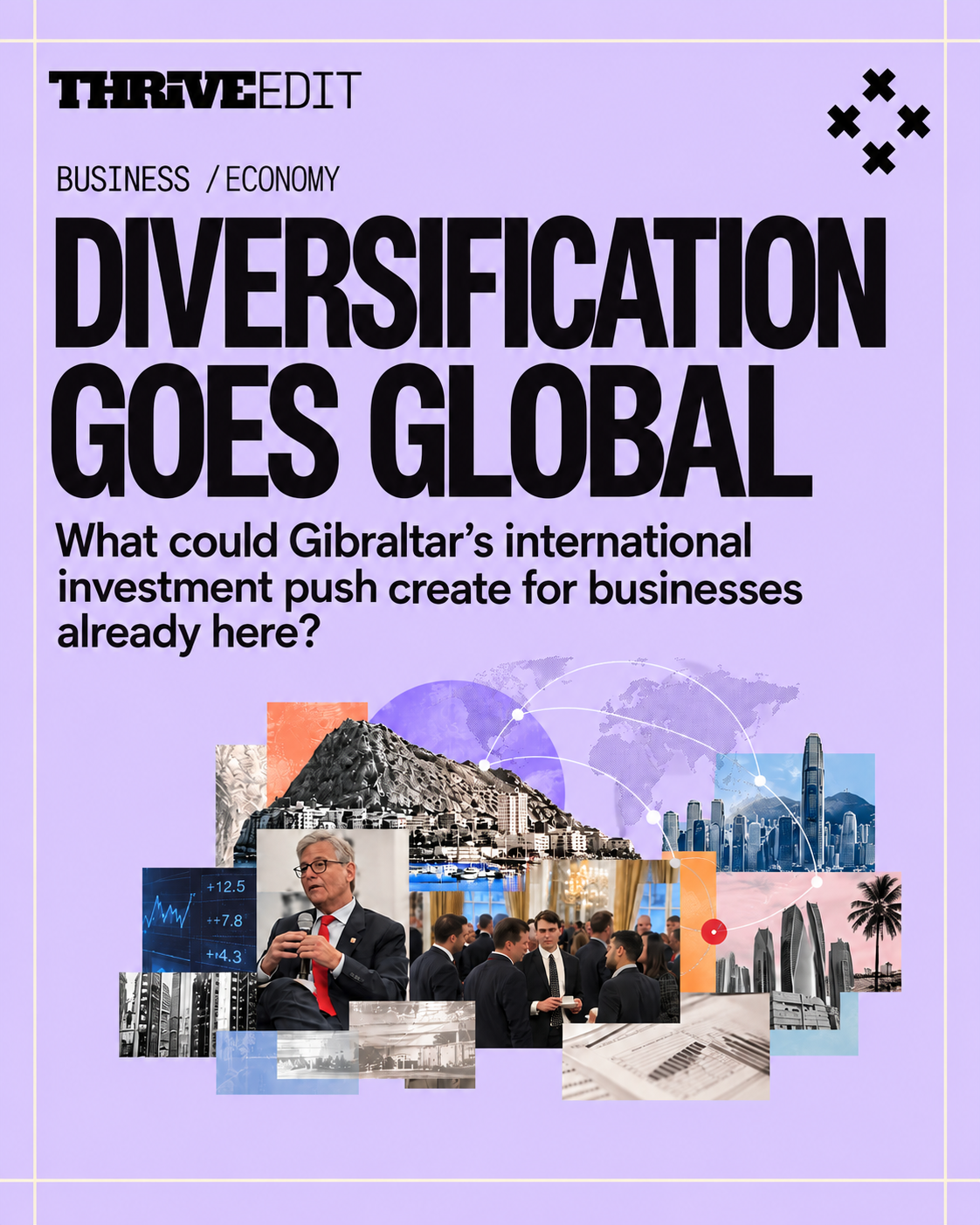
From Hong Kong to Abu Dhabi, Gibraltar is pursuing new industries and investors as part of a major economic diversification drive. Minister Nigel Feetham says the campaign is already generating business. The bigger question is how far those opportunities can spread through Gibraltar’s wider economy.
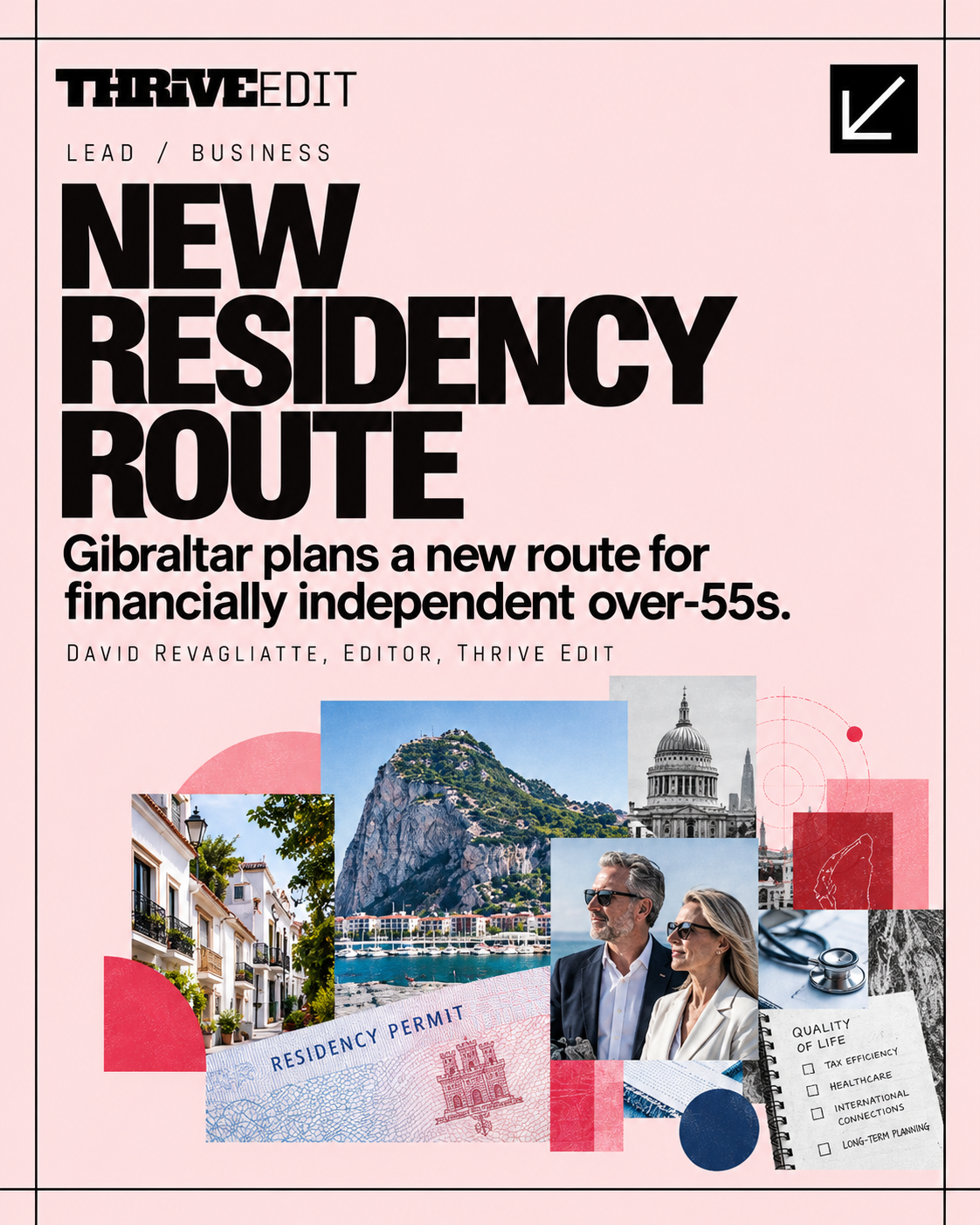
Gibraltar plans a new residency route for financially independent over-55s alongside a new business think tank announced at GibLink London.
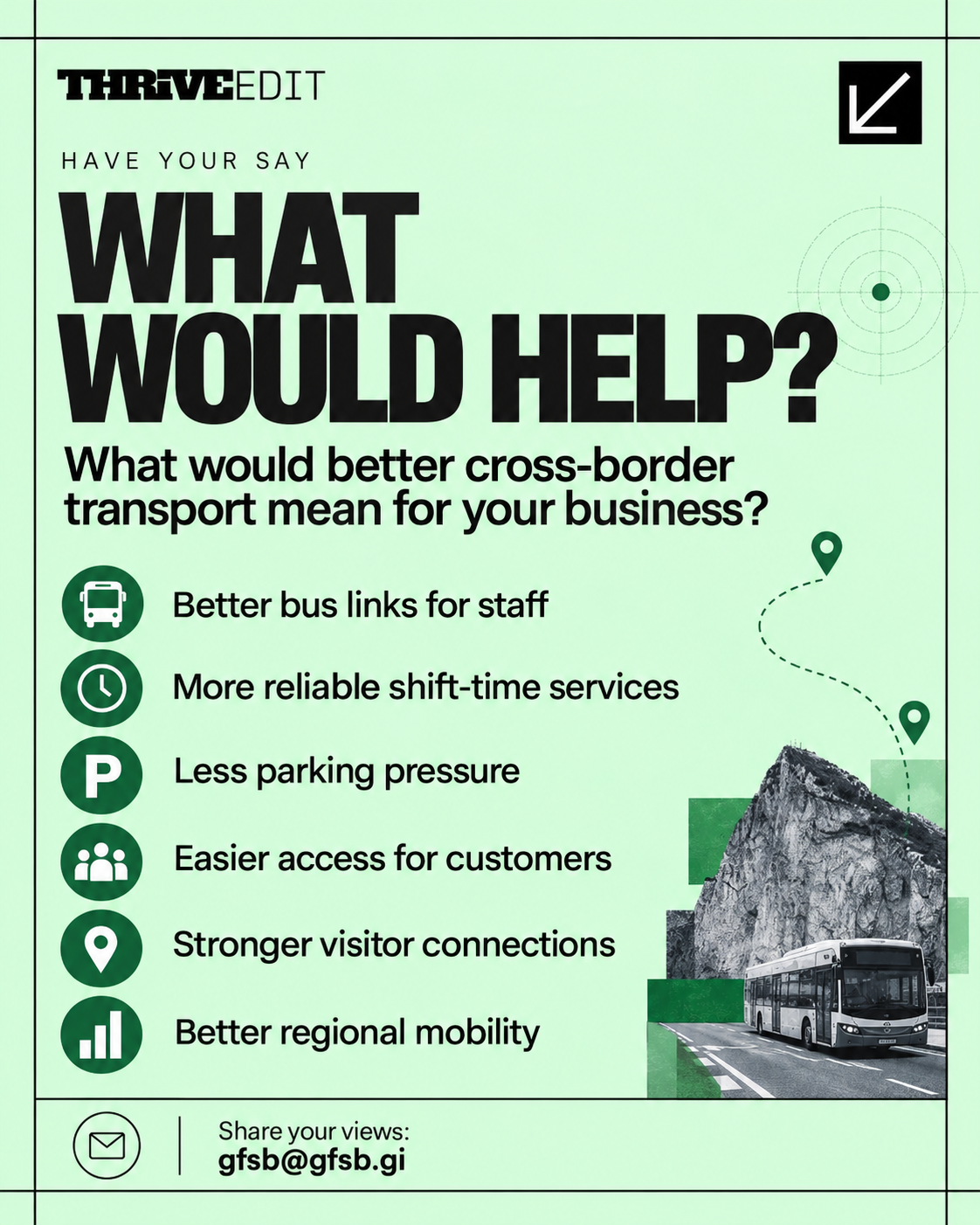
New frontier lanes and discussions around a cross-border transport interchange raise questions about buses, workers, visitors and business connectivity.
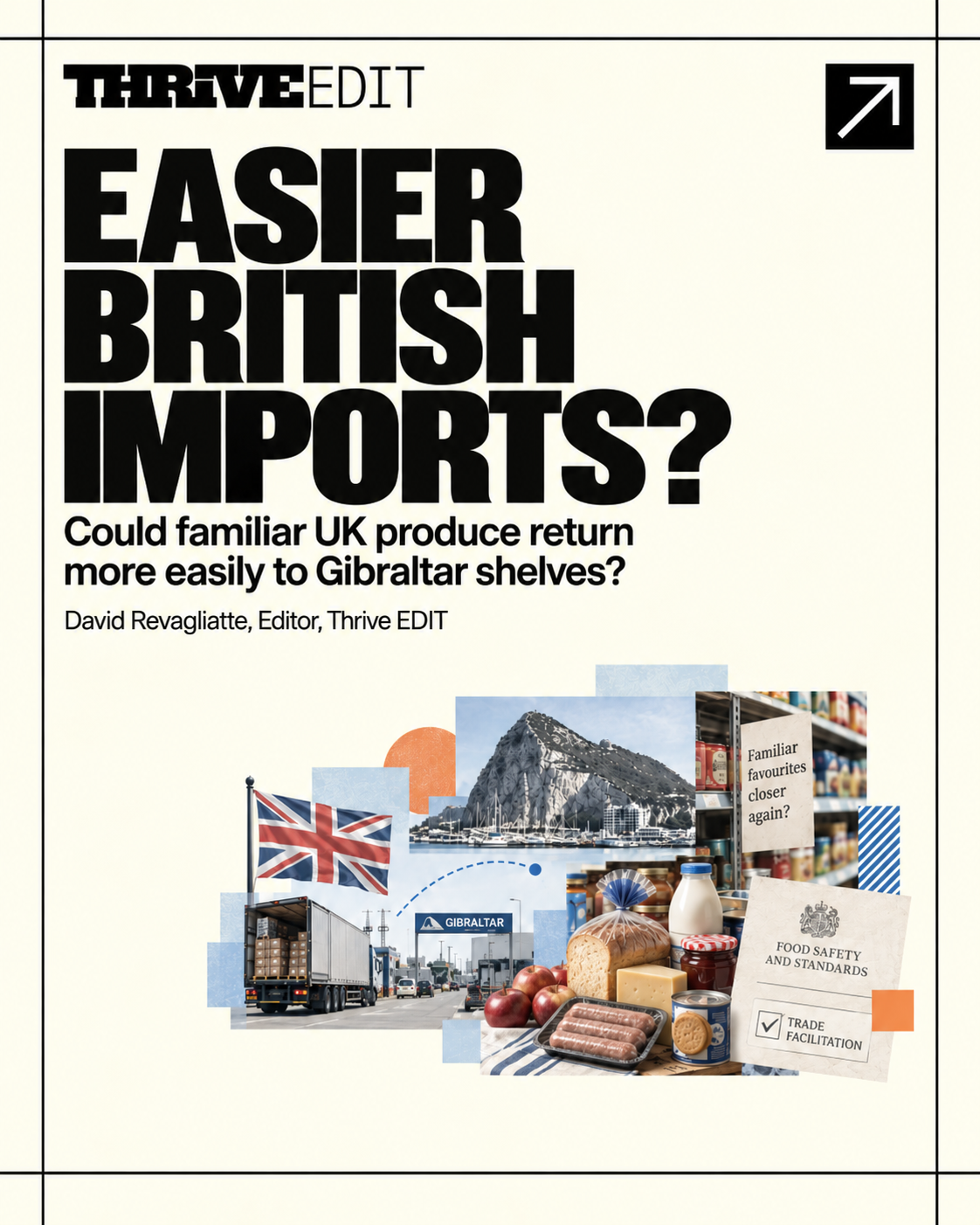
Could a future UK-EU food agreement make it easier for British produce to return to Gibraltar shelves? British produce has long been part of Gibraltar’s shopping experience; I wrote about it a couple of years ago, before we had a Treaty in place. From supermarket staples and fresh food to familiar household brands, we’ve spent […]