
 Gibraltar Federation of Small Businesses


 Gibraltar Federation of Small Businesses


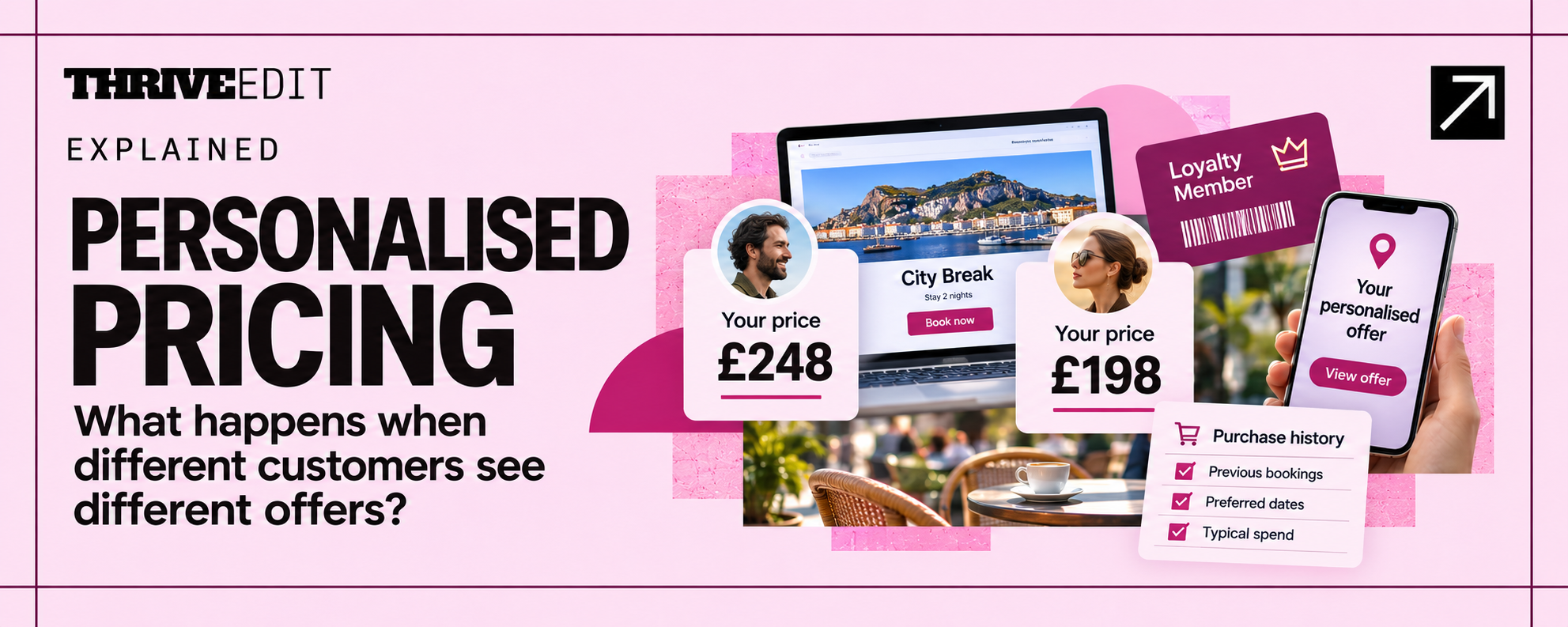
Personalised pricing promises sharper offers and stronger margins. It also turns every price into a decision about data, fairness and trust.
Most of us are used to prices moving. Flights become more expensive as seats fill. Hotel rates rise around major events. A restaurant may offer an early-evening menu to attract customers during a quieter period.
Personalised pricing takes the calculation closer to the individual. The price, discount or incentive can change according to what a business believes a particular person is willing to pay.
That possibility moved firmly into the regulatory spotlight on 28 October when the US Federal Trade Commission ordered nine major companies to explain how they use personal data when setting prices and worker compensation.
The inquiry covers Walmart, Target, Uber, Lyft, DoorDash, Instacart and three major airlines. The FTC is examining whether information such as location, browsing activity and purchasing history could influence the amount shown to an individual customer. Read the FTC announcement. www.ftc.gov
For businesses, the inquiry points to a much bigger trend. As customer data becomes richer and pricing technology becomes more accessible, companies can make increasingly precise decisions about who receives which offer.
Dynamic pricing responds to market conditions. Demand, availability, timing and capacity can all affect the price presented to customers. Personalised pricing brings information about the individual into that calculation.
An algorithm might consider previous purchases, membership of a loyalty scheme, browsing behaviour or location. It can use those signals to estimate the offer most likely to secure a sale. Two customers could therefore receive different prices for the same product at the same time. One may be offered a discount because the system identifies a high risk of losing them. Another may receive the standard price because their behaviour suggests a strong intention to buy.
The technology can also shape incentives. A regular customer might receive a preferential rate, a traveller could see a package tailored to their previous choices and a subscriber may be offered a specific renewal deal.
Personalised pricing gives businesses a more precise alternative to broad discounting. A retailer running a blanket promotion sacrifices margin on every qualifying sale. A targeted offer concentrates that investment on customers whose decision it may genuinely influence.
The same logic applies across service businesses. Hotels can create offers for returning guests. Gyms can tailor retention packages. Subscription providers can intervene when usage patterns suggest that a customer may leave. Professional firms can build proposals around the scope and value of a client’s requirements.
Used carefully, personalisation can improve conversion, strengthen retention and protect margin. It can also help businesses make better use of capacity by directing offers towards quieter periods or underused services.
The technology is increasingly available through ecommerce platforms, booking systems, customer relationship software and loyalty programmes. This brings sophisticated pricing capabilities within reach of smaller businesses.
Customers tend to welcome personalisation when the benefit is clear. A loyalty reward feels like recognition. An offer based on a previous purchase can save time and introduce something genuinely useful. The relationship becomes more sensitive when personal data appears to have been used to calculate the highest price someone may accept.
A loyal customer who discovers that a new visitor received a better deal may question how the business values the relationship. A traveller shown a higher rate after several searches may feel that their interest has influenced the price. A customer may also wonder what information was used to reach the decision. These reactions affect more than the immediate transaction. They influence confidence in the business and willingness to share data in future.
For smaller companies (like right here in Gibraltar), that trust has significant commercial value. Repeat custom, referrals and reputation often carry more weight than a marginal gain from a single sale.
Gibraltar’s economy contains many of the sectors where personalised pricing is likely to grow, including retail, hospitality, travel, financial services and subscription-based businesses. Its size adds another dimension. Customers compare experiences quickly and commercial practices become visible within a closely connected community. Consistency and explainability therefore matter.
Personal data used by local businesses is governed principally by the Gibraltar GDPR and the Data Protection Act 2004. Gibraltar Regulatory Authority guidance covers transparency, profiling and automated decision-making. It also explains that a Data Protection Impact Assessment can be required where processing is likely to create a high risk to people’s rights and freedoms. View the GRA guidance. www.gra.gi
Article 22 of the Gibraltar GDPR also provides safeguards around decisions based solely on automated processing where those decisions create legal or similarly significant effects. The precise obligations will depend on how the system operates and the effect of the decision. Every business using personal data for pricing should understand its lawful basis, explain the processing clearly and maintain appropriate oversight.
Many businesses will encounter personalised pricing through technology supplied by someone else. An ecommerce platform may recommend discounts. A booking engine might adjust an offer automatically. A customer relationship system could identify which clients appear most likely to leave. The supplier provides the capability. The business still needs to understand what the system is optimising and which data supports its decisions.
That makes supplier due diligence commercially important. Businesses should know whether the system changes headline prices, distributes discounts or simply makes recommendations. They should also establish what records are retained and whether an individual outcome can be explained. A system designed purely to maximise immediate conversion may produce very different results from one designed to increase long-term customer value.
Before introducing personalised pricing, leaders should ask:
Businesses should also compare personalised offers with a consistent reference price. This reveals whether the system is creating additional sales, protecting margin or simply moving discounts between customers.
For many Gibraltar businesses, the immediate priority is understanding whether personalised pricing already exists within the platforms they use. Booking engines, ecommerce systems and loyalty software may introduce automated price decisions before a business actively chooses to pursue the strategy.
Scale also matters. Personalised pricing works best when a company has enough customers, data and transaction volume to produce reliable decisions. Many smaller businesses may gain more from clearly defined customer segments, transparent loyalty rewards and targeted offers that remain easy to manage.
Gibraltar’s close-knit market adds a powerful reputational consideration. Customers compare experiences and pricing differences can quickly become part of the public conversation. Any short-term revenue gain therefore needs to be weighed against the value of consistency and trust.
A useful final test is: If two customers compared their prices across the table, could the business explain the difference clearly and confidently?


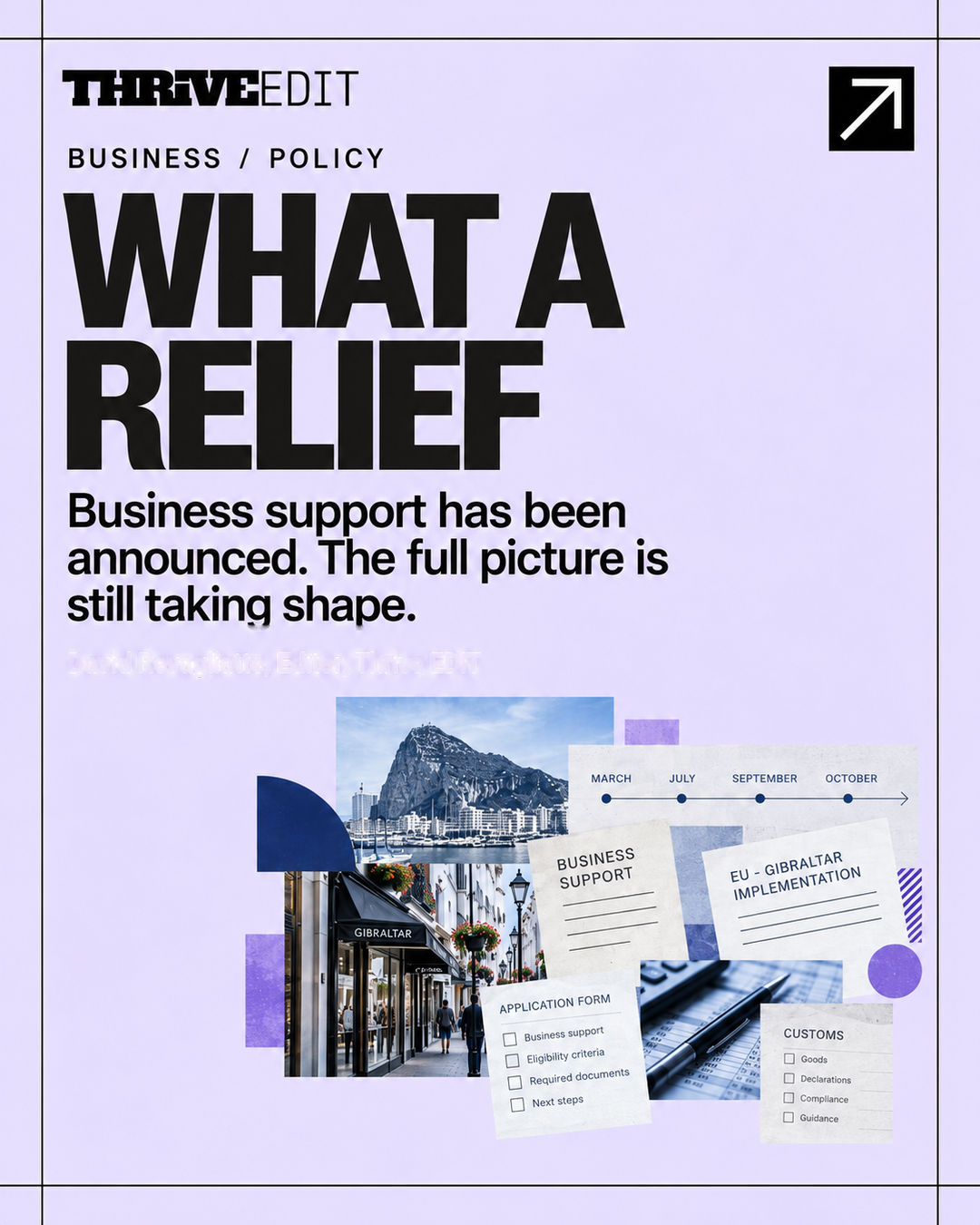

Gibraltar’s first detailed Treaty relief scheme is now in place, but businesses are still waiting for the full picture on wider modernisation support.

The Festival of Lights falls exactly one week before Black Friday. With the frontier easier to cross and Gibraltar potentially accessible to a much wider Costa audience, could one of the busiest nights of the year become the start of a stronger Q4 for local business?
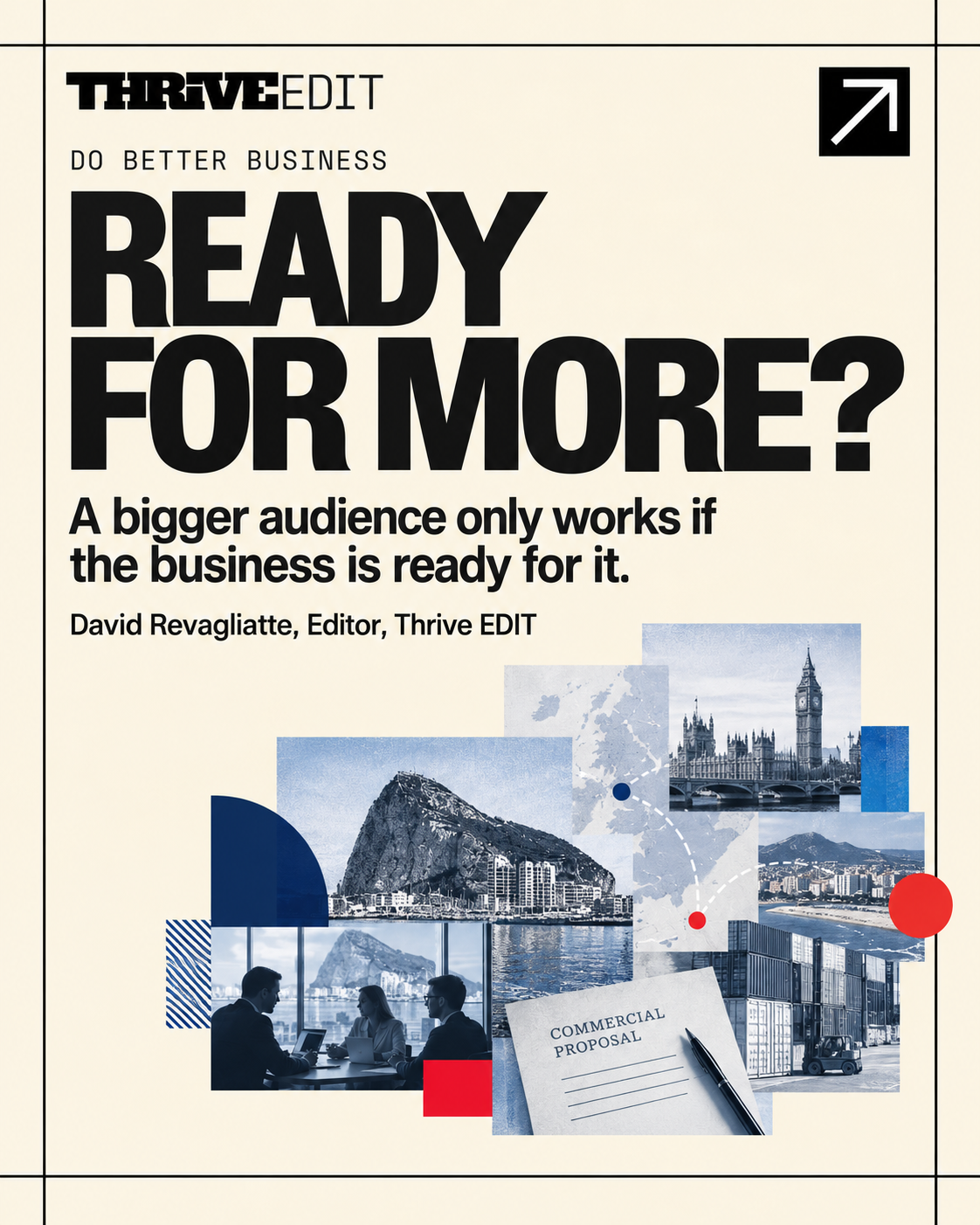
Gibraltar businesses are reaching new audiences in London and across the frontier. Here’s how to prepare your proposition, capacity and partnerships for growth.
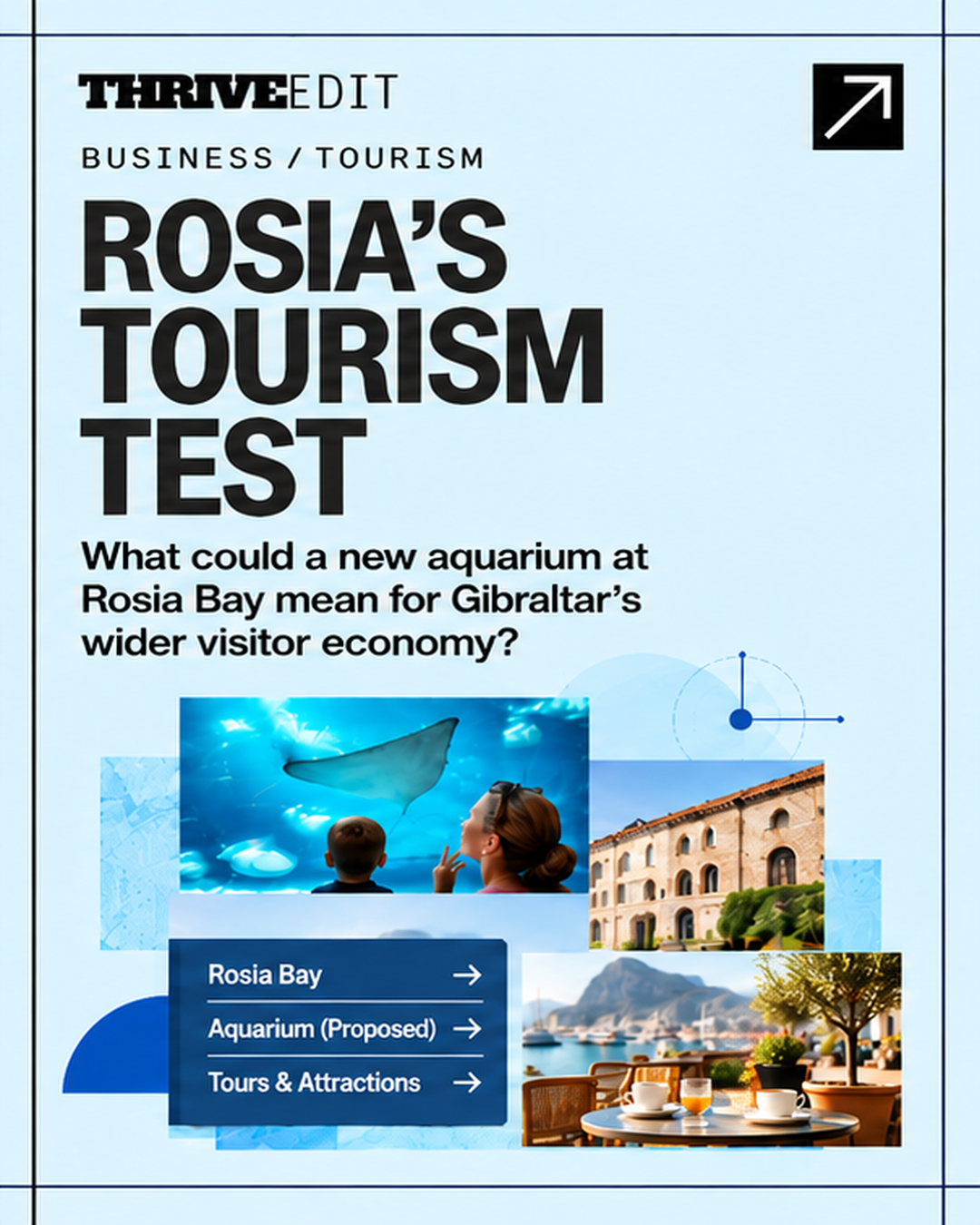
A new aquarium at Rosia Bay could add to Gibraltar’s tourism offer. We look at the wider business opportunity and the questions still to be answered.

Governments and geopolitical strategists use simulations to test what might happen when other players react. The same thinking can help businesses challenge assumptions, anticipate competitors and prepare for decisions before real money is on the line.