
 Gibraltar Federation of Small Businesses


 Gibraltar Federation of Small Businesses

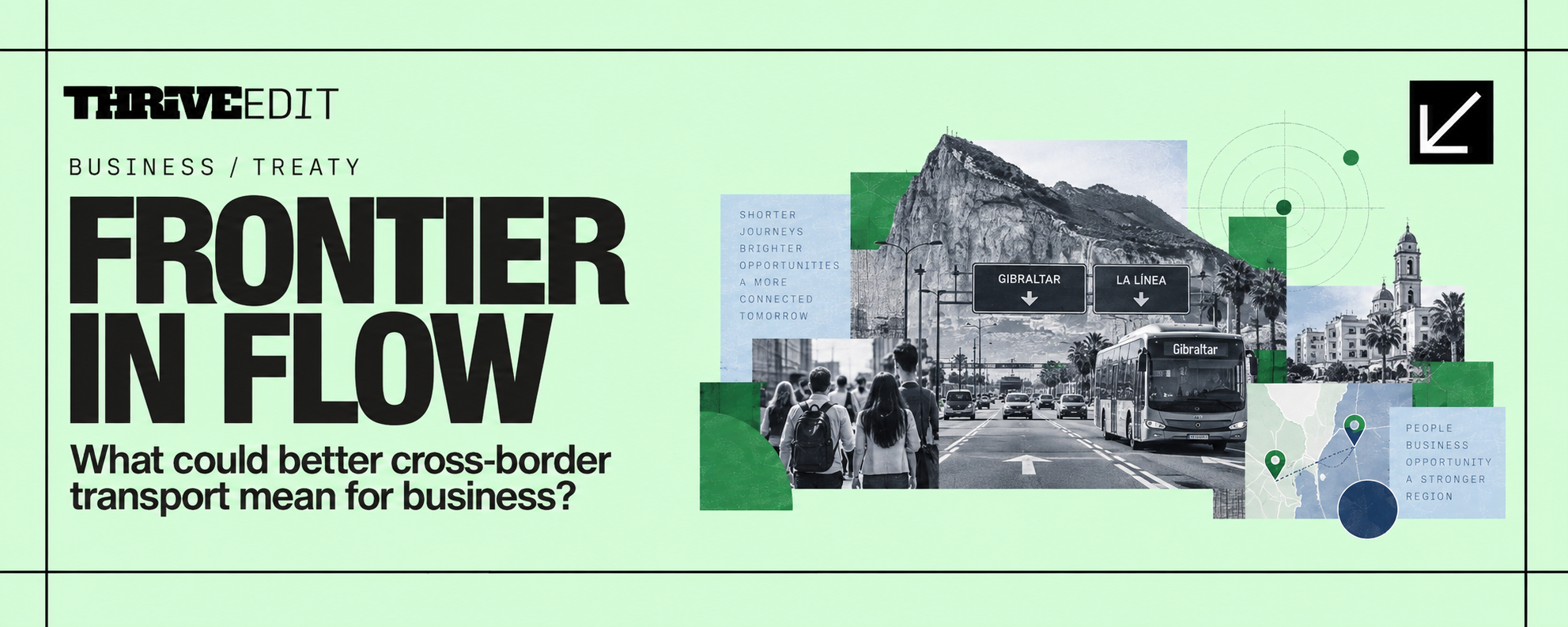
Two new direct lanes into Spain are the latest physical change at the frontier. With a cross-border public transport interchange also under discussion, what could better-connected transport mean for businesses?
In case you’ve missed the news, vehicles can now enter Spain directly through two lanes, bypassing the familiar frontier loop. The loop remains available during periods of heavy traffic, when movable barriers can be adjusted to create additional capacity. Granted, this is hardly headline news, but it is part of a much larger transformation of an area whose layout was designed around a very different type of frontier.
The more interesting development for businesses came during the same parliamentary discussion, when Chief Minister Fabian Picardo confirmed that talks are underway about using part of the former frontier area as a public transport interchange linking services in Gibraltar and Spain. Full disclosure: no scheme has been approved and there is currently little detail about what such an interchange might involve.
BUT that leaves room for reimagining: if Gibraltar can rethink how people move across the frontier, what would businesses actually want?
At its most basic, some of us might want better coordination between buses terminating on either side of the frontier. A more ambitious model could eventually involve through-ticketing, coordinated timetables, shuttle services, improved connections to regional transport hubs or facilities that make it easier for workers to leave cars further from the frontier.
Tourism adds another opportunity. Visitors arriving through Málaga, staying in La Línea or travelling around the Campo also need straightforward ways to reach Gibraltar without necessarily relying on a private car.
The frontier itself may now be faster and visually more open, but the wider transport network will increasingly shape how much economic integration develops around it. The Treaty has created a new context in which cross-border road transport can be considered more deliberately. The Agreement includes provisions covering road transport services between Gibraltar and the EU, alongside a broader framework intended to make daily cross-border movement more predictable.
This is still an early conversation, and designing a transport interchange on paper before Government and its Spanish counterparts have established what is practical has little value.
But what we could do is start thinking about what would help. Would better bus connections make recruitment easier? Would more reliable regional services reduce parking pressure? Could hospitality and retail benefit from easier visitor movement? Are there particular shift times when existing transport simply does not work for employees?
We would like to hear from GFSB members. What would better cross-border public transport mean for your business, your staff or your customers? Share your thoughts at gfsb@gfsb.gi.


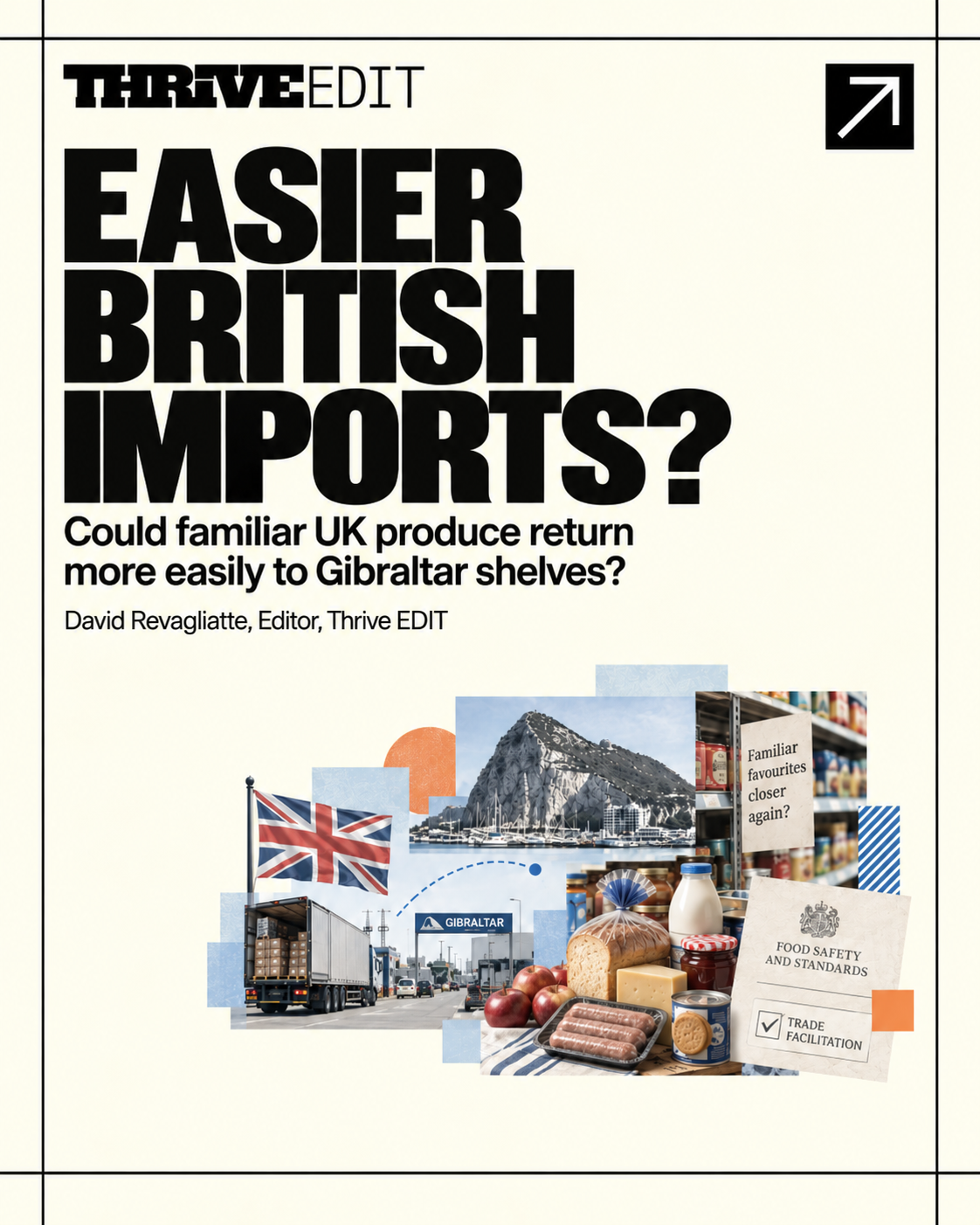

Could a future UK-EU food agreement make it easier for British produce to return to Gibraltar shelves? British produce has long been part of Gibraltar’s shopping experience; I wrote about it a couple of years ago, before we had a Treaty in place. From supermarket staples and fresh food to familiar household brands, we’ve spent […]

Some Gibraltar residents have been incorrectly registered on the Schengen Entry/Exit System, including cases where the system now appears to show them as still inside Schengen. The Government has issued new guidance on how to have those records removed and what to carry when travelling. If you hold a Gibraltar identity card or Gibraltar civilian […]
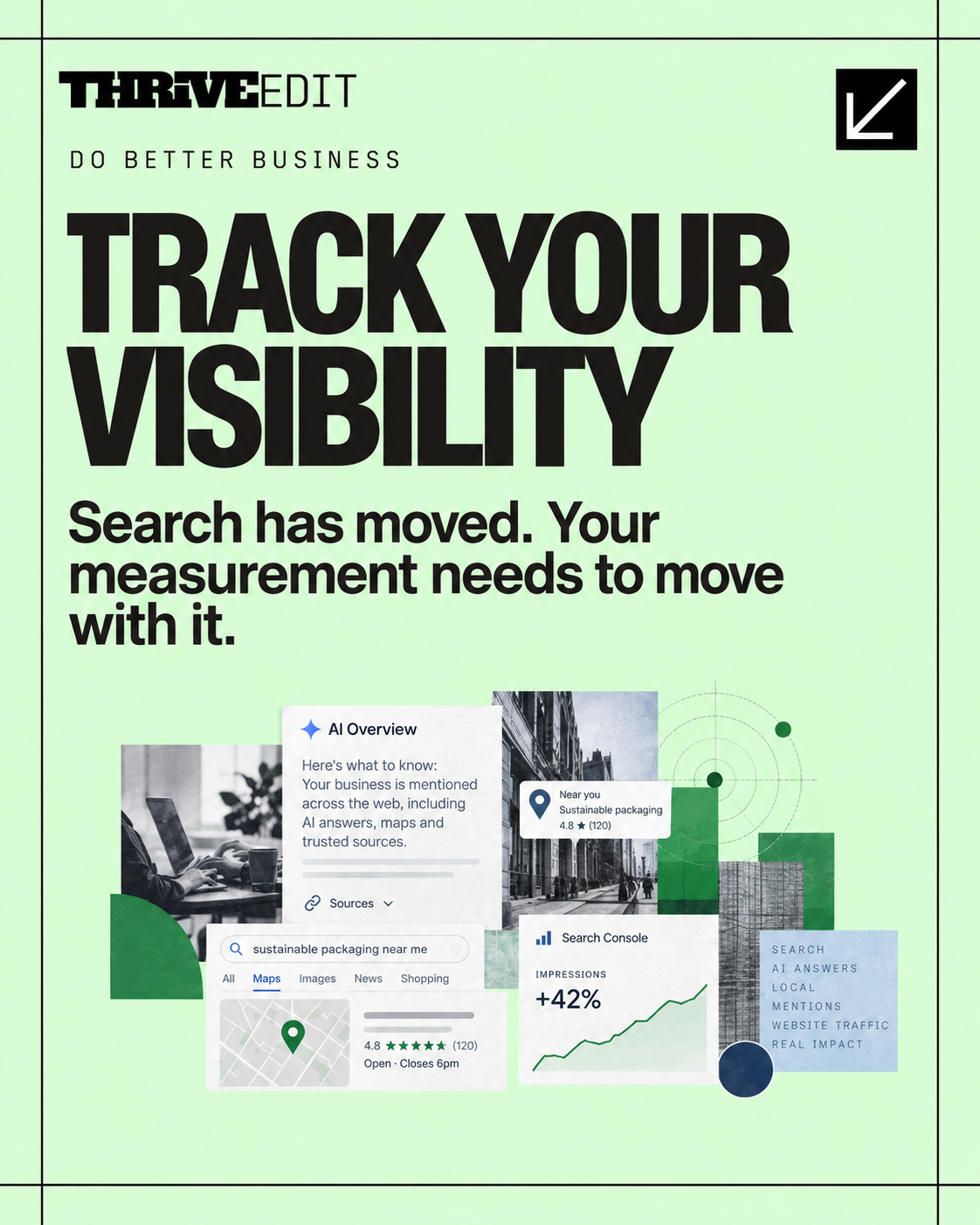
Customers now discover businesses through Google, Maps, AI answers and assistants. Learn how to track search visibility and build a practical baseline.
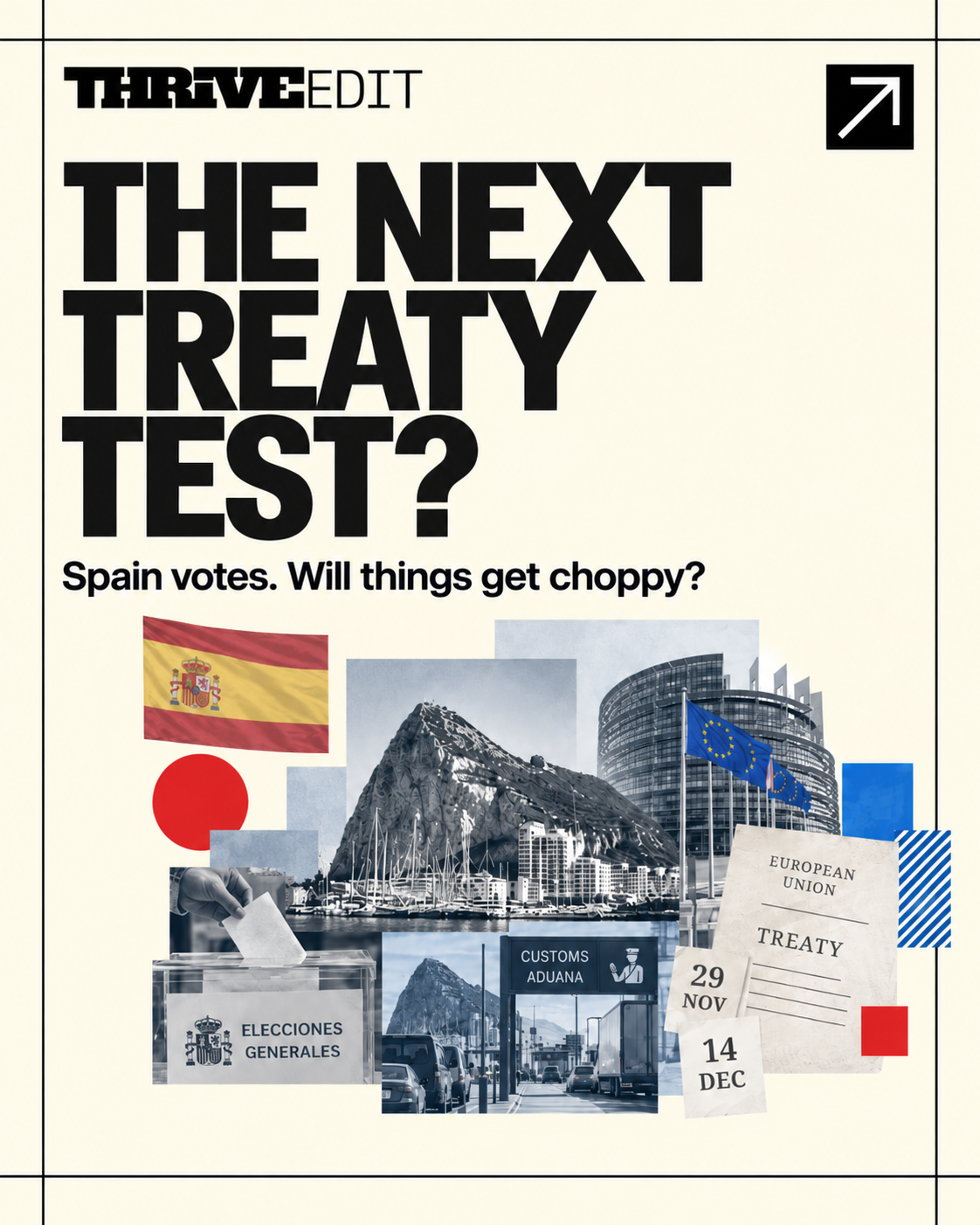
Spain’s snap election lands just weeks before the Gibraltar Treaty reaches its final European ratification stage. With the new arrangements already operating, attention is turning to whether today’s positive cooperation can withstand a change of government in Madrid.
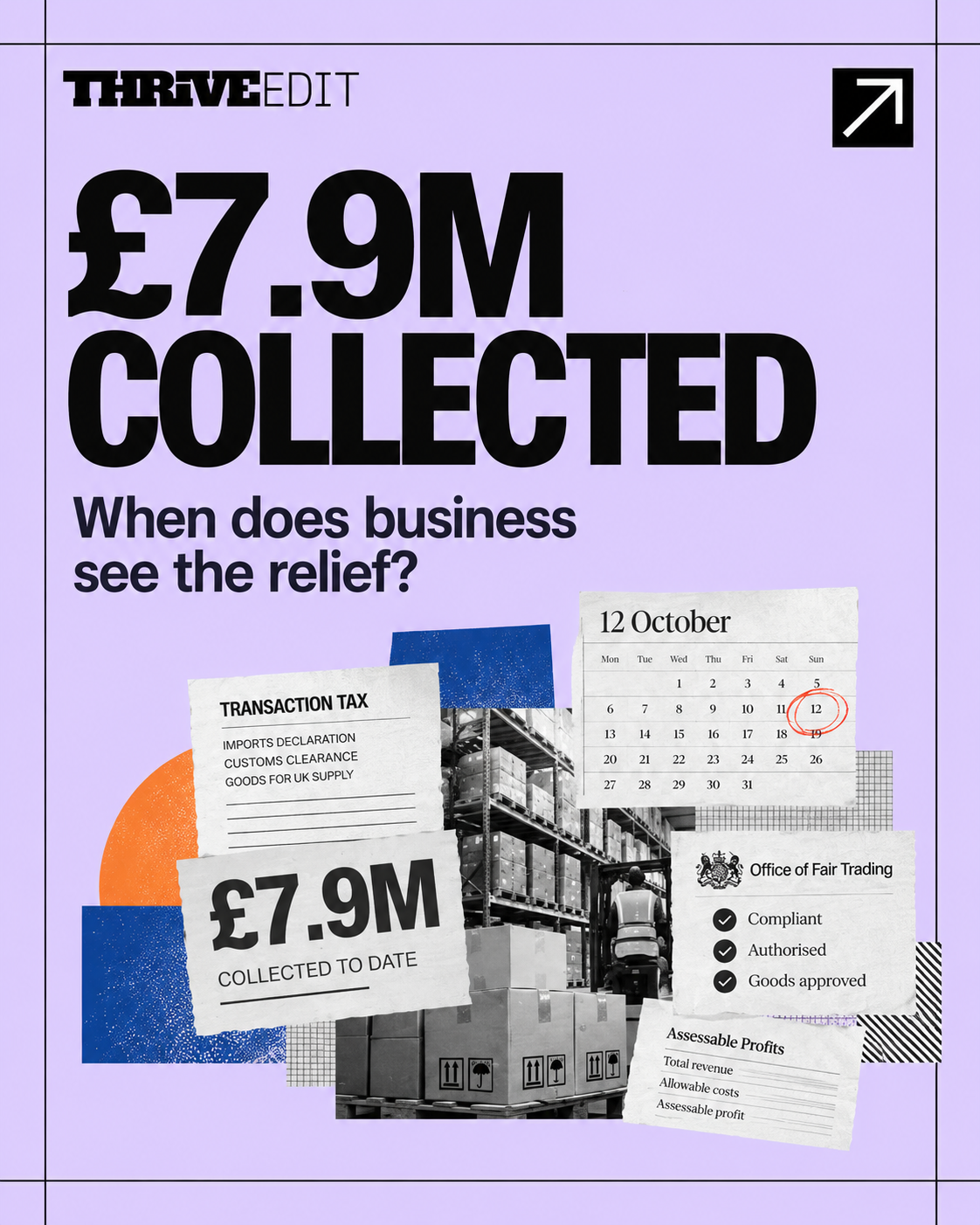
Nearly £8 million in Transaction Tax has been levied since 15 July. With the first 90-day support period ending on 12 October, qualifying businesses are now looking for clarity on how much relief they can access and when they will feel the benefit.