
 Gibraltar Federation of Small Businesses


 Gibraltar Federation of Small Businesses

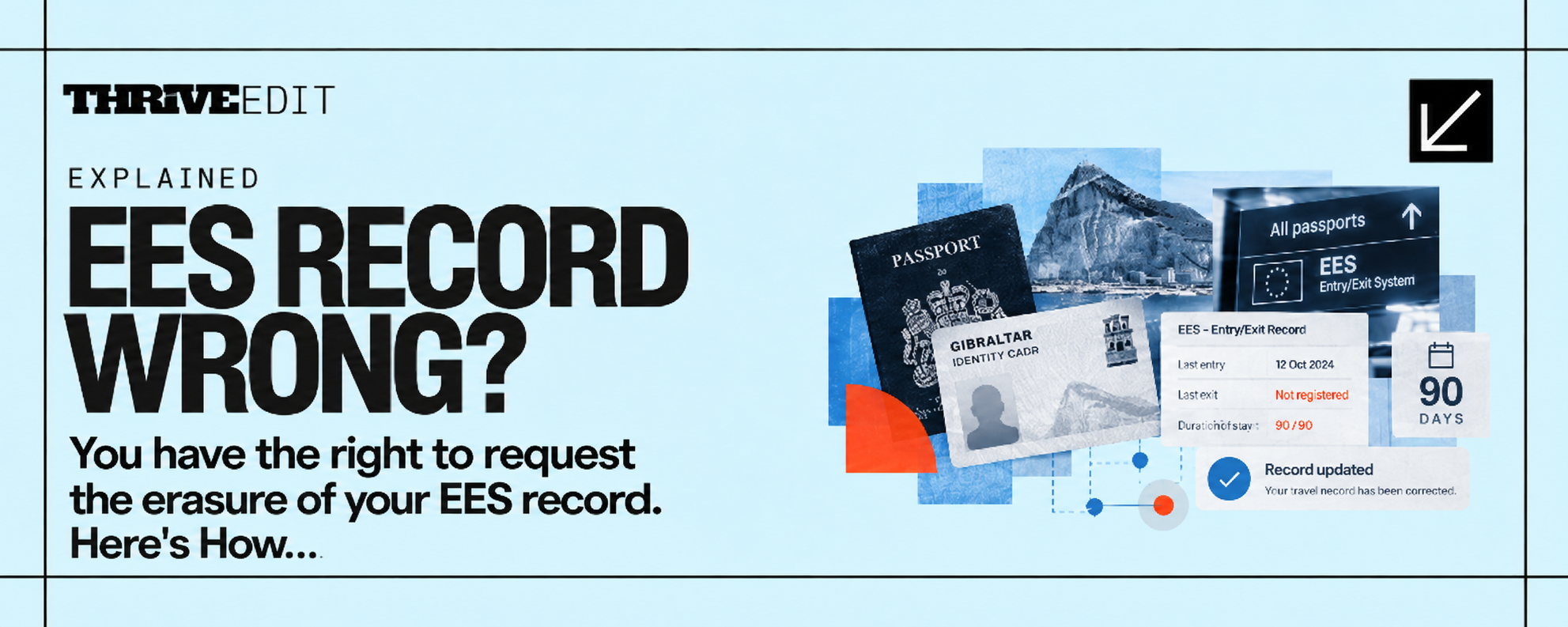
Some Gibraltar residents have been incorrectly registered on the Schengen Entry/Exit System, including cases where the system now appears to show them as still inside Schengen. The Government has issued new guidance on how to have those records removed and what to carry when travelling.
If you hold a Gibraltar identity card or Gibraltar civilian registration card, the EU’s Entry/Exit System should not list you under the Treaty arrangements.
Government says it has now received numerous reports covering both people registered before 15 July and others who were incorrectly added after the new arrangements came into force.
Following discussions with EU authorities, the European Commission has issued further instructions to Schengen border authorities making clear that Gibraltar residents covered by the Treaty exemption should not be registered on EES or required to interact with the system.
For anyone whose details are already there, the next step is to ask for the record to be erased.
The exemption covers holders of:
If you were registered on EES before or after 15 July 2026, Government says you can now request that the record is deleted.
The process is the same in either case.
Contact the competent authority in the Schengen country where your most recent entry into or exit from the Schengen Area was recorded. That country is responsible for the EES record and therefore has to deal with the request. The EU publishes the relevant contact details here:
https://travel-europe.europa.eu/ees/contact-details-for-data-protection-matters
When making the request, explain that you hold a Gibraltar identity card or civilian registration card and are exempt from EES registration under the EU-UK Agreement in respect of Gibraltar.
Include:
Government has also prepared a template letter that can be used to make the request:
https://www.gibraltar.gov.gi/uploads/news/October%202026/20261013%20Template%20Letter%20EES.pdf
You can copy eesremoval@gibraltar.gov.gi into the email so Government can monitor progress.
Keep any replies or confirmation you receive. If the request is refused, send the details to eesinfo@gibraltar.gov.gi.
No.
HM Government of Gibraltar cannot directly delete an EES registration because the records are controlled by the relevant Schengen State. Government can monitor cases, raise problems through the appropriate channels and provide guidance, but the individual request has to go to the authority responsible for the record.
A particular issue has emerged for people who were registered on EES when entering Schengen and later returned to Gibraltar through the land frontier. There are now no immigration controls between Gibraltar and Spain, so that return journey is correctly not recorded as an EES exit.
The problem is that the earlier EES entry remains on the system. Some residents using the EU’s online Check how long you can stay tool are therefore seeing their remaining Schengen allowance decrease every day, or being told that they have no days remaining.
Check your EES position here:
https://travel-europe.europa.eu/en/ees/check-how-long-you-can-stay
For Gibraltar residents exempt from the system, that information can be misleading because the system is based on an entry that should not have been recorded in the first place. Government is urging anyone in this position to request deletion of the EES record as soon as possible, particularly if they have upcoming travel through another Schengen border.
Continue travelling with both:
Your passport and your valid Gibraltar identity card or civilian registration card
Present both documents when crossing an external Schengen border so the border official can identify your exemption. If an official attempts to register you on EES, explain politely that you are a Gibraltar resident and exempt under the Treaty arrangements. If they register you anyway, report the incident to:
That allows Government to record the case and raise it with the relevant authorities.
This is the issue causing most understandable concern. For example, someone might travel from Gibraltar to London and later fly into Paris. An EES record could incorrectly suggest that they remained inside Schengen after their previous trip because no exit from Spain into Gibraltar was recorded.
Government recommends getting the incorrect registration erased before travelling to reduce the risk of difficulties. If you are refused entry and cannot persuade the border official that Gibraltar residents are exempt and that your previous exit was not recorded because there are no immigration controls between Gibraltar and Spain, contact:
British nationals needing consular assistance can also contact the nearest British Embassy or Consulate.
The FCDO’s 24-hour consular assistance number is:
+44 (0)20 7008 5000
If you know you have been registered on EES, deal with it rather than waiting for your next trip.
Find the relevant Schengen authority, use Government’s template, send copies of your passport and Gibraltar card and keep the correspondence. If the EU tool appears to show you running down a 90-day allowance even though you are covered by Gibraltar’s exemption, that is another reason to start the deletion process now.
For people who have not encountered the issue, the practical routine remains straightforward: travel with your passport and Gibraltar ID or civilian registration card, present both at external Schengen borders and report any incorrect registration.




New frontier lanes and discussions around a cross-border transport interchange raise questions about buses, workers, visitors and business connectivity.

Could a future UK-EU food agreement make it easier for British produce to return to Gibraltar shelves? British produce has long been part of Gibraltar’s shopping experience; I wrote about it a couple of years ago, before we had a Treaty in place. From supermarket staples and fresh food to familiar household brands, we’ve spent […]

Customers now discover businesses through Google, Maps, AI answers and assistants. Learn how to track search visibility and build a practical baseline.

Spain’s snap election lands just weeks before the Gibraltar Treaty reaches its final European ratification stage. With the new arrangements already operating, attention is turning to whether today’s positive cooperation can withstand a change of government in Madrid.
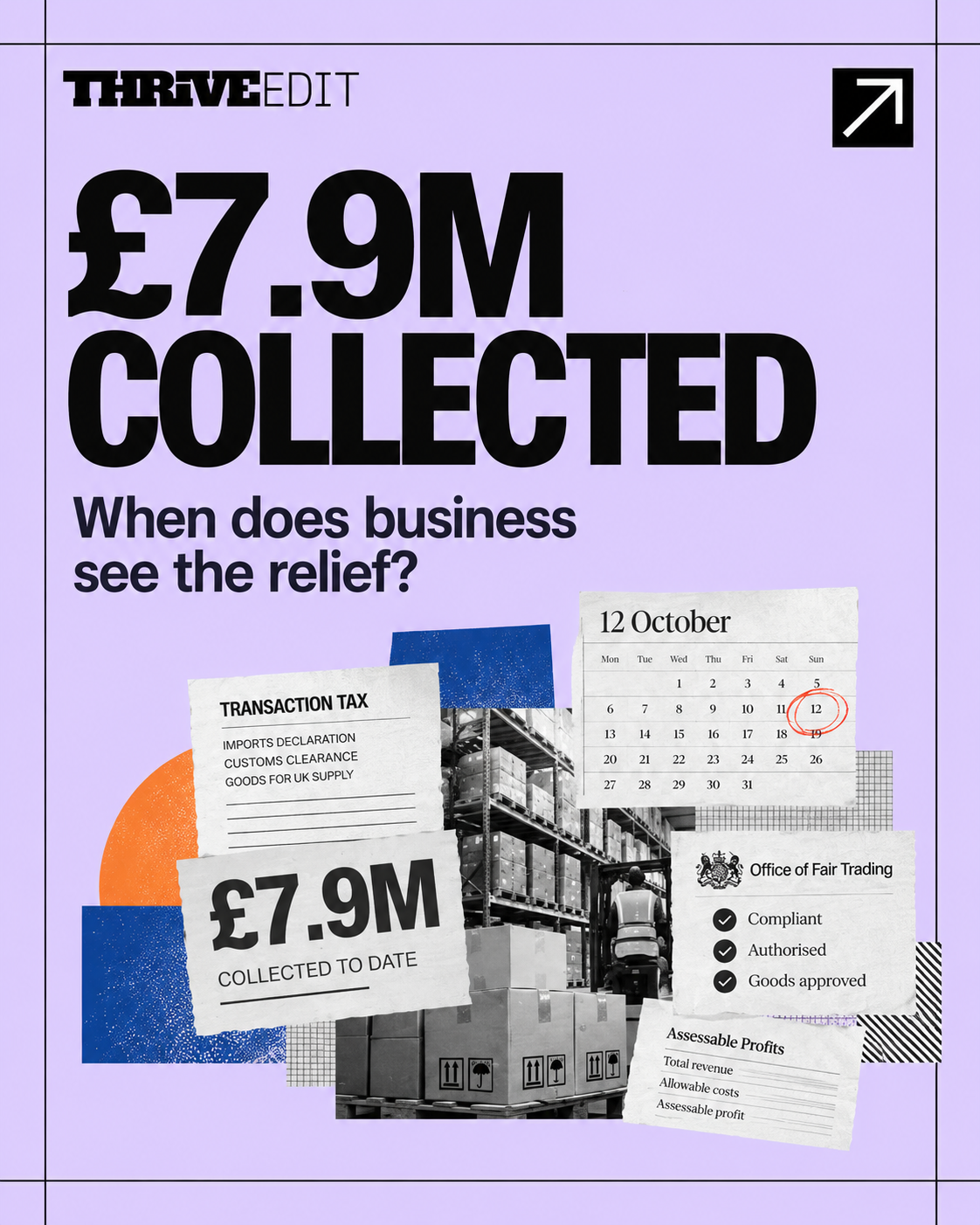
Nearly £8 million in Transaction Tax has been levied since 15 July. With the first 90-day support period ending on 12 October, qualifying businesses are now looking for clarity on how much relief they can access and when they will feel the benefit.