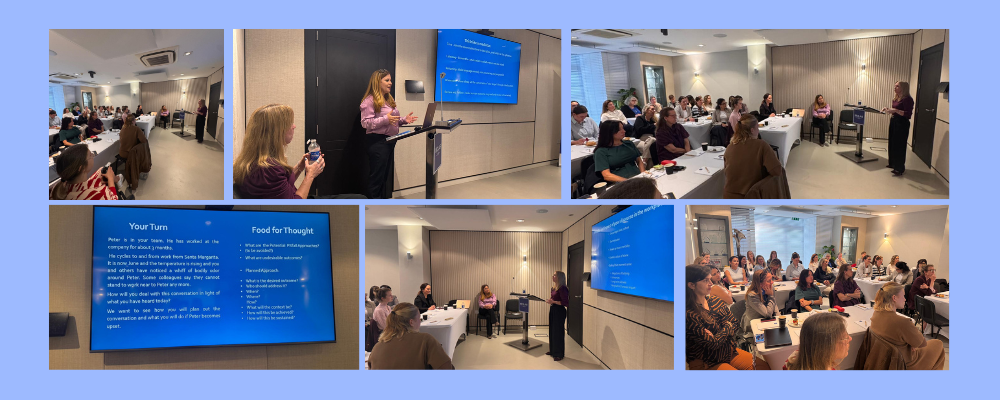

 Gibraltar Federation of Small Businesses


 Gibraltar Federation of Small Businesses

Carmel Khalilian reflects on a recent Women in Enterprise breakfast
Thursday’s Women in Enterprise breakfast was one of those sessions that stayed with me long after the plates were cleared. ISOLAS hosted us, with Sam Grimes and Fiona Young leading a discussion on something most of us don’t handle as well as we’d like to: the conversations we avoid at work.
Sam is a partner at ISOLAS LLP, an employment lawyer who often picks up the pieces when things have already gone badly. Fiona is a solicitor, accredited mediator and conflict-resolution trainer, working to stop things from getting there in the first place.
Between them, they made a case that was quite uncomfortable to sit with: most of the damage in workplaces isn’t caused by the difficult conversations people have. It’s caused by the ones they don’t.
The avoidance problem
We tend to think poor communication means shouting, hostility, rudeness. Sam made the point that it usually looks much more ordinary than that. It’s the conversation that keeps getting postponed. The feedback softened so much it carries no message. The manager who hopes the issue might just resolve itself.
The problem is what grows in that silence. People sense when something isn’t being said. Gossip fills the gap. Trust erodes quietly, and an “us and them” mentality takes hold. By the time someone decides to address it, the conversation is twice as hard.
In Gibraltar, the Bullying at Work Act has added another layer. It’s short, broadly drafted, and there isn’t much case law yet, so managers are often nervous about where the line sits. Sam’s view was that the answer isn’t to stop managing. It’s to manage with care. Be persistent. Be proportionate. Watch your tone. Treat people with dignity. You can still hold someone to account without stripping them of it.
One underperformer, a whole team affected
One scenario landed particularly well in the room. Imagine someone on your team who keeps making mistakes, gets defensive when challenged, and isn’t being managed. What happens to everyone else?
The room answered immediately. People get demotivated. They resent picking up the slack. Standards slip. Eventually you see sickness absence, grievances, a team that used to function well starting to come apart.
It was a good reminder that leaving something alone isn’t neutral. It just shifts the cost onto everyone else.
Be specific, or don’t bother
“You have a bad attitude.” “You need to take more ownership.” It’s easier to say than the specifics. It’s also almost useless.
General feedback feels personal because there’s nothing concrete to respond to. Saying “at yesterday’s meeting, you interrupted three times,” or “these errors were made on this file” is harder to deliver, but it gives the other person something real to work with. Vagueness isn’t kinder. It just leaves people defending themselves against something they can’t quite see.
Sam also flagged a few habits most of us will recognise. The surprise attack, where feedback lands in a moment of frustration with no warning. The nervous laugh, where something serious is softened with humour. And the sandwich, where criticism gets buried between so much praise that the message goes missing. All come from good intentions. None are particularly kind to the person on the receiving end.
Fiona’s Toolkit
If Sam set out where it goes wrong, Fiona focused on how to do it better. Her approach to workplace conversations has five parts.
The first is time. We treat conflict as urgent, when often it gets worse because we handle it too quickly, emotionally, or in the wrong moment.
The second is listening. Proper listening, not just waiting to speak. If one person has already decided what needs to be said and delivers it without inviting a response, it isn’t really a conversation.
The third is reframing. The difference between “you’re always late” and “I’ve noticed a change” is often the difference between a door closing and a door opening.
The fourth is brainstorming. Moving from “whose fault is this” to “what could we actually do about it.”
And the fifth is review. A conversation isn’t finished just because it went better than expected. You need clarity on what was agreed, what happens next, and whether it’s working.#
Before you conclude, ask
The part of Fiona’s session that stayed with me most was about assumptions. When someone is late, distracted, or underperforming, it’s easy to jump straight to a conclusion.
Often there’s something else going on. A simple “has anything changed recently?” or “is everything okay?” can open up a very different conversation. It doesn’t mean excusing poor performance. It means hearing someone before deciding who they are.
Good teams don’t happen by accident
Fiona also talked about the kind of team everyone says they want. People who work well together, communicate openly, and seem to enjoy the job.
They’re not lucky. They’re built. Through thoughtful recruitment, proper induction, clear expectations, and regular check-ins. In those teams, communication is normal, not something saved for when there’s a problem.
The hygiene conversation
The morning’s most interesting discussion came from a scenario that sounds almost trivial until you sit with it: how you address personal presentation or hygiene with a colleague.
What came out was how much complexity sits inside it. If you say nothing, tensions build and the person stays unaware. If you handle it badly, the impact can last years. Who has the conversation matters. How it’s framed matters. Whether support is offered matters.
A couple of attendees shared examples. In one, a colleague quietly took a teammate for a coffee and discovered there were serious things going on at home. In another, workplace gossip had collided with a colleague’s mental health in a way that could have gone very badly.
Sometimes the right first step is quiet and human. Sometimes formal process is necessary. The skill is knowing which situation you’re in.
Culture happens in the small moments
One point from the audience stayed with me: if HR or management only ever appear when something’s gone wrong, every interaction starts to feel ominous. Where check-ins and informal conversations are part of how a business runs, people don’t panic when they’re called in. They just turn up and talk.
Policies and handbooks matter. But what gives them life is how people speak to each other in the smaller moments.
What I took away
Difficult conversations aren’t going anywhere. But harmful ones aren’t inevitable.
You can be clear without being cruel. You can be firm without being demeaning. You can hold someone to account and still treat them like a person.
That, for me, is what Women in Enterprise is really about. It’s the daily work of communicating well, with care, and having the confidence to walk into discomfort rather than around it.
Huge thanks to Sam and Fiona for a session that’s going to make a lot of us think differently. And to everyone who came, the conversations that carried on long after the coffee was cold were the best sign that this one mattered.



For many SMEs, the success of the business has been built on the expertise, relationships and commitment of its owner. This entrepreneurial approach has been instrumental in the growth of many of Gibraltar's successful businesses. However, as organisations develop, dependence on a single individual can become a strategic risk.
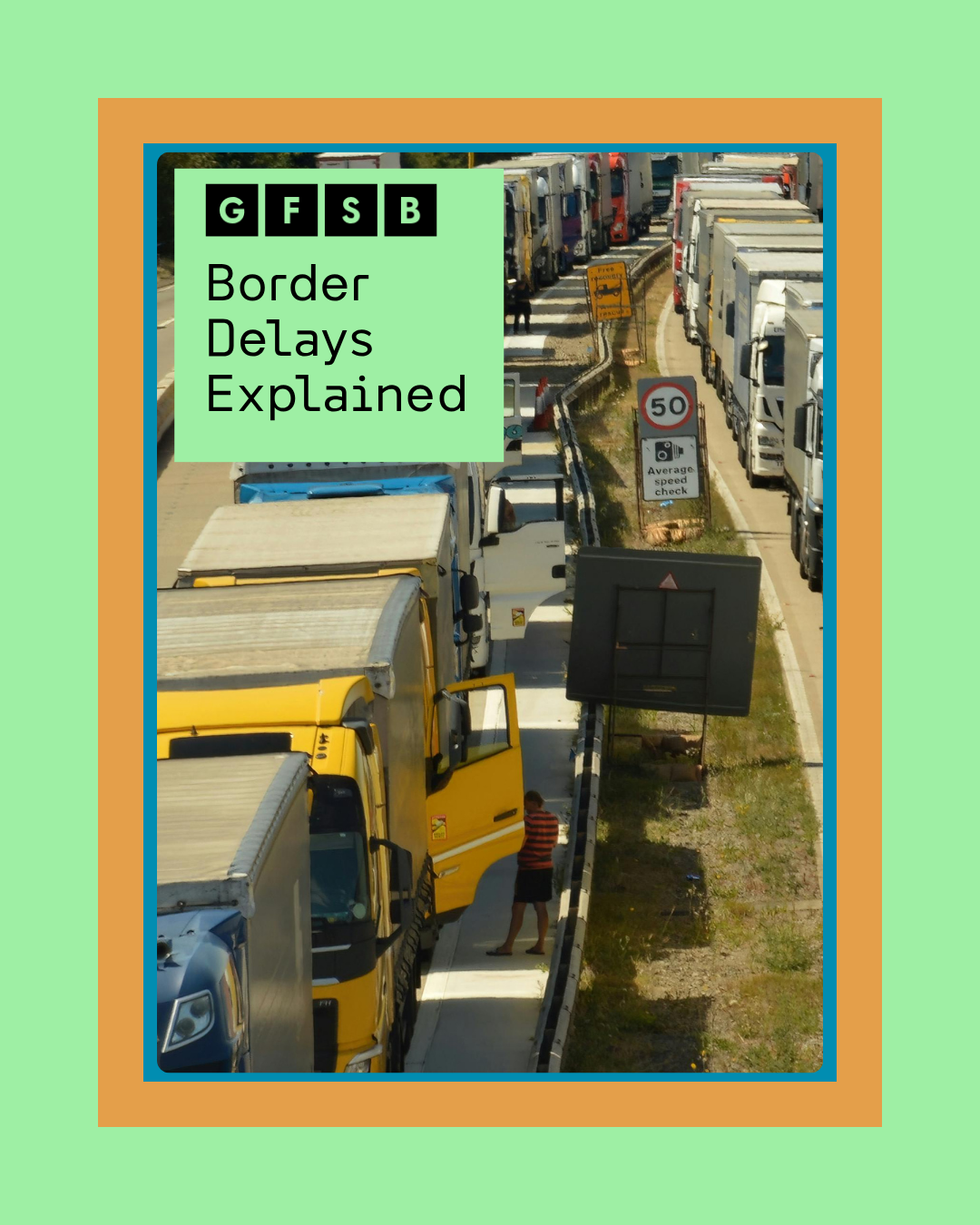
Imports including medicines, fresh produce and other commercial goods faced significant delays as businesses and Customs adjusted to the Treaty’s new frontier procedures, with some freight reportedly held since the arrangements began on 15 July. The disruption is the clearest early warning that documentation errors and unfamiliar processes can quickly affect stock availability, perishable goods and operating costs across Gibraltar’s retail and wholesale sectors.

For many, summer offers something that's in short supply during the rest of the year: space. Space to learn, think differently, meet new people and recharge before the final push towards year-end. If you're looking to make the most of the season, here are three ways to return in September with fresh ideas, renewed energy and a few new connections.
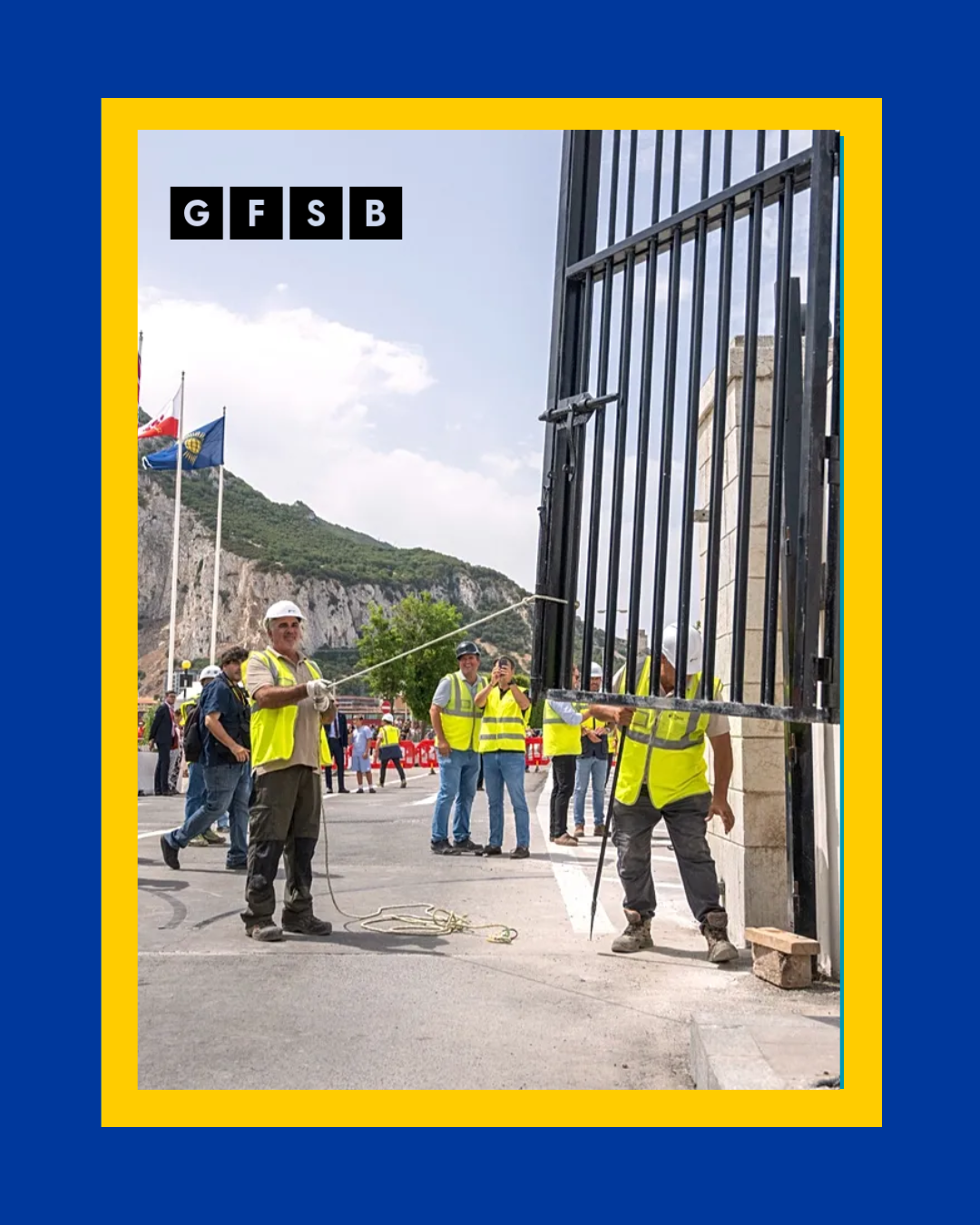
Over the past two years, I must have written more words about the Treaty than almost any other subject. Through the Thrive EDIT, I've tried to cut through the politics and focus on what really matters to Gibraltar's business community. We've unpacked customs guidance, explained residency proposals, questioned support measures, covered Government announcements, highlighted members' concerns and, where necessary, asked awkward questions on your behalf. The aim has always been the same: to make one of the biggest economic changes in Gibraltar's history feel just a little easier to understand.

At the GFSB, we believe membership should deliver real value. That means more than simply representing businesses around the table. It means creating opportunities to learn, connect and grow. Since September 2025, we've delivered 34 events attended by 1,329 members and guests, with the vast majority offered free of charge as part of GFSB membership. Whether you're looking to sharpen your skills, grow your network or stay ahead of the issues shaping Gibraltar's business landscape, our events are designed to make doing business that little bit easier.


