

 Gibraltar Federation of Small Businesses


 Gibraltar Federation of Small Businesses


Gibraltar’s business community have jointly called on the Government of Gibraltar to take
urgent action to support local businesses ahead of the implementation of the UK-EU Treaty
on 10 April 2026.
In an open letter to the Chief Minister and the Minister for Business, the business
community reaffirmed its strong support for the Treaty and its clear preference for a
negotiated outcome. Businesses welcomed the certainty the Treaty offers after a decade of
uncertainty regarding Gibraltar’s future relationship with Europe.
However, the letter warns that the compressed timetable, short three-month transition
period and late confirmation of the implementation date have significantly increased the
risks facing businesses, particularly in retail, wholesale, logistics, services and goods based
sectors.
Click here to view the ‘Open Letter to the Chief Minister and the Minister for Business‘
Click here to view the ‘Submissions to HMGoG on Relief Mechanisms for SMEs under EU Law‘
Severe Immediate Pressures
Businesses face an overnight increase in import duty due to the transaction tax, rising to
15% from previous rates as low as 0%, alongside higher excise taxes. Many will experience
supply chain disruption, unsellable stock, cashflow pressure and losses on existing contracts.
The business community also expressed growing frustration at the lack of detailed guidance,
noting that promised FAQs and clear guidelines for business have not been issued and that
the Treaty text has still not been published.
Five Urgent Commitments Requested
Following an emergency meeting of representatives from across Gibraltar’s business sector
last Thursday, convened by the Gibraltar Federation of Small Businesses and the Gibraltar
Chamber of Commerce, businesses are seeking five urgent commitments from Government:
Call for Immediate Engagement
While stressing confidence in the Government’s negotiating efforts and reaffirming their
willingness to work constructively to make the Treaty a success, business leaders cautioned
that without these commitments, the Treaty risks causing serious harm to businesses,
employees and the wider economy.
“With fewer than seven weeks remaining before implementation on the 10th April,” the
letter states, “this is a narrow but critical window in which practical business realities can
still be addressed.”
The signatory organisations have called for a prompt response and stand ready to engage
collaboratively and energetically with the Government to ensure the Treaty delivers the best
possible outcome for Gibraltar.




Gibraltar retail is entering the real post-Treaty trading environment. GFSB Chairperson Owen Smith argues that faster support, better infrastructure and a stronger collective business voice are now needed.
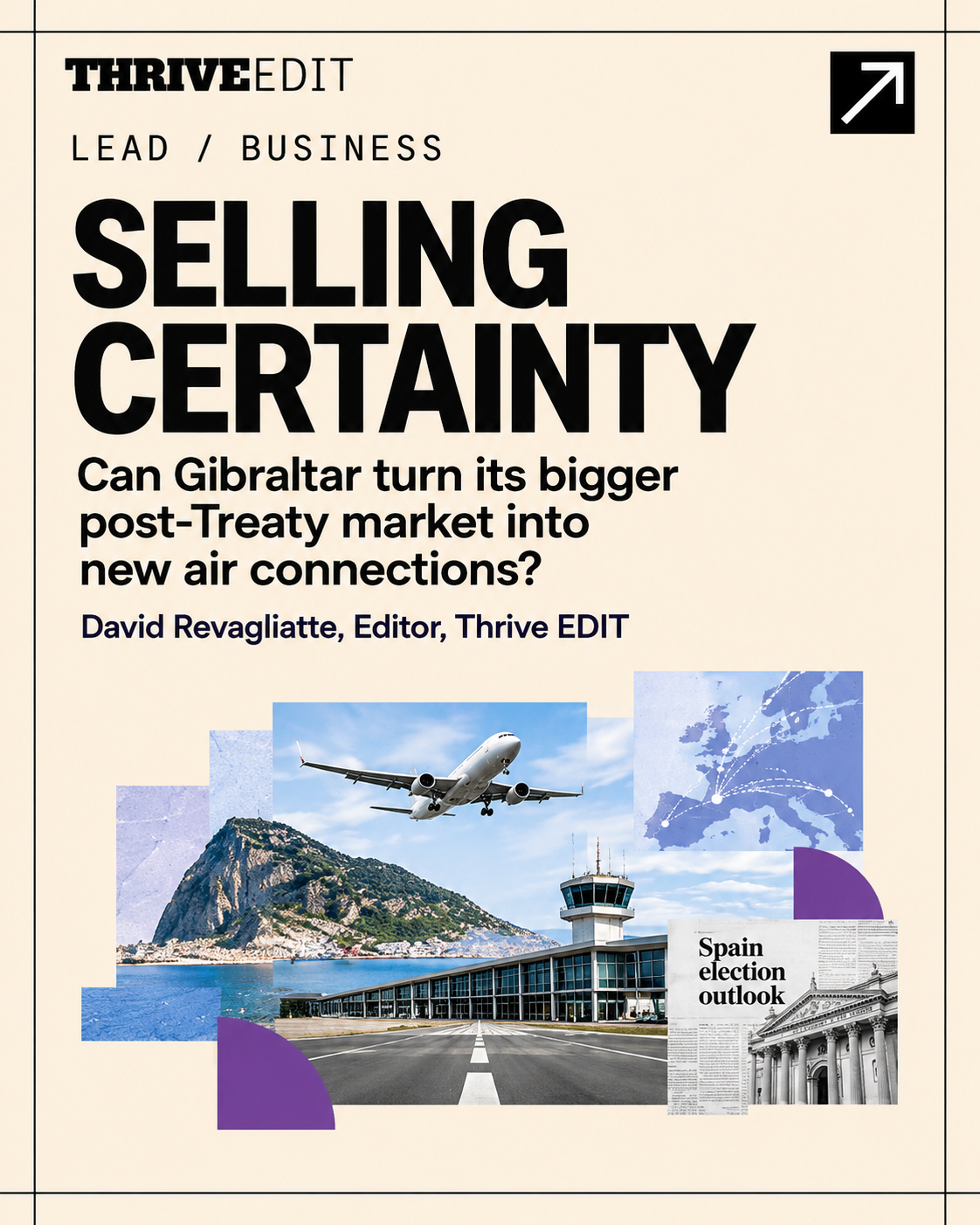
Gibraltar is pitching airlines a much bigger regional market after the Treaty, but new routes require confidence years ahead. As Spanish election politics gets louder, can Gibraltar sell both the opportunity and the certainty behind it?

Changes to Gibraltar’s procurement rules have triggered a debate about how public concessions are awarded. What has changed, and what does it mean for businesses competing for Government work?

Personalised pricing allows businesses to tailor offers using customer data. As regulators examine the practice, Gibraltar firms should understand how it works and the implications for trust, transparency and reputation.
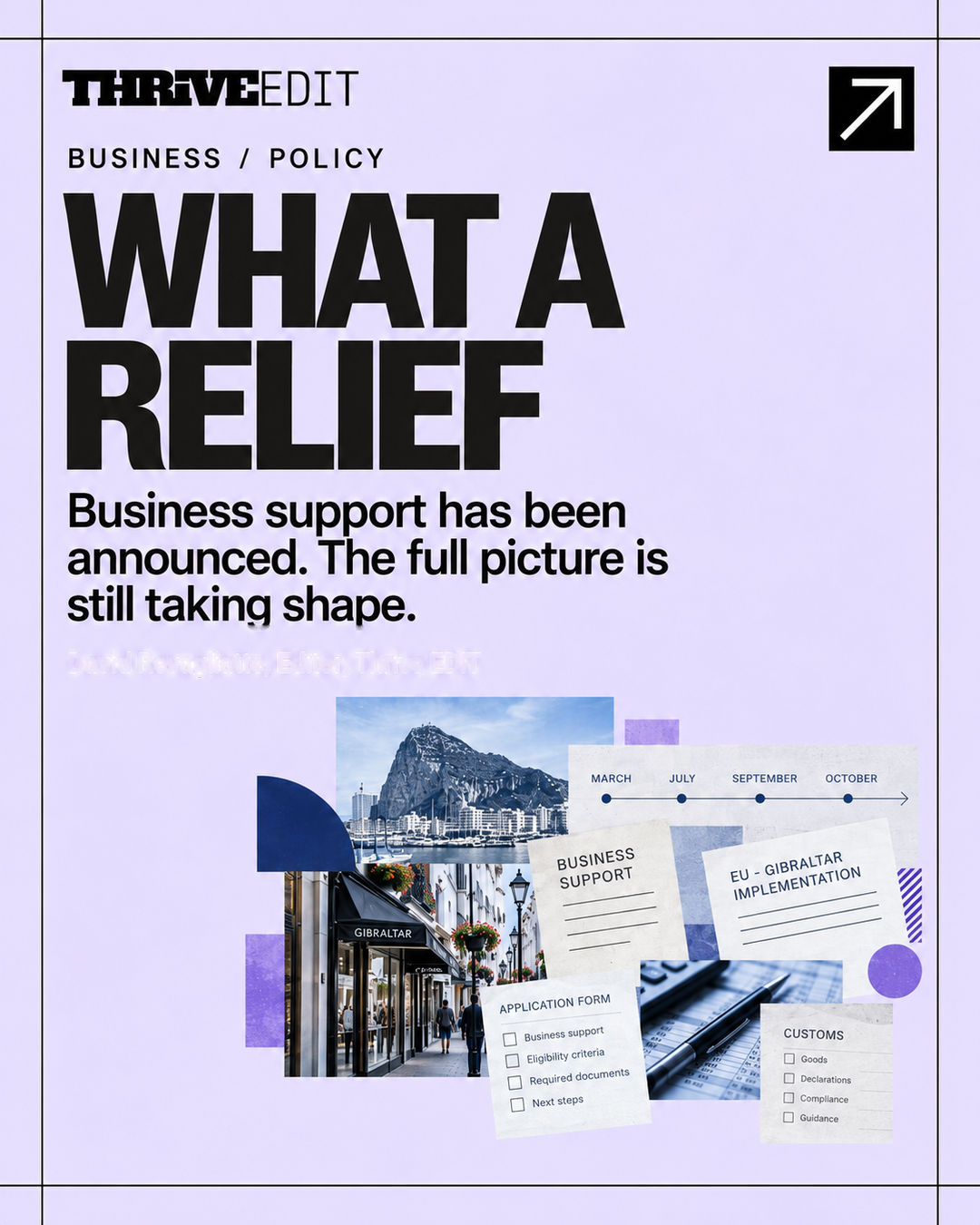
Gibraltar’s first detailed Treaty relief scheme is now in place, but businesses are still waiting for the full picture on wider modernisation support.