

 Gibraltar Federation of Small Businesses


 Gibraltar Federation of Small Businesses

HM Government of Gibraltar has strongly rejected claims that the Gibraltarian Status and Immigration (Amendment) Bill 2025 will unfairly restrict access to residency or Gibraltarian status. The Government says the reforms are “responsible, considered and align with current times,” adding that they are essential to protect the integrity of Gibraltar’s systems and ensure fairness for those who live and contribute to the community.
What the Government says:
The statement argues that criticism of the Bill is “misleading,” describing the reforms as a necessary response to long-standing weaknesses in Gibraltar’s registration and residency frameworks. According to the Government, the Bill “refines the criteria for residency and associated benefits” and addresses “systemic abuses” that have emerged over time.
Officials say that individuals “who have not lived in Gibraltar for many years have continued to claim benefits and entitlements meant for those who live and contribute to our community,” while others “have taken advantage to unfairly access public resources.” The Government says it has “a duty to act decisively.”
The reforms aim to ensure that “only persons who share a deep and significant relationship with the Rock should be registered.” Until now, it says, some people could obtain Gibraltarian status because “a person had an unregistered grandmother who happened to be born in Gibraltar in 1924,” giving them automatic red ID cards despite having no real link to the community.
Why the Bill is needed:
The Government insists that the new criteria are not about exclusion but clarity. “No child who is genuinely entitled to Gibraltarian Status will lose that entitlement,” the statement says. “The process ensures that all eligible children are properly recorded, enabling them to access their rights with greater certainty.”
It also rejects claims that the changes will create a “lost generation,” arguing instead that they will bring “clarity and certainty, not exclusion.” The new definition of “child” as someone under 18 and the doubling of qualifying residence periods are described as straightforward administrative measures that “strengthen the link between status and genuine residence.”
The Government further notes that these reforms are consistent with a wider international trend. “Far more significant changes are happening elsewhere, all with the same mission — to protect their own systems from abuse and circumvention,” it said, pointing to tightening immigration rules in the UK and across Europe.
In the Chief Minister’s words:
Chief Minister Fabian Picardo said:
“The Gibraltarian Status Bill represents a responsible and necessary step forward in modernising our laws to reflect today’s realities. Our duty as a Government is to ensure that Gibraltarian status remains meaningful and fair, that it reflects a true and continuing bond with Gibraltar. These reforms strike the right balance between protecting the rights of those who belong. I understand that change can be unsettling, but this legislation is guided by a simple principle: to preserve the integrity of what it means to be Gibraltarian, for this generation and the next.”
The takeaway:
The Government maintains that the Bill is about fairness, accountability and preserving Gibraltar’s identity, not restriction. It says the reforms will prevent misuse of public resources and protect the long-term sustainability of Gibraltar’s systems. The message is clear: being a registered Gibraltarian should reflect a genuine connection to the Rock, not a technical entitlement disconnected from its community or responsibilities.
We want your views:
The GFSB welcomes feedback from members on how these changes could affect business, recruitment and relocation. Please email gfsb@gfsb.gi or join the discussion on the community pages on GlueUp.





How can businesses tell whether workplace training actually works? Explore practical ways to connect learning, behaviour and measurable performance.
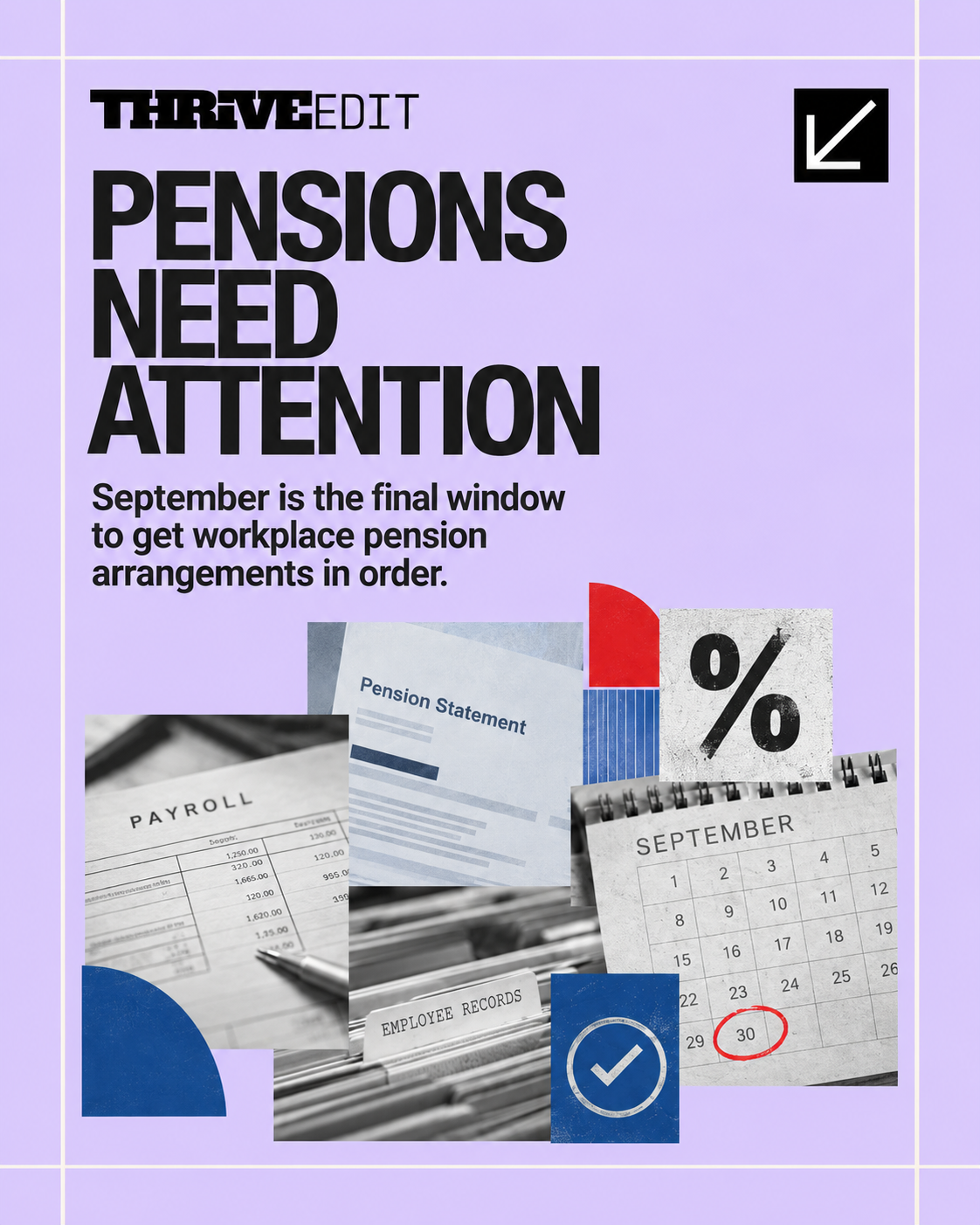
Employers with 15 to 50 staff are now inside the final workplace pension extension window. Check eligibility, contributions, opt-outs and compliance requirements.

Investment in automation, logistics, tourism and green technology across the Campo de Gibraltar is reshaping the regional skills base. Here’s what Gibraltar employers should watch.

Imported goods around the Treaty changeover? It is worth going back through July’s paperwork. HM Customs has introduced a refund process for qualifying consignments that had already started their journey to Gibraltar before 15 July but were cleared afterwards.

Clocked out in August? Good for you. Thrive EDIT Editor David Revagliatte rounds up the Gibraltar business stories worth clocking back into. August is supposed to be the month when Gibraltar collectively eases off the accelerator. Judging by the news cycle, nobody told 2026. The first full month of life under the new Treaty arrangements brought a mixture of early optimism and very real teething problems for businesses. New employment rules landed, a pensions deadline crept closer, one of Gibraltar's most important airlines changed hands and a major local bank announced job cuts.