

 Gibraltar Federation of Small Businesses


 Gibraltar Federation of Small Businesses


At the inaugural Gibraltar Business Conference in London’s Oxo Tower, Chief Minister Fabian Picardo and Attorney General Michael Llamas outlined how the forthcoming UK–EU treaty could create new business and investment opportunities for Gibraltar.
Speaking to a packed audience during a fireside chat moderated by Peter Montegriffo KC, they described a future framework that could enhance Gibraltar’s access to European markets and strengthen its global position.
What happened:
Hosted by Minister for Business Gemma Arias-Vasquez, the first London Business Conference drew more than 400 guests from across finance, law and industry. The evening featured live podcast sessions from Tax Bites, On the Sofa with Rouge and the GFSB’s Gibraltar Business Podcast, all highlighting the advantages of doing business on the Rock.
The highlight came when the Chief Minister and Attorney General joined the stage for an in-depth conversation about the treaty and its expected impact.
What they said:
Between the lines:
Mr Llamas revealed that the draft treaty runs to 250 pages across seven sections, underscoring its scale and complexity. Both speakers said the agreement would go further than what was possible under Gibraltar’s former EU membership, describing it as a decisive step for the jurisdiction’s future.
Why it matters:
The message from London was clear. Gibraltar is preparing to use the treaty to strengthen its economic base while maintaining regulatory stability and greater access to European markets. For businesses and investors, it signals a more connected and outward-looking environment.
As negotiations move forward, Gibraltar’s leaders see the treaty as an opportunity to secure a stronger, more open economic future. The discussions in London reflected growing optimism that Gibraltar is ready to play a larger role in the region’s business landscape.


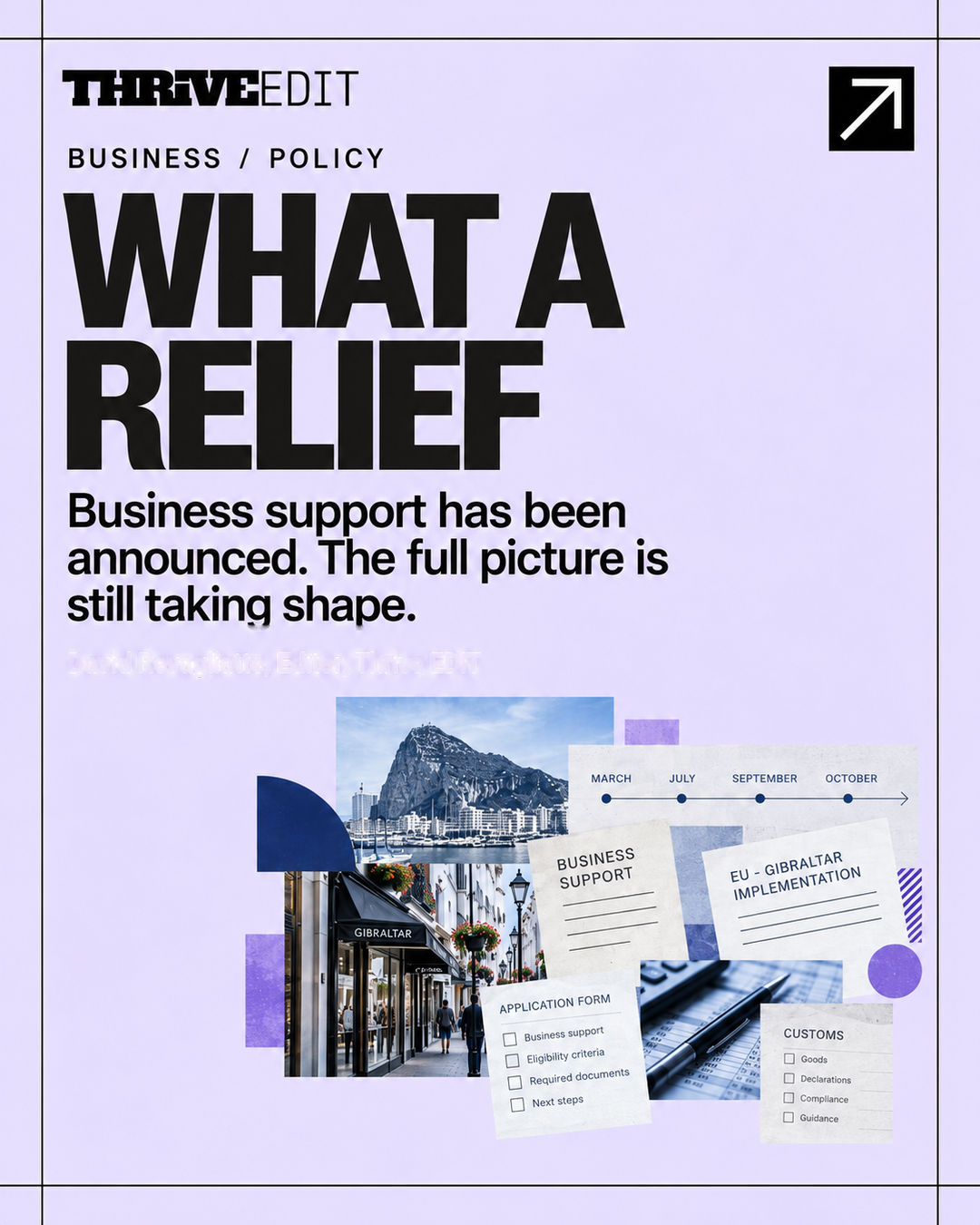

Gibraltar’s first detailed Treaty relief scheme is now in place, but businesses are still waiting for the full picture on wider modernisation support.
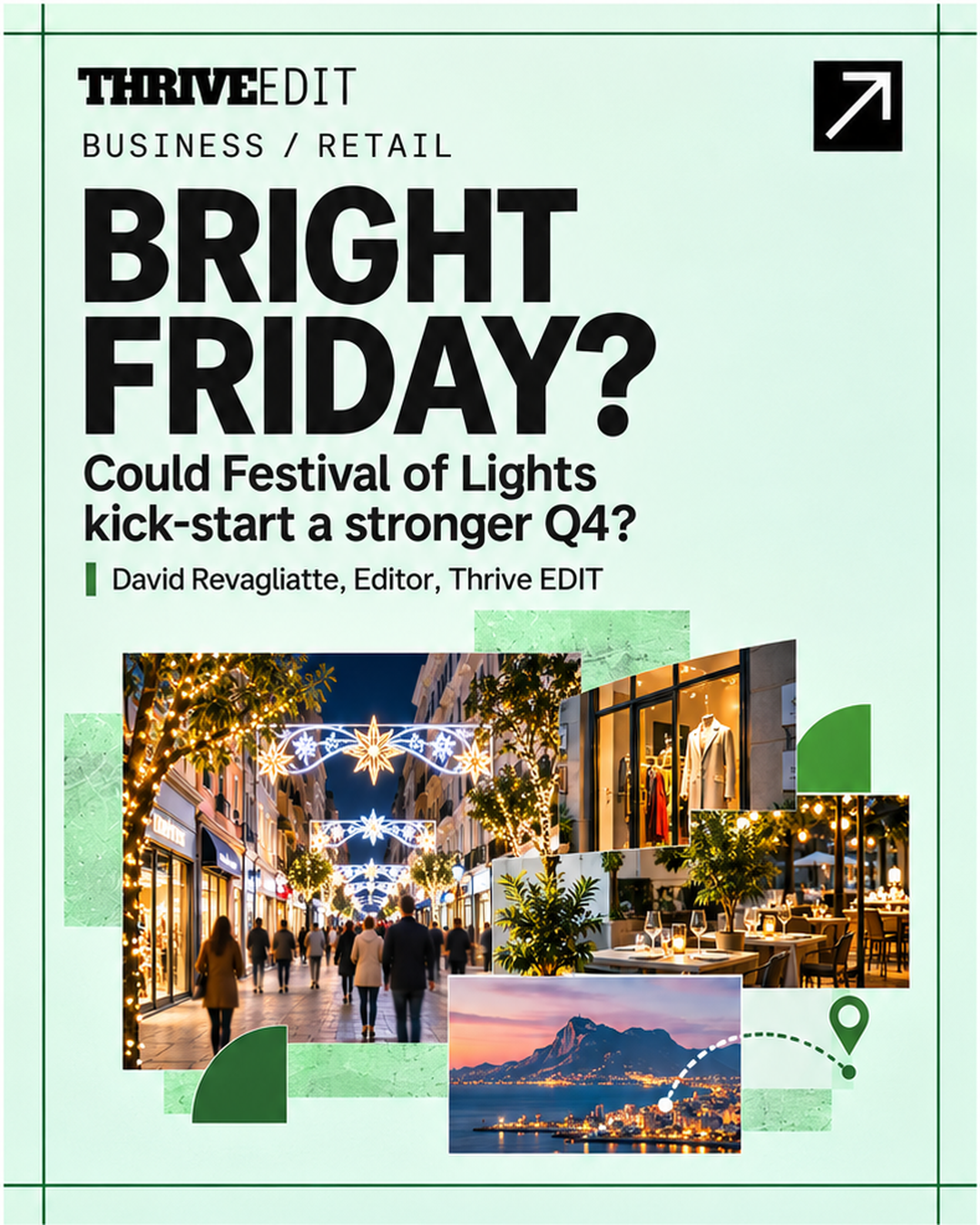
The Festival of Lights falls exactly one week before Black Friday. With the frontier easier to cross and Gibraltar potentially accessible to a much wider Costa audience, could one of the busiest nights of the year become the start of a stronger Q4 for local business?
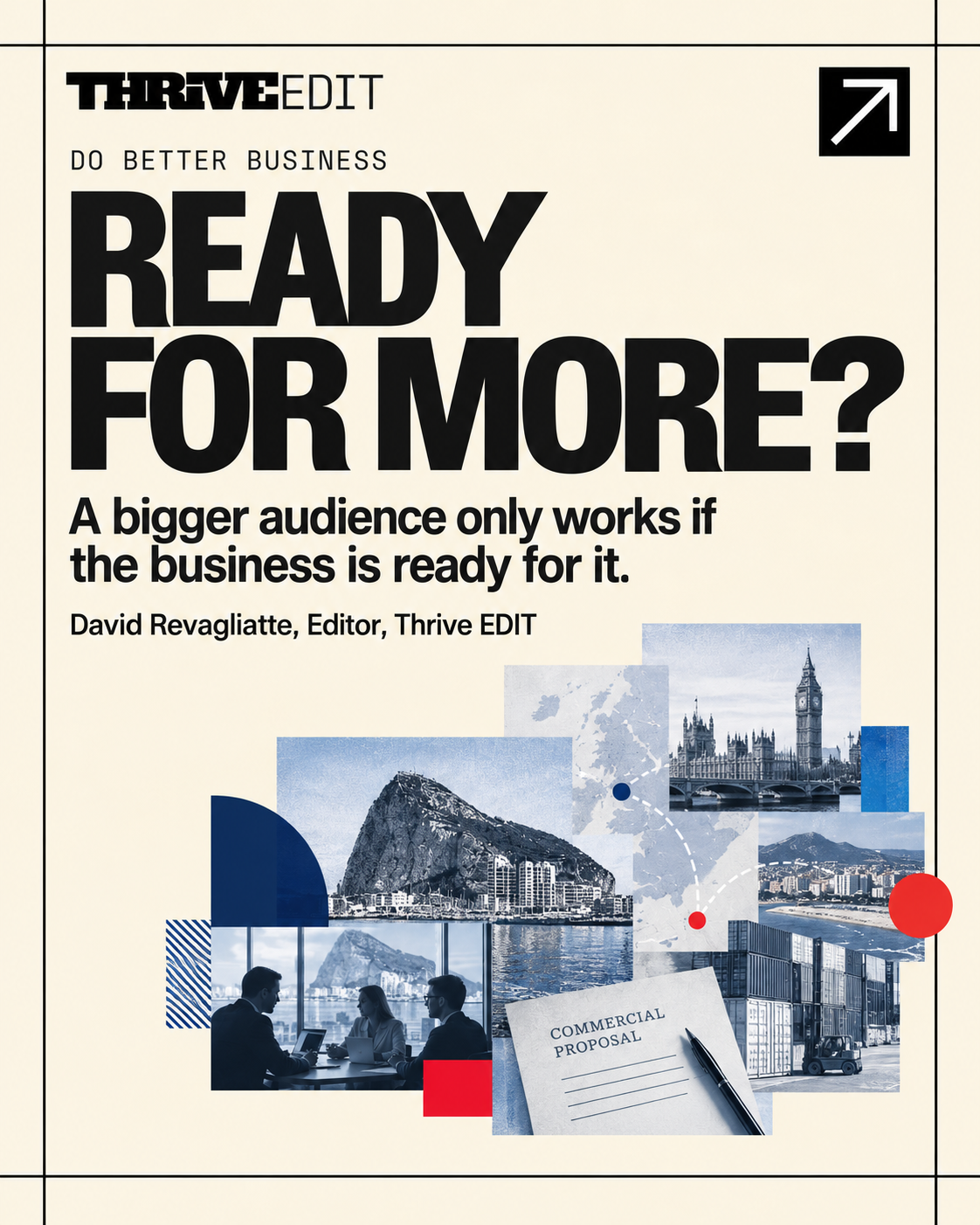
Gibraltar businesses are reaching new audiences in London and across the frontier. Here’s how to prepare your proposition, capacity and partnerships for growth.
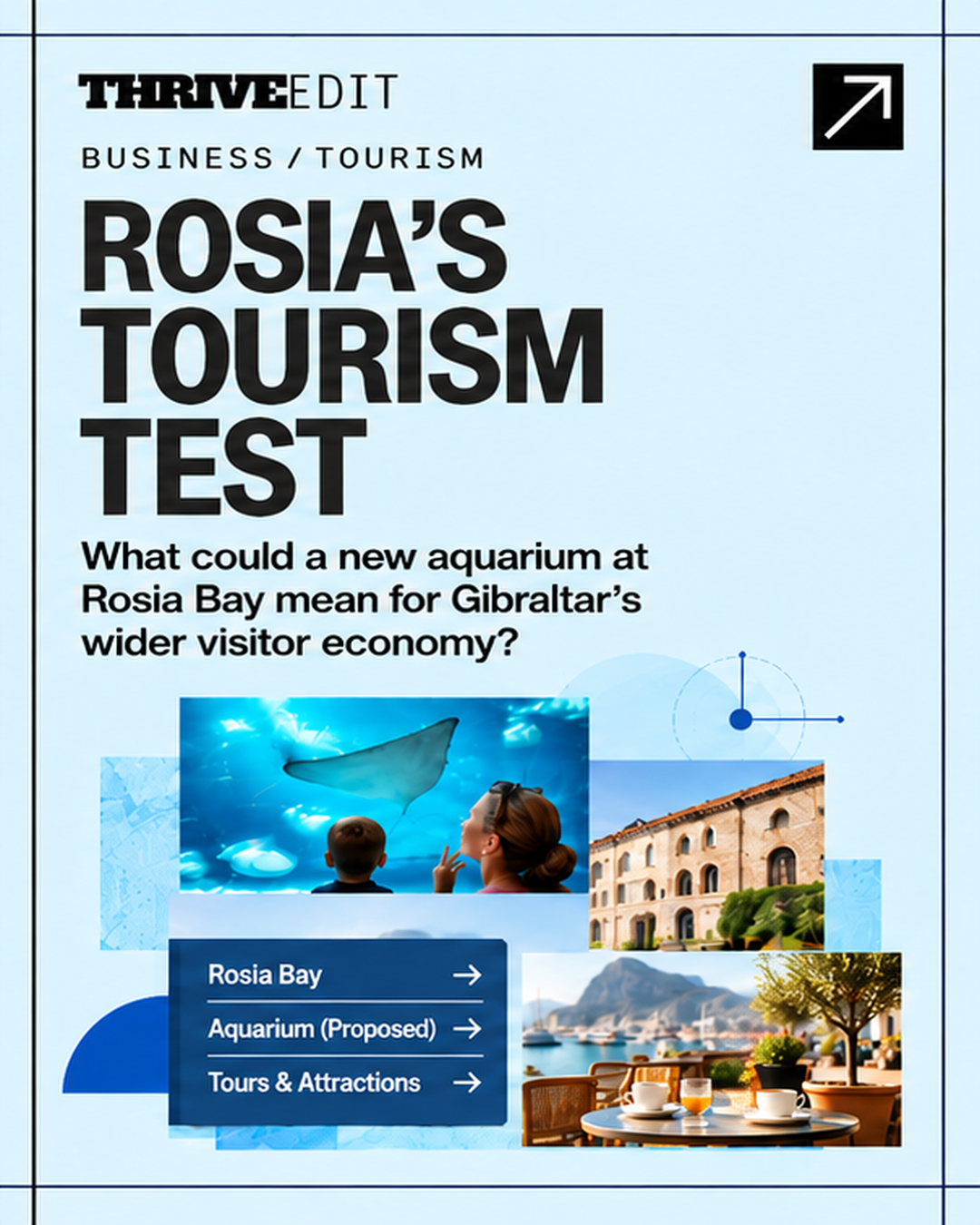
A new aquarium at Rosia Bay could add to Gibraltar’s tourism offer. We look at the wider business opportunity and the questions still to be answered.
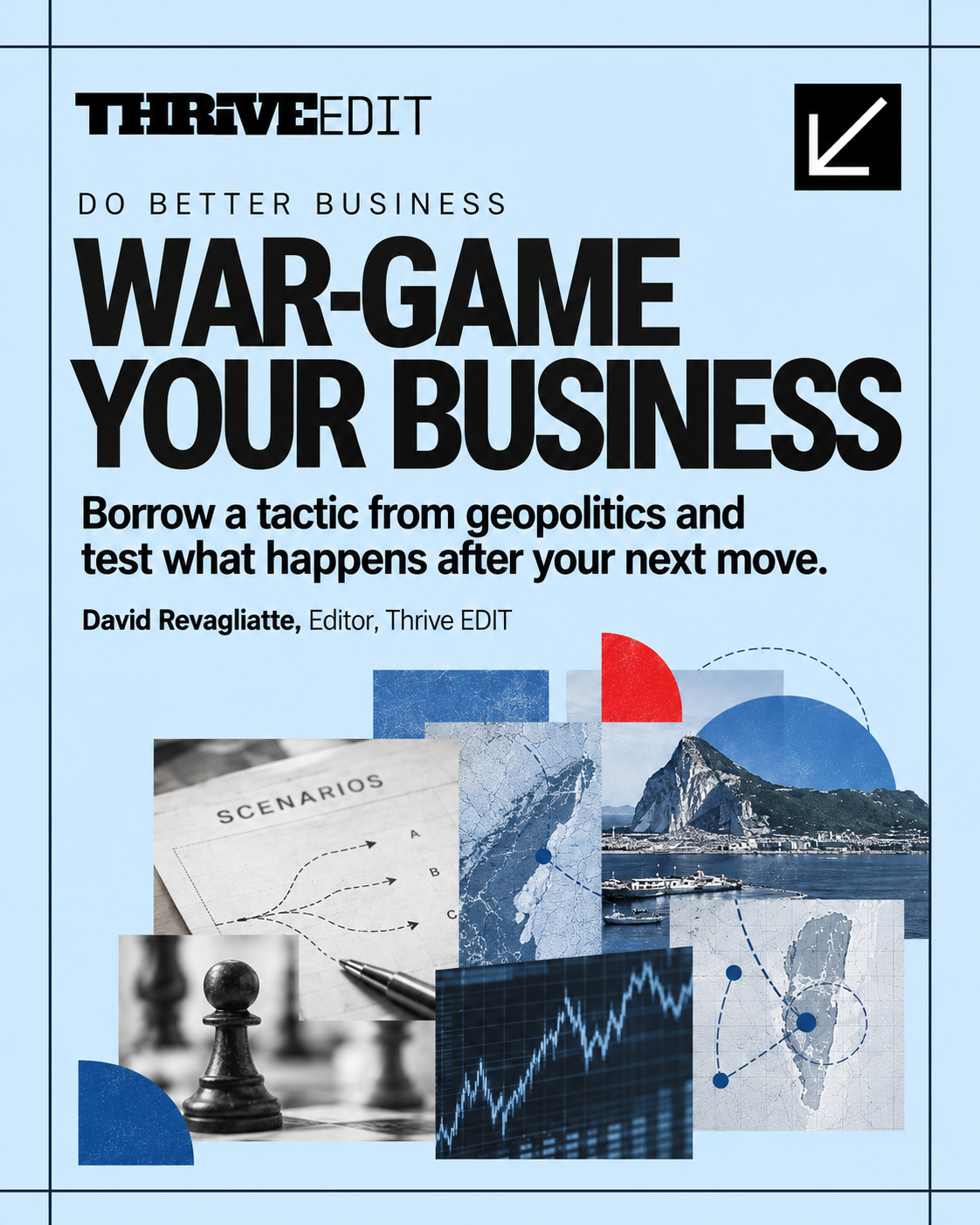
Governments and geopolitical strategists use simulations to test what might happen when other players react. The same thinking can help businesses challenge assumptions, anticipate competitors and prepare for decisions before real money is on the line.