

 Gibraltar Federation of Small Businesses


 Gibraltar Federation of Small Businesses

The GFSB has noted the recent announcement of a 5% increase in the minimum and maximum social insurance contributions payable by employers, employees and self-employed individuals.
While recognising the need to sustain Gibraltar’s social insurance system, the GFSB is encouraging Government to provide clearer explanations about how these changes affect businesses in practice. With many employers already managing a range of rising costs, including an increase in the minimum wage, a better understanding of the impact on different employment scenarios would help business owners plan ahead.
“To support local employers and increase public understanding, we believe practical examples would be helpful,” said Eran Shay, Board Director at the GFSB. “This would allow businesses to better assess the impact of changes and plan accordingly.”
For example, the combined effect of recent announcements could be significant for some employers:
The GFSB is also highlighting concerns about the minimum contribution structure, particularly for employees working limited hours. In some cases, social insurance contributions exceed the actual wages earned by part-time staff, creating a disincentive for lawful employment and limiting opportunities for individuals seeking flexible work.
For example:
“This scenario makes it challenging for small businesses to offer part-time or casual roles, which are essential in sectors like retail, hospitality and seasonal tourism,” Shay added. “With the potential for growth in these sectors, it’s important that the system encourages rather than discourages flexible work.”
The GFSB recognises the complexity of social insurance policy and the need to balance contribution levels, employee protections and long-term sustainability. However, the Federation believes a targeted review of the system is now needed, particularly to ensure it supports Gibraltar’s diverse and evolving labour market.
The Federation is ready to work constructively with Government and stakeholders to explore solutions that protect social welfare, support business sustainability and promote fair, inclusive employment practices.
What’s your view of these changes? How will they affect your business? Get involved in our Glue Up Community pages.


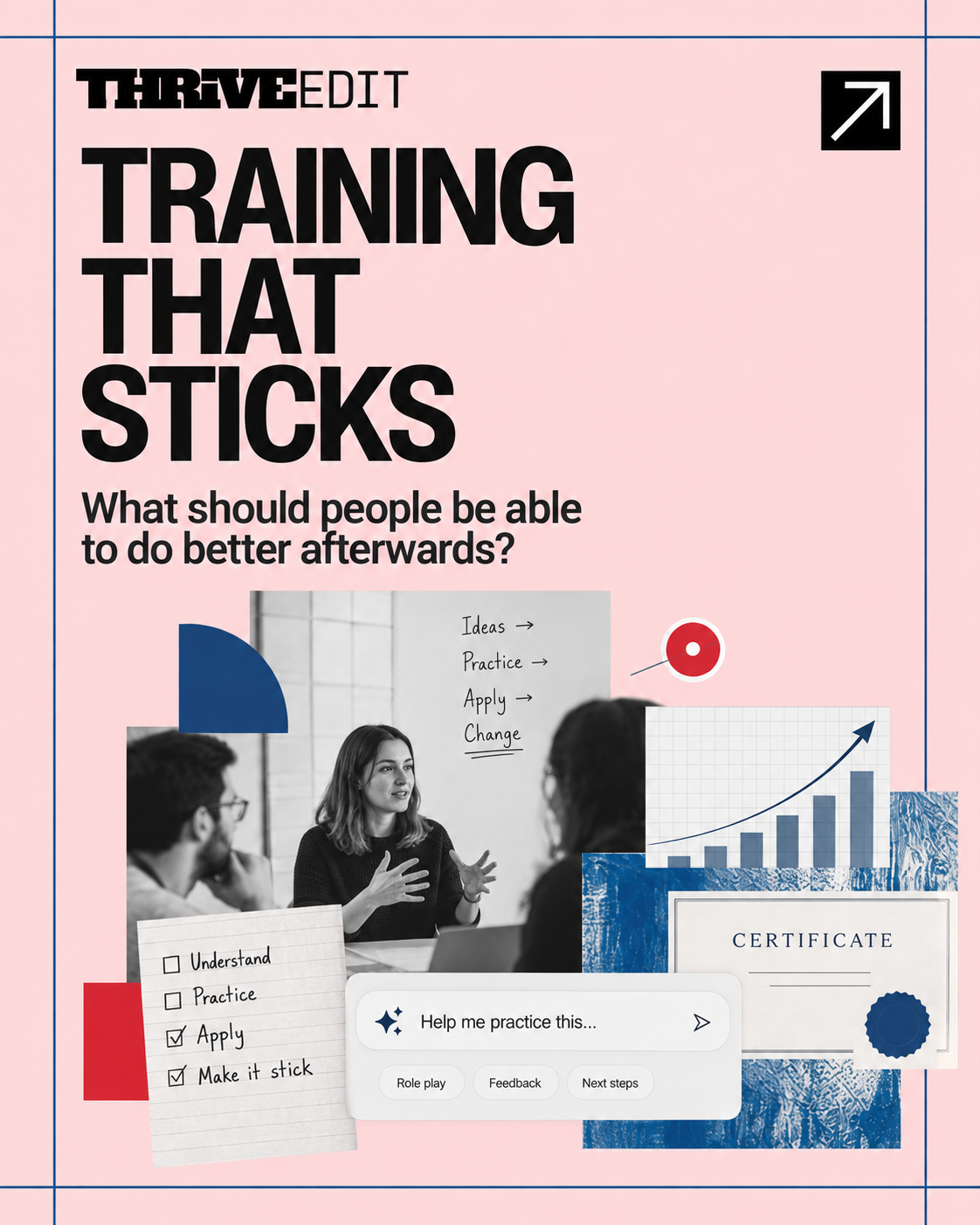

How can businesses tell whether workplace training actually works? Explore practical ways to connect learning, behaviour and measurable performance.
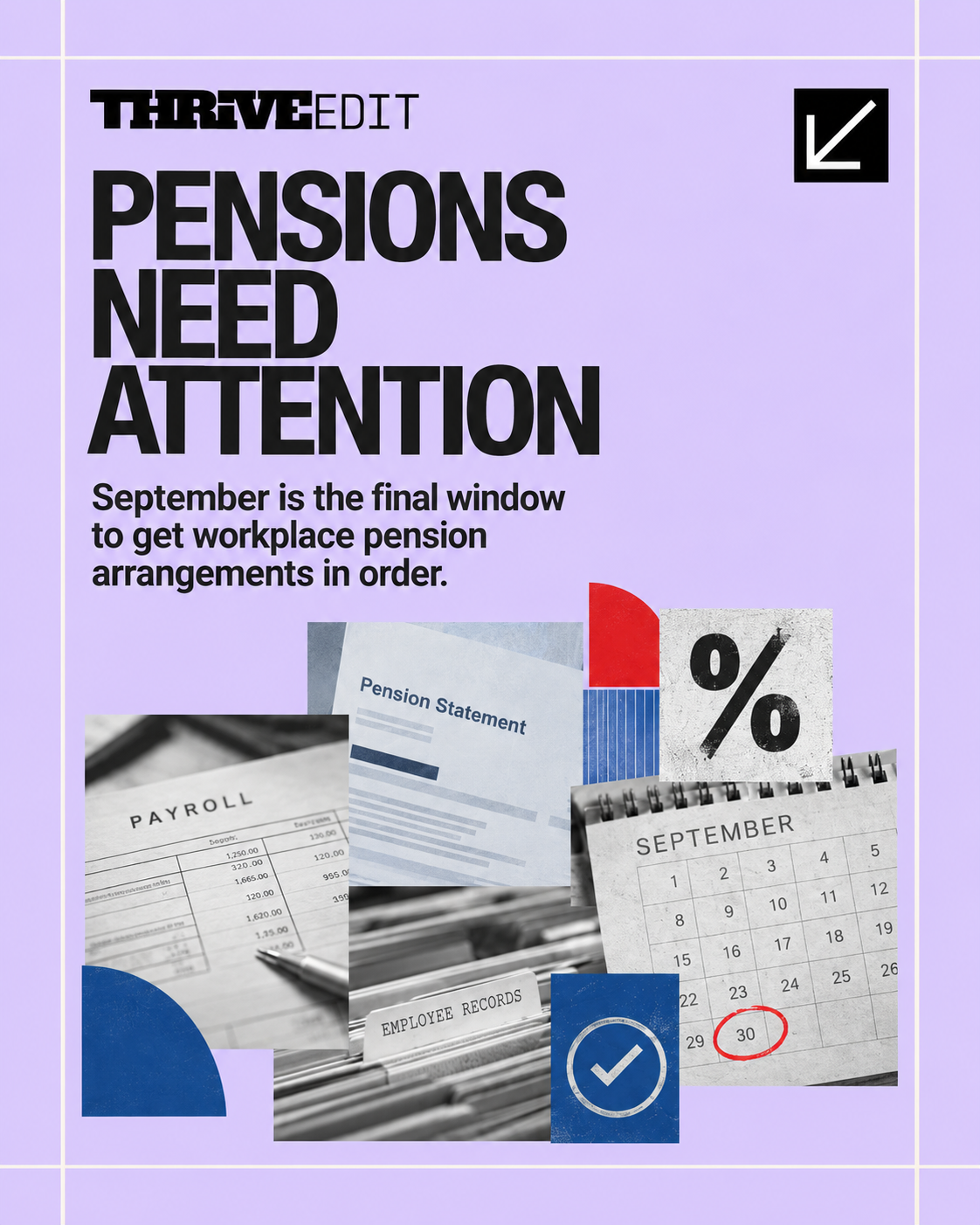
Employers with 15 to 50 staff are now inside the final workplace pension extension window. Check eligibility, contributions, opt-outs and compliance requirements.
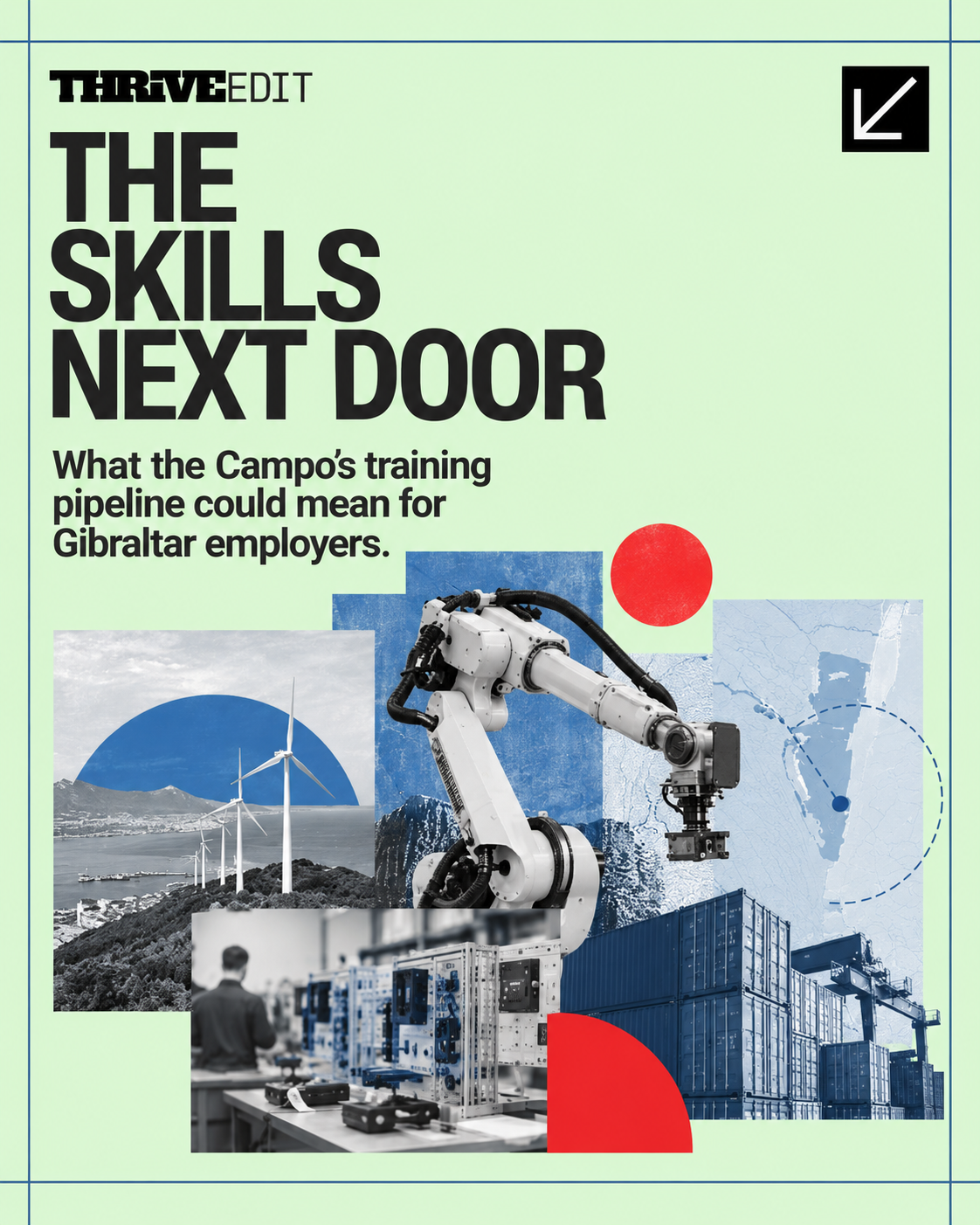
Investment in automation, logistics, tourism and green technology across the Campo de Gibraltar is reshaping the regional skills base. Here’s what Gibraltar employers should watch.
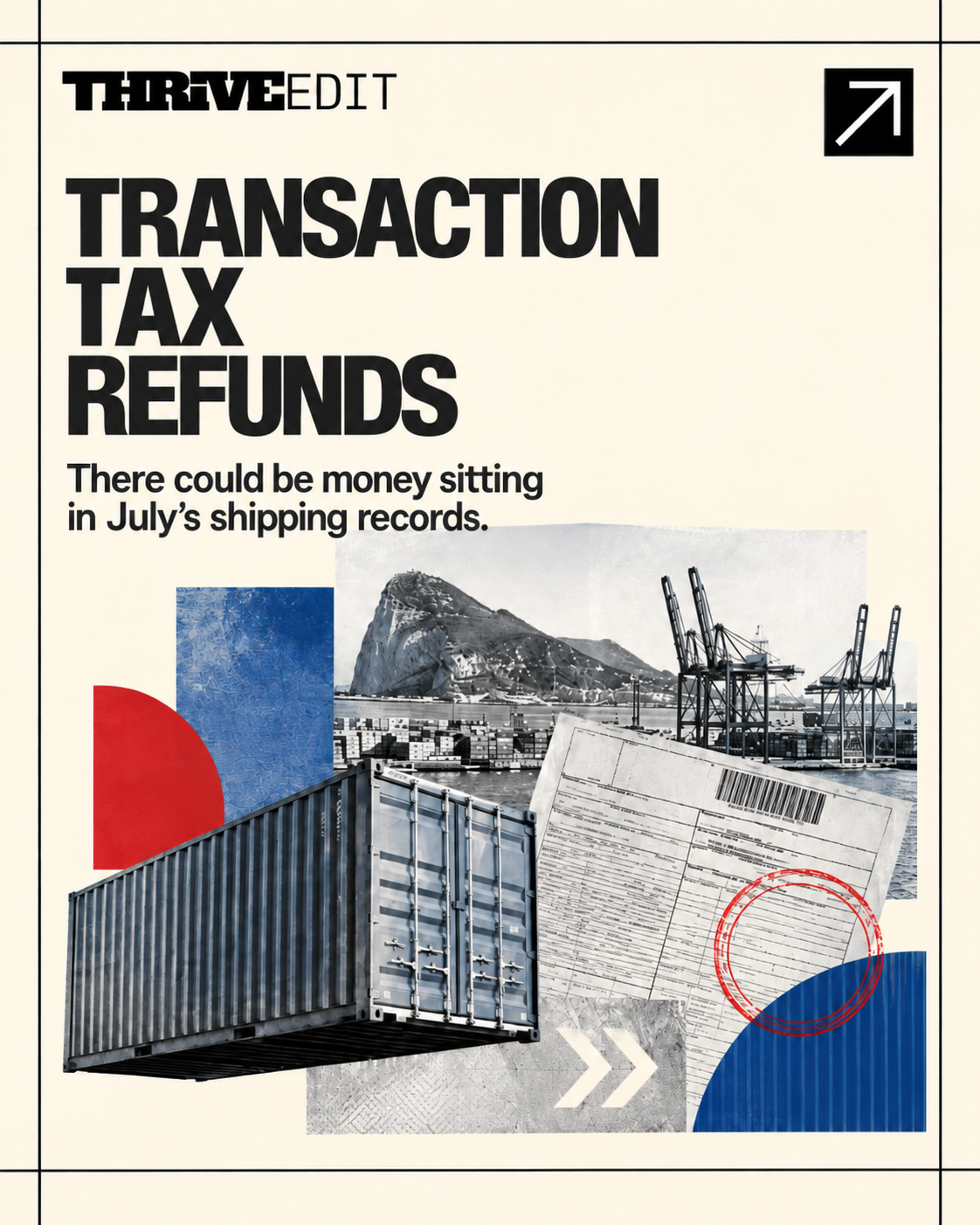
Imported goods around the Treaty changeover? It is worth going back through July’s paperwork. HM Customs has introduced a refund process for qualifying consignments that had already started their journey to Gibraltar before 15 July but were cleared afterwards.
Clocked out in August? Good for you. Thrive EDIT Editor David Revagliatte rounds up the Gibraltar business stories worth clocking back into. August is supposed to be the month when Gibraltar collectively eases off the accelerator. Judging by the news cycle, nobody told 2026. The first full month of life under the new Treaty arrangements brought a mixture of early optimism and very real teething problems for businesses. New employment rules landed, a pensions deadline crept closer, one of Gibraltar's most important airlines changed hands and a major local bank announced job cuts.