
 Gibraltar Federation of Small Businesses


 Gibraltar Federation of Small Businesses

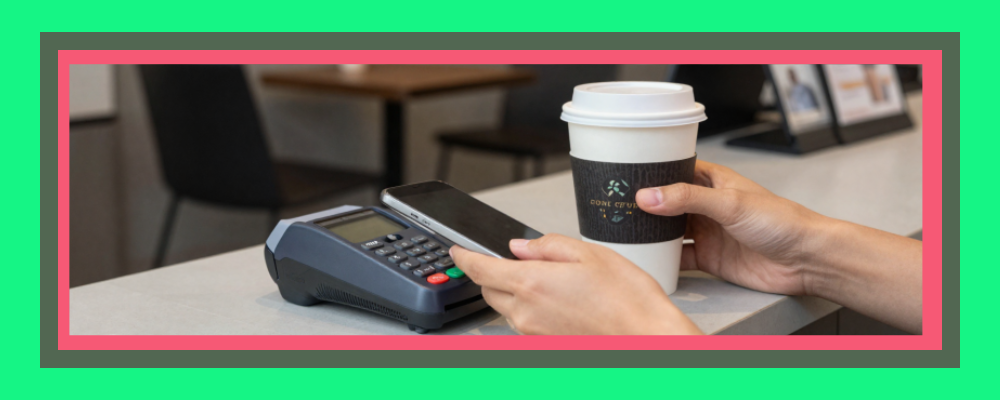
What our daily coffee tells us about consumer behaviour
It wasn’t that long ago that grabbing a coffee on the way to work barely registered as a financial decision. It was simply part of the morning routine – a daily habit. We left the house, picked up a coffee, exchanged a few words with the person behind the counter and carried on with the day. The routine mattered just as much as the drink itself.
Today, it is not unusual to pay £4+ for a coffee at some spots in Gibraltar.
Whether that still feels reasonable depends on your perspective – I am not here to troll any businesses, but there is no escaping the fact that many of us now pause, however briefly, before tapping our iPhones. The purchase that once happened almost without thinking has become a conscious decision. That change says something interesting about consumer behaviour, and it is one that our local businesses would do well to understand.
It starts with a coffee
As Gibraltar prepares to introduce the Treaty and its accompanying Transaction Tax arrangements, many businesses are already considering how rising operating costs may affect pricing. Combined with global inflationary pressures and ongoing geopolitical uncertainty, consumers are likely to encounter more of these small pricing decisions over the coming months.
For years, behavioural economists have distinguished between habitual purchases and considered purchases. Habit requires very little mental effort. We repeat the same behaviour because it has become familiar and predictable. Morning coffee is one example, but so too is picking up lunch from the same café, buying flowers every Friday, or browsing the same shops during a lunchtime walk along Main Street.
The decision is no longer simply, “Do I fancy a coffee?” It becomes, “Is this coffee worth X today?” That may sound like a small change, but the way we behave might follow suit.
Interestingly, consumers do not always respond by abandoning a business altogether. More often, they adjust. They buy coffee three mornings a week instead of five. They skip the pastry. They wait until the weekend to treat themselves. They make lunch at home more often. The relationship with the business remains, but the frequency changes.
This feels particularly relevant as we prepare for next week’s Treaty implementation. If businesses across sectors gradually adjust prices to reflect the Transaction Tax, alongside the broader pressures already affecting the cost of consumer goods, many of us are unlikely to stop spending overnight. Behavioural research suggests something more gradual happens first. We become more selective. Purchases that once happened automatically are weighed up a little more carefully, and habits quietly become decisions.
The less loyal customer?
It is easy to notice when customers stop coming altogether. It is much harder to spot when loyal customers are simply visiting less often. The same thinking can be applied well beyond coffee.
If everyday household spending continues to rise, many of us will inevitably become more selective about where our money goes. That does not mean we stop spending. It means we start weighing up purchases that previously happened almost automatically.
The idea that our daily routines shape our behaviour is well established in behavioural psychology. Professor Wendy Wood, one of the world’s leading researchers on habits, has found that much of what we do each day happens almost automatically. We are guided less by conscious decisions than by familiar cues such as the time of day, where we are, and the routines we have built over months or years.
That certainly feels true of our morning coffee. For many of us, it has become part of the day’s rhythm rather than a purchase we actively think about. But what happens when that rhythm is interrupted?
Behavioural economist Richard Thaler has written extensively about the way we mentally categorise our spending. A coffee might sit comfortably in our minds as an affordable daily habit, but as the price gradually climbs, we begin to reassess whether it still belongs in that category. Without necessarily realising it, we start asking whether it still represents good value.
Psychologists Daniel Kahneman and Amos Tversky reached a similar conclusion from a different perspective. Their research into decision-making found that people tend to feel losses more strongly than equivalent gains. In practical terms, that means a £1 increase in the price of something we buy regularly often feels more significant than logic alone would suggest. The financial difference may be relatively modest, but psychologically it interrupts the habit and forces us to think again.
That does not necessarily mean we stop buying. More often, we adapt. We buy coffee three mornings a week instead of five. We skip the pastry. We make lunch at home more often. The same principle applies whether you are running a salon, a restaurant, a retailer or a professional services business. It also raises an important question for business owners.
If customers are becoming more thoughtful about where they spend their money, what reasons are we giving them to keep choosing us?
Price will always form part of that decision, but it is rarely the whole story. Sometimes the answer lies in making it easier to do business with us. Sometimes it means communicating more clearly what makes us different. Sometimes it means improving service, introducing greater convenience or simply paying closer attention to the things customers value most.
A changing landscape
Periods of economic change have a habit of sharpening priorities for both businesses and consumers. They encourage us to look more closely at where our money goes and, equally, what our customers believe they are getting in return. As we move closer to Treaty implementation, much of the discussion has understandably focused on Transaction Tax, pricing and the impact on the cost of doing business. Those conversations are important, but there is another question worth asking.
If customers become more selective about where they spend, what reasons are we giving them to keep choosing us?
Price will always influence purchasing decisions, but it is rarely the whole story. Service, convenience, familiarity, trust and consistency all contribute to how customers judge value. As everyday purchases become more considered, those qualities become even more important.
Perhaps that is the real lesson hidden inside a £4.50 coffee. It reminds us that habits should never be taken for granted. They are built over time through positive experiences and can quietly become conscious decisions when circumstances change.
For many of our businesses, that may prove to be one of the most valuable insights as we enter a new trading environment. Customers are unlikely to stop spending altogether. They may simply become more thoughtful about where, when and how often they spend.
The businesses that understand this and evolve, and continue to give customers compelling reasons to come back, are likely to be the ones that continue to thrive.



Governments and geopolitical strategists use simulations to test what might happen when other players react. The same thinking can help businesses challenge assumptions, anticipate competitors and prepare for decisions before real money is on the line.
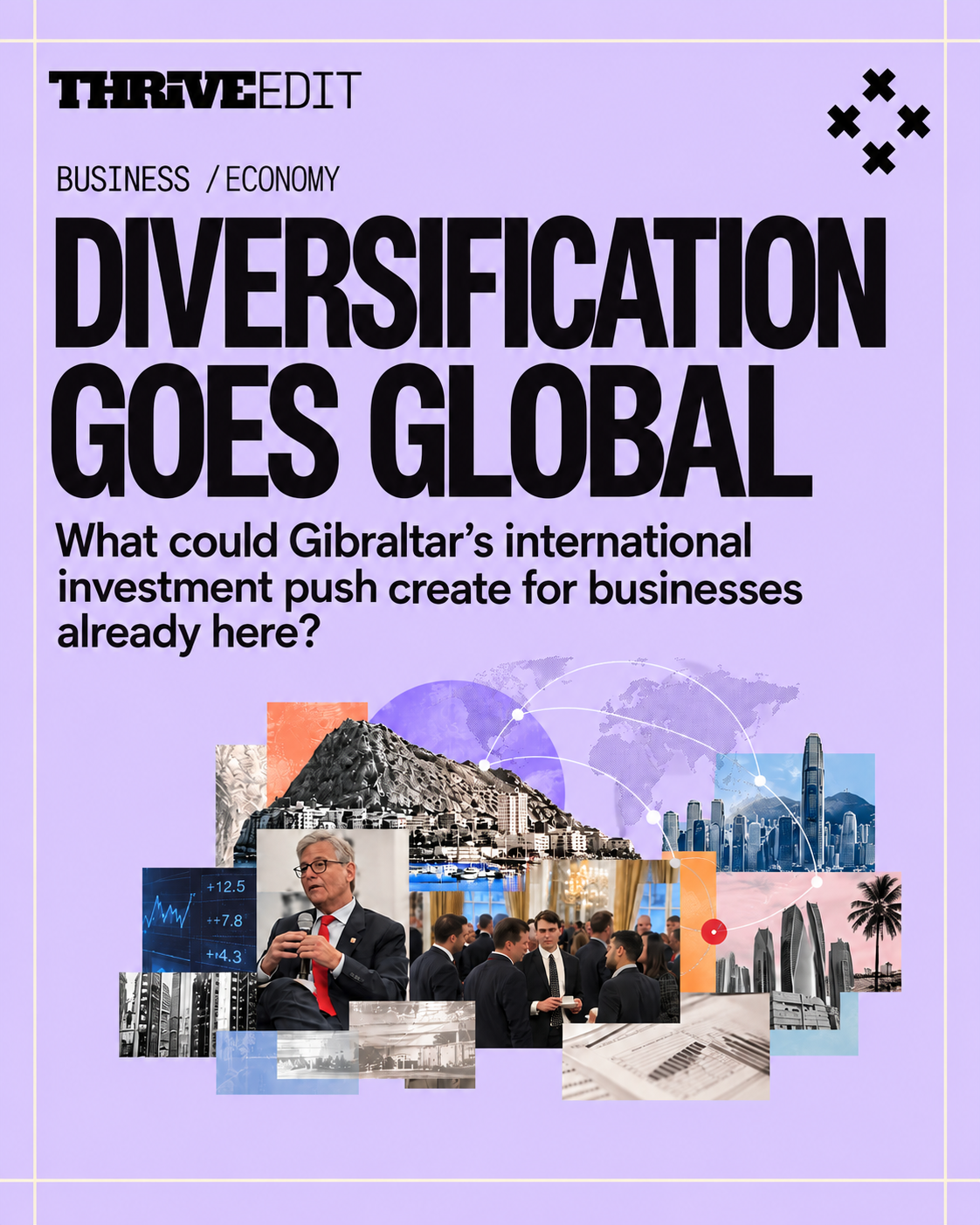
From Hong Kong to Abu Dhabi, Gibraltar is pursuing new industries and investors as part of a major economic diversification drive. Minister Nigel Feetham says the campaign is already generating business. The bigger question is how far those opportunities can spread through Gibraltar’s wider economy.
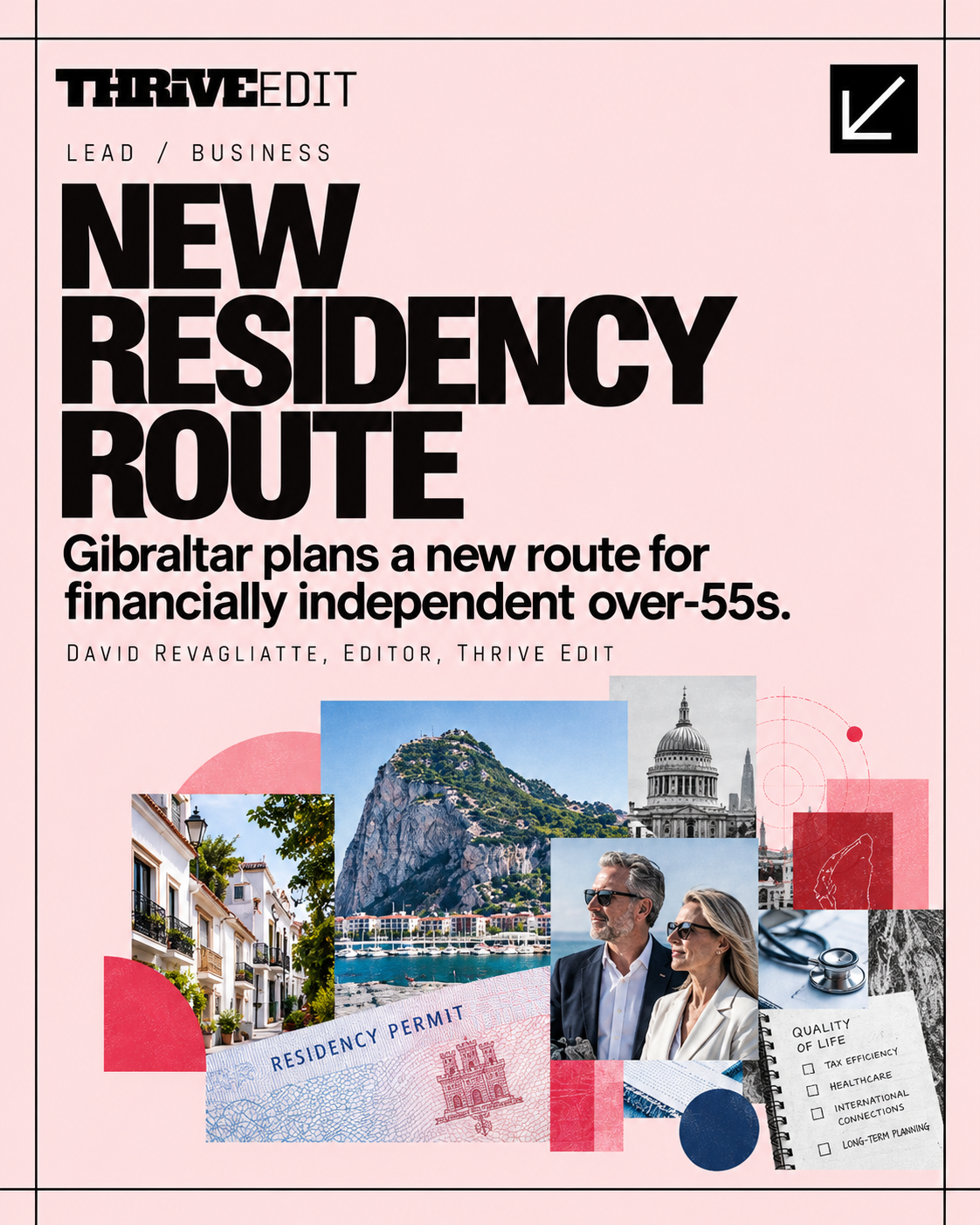
Gibraltar plans a new residency route for financially independent over-55s alongside a new business think tank announced at GibLink London.
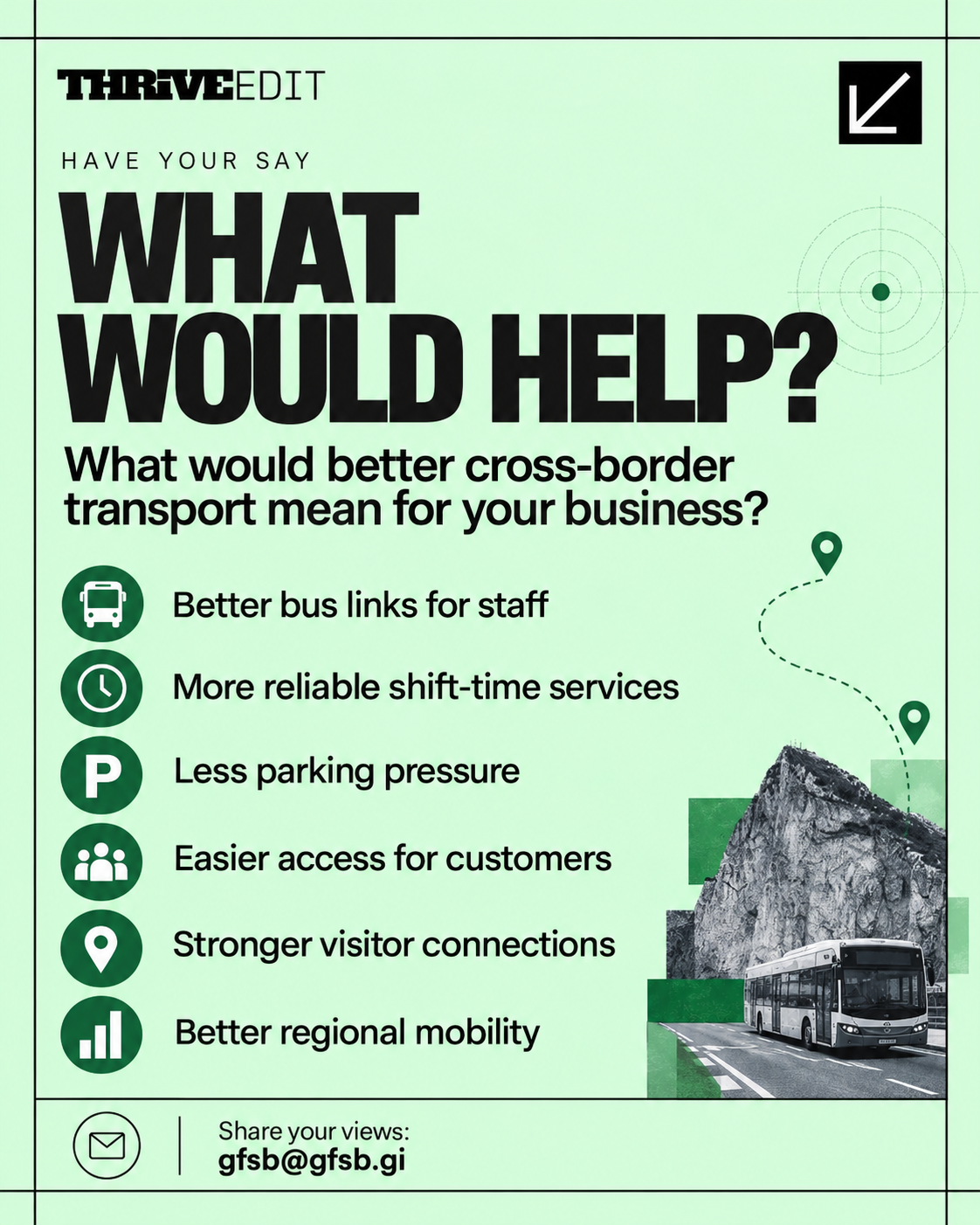
New frontier lanes and discussions around a cross-border transport interchange raise questions about buses, workers, visitors and business connectivity.
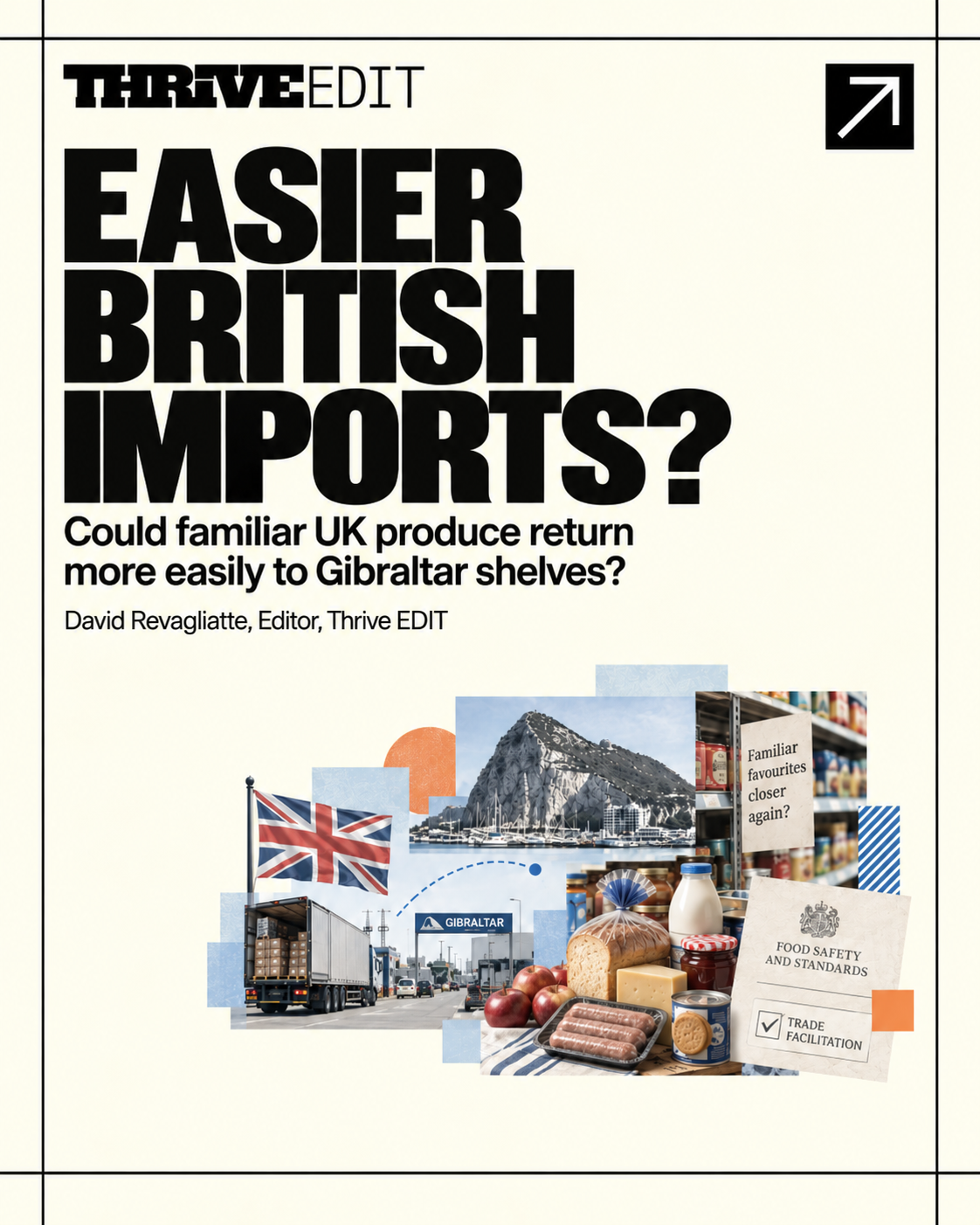
Could a future UK-EU food agreement make it easier for British produce to return to Gibraltar shelves? British produce has long been part of Gibraltar’s shopping experience; I wrote about it a couple of years ago, before we had a Treaty in place. From supermarket staples and fresh food to familiar household brands, we’ve spent […]