

 Gibraltar Federation of Small Businesses


 Gibraltar Federation of Small Businesses

No deal yet despite yesterday’s high-level round of EU/UK negotiations in Brussels. Whilst some Spanish media reports had suggested a deal was unlikely to be reached at the meeting, this does leave us wondering, what now?
Why did yesterday’s meeting matter?
Because of who was in the room. European Commission Executive Vice-President Maroš Šefčovič, Spanish Minister for Foreign Affairs, European Union and Cooperation José Manuel Albares and UK new Foreign Secretary David Lammy and our CM, Fabian Picardo. It also marked the third meeting at political level and the first one in this format under the new UK Government.
Was any progress made?
We think so, yes. The joint statement issued by the UK, EU, Gibraltar, and Spain said, ‘discussions were constructive and productive, resulting in further progress on the complex issues of negotiations, namely in the area of people and goods’.
‘Intense’ was the word Spain’s Foreign Minister used to describe the four-hour meeting, who also said that ‘advances had been made on fundamental aspects’ of the negotiations. He also told assembled media that the negotiating teams had agreed to keep back some of the details and ground covered in the interest of the process.
Ok, anything else I should know?
Yes. The EU’s entry-exit system (EES) seems to be running late according to the Guardian. Initially set for November, the implementation may be postponed further to avoid long queues and logistical issues at borders like Gibraltar. While the EES is expected to enhance security, the lack of field testing raises doubts about its phased introduction, with some sources suggesting a slower rollout over a year.
So, what now?
Keep trying ‘business as usual’ and await further developments in these ongoing negotiations.


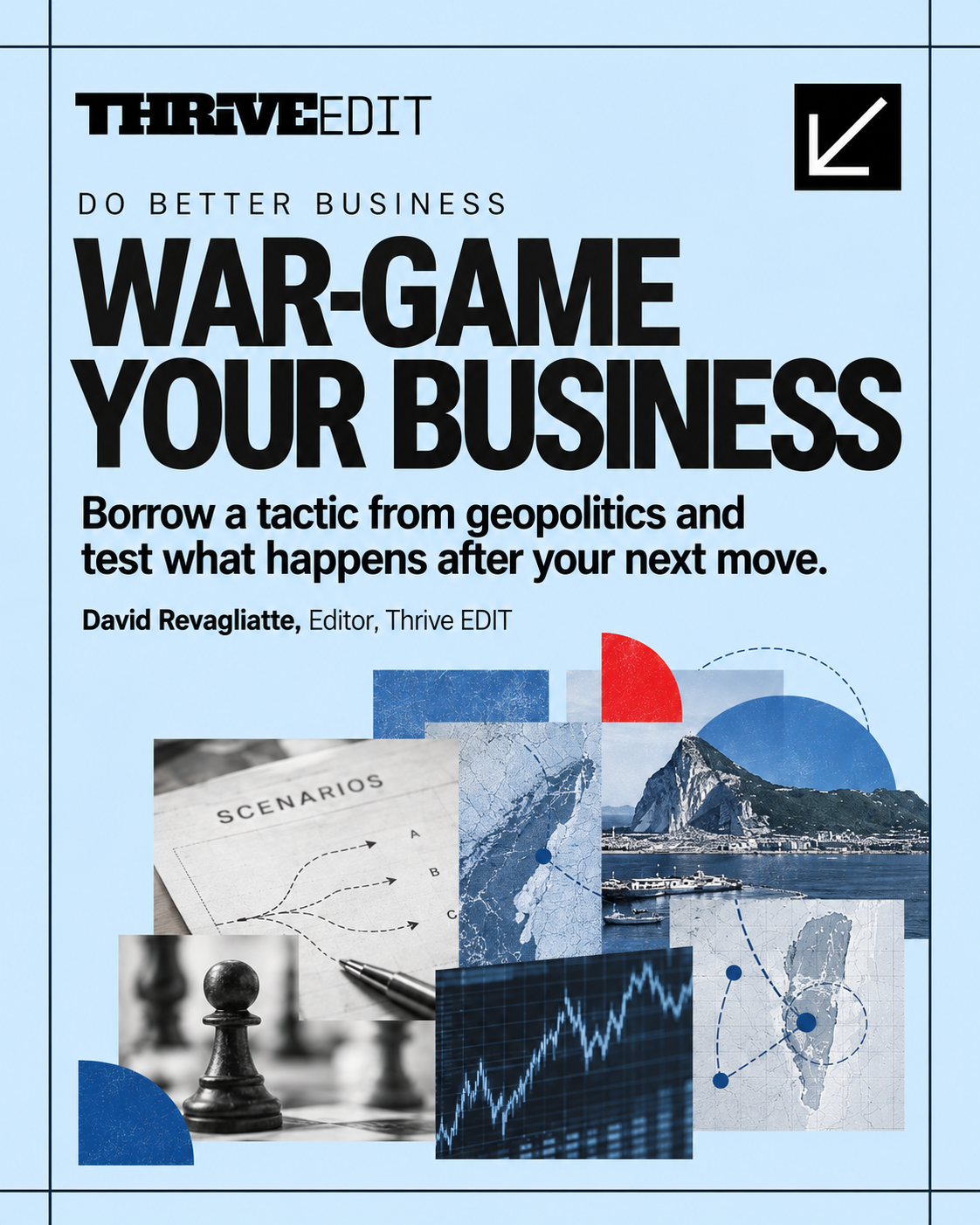

Governments and geopolitical strategists use simulations to test what might happen when other players react. The same thinking can help businesses challenge assumptions, anticipate competitors and prepare for decisions before real money is on the line.
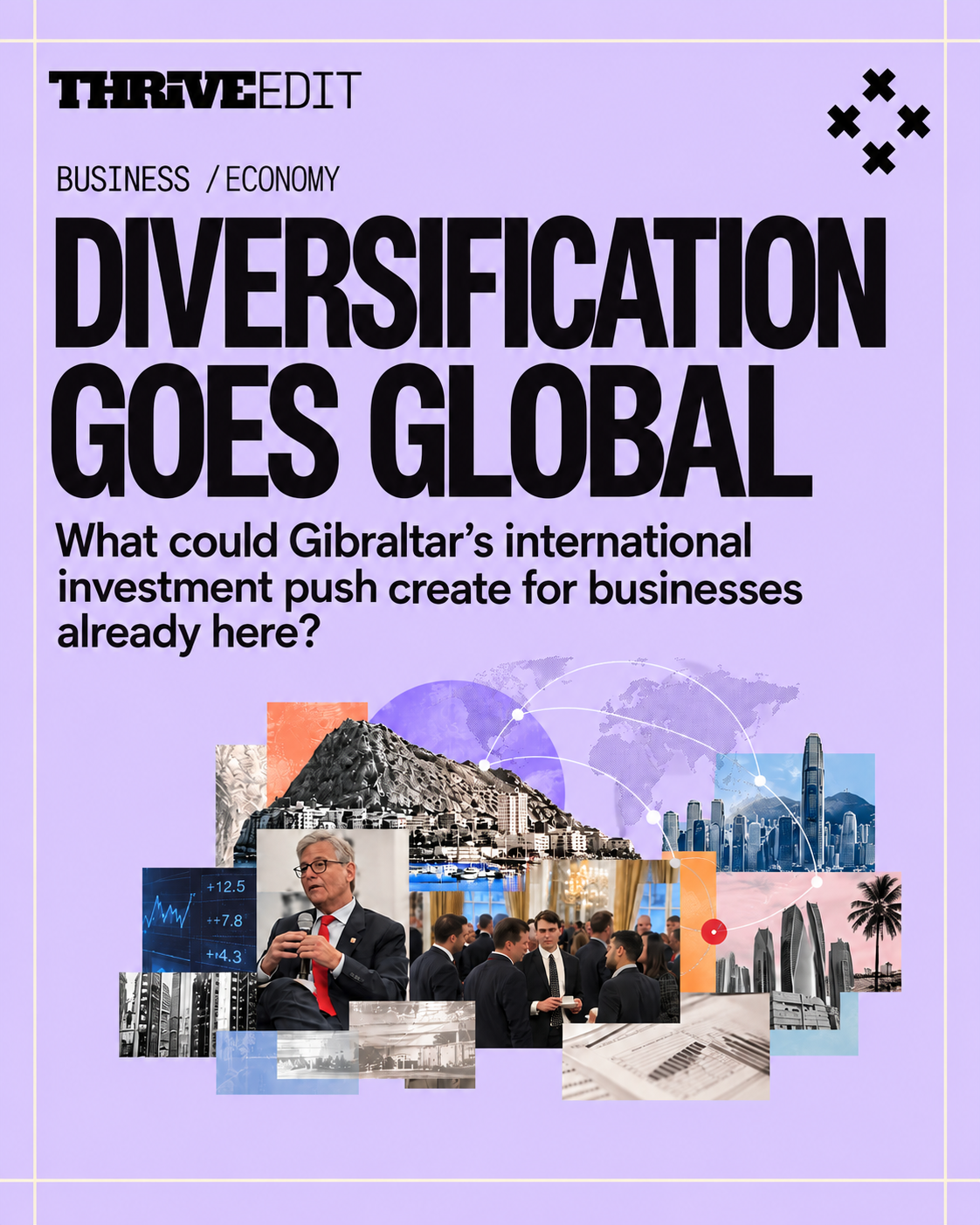
From Hong Kong to Abu Dhabi, Gibraltar is pursuing new industries and investors as part of a major economic diversification drive. Minister Nigel Feetham says the campaign is already generating business. The bigger question is how far those opportunities can spread through Gibraltar’s wider economy.
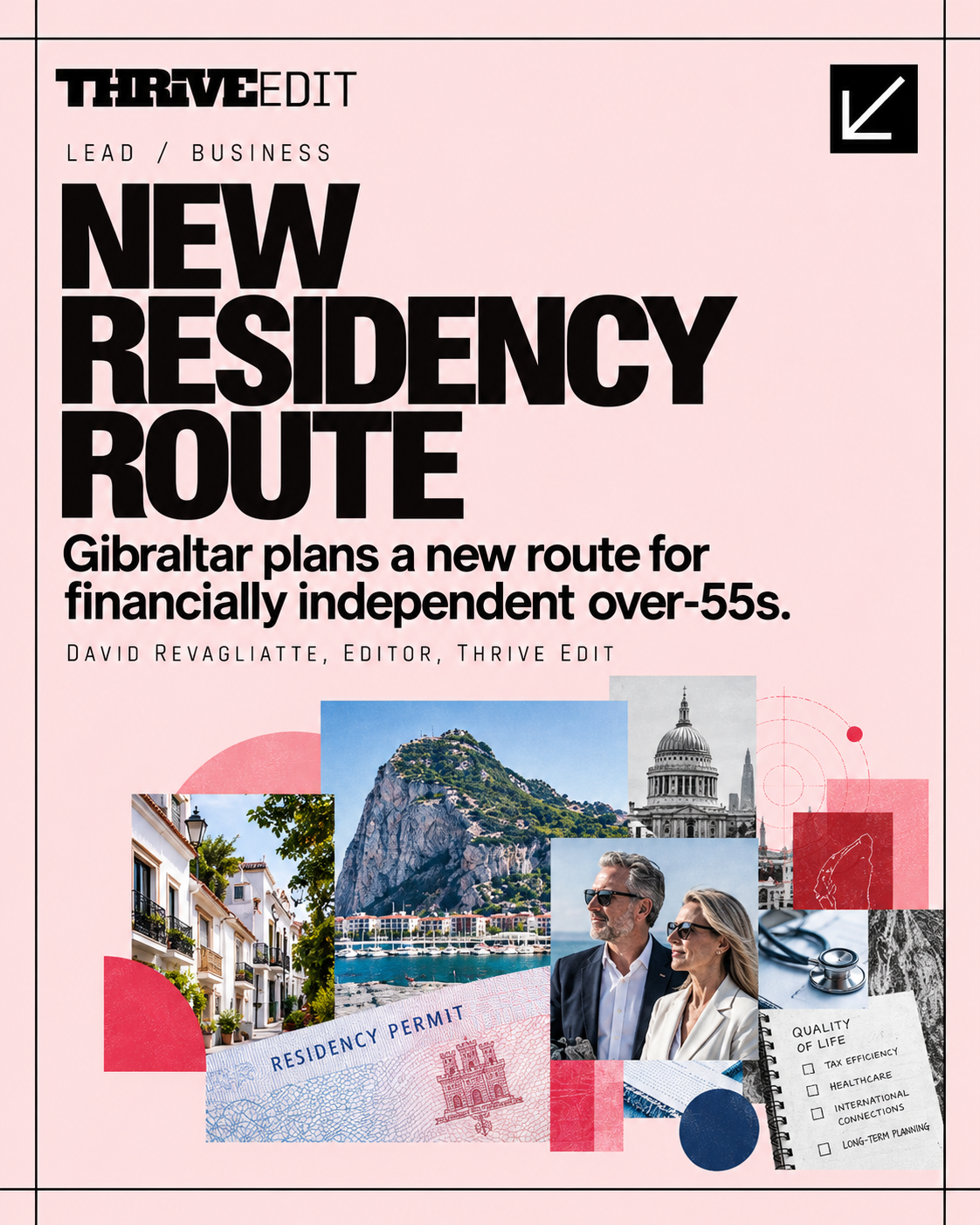
Gibraltar plans a new residency route for financially independent over-55s alongside a new business think tank announced at GibLink London.
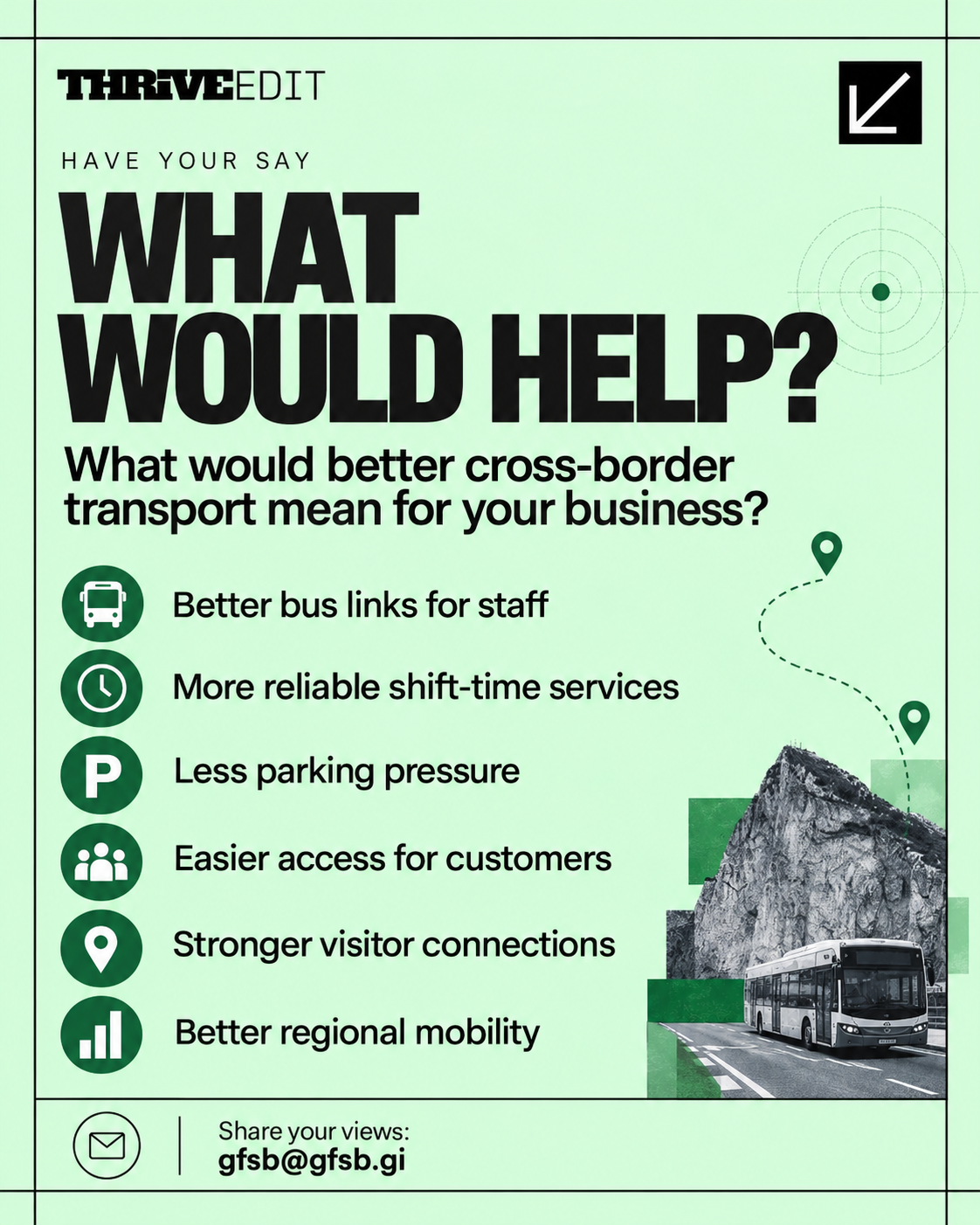
New frontier lanes and discussions around a cross-border transport interchange raise questions about buses, workers, visitors and business connectivity.
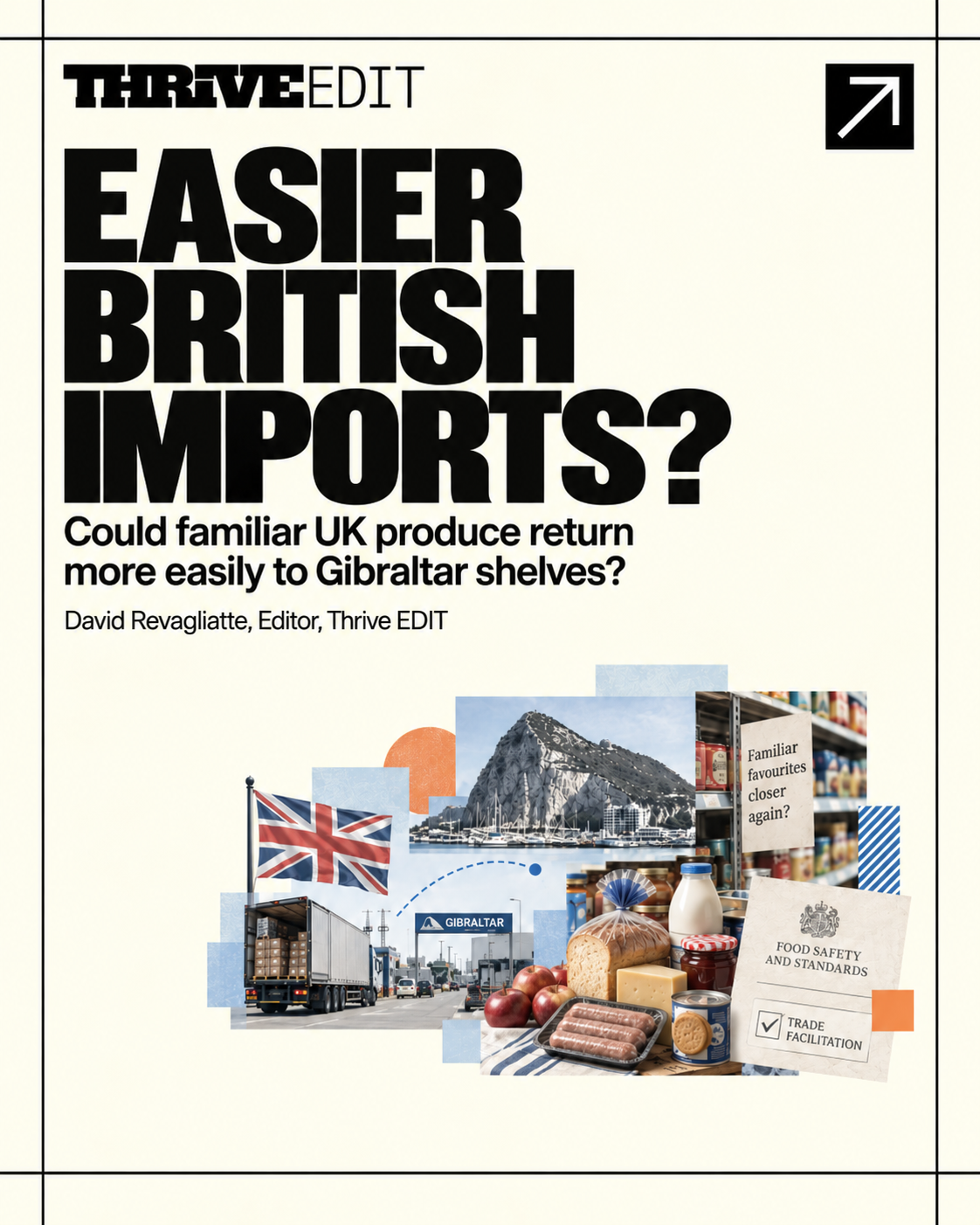
Could a future UK-EU food agreement make it easier for British produce to return to Gibraltar shelves? British produce has long been part of Gibraltar’s shopping experience; I wrote about it a couple of years ago, before we had a Treaty in place. From supermarket staples and fresh food to familiar household brands, we’ve spent […]