


 Gibraltar Federation of Small Businesses


 Gibraltar Federation of Small Businesses


A coalition of Gibraltar’s leading business organisations, including the GFSB, Chamber of Commerce and sector bodies, has written to the Chief Minister and Minister for Business following up on their February open letter on treaty readiness.
Its main message? The extra time ahead of the 15th July implementation is welcome, but what really matters now is how this time is being used.
Why this letter matters
The revised treaty timeline has created a window to prepare. Our view is that this window must now deliver practical outcomes, particularly for those most affected by the changes.
“The delayed implementation of the Treaty provides a very welcome, and much-needed opportunity to put in place measures to assist businesses.”
But the letter makes clear that two priorities remain unresolved.
Priority one: clear written guidance
The first ask is straightforward: clarity.
“The absence of definitive and accessible information continues to create uncertainty, making it difficult for businesses to plan, invest and comply.”
This reflects what many members have been saying in recent weeks. Engagement is underway, but practical written guidance remains limited.
Priority two: direct financial support
The second issue is more pressing: financial support.
The named business groups are calling for direct financial support, particularly for goods-based sectors facing immediate cost pressures.
“Without targeted financial assistance, there is a real risk to business continuity, employment and wider economic stability.”
While existing measures are acknowledged, the letter notes they do not include direct support comparable to schemes seen elsewhere in Europe.
What’s been welcomed
The letter recognises the support measures already announced, including:
These are seen as positive steps, but not the full solution.
Where more clarity is still needed
A significant part of the letter focuses on operational uncertainty, particularly around imports and compliance.
Key areas highlighted include:
“The ongoing issues surrounding EORI / NIF numbers must be resolved as a priority.”
So, now what?
The next meeting of the Business Transition Advisory Group (BTAG) is expected to focus on:
The intention is to move from broad discussion to more structured, practical solutions. The coming weeks will be important in determining whether that gap is closed. As always, the GFSB will update its members on any new developments, make sure you read our weekly Thrive EDIT newsletter and follow our socials.


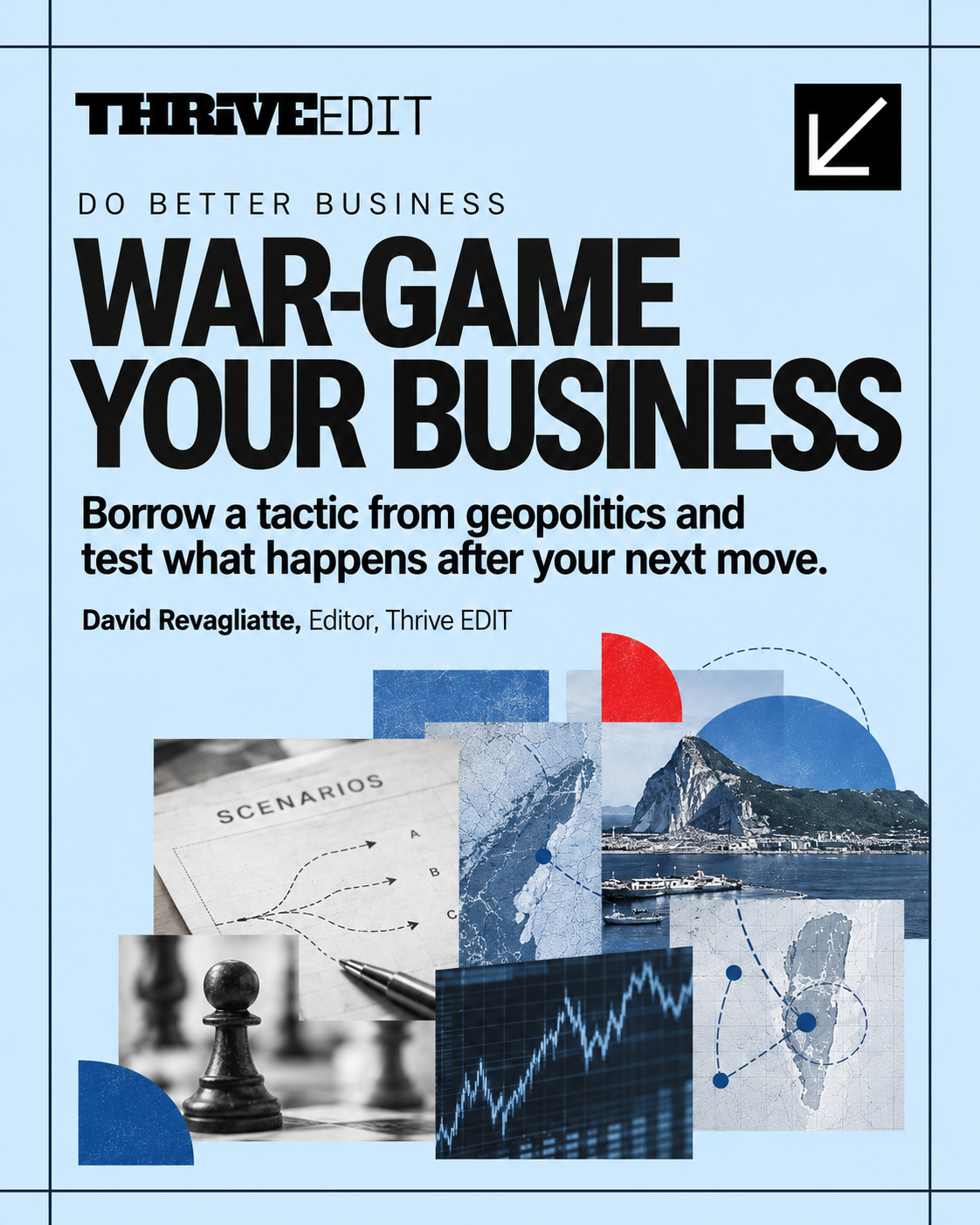

Governments and geopolitical strategists use simulations to test what might happen when other players react. The same thinking can help businesses challenge assumptions, anticipate competitors and prepare for decisions before real money is on the line.

From Hong Kong to Abu Dhabi, Gibraltar is pursuing new industries and investors as part of a major economic diversification drive. Minister Nigel Feetham says the campaign is already generating business. The bigger question is how far those opportunities can spread through Gibraltar’s wider economy.

Gibraltar plans a new residency route for financially independent over-55s alongside a new business think tank announced at GibLink London.

New frontier lanes and discussions around a cross-border transport interchange raise questions about buses, workers, visitors and business connectivity.
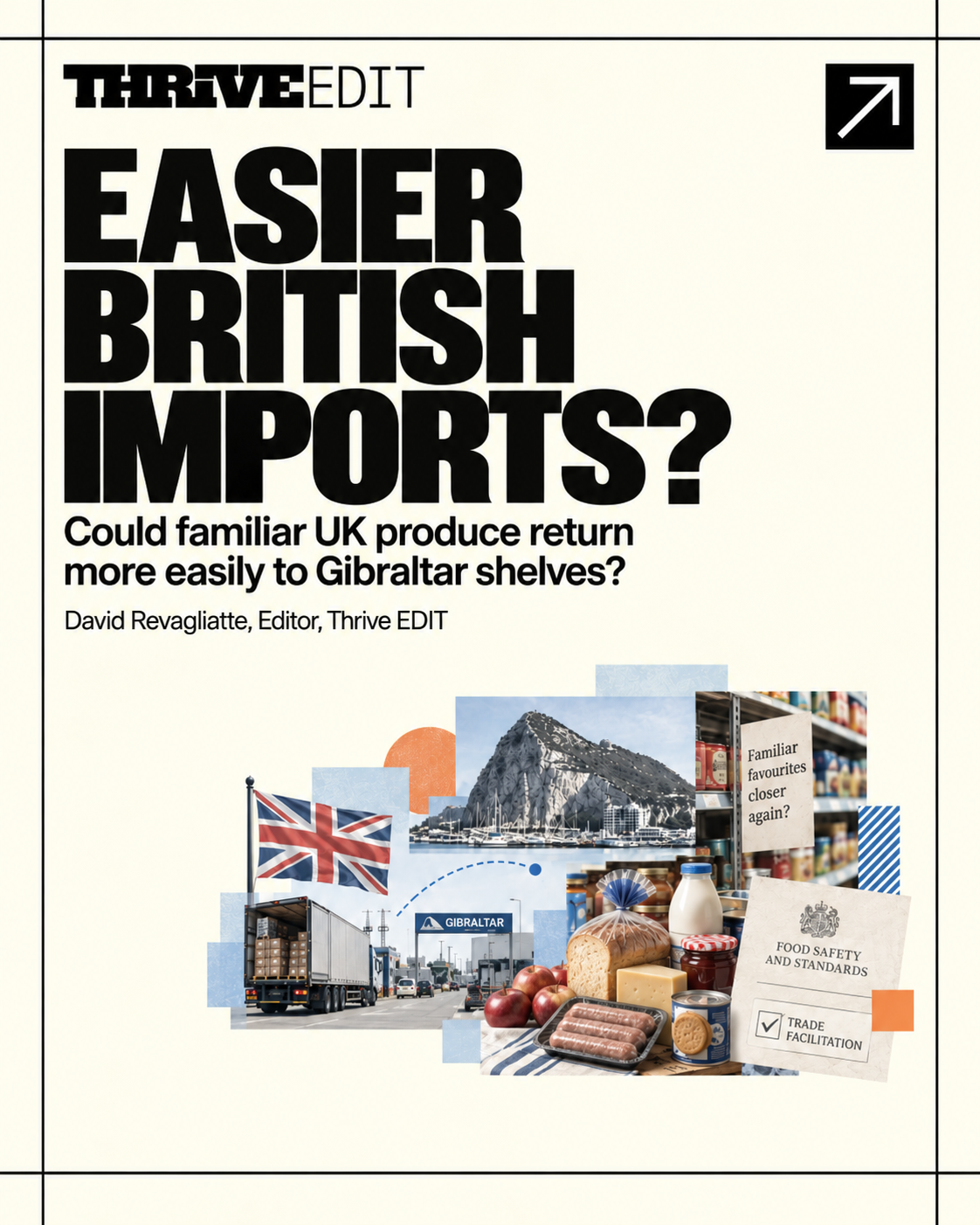
Could a future UK-EU food agreement make it easier for British produce to return to Gibraltar shelves? British produce has long been part of Gibraltar’s shopping experience; I wrote about it a couple of years ago, before we had a Treaty in place. From supermarket staples and fresh food to familiar household brands, we’ve spent […]