

 Gibraltar Federation of Small Businesses


 Gibraltar Federation of Small Businesses

More major changes to residency and Gibraltarian status have been announced without any consultation with the business community. The move comes just weeks after the Government “paused” residency applications, save those approved by CM discretion, before “clarifying” that those in Gibraltar’s economic interest would continue to be processed. Even though there has been considerable contact between the business community and Government on residency issues in the last few weeks, the move has taken many by surprise … again. Whilst the GFSB fully understands the need to ensure that new entrants to Gibraltar are a net positive, once again the mood music feels negative at a time when it should be positive
HM Government of Gibraltar has published the Gibraltarian Status and Immigration (Amendment) Bill 2025, introducing changes designed to “refine the criteria for residency and associated benefits” while tackling “systemic abuses”. No statistics or other information has been published by the Government to evidence the cited abuse. The press release refers to a “rapid influx of individuals over recent years” in respect of which the Government has published statistics, and does not cite an increase in applications since June 2025 (as previous press releases have).
The Bill, which came into effect on 30 October 2025, responds to “mounting pressure on Gibraltar’s institutions caused by a rapid influx of individuals in recent years.”
What’s changing:
If passed by Parliament, the new law will amend both the Gibraltarian Status Act and the Immigration, Asylum and Refugee Act, tightening who qualifies for Gibraltarian status and extending residency requirements. The Government have doubled the period of time required to acquire permanent residence from 5 years to 10 years.
According to the Government, “Only persons who share a deep and significant relationship with the Rock should be registered.” The existing rules, first written in 1962, have allowed individuals to claim Gibraltarian status “by descent without much qualification.”
The new Bill states that it aims to close loopholes, limiting applications mainly to people with at least one parent who is a registered Gibraltarian. As the statement explains, “Currently Gibraltarian status can be obtained by a person whose grandparent was merely entitled to registration… That means that the grandparent did not even have to have been a registered Gibraltarian for the status to flow to a grandchild.”
The Government says this will ensure that “persons being registered share a genuine and continuing connection with Gibraltar.”
Are you registered as a Gibraltarian? Are you sure? The somewhat obscure status is widely misunderstood with many people conflating red ID card status, and Gibraltarian status. The application of the status in the past has also been somewhat confused, with some families discovering that some children have been automatically added to the Register whilst others have not. It will also make it far harder for people moving to Gibraltar and calling it home to become Gibraltarian (or indeed it appears, for their children to become Gibraltarian).
Key provisions:
From the text of the Bill (B.21/25):
• Section 9(f) of the Gibraltarian Status Act is amended “for ‘ten’ substitute ‘twenty’,” doubling the required period of continuous residence from 10 to 20 years for applications made under ministerial discretion.
• Section 55N of the Immigration, Asylum and Refugee Act is amended to change “five years” to “ten years,” meaning that non-Gibraltarians seeking permanent residence must now live in Gibraltar twice as long before qualifying.
• These new rules do not apply to anyone covered by the UK–EU withdrawal agreements or citizens’ rights agreements.
The Bill also clarifies that a “child” means “a person who is under the age of 18,” closing another loophole that has allowed adult children to claim status through parents.
Why it matters:
The Government says the measure is a “proportionate and necessary step that will help secure Gibraltar’s institutions for Gibraltarians and for non-Gibraltarians who have made the Rock their place of business and their home.”
Officials argue the reforms will protect services and ensure fairness, particularly as Gibraltar adapts to post-treaty changes and continued population growth.
The takeaway:
The Bill marks one of the most significant updates to Gibraltar’s citizenship and residency laws in decades. It strengthens eligibility criteria, extends qualifying periods, and narrows the scope for automatic status by descent. The Government says the changes are about preserving integrity and sustainability, ensuring that Gibraltar’s residency system continues to reflect real ties to the community.
We want your views:
The GFSB would like to hear from members about how these proposed changes may affect business, recruitment or relocation. Please share your views by emailing gfsb@gfsb.gi or join the discussion on our community pages on GlueUp.





How can businesses tell whether workplace training actually works? Explore practical ways to connect learning, behaviour and measurable performance.
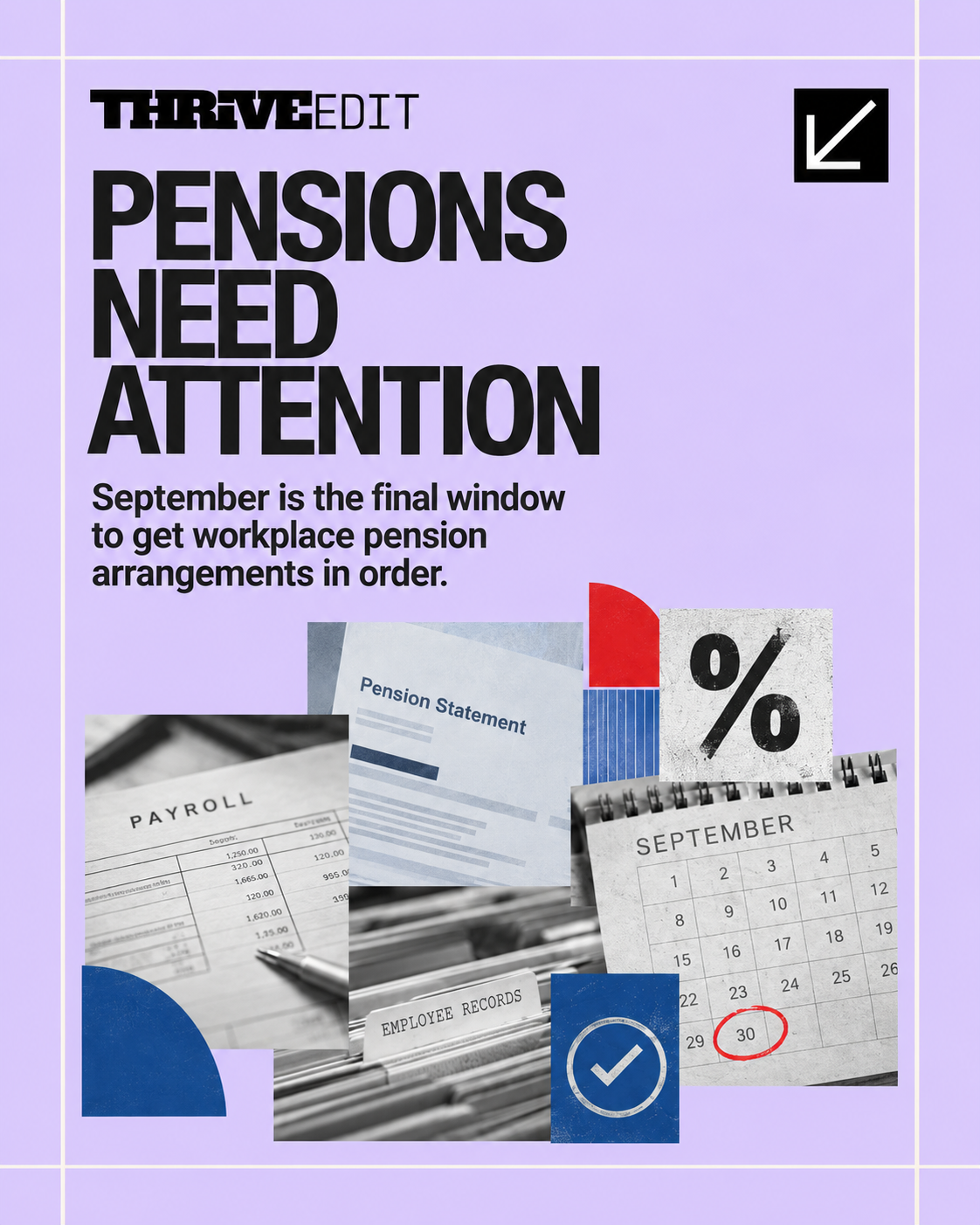
Employers with 15 to 50 staff are now inside the final workplace pension extension window. Check eligibility, contributions, opt-outs and compliance requirements.

Investment in automation, logistics, tourism and green technology across the Campo de Gibraltar is reshaping the regional skills base. Here’s what Gibraltar employers should watch.

Imported goods around the Treaty changeover? It is worth going back through July’s paperwork. HM Customs has introduced a refund process for qualifying consignments that had already started their journey to Gibraltar before 15 July but were cleared afterwards.

Clocked out in August? Good for you. Thrive EDIT Editor David Revagliatte rounds up the Gibraltar business stories worth clocking back into. August is supposed to be the month when Gibraltar collectively eases off the accelerator. Judging by the news cycle, nobody told 2026. The first full month of life under the new Treaty arrangements brought a mixture of early optimism and very real teething problems for businesses. New employment rules landed, a pensions deadline crept closer, one of Gibraltar's most important airlines changed hands and a major local bank announced job cuts.