
 Gibraltar Federation of Small Businesses


 Gibraltar Federation of Small Businesses

Behind the technical notices and tax rates, pricing is already under pressure. So, who will pay come April 10?
A recent headline about rising cocoa prices caught my eye.
Not because I eat vast quantities of chocolate (though I wouldn’t complain), but because I immediately wondered what that meant for the businesses behind the counter. When global commodity prices move sharply, it does not take long for that movement to reach smaller operators.
On a recent business trip to Manchester, I noticed something else. Supermarket shelves looked familiar, but the products felt lighter. Persil bottles are smaller. Custard Cream packs tighter. The price labels hadn’t moved much, but the contents clearly had. The UK has a word for it now: shrinkflation.
It made me think about pricing more broadly – especially given escalating conflicts around the world. How can businesses protect price points? What strategies can be deployed to mitigate price fluctuations? What, ultimately, drives consumer price rises?
Closer to home, another factor stares us in the face. The Treaty. The date of 10 April. The shift in how goods are taxed and imported. In many, many conversations, consumer pricing is the elephant in the room.
Chocolate today, tax tomorrow
Binky’s Kitchen has already been navigating rising costs long before the Treaty comes into force.
“Most of my shop was chocolate,” the owner says. “Pero ahora es imposible.” Cocoa prices have surged globally. But it is not just cocoa. “Butter to eggs. WOW, these have gone up.” Even paper bags have become a cost decision.
“We have been increasing very slowly over the past year,” she explains. “And have implemented things that I was hoping never to do, like charge for bags. I really hate having to do that, but prices in general are rising… and so this means some things are impossible to absorb.”
Her approach has been gradual. No big jumps. “I don’t do big raises and usually go one product at a time to allow for adjustment.” Some lines are now specials rather than staples. Experimentation is more cautious. “Plus, I refuse to scrimp on quality. I use more than a kilo of Belgian chocolate in the mix for a batch, so that can’t change.”
It is a careful balancing act. One that many small businesses will recognise. The difference now is that, beyond global commodity pressures, a structural change is underway.
What changes on 10 April
From 10 April, Gibraltar’s current import duties will cease. In their place come the Transaction Tax and revised Excise Duties.
The standard Transaction Tax will begin at 15% and rise to 17% by year three. The tax will be applied when goods are imported for sale on the Gibraltar market. The calculation will include the customs value plus transport, insurance and other incidental costs. It is not just a simple percentage on the invoice price.
Certain categories will remain zero-rated, including foodstuffs, water, pharmaceuticals and books. A 5% rate will apply to some goods, such as children’s clothing and bicycles. Tobacco, alcohol and fuel will be subject to excise, though fuel remains exempt for the first three years.
The mechanics are starting to emerge. Commercially, it means recalculating margins.
“We cannot absorb rising costs anymore”
A GFSB member operating in the wholesale and retail supply sector describes the situation as layered rather than sudden.
“we will have to start moving as much as we can to Spanish suppliers but this has its issues as I get better prices from my main big UK wholesaler than them and I have a digital catalogue on my website that is theirs that clients use to order stationery items we don’t stock – same with our office furniture catalogue which is UK supplier also digital catalogue on our website”
For this business, the challenge is not simply where goods are sourced. Their systems are integrated with UK suppliers. Clients are accustomed to digital catalogues embedded on their website. Shifting supply chains involves both technical and commercial changes.
Origin adds another dimension. “There are some items made in the UK, but the vast majority are made in China, which will incur an extra tariff!” Even goods routed through the UK may originate elsewhere, potentially subjecting them to additional tariff layers under the new regime.
Then there are products tailored specifically to the British market.
“Many items we buy from the UK are for the British market and not available in the EU” Replacing those lines is not always straightforward. Absorbing further cost increases, they say, is no longer viable.
“We cannot absorb rising costs anymore, as we have been doing this since Covid, and then in August we will be hit by another min wage increase, which means upping all staff wages by the applicable increment. We are struggling to survive as it is.” They also highlight exposure through credit accounts.
“The other danger we have as a business is that we have a large amount of credit out, as we have hundreds of client credit accounts, so when other businesses start to fail, we will get the knock-on effect too.”
When asked about opportunity, their response is cautious. “To be honest, for my business, I see little benefit or positivity in the treaty implementation.” Adding: “There is a feeling of impending doom amongst every business owner I have spoken to. If businesses start to fold, there will be a lot of unemployment too.”
It is a stark way of putting it, and perhaps reflects the fatigue of several difficult years layered on top of each other. For goods-heavy operators, particularly those tied closely to UK supply chains, the coming change feels significant. Whether that mood settles into something more measured will depend on how the first months play out in practice.
A different perspective from services
The picture looks slightly different in the hair and beauty sector. “We are primarily in the service industry,” one business owner explains. “There will be an increase in the cost of products we use, but it will be minimal.”
Most of their stock is purchased locally, with a small percentage directly from the UK. If those UK items remain zero-rated, the move from import duty to Transaction Tax “should be acceptable.” Retail products may feel more pressure. “Mainly retail sales products, which only make up a small percentage of our overall income.”
When it comes to pricing, the increase per client can be small. “If I give the example of one tube of colour being able to service 4 clients, the actual cost increase per client will be small and we will absorb it initially.”
As always, pricing will be reviewed annually and adjusted if necessary. Their biggest concern is uncertainty.
“Lack of clarity, the changes will affect some businesses more than others, some will need to pivot, and some will no longer be viable.”
So, will prices rise?
When I asked a prominent Main Street retailer whether prices would increase after 10 April, they didn’t hesitate. It would not be realistic, they said, to expect higher costs not to reach customers. Some traders have already begun adjusting quietly.
They likened it to the introduction of the euro in Spain. The policy details were technical. The lived experience was simpler. People felt things were more expensive.
They were clear that the first few months could be uncomfortable. Margins will be tested. Competition with Spain and online retailers will intensify. But they were also pragmatic. The Treaty, in their view, was necessary. Diversification into other sectors may soften the impact. Established businesses, they said, will adapt. They always do.
There was one remark that stayed with me. Gibraltar’s fabric may change, they suggested, because higher costs inevitably reshape who can operate and who can afford to stay. And that is perhaps the bigger question.
If prices rise locally, even modestly, and more of us choose to spend across the frontier or online, what does that mean for the businesses on our own streets? The reality of small economies is simple. The less money we spend in Gibraltar, the less it circulates in Gibraltar. Retail supports wholesalers. Wholesalers support distributors. Distributors support jobs. It is all connected.
None of this means panic.
On balance, the reality we face might be less theatrical than some fear, but more complex than some hope.
Those operating in the food and beverage sector, like Binky’s Kitchen, may adjust a recipe. A wholesaler may very likely need to rethink a supply chain. A salon may absorb a few pounds here and there for a while. A retailer will very likely need to rethink its product lines and/or raise prices.
But the Treaty challenges are not just about tax mechanics. They are about how we price, compete, and spend. Back in Manchester, I noticed the chocolate bars were smaller but still there. The shelves were still full. Life had adjusted around the numbers.
The Treaty does not exist in isolation. It arrives after years of inflation, wage pressure and supply chain volatility. For some sectors, the additional tax layer will be manageable. For others, particularly goods-heavy importers, it will bite harder.
The question is not whether or not prices move. It is how quickly, how unevenly, and how transparently.
For those shopping in Gibraltar, it looks like we will end up paying more here and there. For businesses, it means recalculating, reviewing and, in some cases, reinventing.
The way I see it is this: The elephant in the room is not price rises themselves. It is how we adjust and how we are supported through that transition.
Thank you to those who have shared their thoughts and concerns with me anonymously for this article. I appreciate the sensitivity around this topic and your contribution to this issue.




Customers now discover businesses through Google, Maps, AI answers and assistants. Learn how to track search visibility and build a practical baseline.
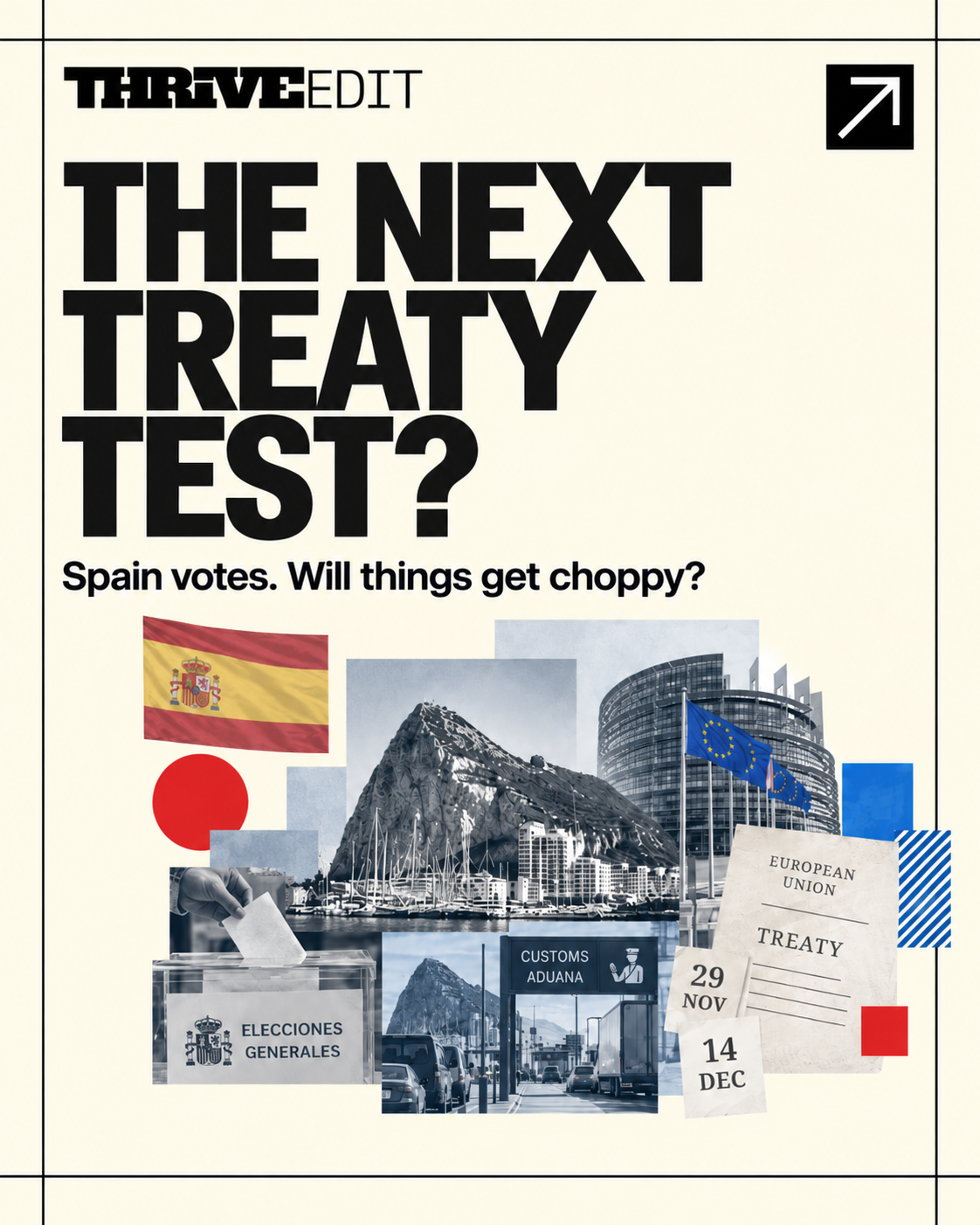
Spain’s snap election lands just weeks before the Gibraltar Treaty reaches its final European ratification stage. With the new arrangements already operating, attention is turning to whether today’s positive cooperation can withstand a change of government in Madrid.
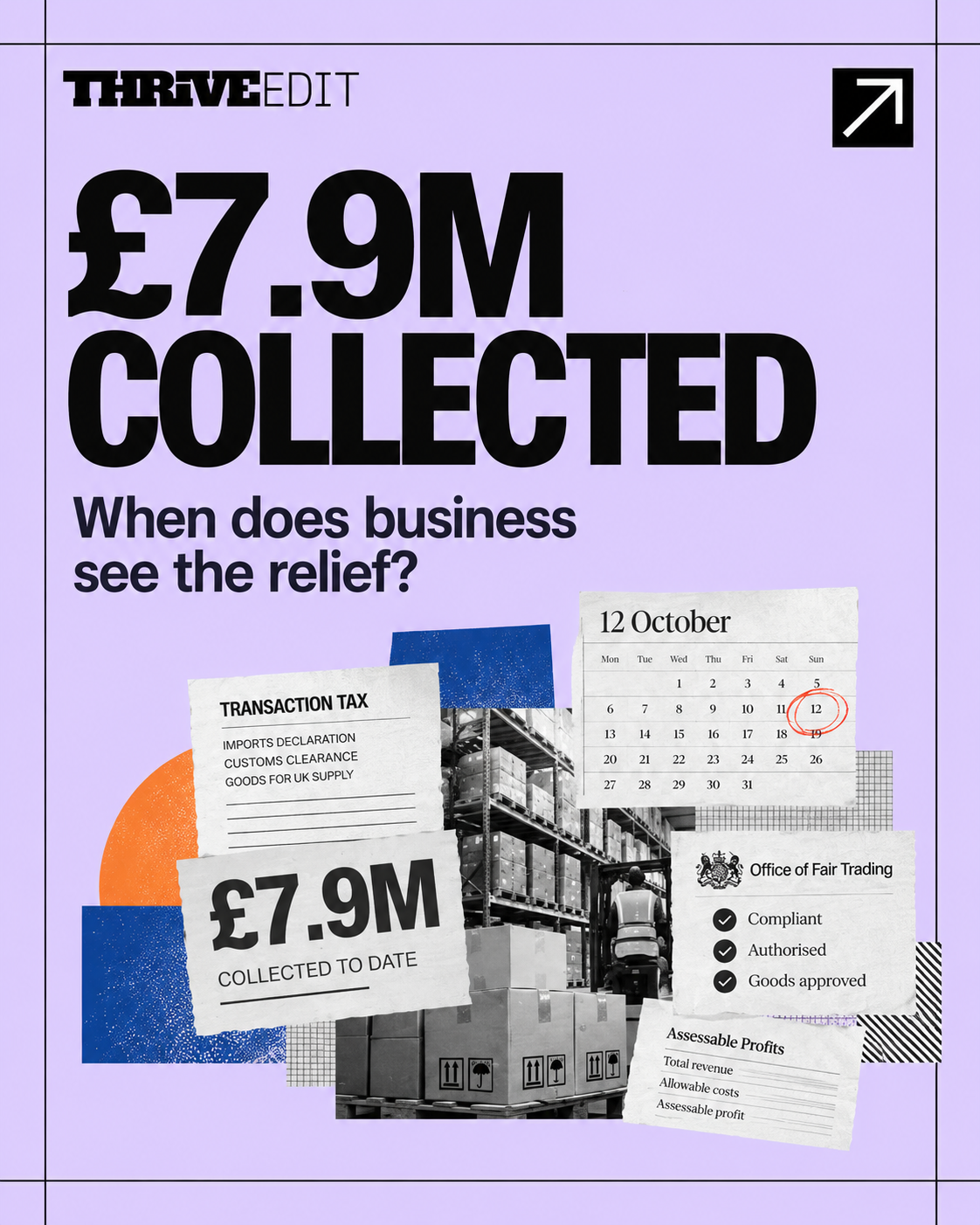
Nearly £8 million in Transaction Tax has been levied since 15 July. With the first 90-day support period ending on 12 October, qualifying businesses are now looking for clarity on how much relief they can access and when they will feel the benefit.
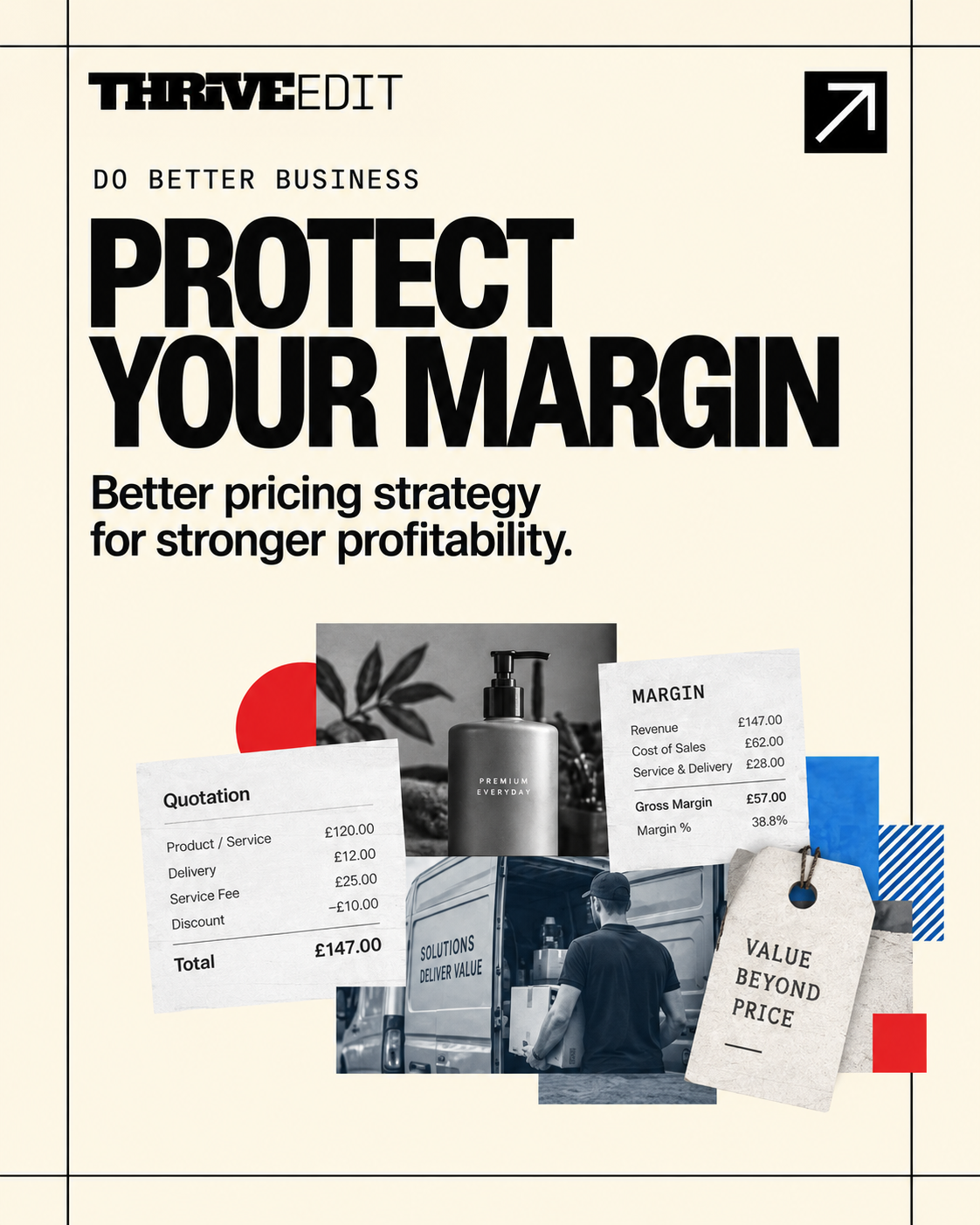
This week’s Do Better Business looks at cost-to-serve, price architecture and how businesses can make sure their pricing reflects the value and complexity built into what they actually deliver.

The frontier is easier to cross, Alcaidesa Marina’s €15m commercial development is taking shape and retailers are adapting to new import costs and changing customer habits. Drawing on recent conversations with Main Street businesses and our interview with Gemma Arias-Vasquez and Louis Montegriffo, we look at where Gibraltar retail goes next.