

 Gibraltar Federation of Small Businesses


 Gibraltar Federation of Small Businesses

As post Brexit negotiations continue, we’ve heard lots about transaction vs sales tax – but what do you think ? Do you have a preference ?
While Gibraltar has ruled out introducing VAT, the Government has referenced a transaction tax and more recently a sales tax as forming part of the negotiations that may lead to an agreement with the EU. They would each have different impacts on businesses and consumers.
We know that a a central tenet of the Customs Union is the removal of trade barriers between member states by, amongst other things, attempting to harmonise VAT rates across the EU. Does this mean a transaction or sales tax could be set in accordance with EU levels? The EU mandates a minimum VAT rate of 15%, but there is no maximum. How might that impact your business ?
Sales Tax: A Consumer Cost?
If the sales tax was implemented in a similar manner to some other jurisdictions, the USA for example, it would be added at the point of sale, meaning businesses would charge customers a set percentage on goods sold in Gibraltar ( services do not come within the scope the negotiations with the EU and would not form part of an agreement with the EU). This could mean:
Transaction Tax: A Business Cost?
A transaction tax has been explained as applying when importing goods from the EU into Gibraltar on a wholesale basis thus adding a charge at the point of entry into Gibraltar. This could:
What’s Next?
Negotiations continue and as yet it is not clear what sort of charges on goods entering Gibraltar might form part of an agreement – but businesses must think about prepare for potential changes.
What do you think? The GFSB is gathering views from members on how these tax options could impact business. Join the conversation in the GFSB Community feature in the Glue Up membership platform.


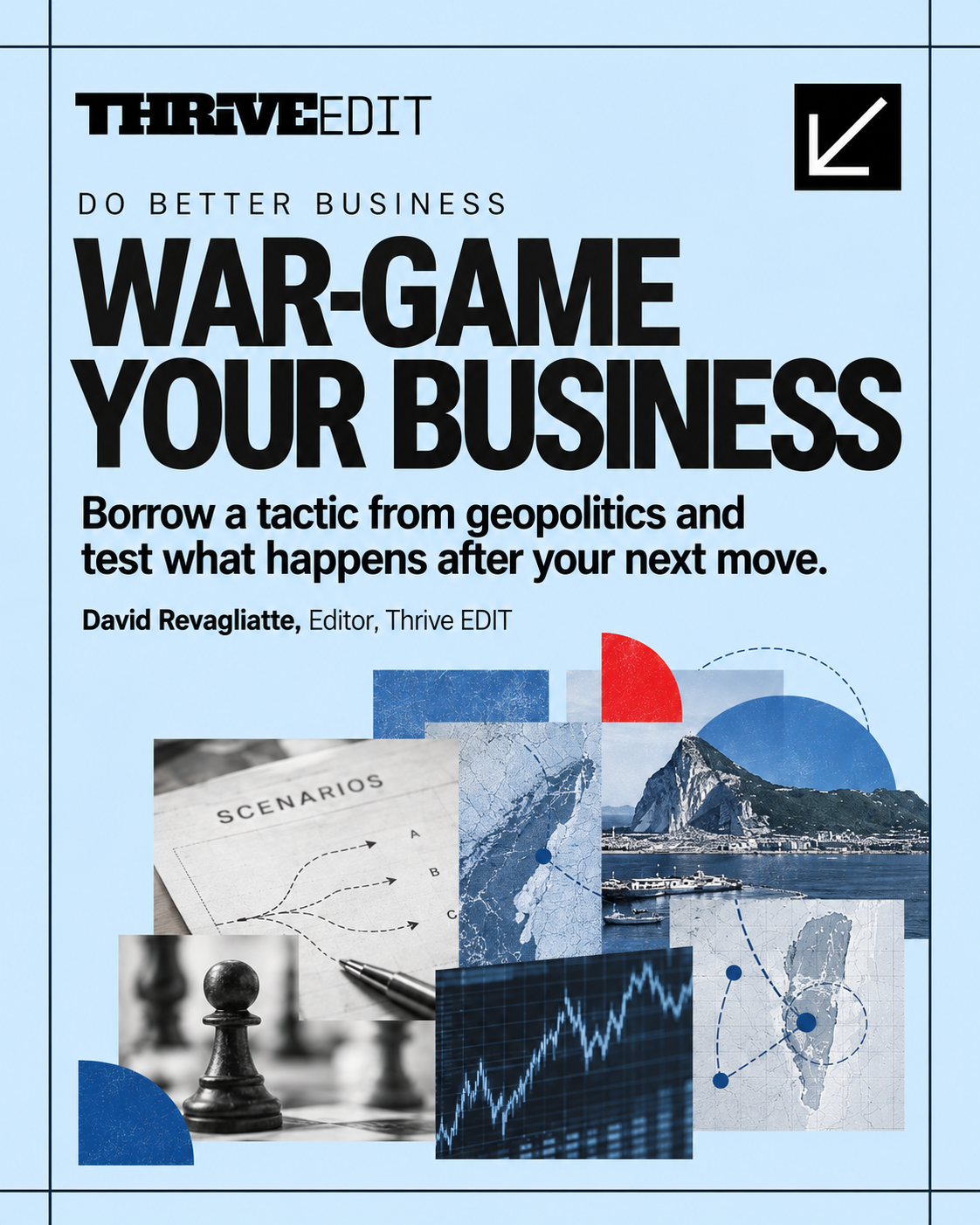

Governments and geopolitical strategists use simulations to test what might happen when other players react. The same thinking can help businesses challenge assumptions, anticipate competitors and prepare for decisions before real money is on the line.
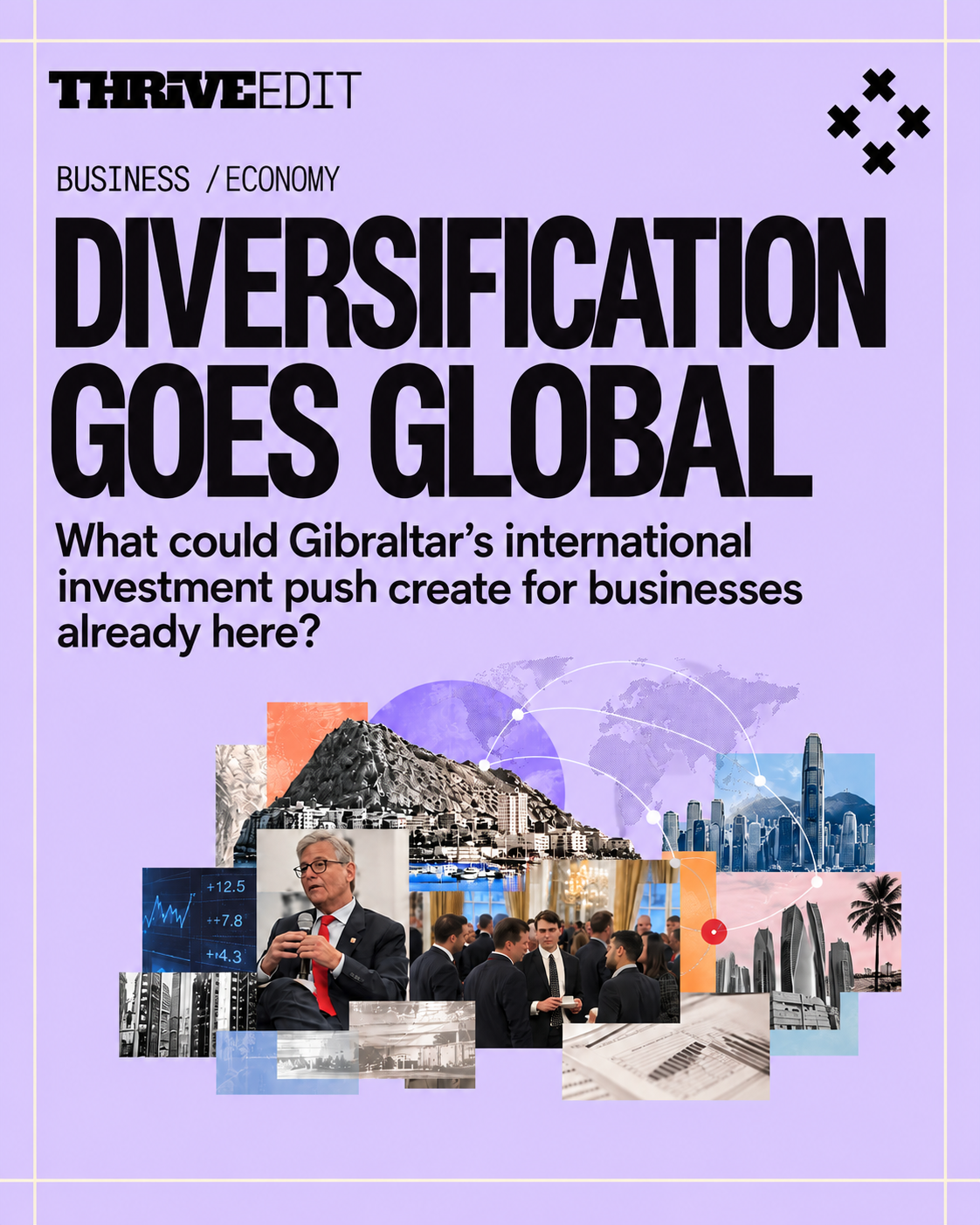
From Hong Kong to Abu Dhabi, Gibraltar is pursuing new industries and investors as part of a major economic diversification drive. Minister Nigel Feetham says the campaign is already generating business. The bigger question is how far those opportunities can spread through Gibraltar’s wider economy.

Gibraltar plans a new residency route for financially independent over-55s alongside a new business think tank announced at GibLink London.
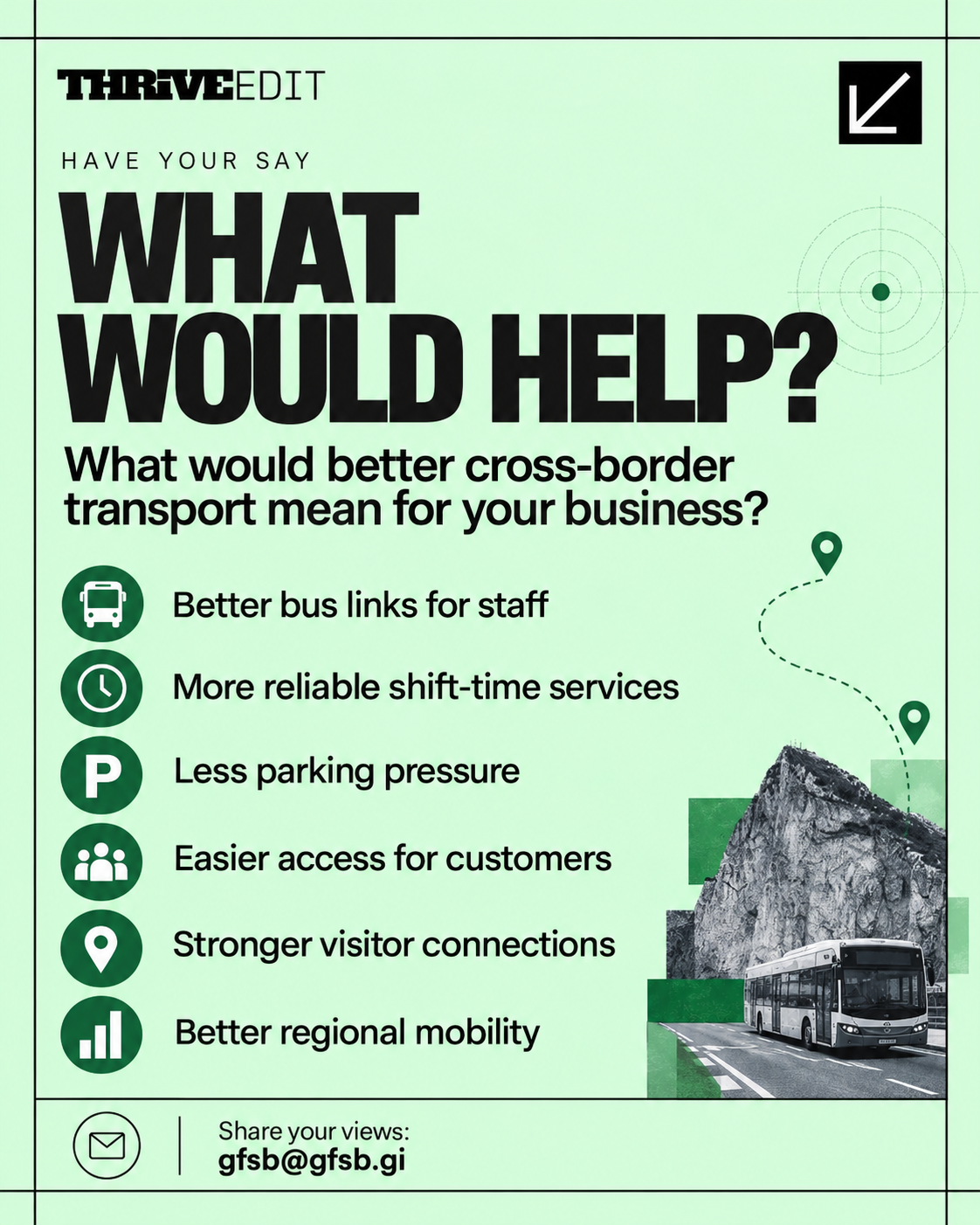
New frontier lanes and discussions around a cross-border transport interchange raise questions about buses, workers, visitors and business connectivity.
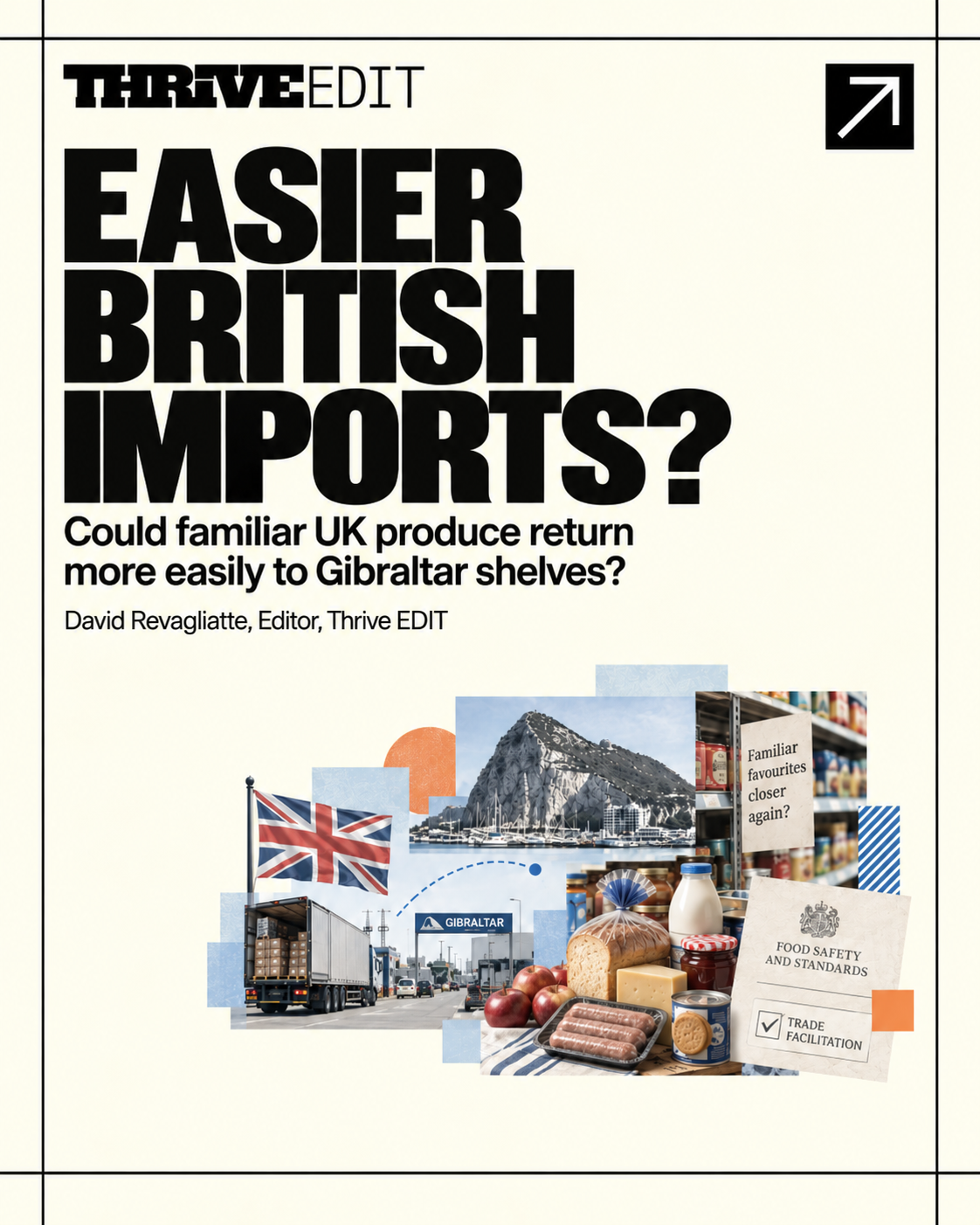
Could a future UK-EU food agreement make it easier for British produce to return to Gibraltar shelves? British produce has long been part of Gibraltar’s shopping experience; I wrote about it a couple of years ago, before we had a Treaty in place. From supermarket staples and fresh food to familiar household brands, we’ve spent […]