

 Gibraltar Federation of Small Businesses


 Gibraltar Federation of Small Businesses

The Gibraltar Government has amended the Nature Protection Act 1991, raising fees for access to the Upper Rock Nature Reserve. The changes, announced via Legal Notice No. 208 of 2024 in the Gibraltar Gazette, took effect on 15th November 2024. The move has sparked concerns among businesses in the tourism sector due to its immediate implementation and lack of consultation.
Why does this matter?
The Upper Rock is a cornerstone of Gibraltar’s tourism sector. Fee increases—some as high as 39%—impact ticket prices for independent visitors and daily tours. Accordingly businesses that rely on this sort of visitor may be impacted. The change has left local businesses scrambling to adapt without warning, raising concerns about operational disruptions during the current season and the possibility of raising prices. Tour operators typically agree prices months in advance. Those companies & operators that benefit from concession tickets are understood to be unaffected by price rises as yet, with negotiations understood to be ongoing.
What’s changed?
– General admission fees increase from £18.00 to £25.00.
– Reduced-rate tickets rise from £12.00 to £17.00.
– Similar rises apply across other categories.
What’s the reaction?
Tourism operators: Many have criticised the lack of consultation, saying they were surprised by the new fees and warning that pre-arranged contracts with external operators may result in financial losses.
Government reaction: The GFSB wrote to the Minister yesterday to raise its concerns about the manner in which these changes have been implemented. Minister Cortes responded swiftly and clarified that the recent fee changes apply only to independent travellers and not to operators so should not affect GFSB members. He added that operators were given advance notice by him in person and highlighted upcoming National Park improvements that will benefit both residents and tourists.
What now?
We’ll have to see if these changes affect Gibraltar’s competitiveness as a tourist destination. Still, the sudden implementation leaves many having to roll out the changes overnight and, in some cases, having to renegotiate with third parties. Stakeholders are calling for a more collaborative approach to future policy changes.
Thrive Edit also understands that the Tourist tax might also be in line for a price increase in the coming weeks.
What’s your take on the rise?
Share your views via the GFSB Glue Up Community section or write to us directly at tourism@gfsb.gi




Governments and geopolitical strategists use simulations to test what might happen when other players react. The same thinking can help businesses challenge assumptions, anticipate competitors and prepare for decisions before real money is on the line.

From Hong Kong to Abu Dhabi, Gibraltar is pursuing new industries and investors as part of a major economic diversification drive. Minister Nigel Feetham says the campaign is already generating business. The bigger question is how far those opportunities can spread through Gibraltar’s wider economy.
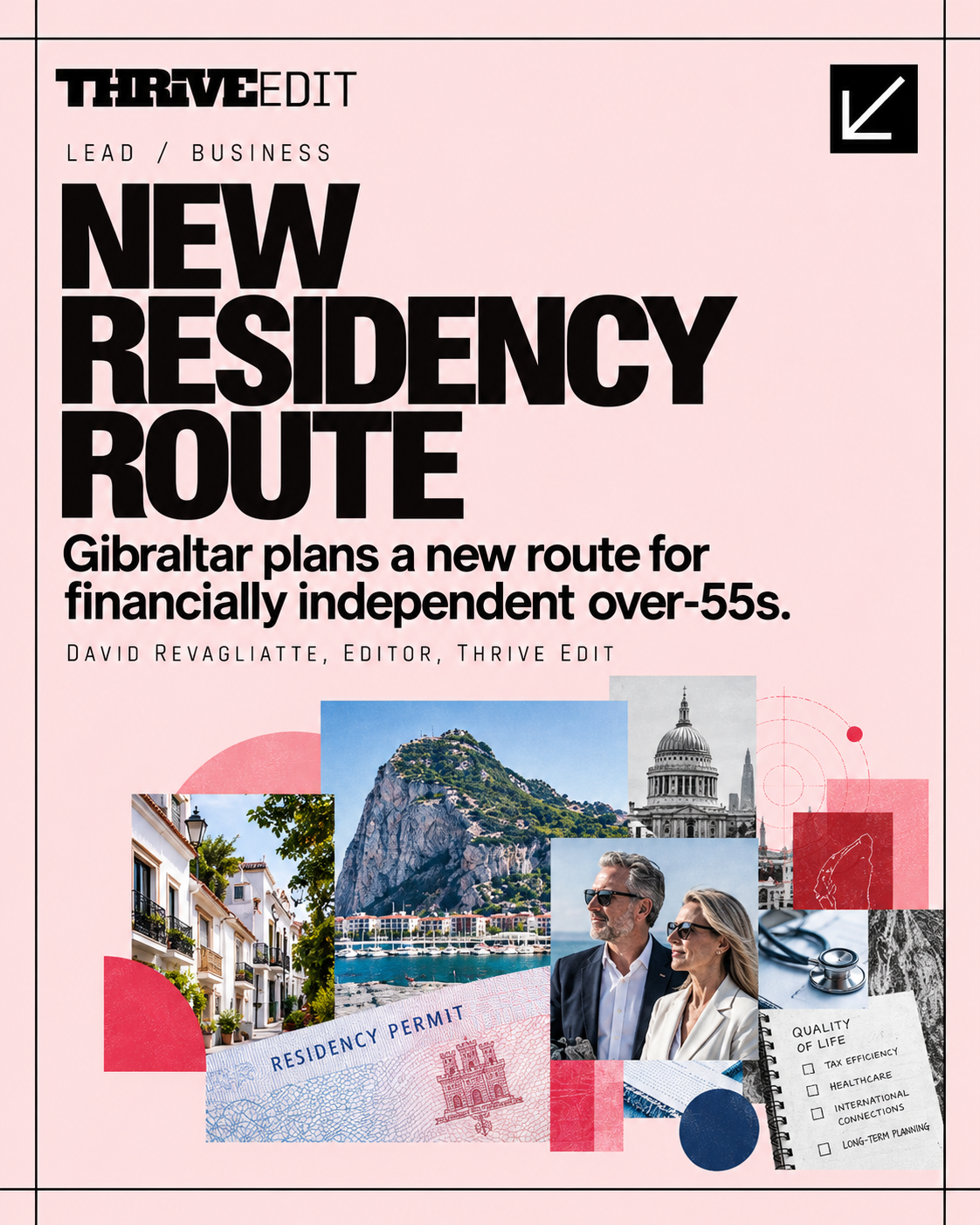
Gibraltar plans a new residency route for financially independent over-55s alongside a new business think tank announced at GibLink London.

New frontier lanes and discussions around a cross-border transport interchange raise questions about buses, workers, visitors and business connectivity.
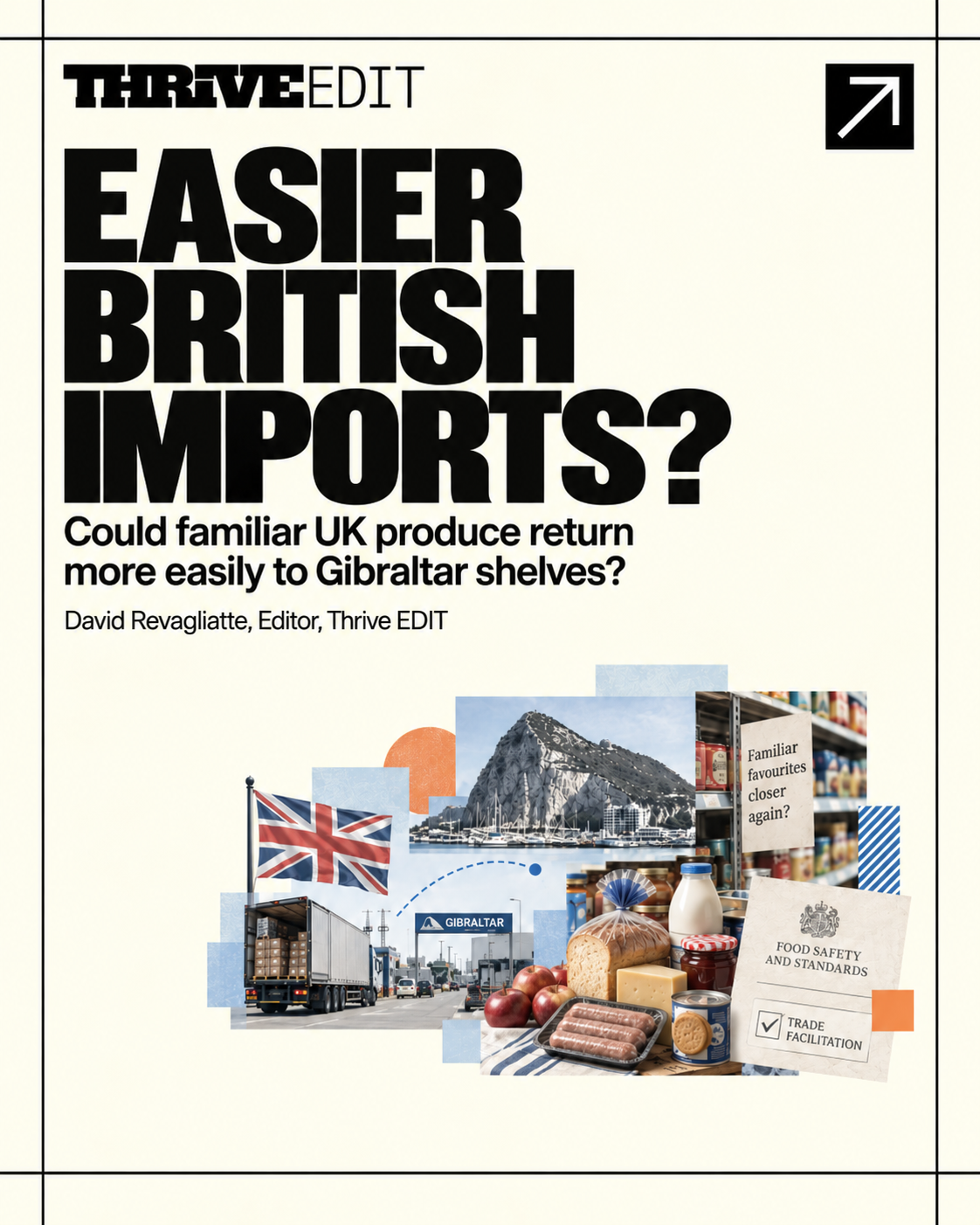
Could a future UK-EU food agreement make it easier for British produce to return to Gibraltar shelves? British produce has long been part of Gibraltar’s shopping experience; I wrote about it a couple of years ago, before we had a Treaty in place. From supermarket staples and fresh food to familiar household brands, we’ve spent […]