

 Gibraltar Federation of Small Businesses


 Gibraltar Federation of Small Businesses

Tourism policy is entering a decisive phase, with big ambitions set against some unresolved practical questions. In an interview with the Gibraltar Chronicle, Tourism Minister the Hon. Christian Santos outlined plans centred on access, infrastructure and events. For businesses, the key issue is not intent, but whether these plans will translate into sustained demand on the ground.
At the heart of the GFSB’s thinking is a simple test. How do we get visitors here, move them around once they arrive, and keep them here long enough to spend.
Access and capacity
The Minister confirmed that cruise bookings are running at record levels, with around 30 more calls than any previous year. He again highlighted the need for a new cruise terminal to allow Gibraltar to accommodate larger vessels that currently bypass the Rock.
“What we’ve got booked this year is quite a lot higher than we’ve had in history,” he said, adding that improved infrastructure would allow Gibraltar to welcome ships it currently cannot handle.
That ambition is widely supported, but members will note that the cruise terminal was a manifesto commitment in October 2023. More than two years on, there has been no visible progress. With cruise numbers rising and the existing Cable Car now closed, questions remain about how visitor capacity is being replaced or expanded in the short term.
If more people arrive at once, how are they moved efficiently around the city? What alternatives are planned? Where are the timelines?
Aviation was also presented as a major opportunity, particularly following the political agreement on the UK EU treaty. The Minister said the aim is to expand flights into Europe once the framework allows.
“We are now working very hard to expand into the EU because now we’ll be able to access that,” he said, pointing to the potential of improved border flow.
For our members, this raises a familiar concern. At present, the majority of passengers arriving by air continue straight into Spain. There is no clear reason yet to believe new routes would automatically change that behaviour. Getting people here is only one part of the equation. Keeping them here requires joined-up planning across accommodation, transport, attractions and pricing.
Tourism and culture
A theme of the interview was the alignment of tourism and culture. The Minister argued they should be planned together, with events increasingly designed to appeal to visitors as well as residents.
“With culture and tourism, I’m a strong believer that we need to look at both of them at the same time,” he said.
This thinking underpins plans to grow flagship events such as Calentita, Summer Nights and the Festival of Lights, alongside closer collaboration with cruise operators on cultural experiences.
For some members, this creates opportunity, particularly in hospitality, food and retail. For others, it raises questions about concentration. Event-led footfall can be intense but short-lived, and uneven distribution risks leaving parts of the economy exposed between peaks.
Confidence and delivery
The Minister cited strong headline metrics from recent tourism campaigns, including increased reach, engagement and website traffic, as well as positive feedback from the hotel sector.
“You know that something’s working, so we’re just going to continue doing what we do,” he said.
Those indicators are encouraging, but businesses will be looking for more granular, current stats and answers. Are visitors staying longer? Are they spending more? Are benefits flowing beyond a narrow set of sectors?
What this means for members
From the GFSB’s perspective, the interview reflects momentum and optimism, which is welcome. But it also highlights the gap between aspiration and delivery at a time when the Brexit treaty implementation is just one year away.
Improved infrastructure was referenced repeatedly, but without specific timelines or projects beyond the cruise terminal ambition. Ports of entry, internal transport capacity, and visitor flow management remain open questions. So does the strategy for ensuring that increased arrivals translate into longer stays and deeper economic impact.
Tourism is being positioned as a major growth driver. Whether it delivers for businesses will depend on how clearly the “get them here, move them around, keep them here” challenge is addressed in practice.
Over to you
How do you see these tourism plans affecting your business over the next 12 to 24 months? Are you optimistic, cautious, or waiting to see clearer evidence of impact? Share your views with the GFSB so we can continue reflecting member experience in the wider discussion.


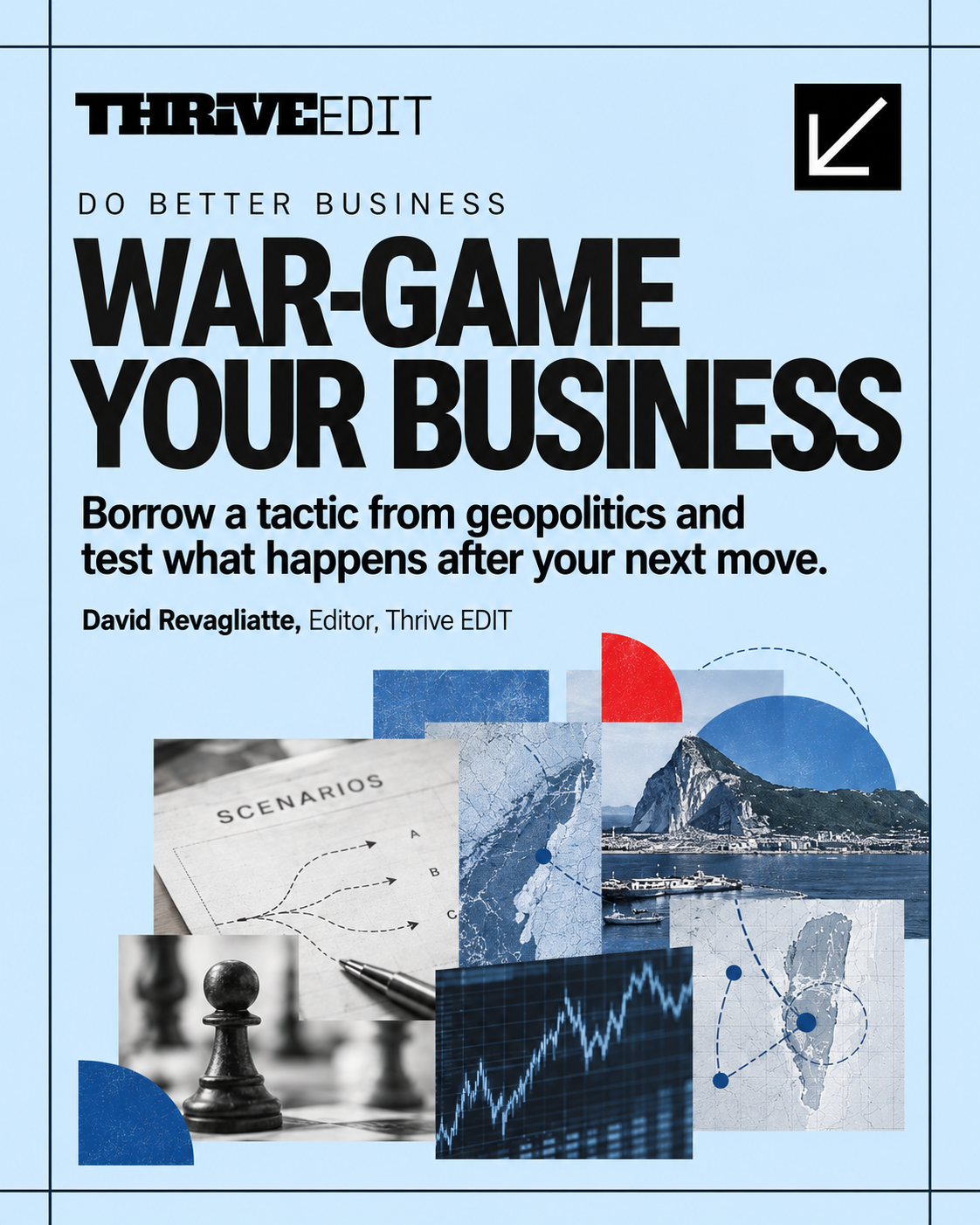

Governments and geopolitical strategists use simulations to test what might happen when other players react. The same thinking can help businesses challenge assumptions, anticipate competitors and prepare for decisions before real money is on the line.
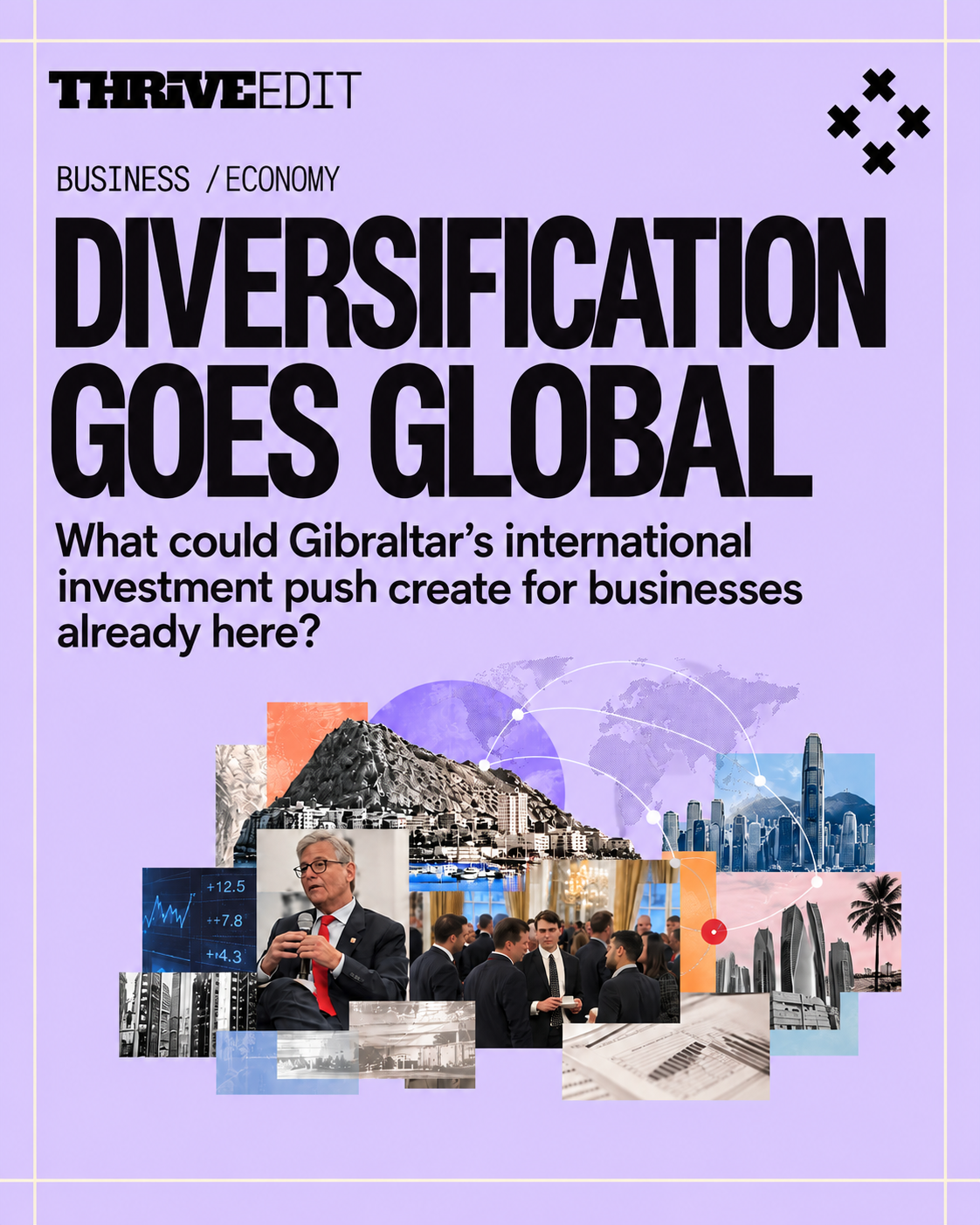
From Hong Kong to Abu Dhabi, Gibraltar is pursuing new industries and investors as part of a major economic diversification drive. Minister Nigel Feetham says the campaign is already generating business. The bigger question is how far those opportunities can spread through Gibraltar’s wider economy.
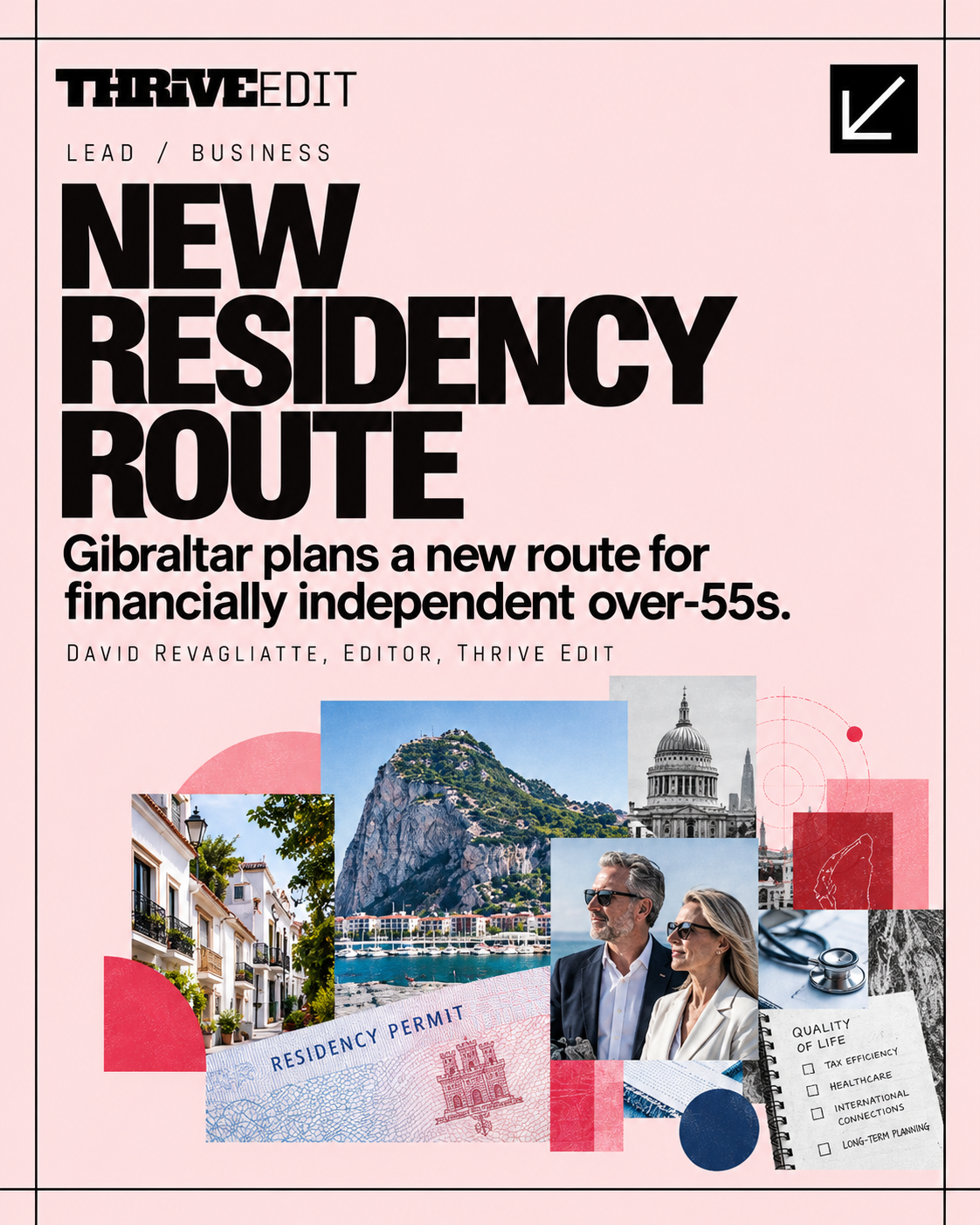
Gibraltar plans a new residency route for financially independent over-55s alongside a new business think tank announced at GibLink London.
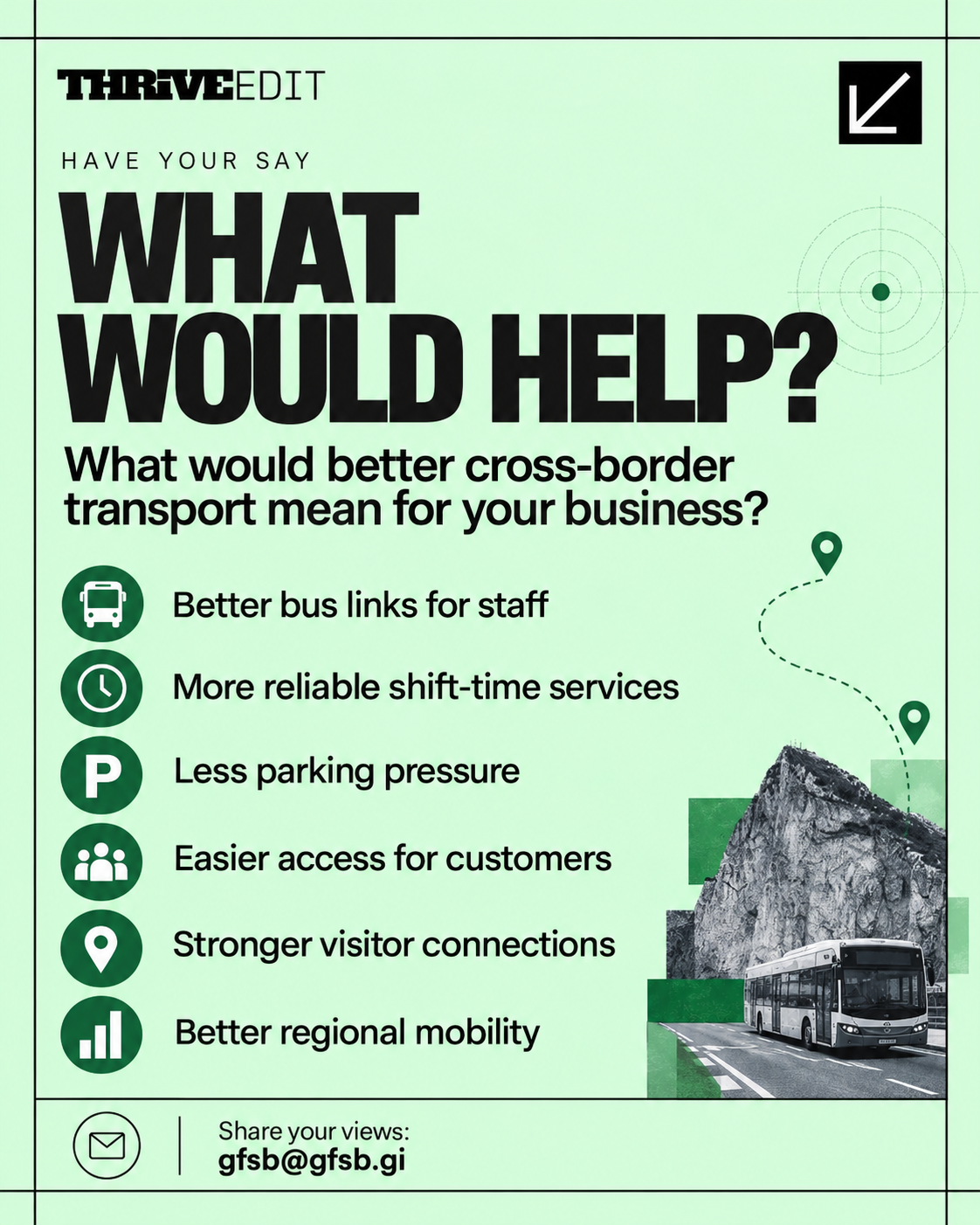
New frontier lanes and discussions around a cross-border transport interchange raise questions about buses, workers, visitors and business connectivity.
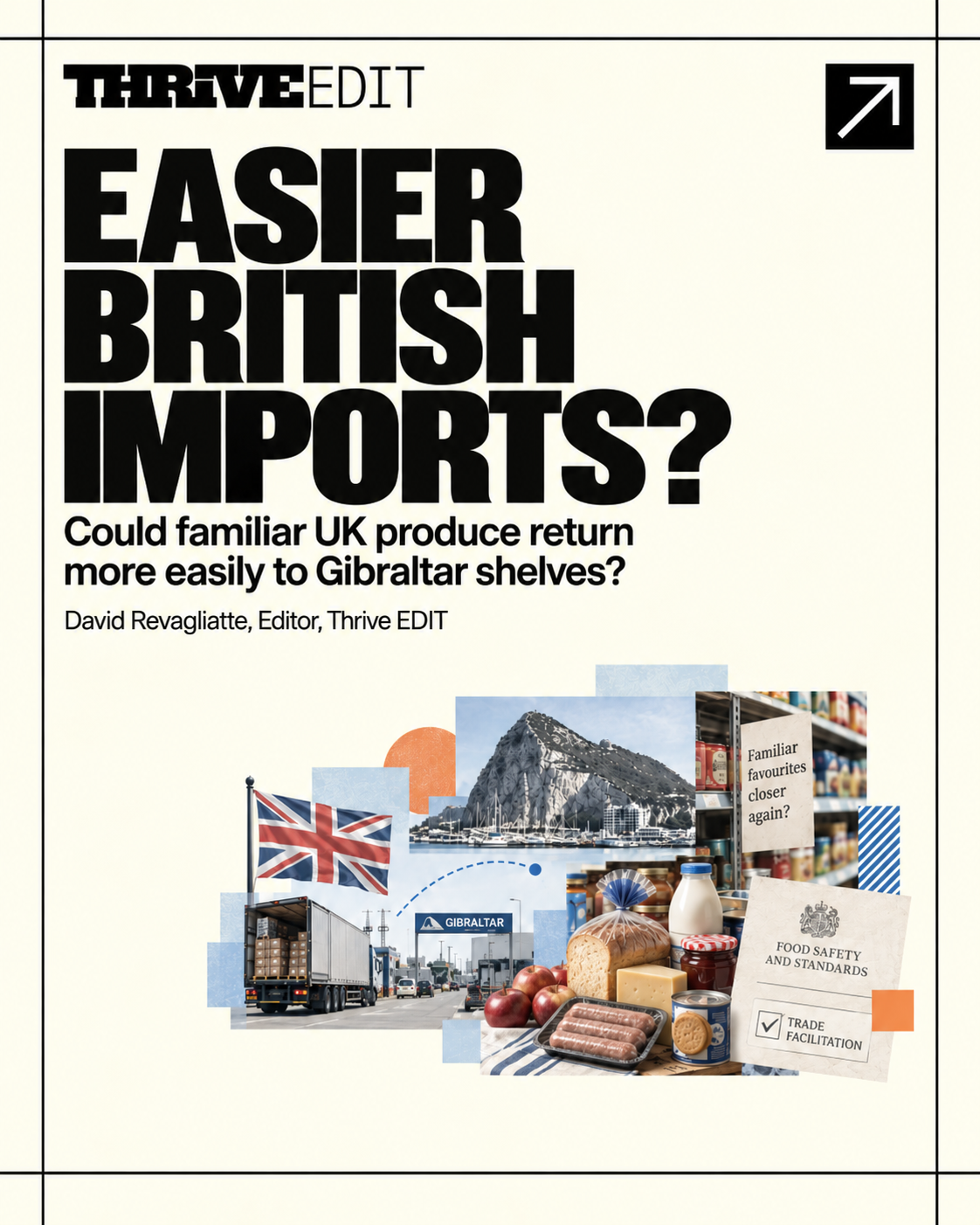
Could a future UK-EU food agreement make it easier for British produce to return to Gibraltar shelves? British produce has long been part of Gibraltar’s shopping experience; I wrote about it a couple of years ago, before we had a Treaty in place. From supermarket staples and fresh food to familiar household brands, we’ve spent […]