

 Gibraltar Federation of Small Businesses


 Gibraltar Federation of Small Businesses

The GFSB is a member of CEA-PME, Europe’s largest SME confederation, giving us direct insight into EU policy shifts that influence business environments across the continent.
The latest CEA-PME newsletter shares updates on digital regulation, AML, workforce skills and economic security. For Gibraltar firms trading with or servicing EU markets, these developments are useful signposts for what may be coming next. Full newsletter.
Digital Transformations
A series of EU consultations are now open on digital transformation, AI, regulatory simplification and defence supply chains. These consultations do not apply directly to Gibraltar, but they influence frameworks our EU partners follow. For businesses operating cross-border, or those preparing for post-treaty alignment, they offer an early view of the EU’s regulatory direction, particularly in digital compliance and data-driven sectors.
AML High-Risk List Updated
The EU has revised its list of high-risk third-country jurisdictions for anti-money laundering.
New additions: Bolivia and the British Virgin Islands.
Removed: Burkina Faso, Mali, Mozambique, Nigeria, South Africa and Tanzania.
Why it matters locally:
EU Financial Markets Integration Package
The Commission has announced plans to further integrate EU capital markets.
For Gibraltar-based financial services firms, this may eventually shape competitiveness, equivalence considerations and the commercial environment in which EU-facing products are offered.
EU Skills Guarantee
The EU is launching a large-scale reskilling initiative aimed at workers transitioning into strategic sectors.
It is not binding on Gibraltar, but it reflects an important trend: European employers are preparing for rapid digitalisation, AI adoption and sectoral restructuring. Local businesses may find parallels as we consider our own skills pipeline.
Bioeconomic Strategy for Green Growth
The EU’s new Bioeconomy Strategy promotes funding and innovation for greener production methods.
While not directly applicable here, it highlights opportunities for Gibraltar firms collaborating with EU partners or competing for international tenders where sustainability credentials are increasingly expected.
Economic Security Strategy
The Commission has outlined a strategic approach to strengthen Europe’s economic security, focusing on supply chain resilience, critical technologies and risk mitigation.
This is relevant background for local firms managing EU-linked supply chains or considering investment in AI, fintech or digital infrastructure.
Anti-Corruption Framework
The Council and Parliament have agreed a strengthened anti-corruption law.
Though EU-level, the shift reinforces a global expectation of stronger compliance cultures, something already familiar to Gibraltar’s regulated sectors.
Read Update in Full
Full update: https://mailchi.mp/98a2fe2073f6/cea-pme-newsletter-10th-edition-10985066?e=cf79159f46
If any of these topics affect your business, or you would like the GFSB to raise them at CEA-PME level, get in touch.


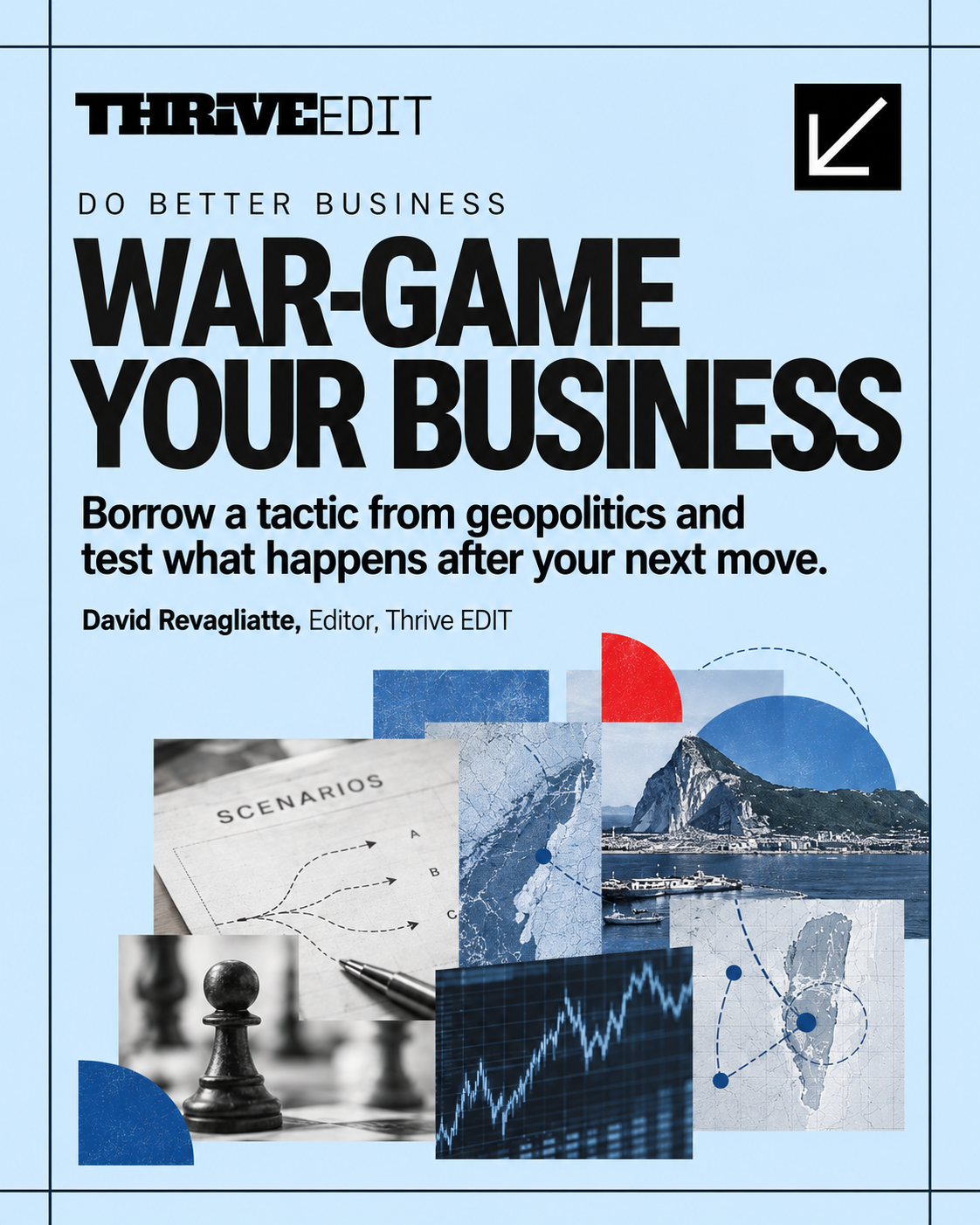

Governments and geopolitical strategists use simulations to test what might happen when other players react. The same thinking can help businesses challenge assumptions, anticipate competitors and prepare for decisions before real money is on the line.
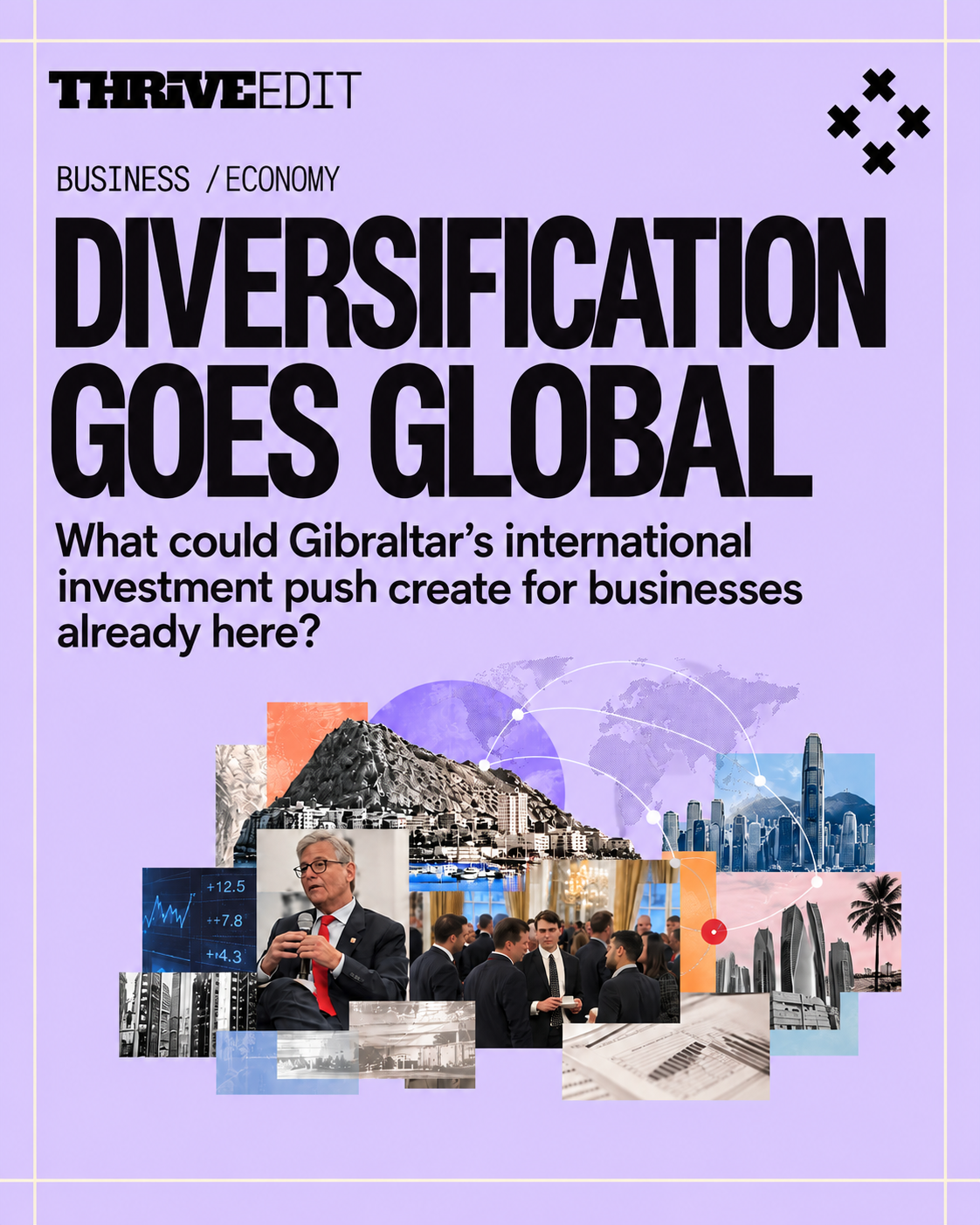
From Hong Kong to Abu Dhabi, Gibraltar is pursuing new industries and investors as part of a major economic diversification drive. Minister Nigel Feetham says the campaign is already generating business. The bigger question is how far those opportunities can spread through Gibraltar’s wider economy.
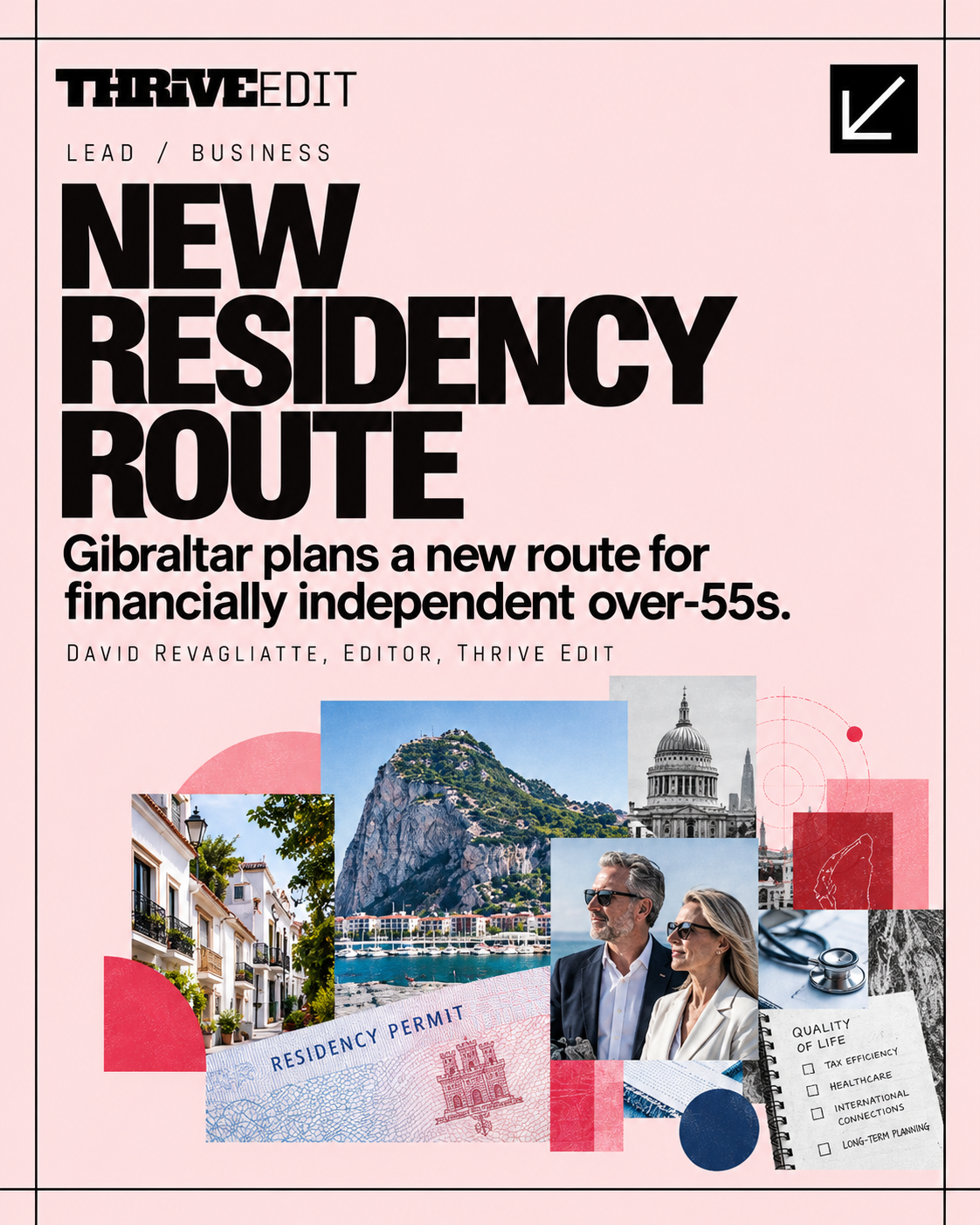
Gibraltar plans a new residency route for financially independent over-55s alongside a new business think tank announced at GibLink London.
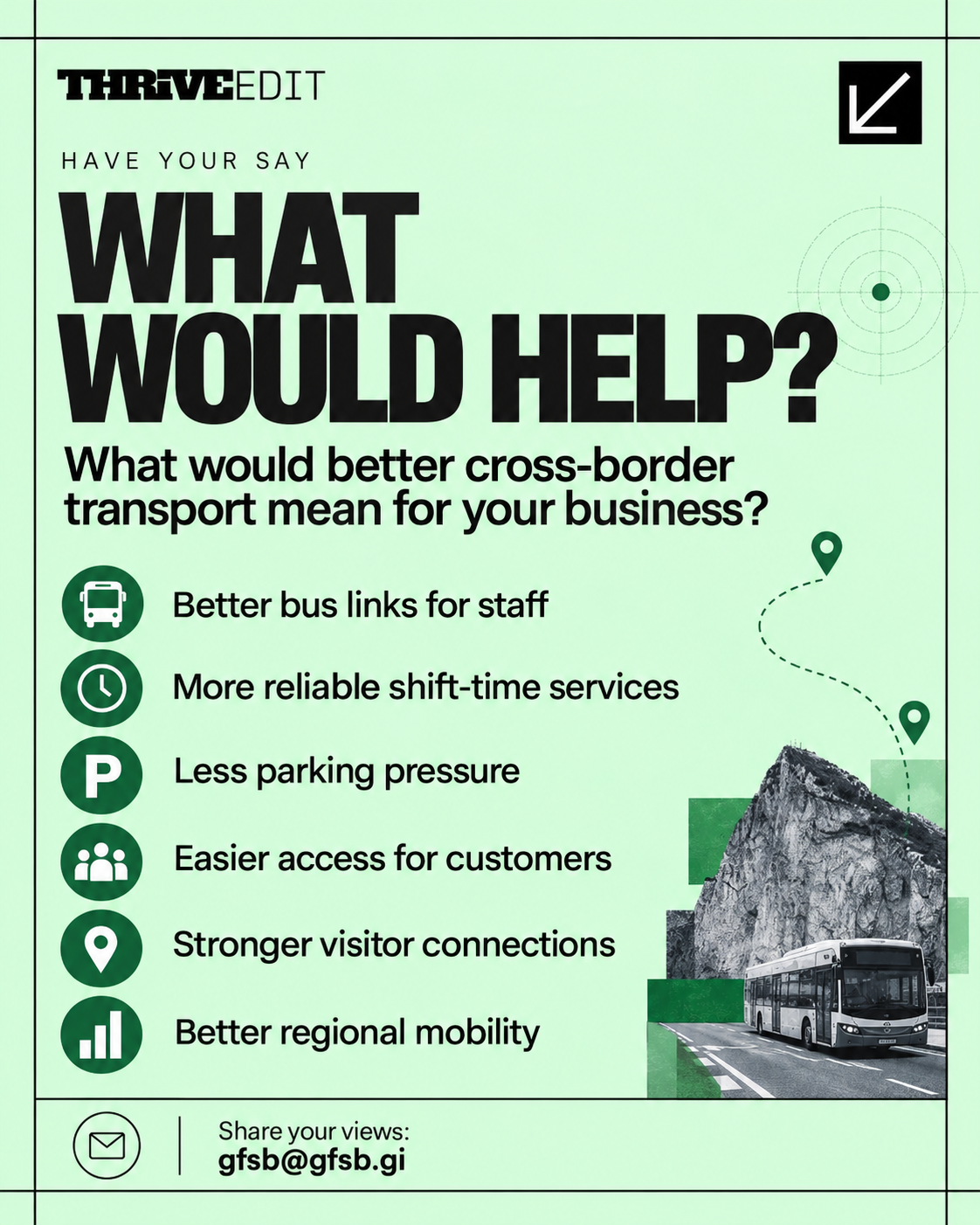
New frontier lanes and discussions around a cross-border transport interchange raise questions about buses, workers, visitors and business connectivity.
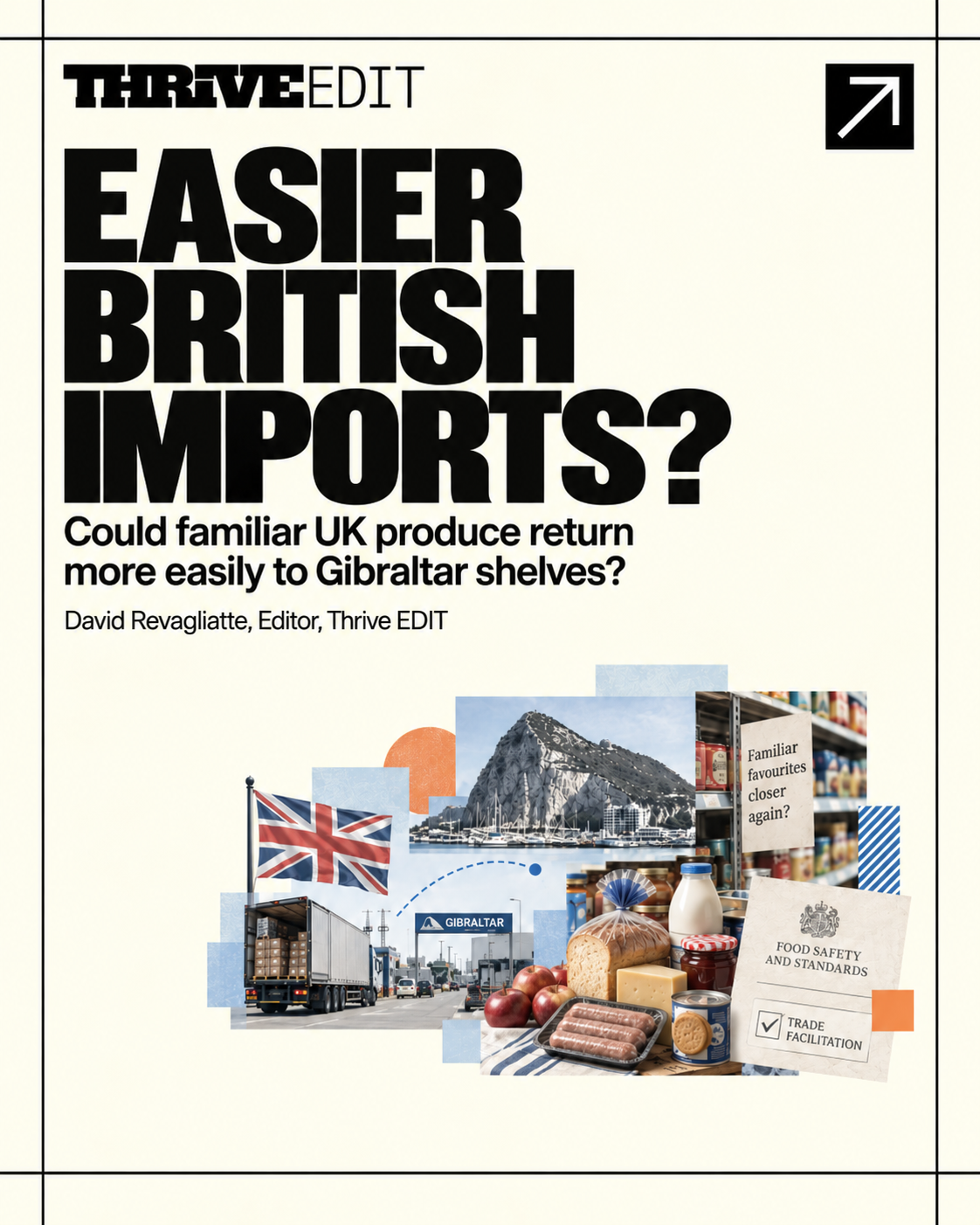
Could a future UK-EU food agreement make it easier for British produce to return to Gibraltar shelves? British produce has long been part of Gibraltar’s shopping experience; I wrote about it a couple of years ago, before we had a Treaty in place. From supermarket staples and fresh food to familiar household brands, we’ve spent […]