

 Gibraltar Federation of Small Businesses


 Gibraltar Federation of Small Businesses

Around fifteen members joined the latest GFSB Self-Employed Group meeting, with discussions centred on regulatory changes, residency requirements, compliance issues and upcoming developments linked to the Gibraltar–EU Treaty.
Members raised concerns about the recent changes to residency requirements and the lack of clarity around how they should operate in practice. Several attendees noted uncertainty about what to do during the interim period and highlighted the impact on self-employed individuals who have recently established their businesses in Gibraltar.
Treaty Timelines & Border Expectations
The group reviewed the latest public information on the treaty negotiations. The view among attendees was that the removal of the physical border could realistically happen by the end of April 2026, in line with the EU’s rollout of the Entry and Exit System. Members also requested clearer guidance on how the proposed sales tax on goods may affect small operators.
Small Claims Court Fees
Some attendees reported that filing fees for the Small Claims Court may have risen sharply, with figures cited of around £1,000 compared to the historic £300 level. This information has not yet been formally verified and will be followed up.
Companies House Penalties Rise
The meeting discussed reports of higher Companies House penalties for late filings. New figures mentioned by members included:
Following a direct conversation with Companies House, the rationale was clarified. Fee levels are set by the Government, not Companies House. The increase followed FATF recommendations during Gibraltar’s removal from the grey list, after finding that historically low penalties encouraged non-compliance. The stronger penalty regime is intended to improve filing standards and align Gibraltar with international expectations.
Business Setup Guide Coming Soon
Members again requested a comprehensive, easy-to-use guide for setting up and running a business in Gibraltar. The GFSB confirmed that a full guide is already in development and will be published soon.
Next Steps
The group agreed the following actions:
The next meeting date will be shared with members shortly. For now, check out our Events Calendar for lots more events.


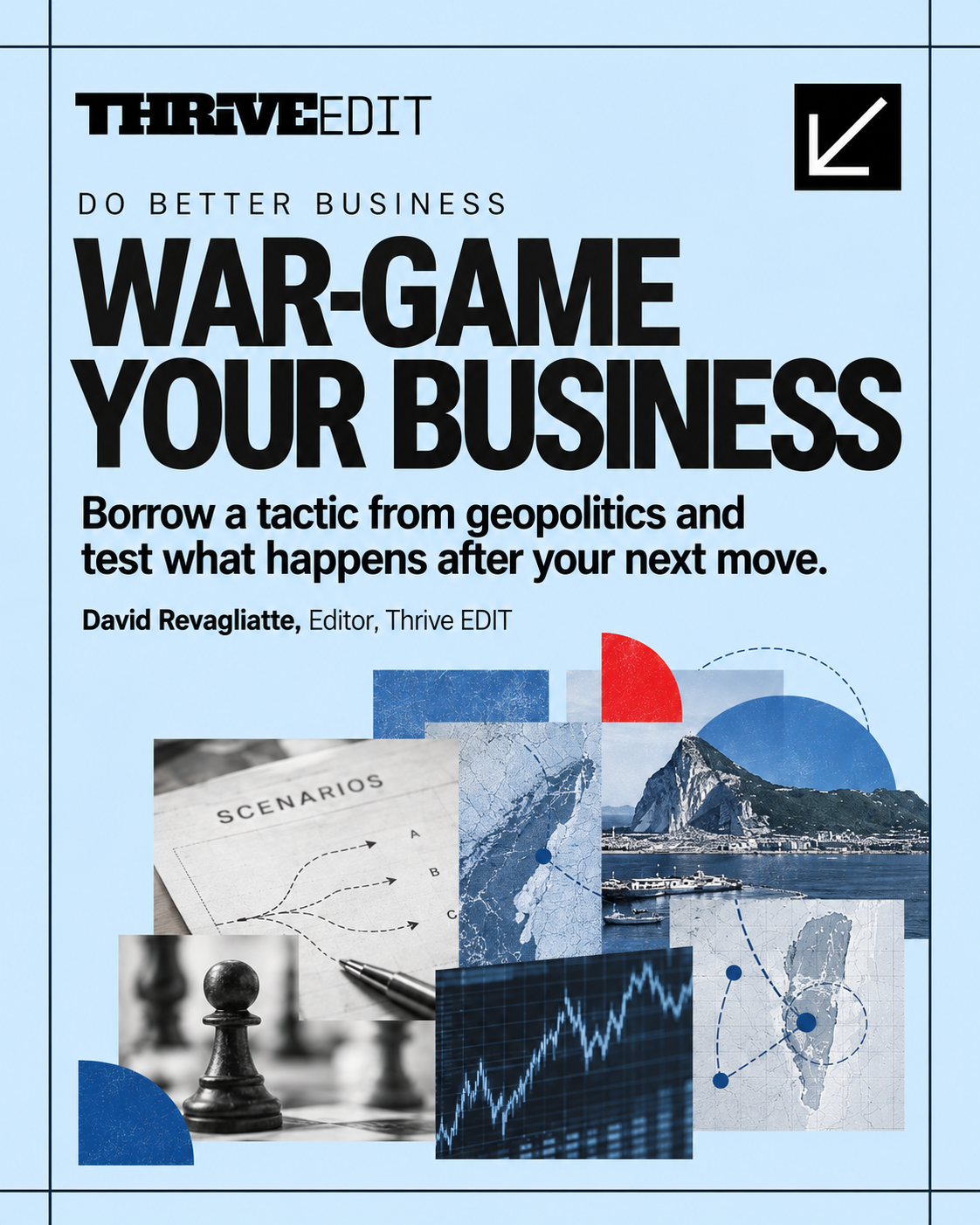

Governments and geopolitical strategists use simulations to test what might happen when other players react. The same thinking can help businesses challenge assumptions, anticipate competitors and prepare for decisions before real money is on the line.

From Hong Kong to Abu Dhabi, Gibraltar is pursuing new industries and investors as part of a major economic diversification drive. Minister Nigel Feetham says the campaign is already generating business. The bigger question is how far those opportunities can spread through Gibraltar’s wider economy.

Gibraltar plans a new residency route for financially independent over-55s alongside a new business think tank announced at GibLink London.
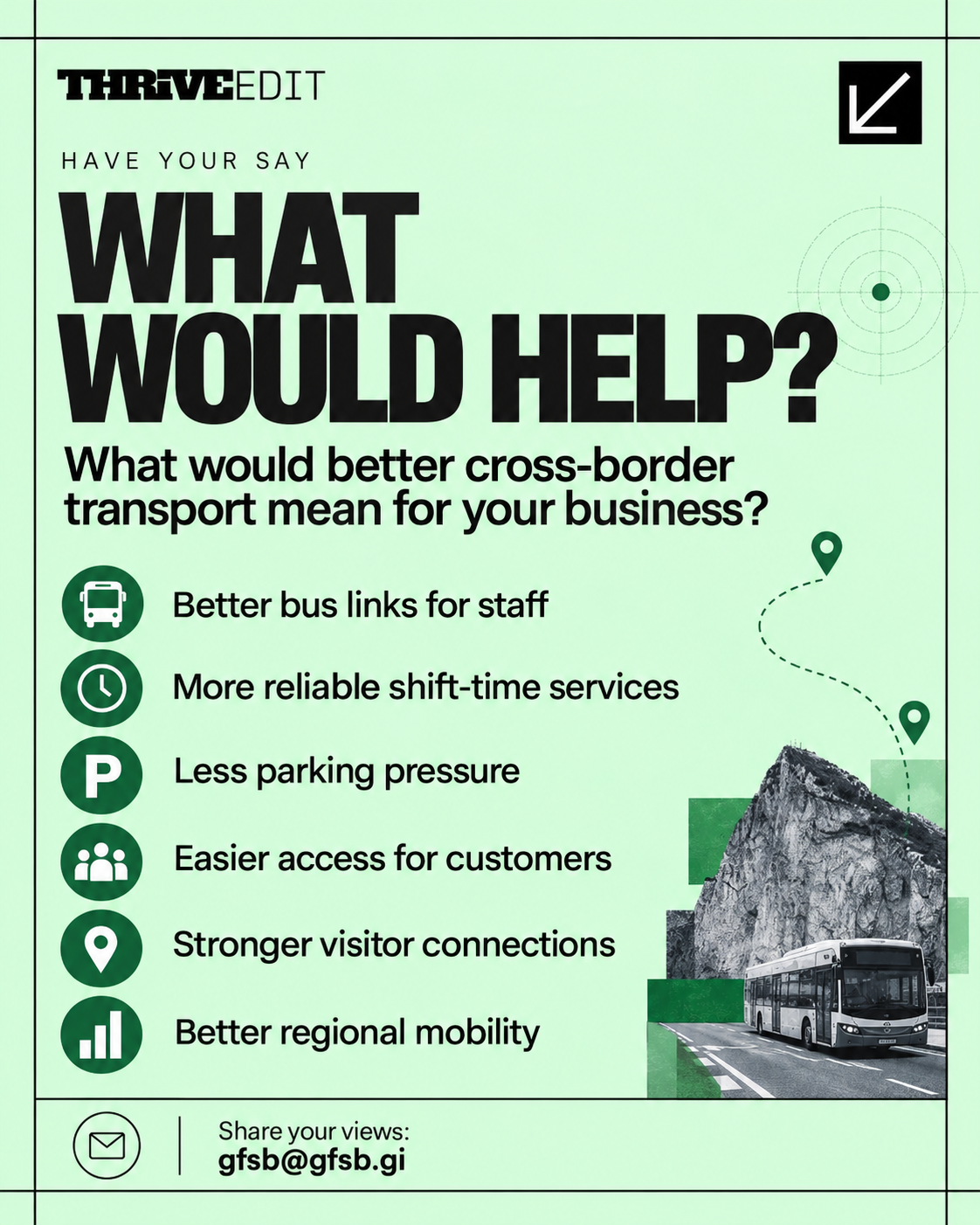
New frontier lanes and discussions around a cross-border transport interchange raise questions about buses, workers, visitors and business connectivity.
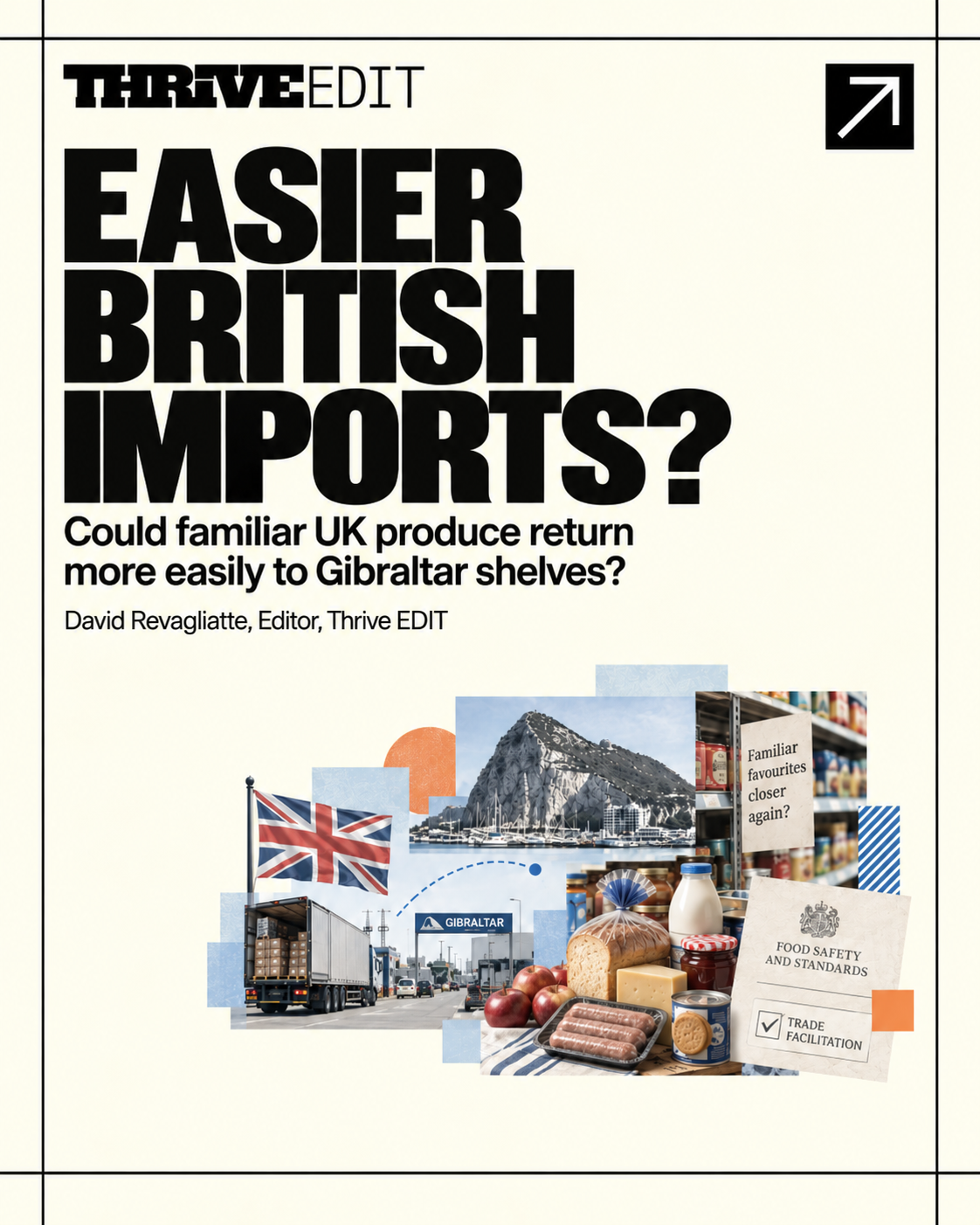
Could a future UK-EU food agreement make it easier for British produce to return to Gibraltar shelves? British produce has long been part of Gibraltar’s shopping experience; I wrote about it a couple of years ago, before we had a Treaty in place. From supermarket staples and fresh food to familiar household brands, we’ve spent […]