

 Gibraltar Federation of Small Businesses


 Gibraltar Federation of Small Businesses

Three separate conversations. Three different leaders. Similar confession: “I know I’m being short with people.”
One caught themselves mid-snap at a direct report over a minor scheduling mix-up. Another realised they’d cut someone off twice in a leadership meeting – something they’d normally never do. The third sent an email they regretted before they’d even closed their laptop.
All three knew their behaviour wasn’t quite right. All three felt unable to stop it in the moment. And all three said the same thing: “I’m just so tired.”
It’s mid-December. And right now, many leaders are simply tired.
Not the kind of tired that a good night’s sleep fixes. The kind that’s been accumulating since September, layered with year-end pressures, unfinished priorities, and the relentless pace that never quite lets up before the holidays.
When you’re this depleted, something shifts. You at your best starts to fade. What emerges instead is something rawer, more direct, less filtered. Your natural style, but without the polish. And sometimes, if you’re honest, behaviour that edges into territory you’re not proud of.
The challenge is that leadership doesn’t pause just because you’re running low. Decisions still need making. Teams still need direction. Stakeholders still expect presence. But you’re making those calls and showing up to those moments with significantly less capacity than you had three months ago.
And here’s where some grace might help. The gap between who you know are at your best and who you’re managing to be right now can feel uncomfortable. But beating yourself up about it doesn’t create more capacity – it just drains what little you have left. Being kind to yourself about where you are doesn’t mean excusing poor behaviour. It means recognising that awareness is the first step, even when you don’t yet have the reserves to do something different.
Because whilst tiredness might explain why your filter is thinner, it doesn’t make the impact disappear. That sharp comment still landed. The meeting where you cut someone off still happened. The email you fired off without thinking it through still sits in someone’s inbox.
The people around you are tired too. But they’re also taking their cues from you. And when your behaviour shifts – even subtly – it ripples through the team in ways you might not immediately see.
Some leaders become more direct when they’re depleted, which can feel efficient in the moment but might read as dismissive to others. Some withdraw, which creates uncertainty. Some become more controlling, gripping tighter when what’s actually needed is to let go of things that don’t matter as much as they think they do.
The question isn’t whether you’re tired. The question is what you do with the awareness that you are.
The leaders who navigate this period well don’t pretend they’re fine. They acknowledge where they are, adjust their approach accordingly, and make deliberate choices about what matters most in these final weeks. They recognise that leading well when you’re depleted isn’t about pushing through – it’s about leading differently.
The irony is that many leaders might read this and think, “I just need to get through the next week” But these coming days involve critical year-end conversations, decisions about the year ahead, and interactions that set the tone for January. What you do, and how you show up, in this final stretch matters more than you might think.
So before you head into another meeting, send another email, or make another decision whilst running on empty, it might be worth asking: what does good leadership look like when your tank is running on empty?
Not perfect leadership. Not superhuman resilience.
Just good enough leadership that doesn’t create problems you’ll need to clean up in January.
Notice: When you’re depleted, your behaviour shifts in predictable ways – and those patterns reveal something important about how you cope under pressure.
Adjust: Leading well whilst tired isn’t about pretending you’re fine – it’s about making conscious choices that protect both your capacity and your relationships.
Buffer: The gap between stimulus and response shrinks when you’re exhausted – but you can create space where there isn’t any naturally.
Reset: How you finish the year shapes how you start the next one – and January will come faster than you think.
This article was written by GFSB Board Member, Executive Coach and Leadership Consultant, Rebecca Jackson. It was first published on Rebecca’s ‘Spark’ site on Substack where you can access lots more fantastic content and practical resources.


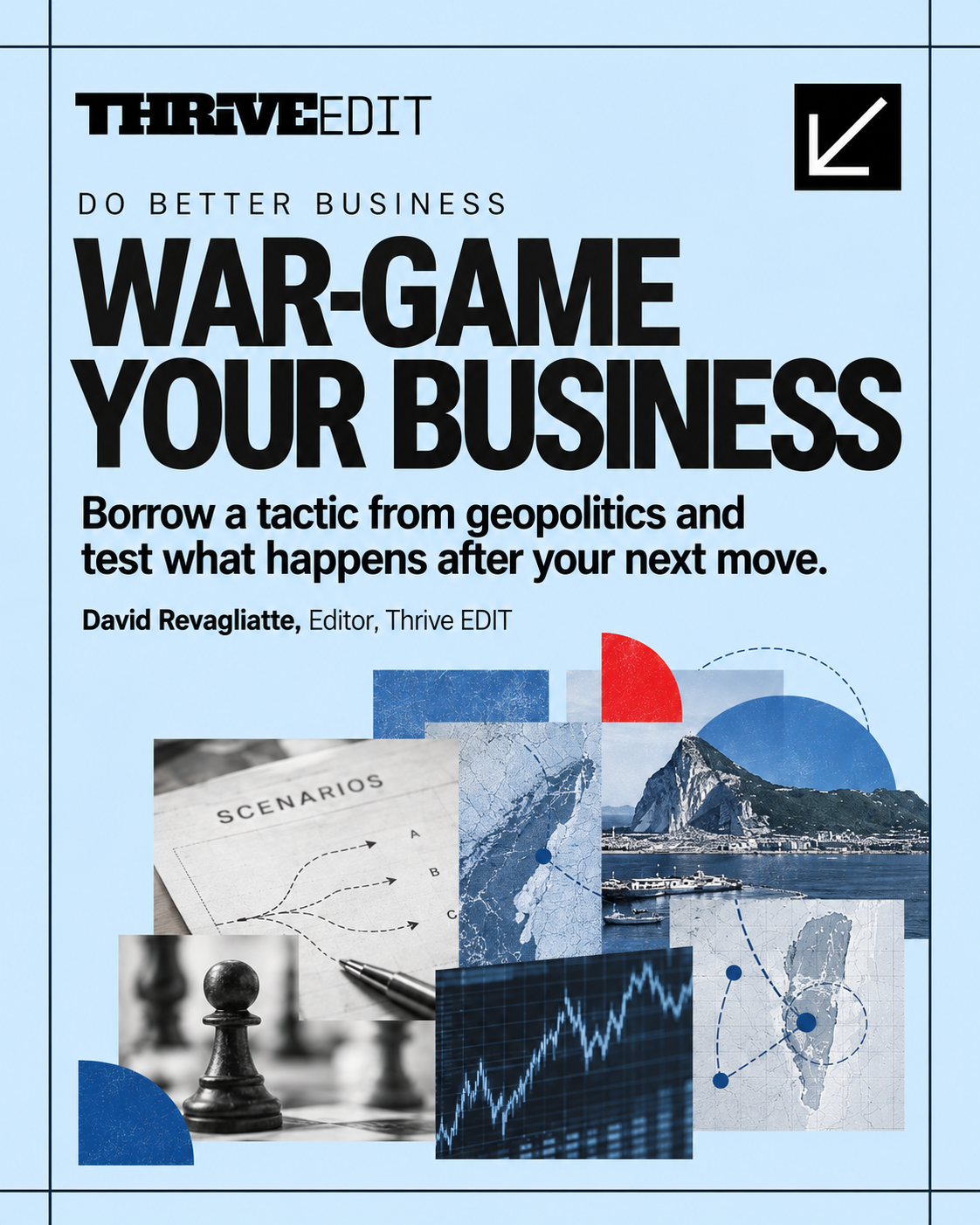

Governments and geopolitical strategists use simulations to test what might happen when other players react. The same thinking can help businesses challenge assumptions, anticipate competitors and prepare for decisions before real money is on the line.
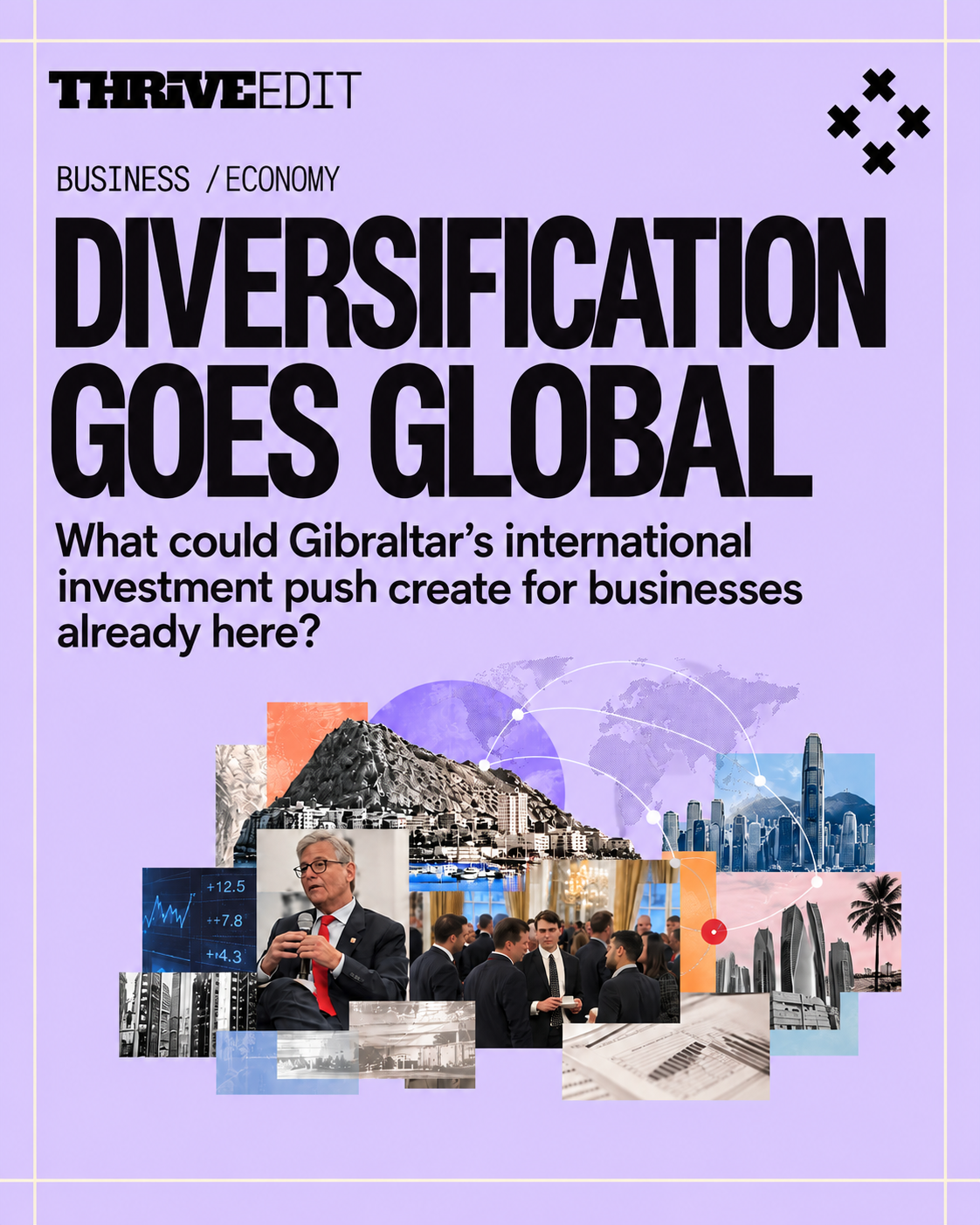
From Hong Kong to Abu Dhabi, Gibraltar is pursuing new industries and investors as part of a major economic diversification drive. Minister Nigel Feetham says the campaign is already generating business. The bigger question is how far those opportunities can spread through Gibraltar’s wider economy.

Gibraltar plans a new residency route for financially independent over-55s alongside a new business think tank announced at GibLink London.
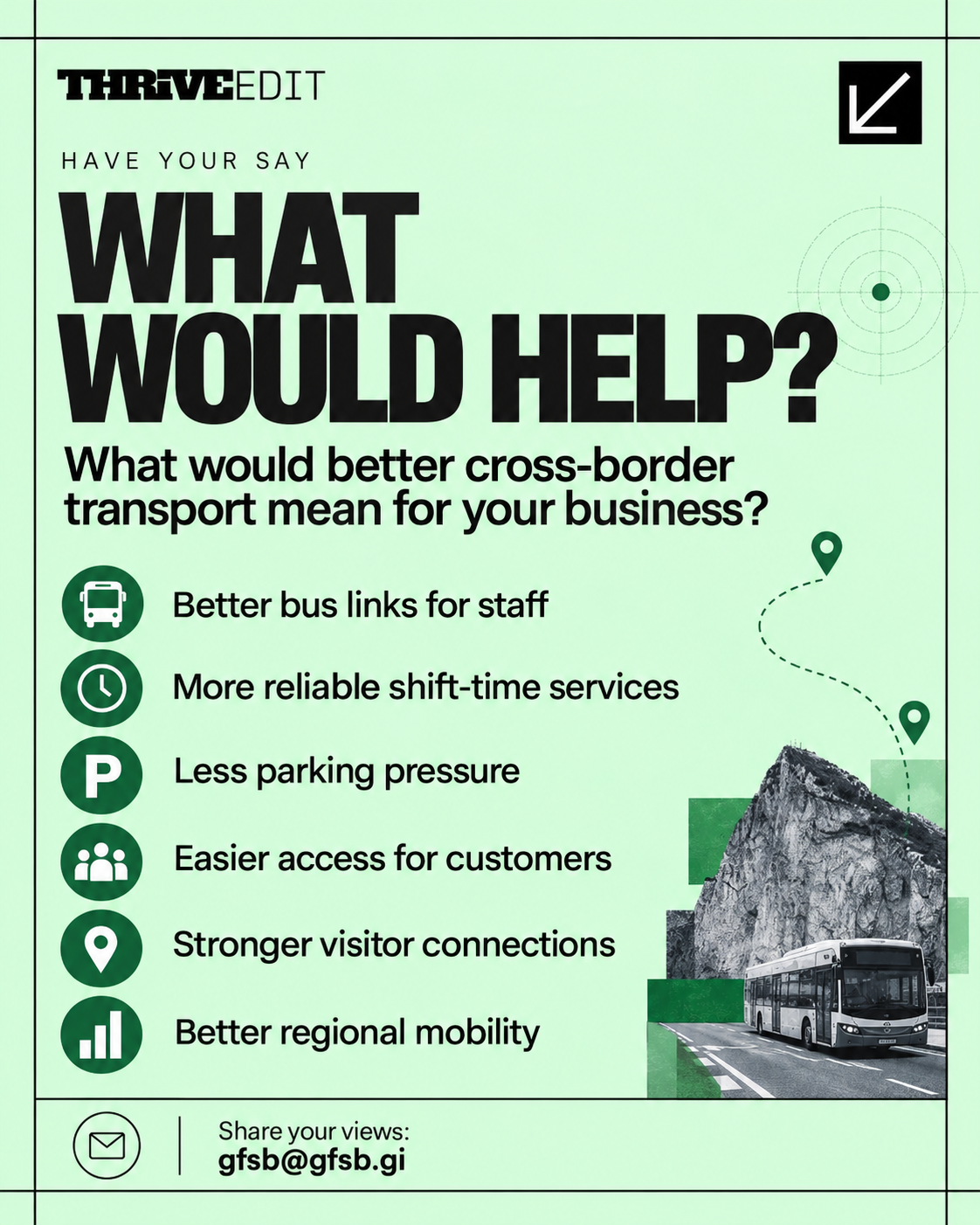
New frontier lanes and discussions around a cross-border transport interchange raise questions about buses, workers, visitors and business connectivity.

Could a future UK-EU food agreement make it easier for British produce to return to Gibraltar shelves? British produce has long been part of Gibraltar’s shopping experience; I wrote about it a couple of years ago, before we had a Treaty in place. From supermarket staples and fresh food to familiar household brands, we’ve spent […]