

 Gibraltar Federation of Small Businesses


 Gibraltar Federation of Small Businesses

Following the recent Workplace Pensions Clinic delivered by Sovereign Pension Services, they have put together the five questions they get asked most often by local employers when preparing to comply with Gibraltar’s Private Sector Pensions Act. We hope their answers give you some clarity on what’s expected!
Do I still need a workplace pension if staff already have personal plans?
Yes. Even if your staff already contribute to personal pension plans, that does not fulfill your legal obligations under the Private Sector Pension Act. As an employer, you must offer a workplace scheme to eligible employees. The scheme you choose must be an occupational pension scheme registered and authorised by the GFSC.
If an existing scheme already meets the minimum requirements under the Act, you may not need to change it, but that needs careful review and will certainly require registration with the commissioner.
Having a personal pension is great for your employees, but it does not exempt you from providing a compliant workplace pension. It’s worth checking whether your current arrangements satisfy the law, and how you can integrate or supplement them efficiently.
What if our business has high staff turnover – do I need to enrol every employee?
Yes, if they meet the eligibility criteria set out in the Act. According to the act an eligible employee is someone who:
is over the age of 15,
has worked for you for one year or more, and
has gross earnings of at least £10,000 a year.
That means even part-time, zero-hours, or short-term workers may need to be enrolled, if they meet those rules.
Because turnover is a real issue, businesses often worry about paying into pensions for staff who leave soon after being enrolled. That’s where vesting considerations become important: by structuring your scheme carefully, you can manage risk and make sure your contributions go to employees who are likely to benefit long-term.
High turnover does not exempt you. But by setting up your pension scheme with smart vesting rules and good onboarding processes, you can limit unnecessary costs while staying compliant.
We don’t have an HR department – how much extra administrative work will this create?
This is one of the biggest questions we hear, and the good news is it does not need to be a heavy burden, especially if you choose a provider with the right tools.
At Sovereign, for instance:
We offer an Employer Self-Service (ESS) portal, where you upload joiner data and monthly contribution information.
We have a secure Member Self-Service (MSS) portal for your employees, so they can view their balance, update their personal details, check contributions, and even switch investments.
We have integrated our system with EasyPay, Gibraltar’s leading payroll software, so contribution data flows seamlessly from payroll to pension, reducing manual effort.
On top of that, our Gibraltar-based team is ready to meet in person, provide training, and guide you through the process.
While every pension scheme requires some administration, the right provider and technology can make pension admin a simple monthly payroll task, not a full-time HR burden.
What will all this cost my business?
When planning for a workplace pension it is important to understand the key cost areas involved. There are three categories to keep in mind:
The core costs are predictable and easy to plan for. The right scheme depends on the level of flexibility, support and long-term structure your business needs. Sovereign Pension Services is offering a 30% discount to GFSB members on its fixed implementation fee – best to reach out to them directly.
What happens if I fail to comply, or make a mistake – am I exposed to risk?
Yes – non-compliance or mismanagement of your workplace pension responsibilities can create risk, but there are clear steps you can take to reduce that risk. Key points:
The GFSC acts as the Pensions Commissioner under the Act and retains oversight.
You must notify the Pensions Commissioner when you set up your scheme, and also report changes (e.g. new joiners, leavers, opt-outs) within 30 days.
Common mistakes include missing deadlines, failing to enrol eligible employees, or not contributing correctly. Early advice and a well-structured scheme help avoid these issues.
Working with a provider like Sovereign means you benefit from tested systems, monthly reporting, and a team on the ground in Gibraltar, which dramatically lowers the administrative risks.
While there is regulatory risk, proactive setup and the right partner help you meet your legal obligations confidently and with minimal disruption.
Implementing a workplace pension is no longer optional, it is a legal requirement, but they are also an opportunity to strengthen your offer as an employer and support your team’s long-term security. If you would like help reviewing your current arrangements or want guidance on setting up a new scheme, the Sovereign Gibraltar team is available to talk you through the process and help you become fully compliant with minimal disruption.




Governments and geopolitical strategists use simulations to test what might happen when other players react. The same thinking can help businesses challenge assumptions, anticipate competitors and prepare for decisions before real money is on the line.

From Hong Kong to Abu Dhabi, Gibraltar is pursuing new industries and investors as part of a major economic diversification drive. Minister Nigel Feetham says the campaign is already generating business. The bigger question is how far those opportunities can spread through Gibraltar’s wider economy.

Gibraltar plans a new residency route for financially independent over-55s alongside a new business think tank announced at GibLink London.
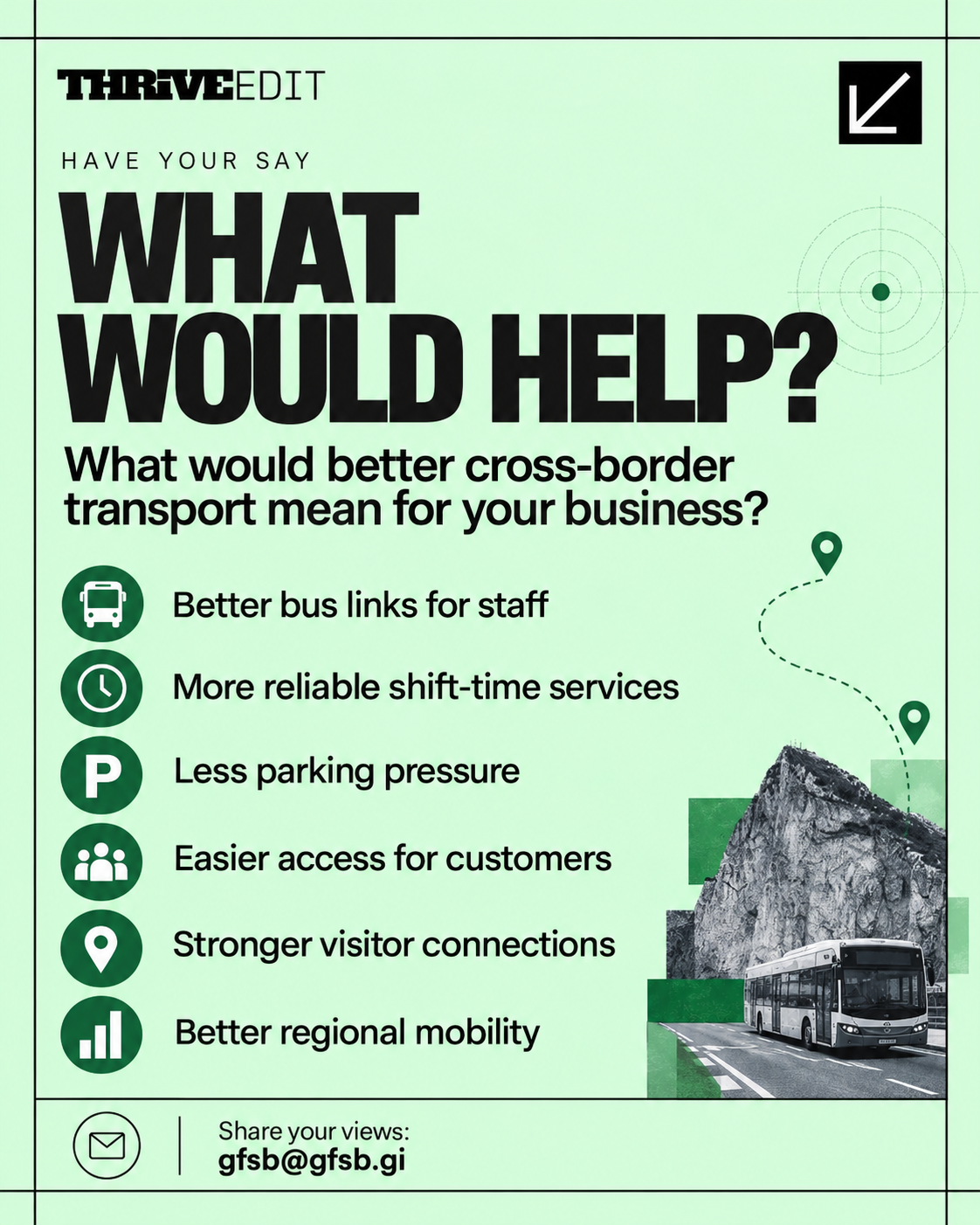
New frontier lanes and discussions around a cross-border transport interchange raise questions about buses, workers, visitors and business connectivity.

Could a future UK-EU food agreement make it easier for British produce to return to Gibraltar shelves? British produce has long been part of Gibraltar’s shopping experience; I wrote about it a couple of years ago, before we had a Treaty in place. From supermarket staples and fresh food to familiar household brands, we’ve spent […]