
 Gibraltar Federation of Small Businesses


 Gibraltar Federation of Small Businesses

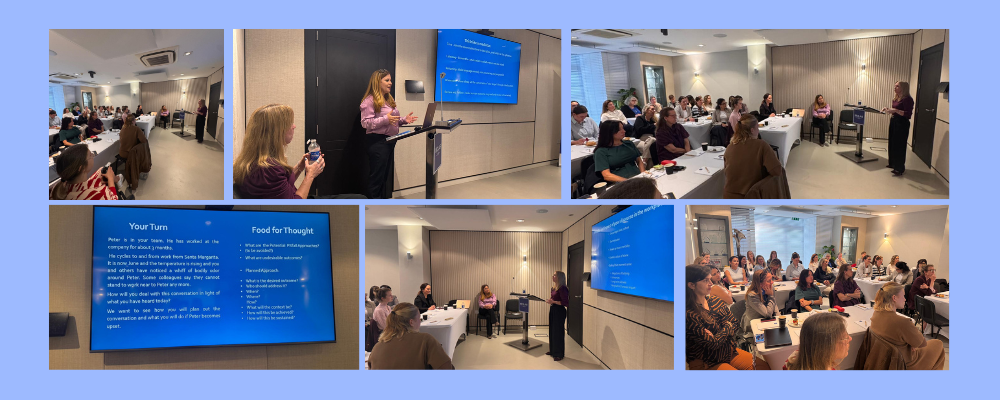
Carmel Khalilian reflects on a recent Women in Enterprise breakfast
Thursday’s Women in Enterprise breakfast was one of those sessions that stayed with me long after the plates were cleared. ISOLAS hosted us, with Sam Grimes and Fiona Young leading a discussion on something most of us don’t handle as well as we’d like to: the conversations we avoid at work.
Sam is a partner at ISOLAS LLP, an employment lawyer who often picks up the pieces when things have already gone badly. Fiona is a solicitor, accredited mediator and conflict-resolution trainer, working to stop things from getting there in the first place.
Between them, they made a case that was quite uncomfortable to sit with: most of the damage in workplaces isn’t caused by the difficult conversations people have. It’s caused by the ones they don’t.
The avoidance problem
We tend to think poor communication means shouting, hostility, rudeness. Sam made the point that it usually looks much more ordinary than that. It’s the conversation that keeps getting postponed. The feedback softened so much it carries no message. The manager who hopes the issue might just resolve itself.
The problem is what grows in that silence. People sense when something isn’t being said. Gossip fills the gap. Trust erodes quietly, and an “us and them” mentality takes hold. By the time someone decides to address it, the conversation is twice as hard.
In Gibraltar, the Bullying at Work Act has added another layer. It’s short, broadly drafted, and there isn’t much case law yet, so managers are often nervous about where the line sits. Sam’s view was that the answer isn’t to stop managing. It’s to manage with care. Be persistent. Be proportionate. Watch your tone. Treat people with dignity. You can still hold someone to account without stripping them of it.
One underperformer, a whole team affected
One scenario landed particularly well in the room. Imagine someone on your team who keeps making mistakes, gets defensive when challenged, and isn’t being managed. What happens to everyone else?
The room answered immediately. People get demotivated. They resent picking up the slack. Standards slip. Eventually you see sickness absence, grievances, a team that used to function well starting to come apart.
It was a good reminder that leaving something alone isn’t neutral. It just shifts the cost onto everyone else.
Be specific, or don’t bother
“You have a bad attitude.” “You need to take more ownership.” It’s easier to say than the specifics. It’s also almost useless.
General feedback feels personal because there’s nothing concrete to respond to. Saying “at yesterday’s meeting, you interrupted three times,” or “these errors were made on this file” is harder to deliver, but it gives the other person something real to work with. Vagueness isn’t kinder. It just leaves people defending themselves against something they can’t quite see.
Sam also flagged a few habits most of us will recognise. The surprise attack, where feedback lands in a moment of frustration with no warning. The nervous laugh, where something serious is softened with humour. And the sandwich, where criticism gets buried between so much praise that the message goes missing. All come from good intentions. None are particularly kind to the person on the receiving end.
Fiona’s Toolkit
If Sam set out where it goes wrong, Fiona focused on how to do it better. Her approach to workplace conversations has five parts.
The first is time. We treat conflict as urgent, when often it gets worse because we handle it too quickly, emotionally, or in the wrong moment.
The second is listening. Proper listening, not just waiting to speak. If one person has already decided what needs to be said and delivers it without inviting a response, it isn’t really a conversation.
The third is reframing. The difference between “you’re always late” and “I’ve noticed a change” is often the difference between a door closing and a door opening.
The fourth is brainstorming. Moving from “whose fault is this” to “what could we actually do about it.”
And the fifth is review. A conversation isn’t finished just because it went better than expected. You need clarity on what was agreed, what happens next, and whether it’s working.#
Before you conclude, ask
The part of Fiona’s session that stayed with me most was about assumptions. When someone is late, distracted, or underperforming, it’s easy to jump straight to a conclusion.
Often there’s something else going on. A simple “has anything changed recently?” or “is everything okay?” can open up a very different conversation. It doesn’t mean excusing poor performance. It means hearing someone before deciding who they are.
Good teams don’t happen by accident
Fiona also talked about the kind of team everyone says they want. People who work well together, communicate openly, and seem to enjoy the job.
They’re not lucky. They’re built. Through thoughtful recruitment, proper induction, clear expectations, and regular check-ins. In those teams, communication is normal, not something saved for when there’s a problem.
The hygiene conversation
The morning’s most interesting discussion came from a scenario that sounds almost trivial until you sit with it: how you address personal presentation or hygiene with a colleague.
What came out was how much complexity sits inside it. If you say nothing, tensions build and the person stays unaware. If you handle it badly, the impact can last years. Who has the conversation matters. How it’s framed matters. Whether support is offered matters.
A couple of attendees shared examples. In one, a colleague quietly took a teammate for a coffee and discovered there were serious things going on at home. In another, workplace gossip had collided with a colleague’s mental health in a way that could have gone very badly.
Sometimes the right first step is quiet and human. Sometimes formal process is necessary. The skill is knowing which situation you’re in.
Culture happens in the small moments
One point from the audience stayed with me: if HR or management only ever appear when something’s gone wrong, every interaction starts to feel ominous. Where check-ins and informal conversations are part of how a business runs, people don’t panic when they’re called in. They just turn up and talk.
Policies and handbooks matter. But what gives them life is how people speak to each other in the smaller moments.
What I took away
Difficult conversations aren’t going anywhere. But harmful ones aren’t inevitable.
You can be clear without being cruel. You can be firm without being demeaning. You can hold someone to account and still treat them like a person.
That, for me, is what Women in Enterprise is really about. It’s the daily work of communicating well, with care, and having the confidence to walk into discomfort rather than around it.
Huge thanks to Sam and Fiona for a session that’s going to make a lot of us think differently. And to everyone who came, the conversations that carried on long after the coffee was cold were the best sign that this one mattered.



Governments and geopolitical strategists use simulations to test what might happen when other players react. The same thinking can help businesses challenge assumptions, anticipate competitors and prepare for decisions before real money is on the line.

From Hong Kong to Abu Dhabi, Gibraltar is pursuing new industries and investors as part of a major economic diversification drive. Minister Nigel Feetham says the campaign is already generating business. The bigger question is how far those opportunities can spread through Gibraltar’s wider economy.

Gibraltar plans a new residency route for financially independent over-55s alongside a new business think tank announced at GibLink London.
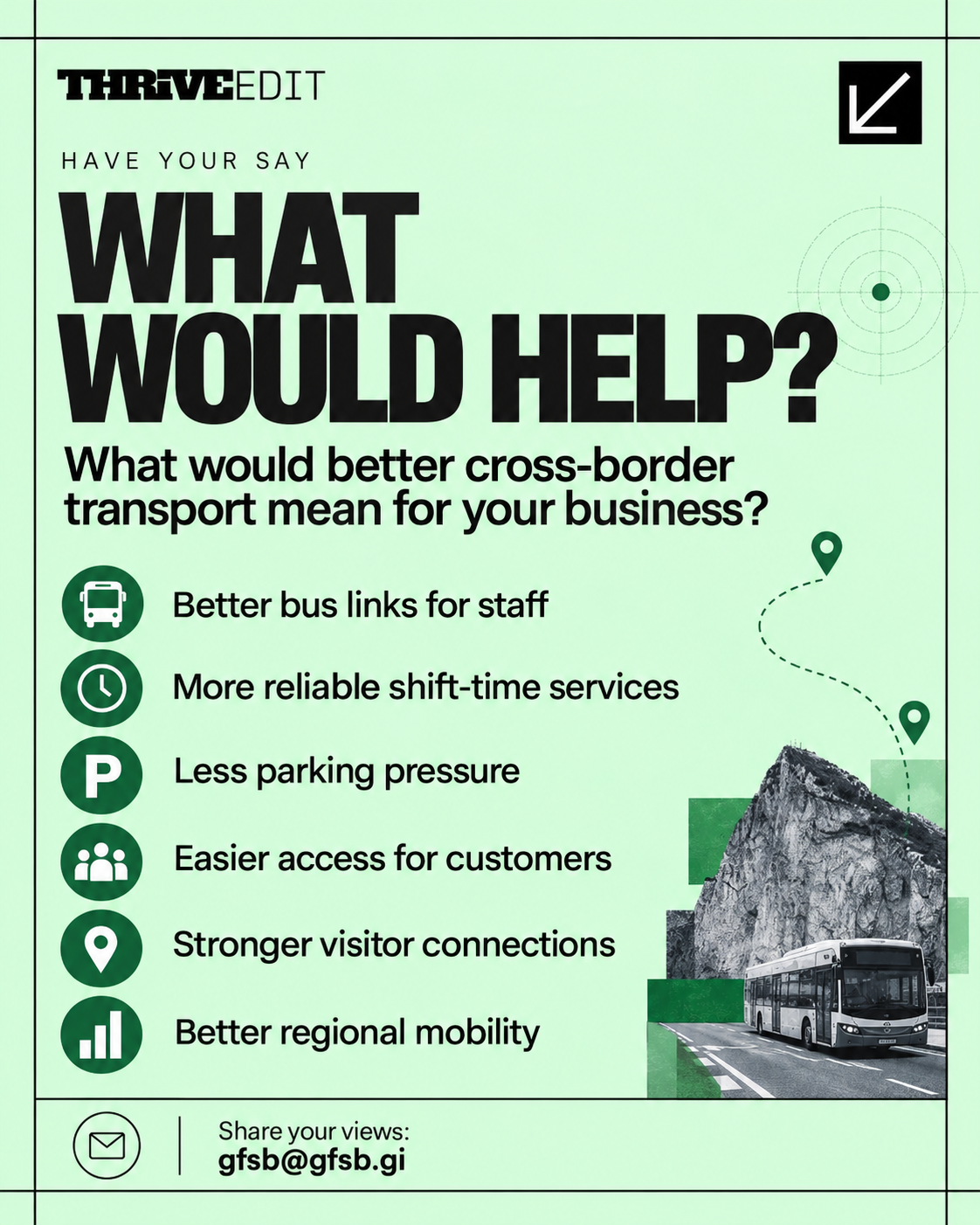
New frontier lanes and discussions around a cross-border transport interchange raise questions about buses, workers, visitors and business connectivity.

Could a future UK-EU food agreement make it easier for British produce to return to Gibraltar shelves? British produce has long been part of Gibraltar’s shopping experience; I wrote about it a couple of years ago, before we had a Treaty in place. From supermarket staples and fresh food to familiar household brands, we’ve spent […]


