
 Gibraltar Federation of Small Businesses


 Gibraltar Federation of Small Businesses

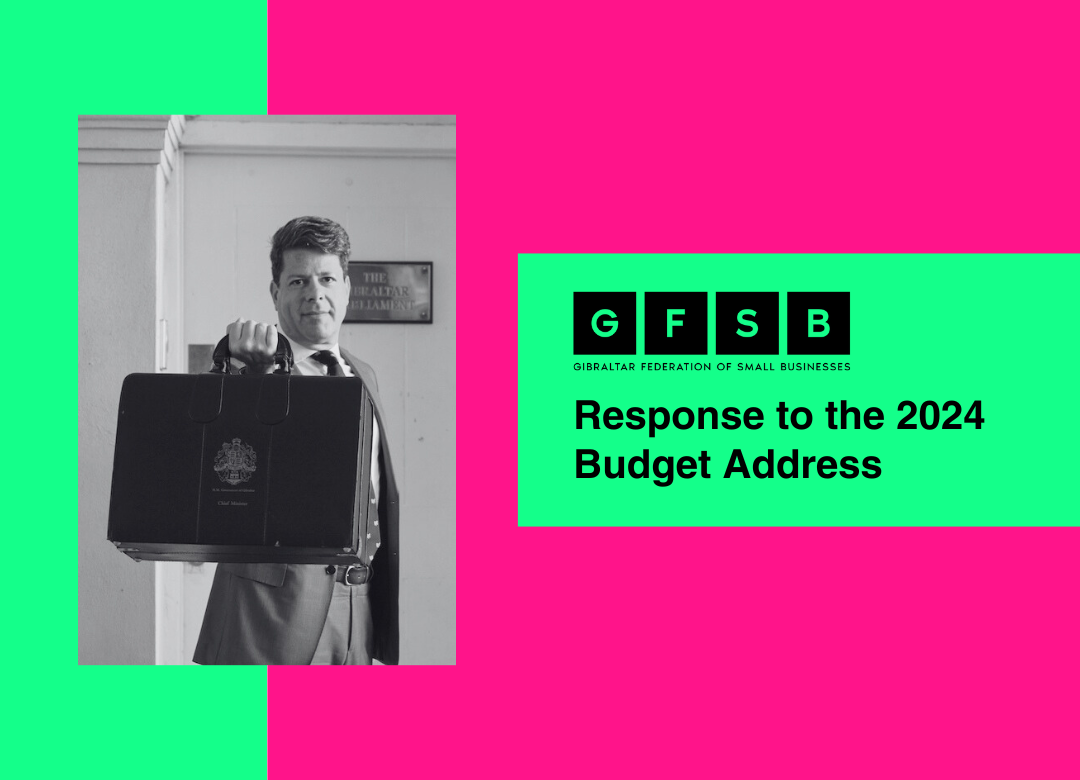
The Gibraltar Federation of Small Businesses (GFSB) has reviewed the 2024 Budget Address delivered by Chief Minister Fabian Picardo QC with a mix of recognition and some concerns. While some budgetary increases align with inflation, the overall impact is of increased costs on small businesses.
The GFSB Board highlights that this budget increases the burden on local businesses by raising taxes and social insurance rates, exacerbating the challenges already faced in a tough and uncertain economic environment.
In addition, measures such as the pollution levy on vehicles over 10 years old are expected to disproportionately affect smaller businesses compared to larger enterprises. The GFSB notes the government have since decided not to proceed with the pollution levy as initially announced, opting instead to initiate a consultation on the issue. The GFSB welcomes this move and hopes to participate in the consultation process to ensure fair and effective policies.
The GFSB believes a balanced budget should incorporate measures to increase efficiencies in the public service, ensuring that the burden of tougher economic times is equally shared. Additionally, the budget should include incentives to stimulate business investment and growth.
Michaela Rees, a GFSB Director, expressed the Board’s preference for a budget with elements of “give and take” rather than one that merely increases costs for businesses. She emphasized that businesses are now expected to handle increased utility fees, higher wages, and potentially higher taxes, with no additional relief measures provided by the government.
The lack of support for economic growth and job creation is also highlighted by the GFSB. Eran Shay, GFSB Director, pointed out that the budget does not include any stimulus for start-ups, nor does it encourage job creation or improve public sector efficiency. The GFSB would welcome budgets that are structured to foster economic development, such as offering tax reliefs for employing additional staff.
Daniel Delgado, GFSB Vice-Chairperson, noted that while the inflationary increases were expected, the above-inflation rise in social insurance by 5% and the corporate tax rate increase from 12.5% to 15% add to the costs of doing business in Gibraltar and particularly affect smaller businesses, many of which operate on fine margins.
The GFSB also notes the introduction of a requirement for short-let properties to be registered and inspected, with a fee to apply by the end of the calendar year. Board Director Brian Ross commented on this measure, presuming that its purpose is to control ‘unsafe’ accommodations. He suggested that, since there is already a Tourist Tax system in place, the government should extend this existing system rather than adding another layer of bureaucracy. He highlighted that almost all holiday let businesses in Gibraltar are small, and additional regulations could impose further burdens on them.
Despite these concerns, the GFSB Board acknowledges some positive aspects of the budget, such as the growth in GDP and a small budget surplus. These are encouraging signs amidst the current economic uncertainty. The GFSB remains hopeful that with more economic stability in the future, these positive trends could benefit the business community.
The GFSB urges the government to adopt a more balanced approach in future budgets, providing relief and incentives for small businesses while ensuring the burden of economic challenges is shared fairly.


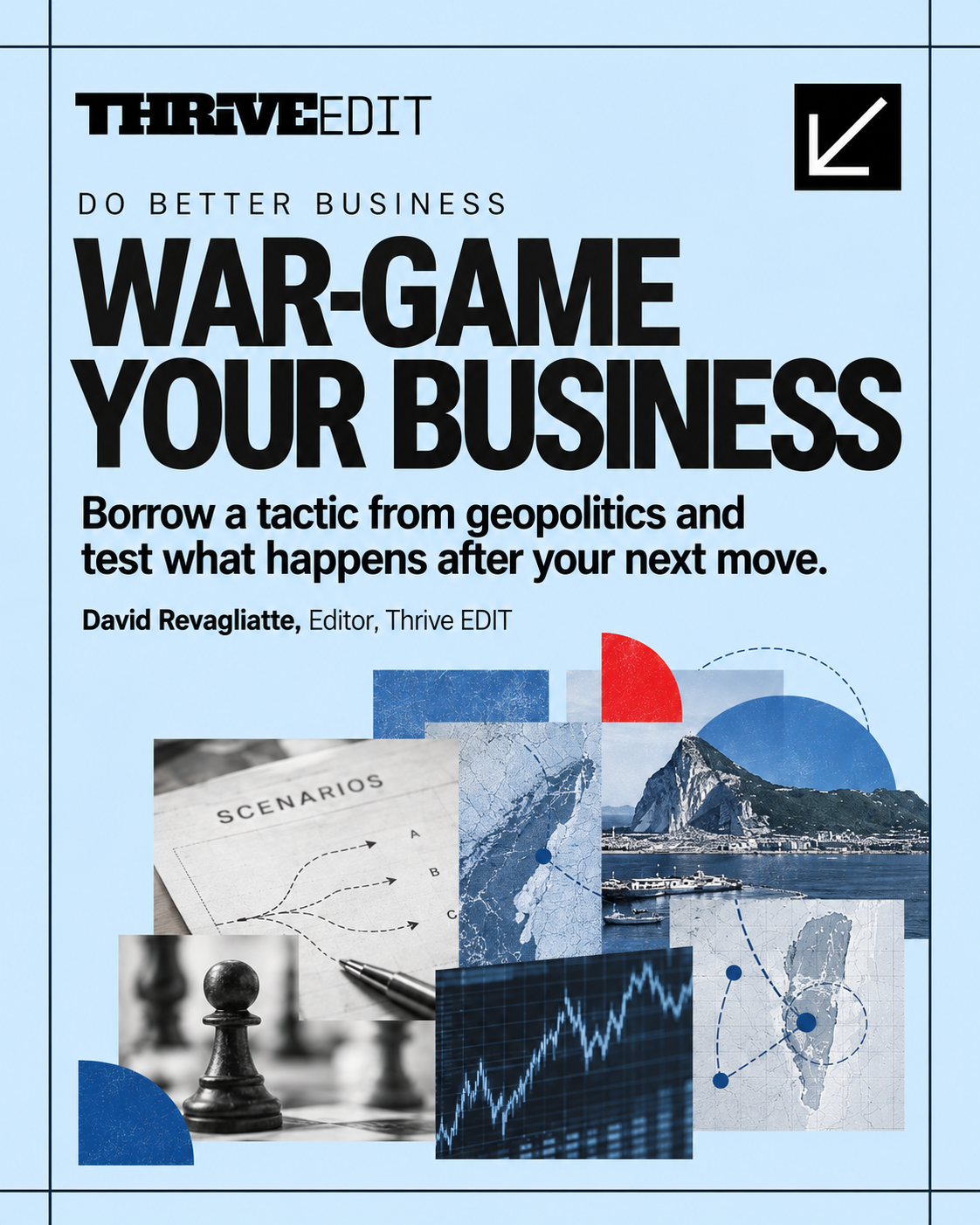

Governments and geopolitical strategists use simulations to test what might happen when other players react. The same thinking can help businesses challenge assumptions, anticipate competitors and prepare for decisions before real money is on the line.

From Hong Kong to Abu Dhabi, Gibraltar is pursuing new industries and investors as part of a major economic diversification drive. Minister Nigel Feetham says the campaign is already generating business. The bigger question is how far those opportunities can spread through Gibraltar’s wider economy.
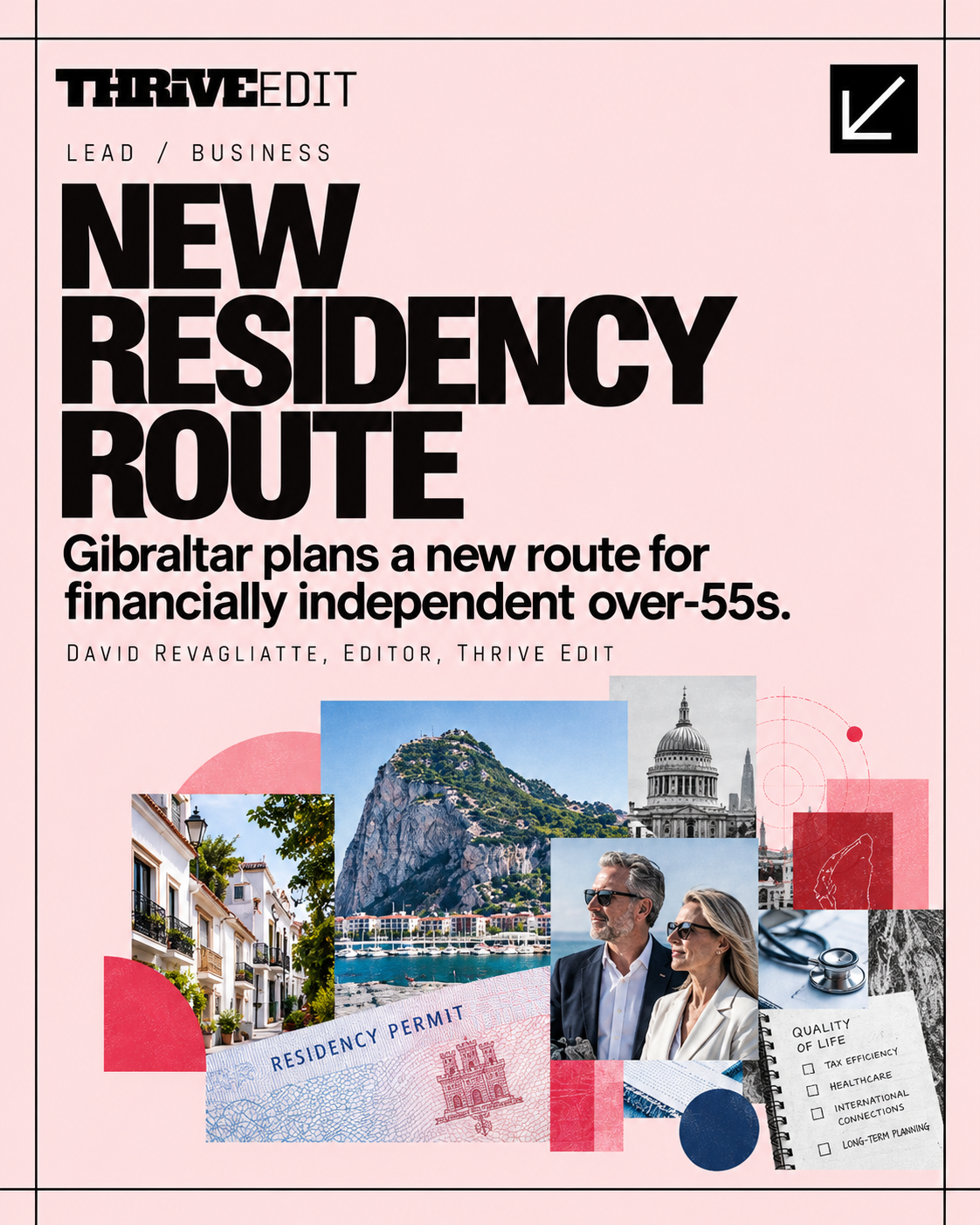
Gibraltar plans a new residency route for financially independent over-55s alongside a new business think tank announced at GibLink London.
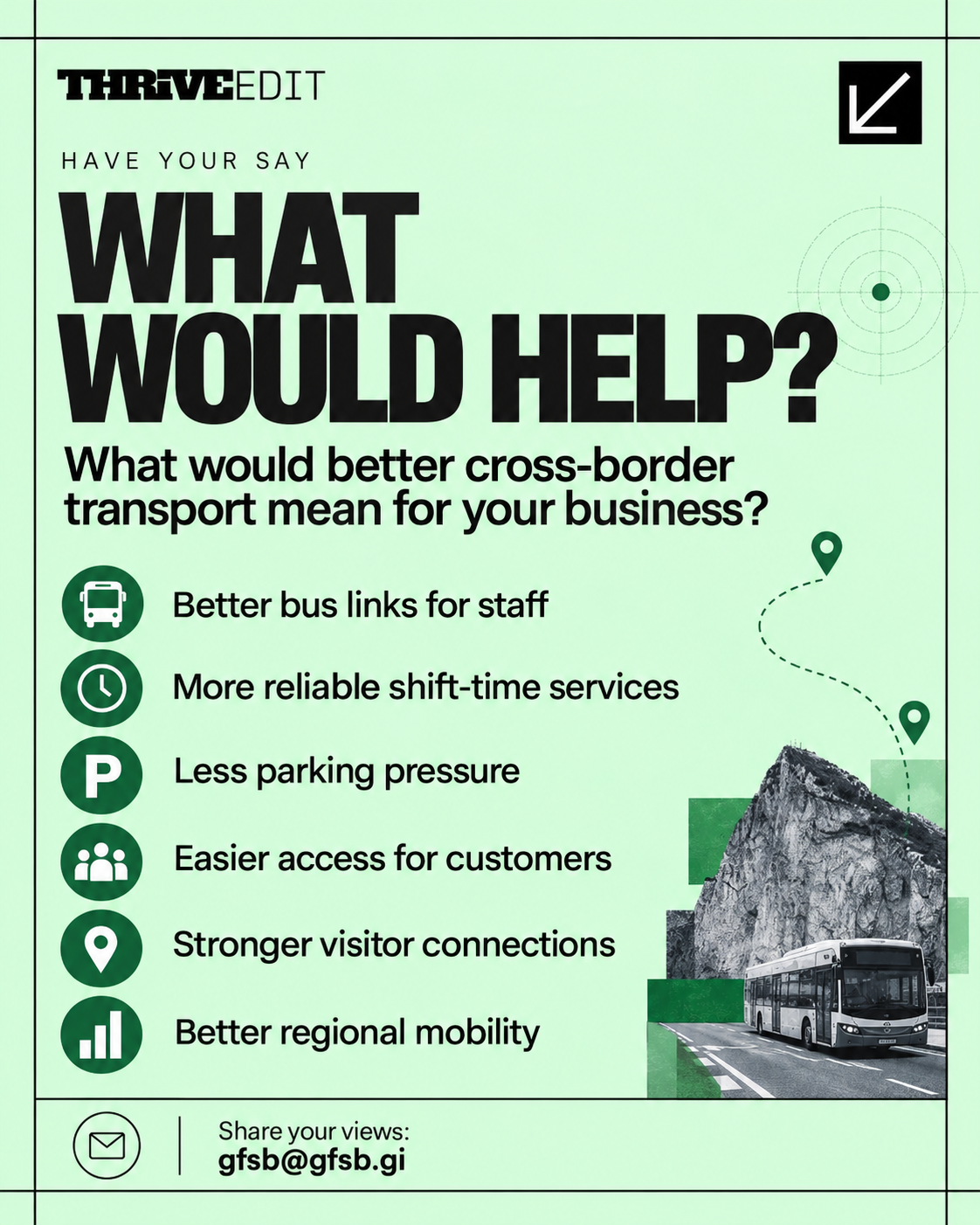
New frontier lanes and discussions around a cross-border transport interchange raise questions about buses, workers, visitors and business connectivity.
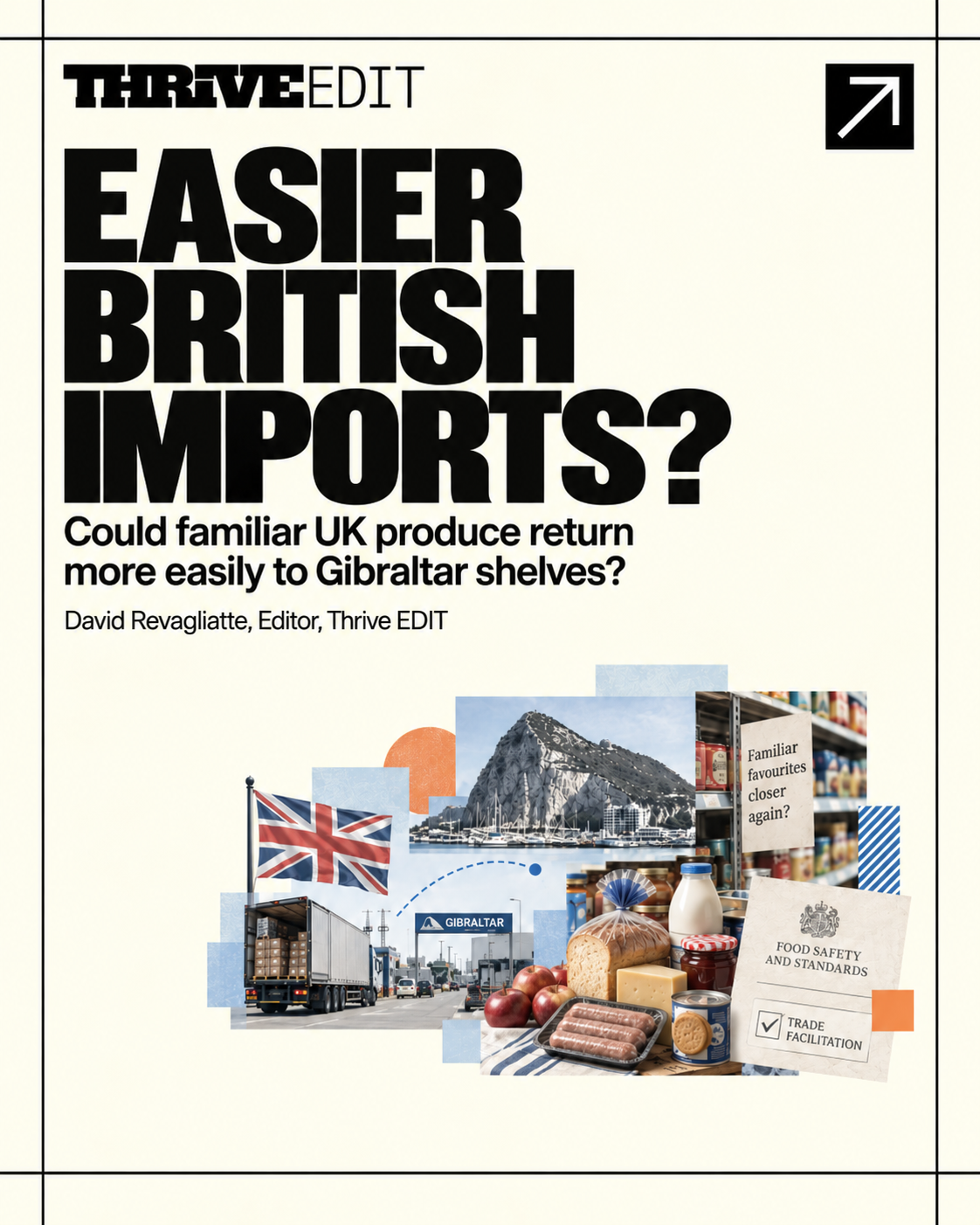
Could a future UK-EU food agreement make it easier for British produce to return to Gibraltar shelves? British produce has long been part of Gibraltar’s shopping experience; I wrote about it a couple of years ago, before we had a Treaty in place. From supermarket staples and fresh food to familiar household brands, we’ve spent […]